|
A New Lifeline Helps Inmates Transition to Life Outside the Bars
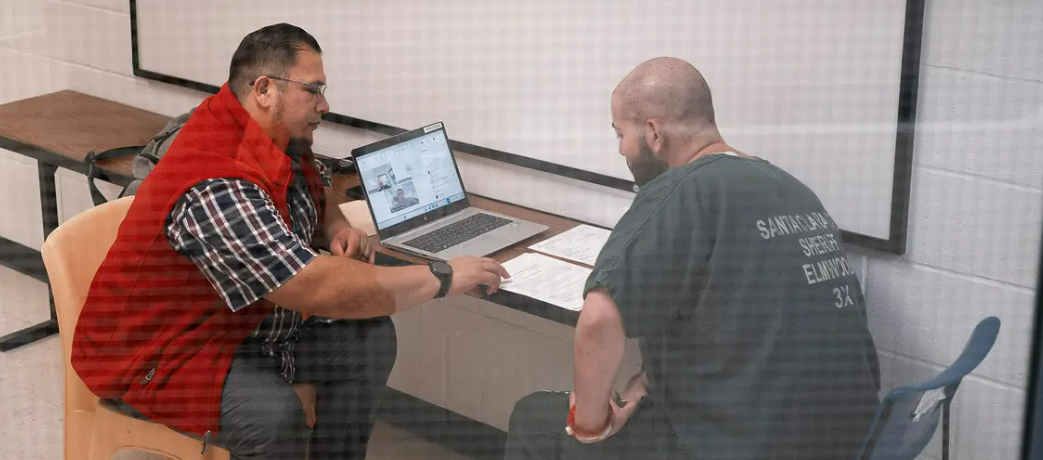
When Jon Desantis was released after a six months stint in jail last September, he had lost many of the moorings of a stable life. He could not go back to his apartment, because the girlfriend he had shared it with before his conviction on assault charges had cut ties with him. The construction company where he’d worked for years told him his position had been filled. And though it was nearly paid off, creditors repossessed his F-250 pickup truck, with storage for tools that he had built himself. Born and raised in San Jose, Mr. Desantis, 37, might have called acquaintances for help, but that carried its own risks. “It’s very easy for me to fall into situations or run into people that I have known for a very long time that aren’t necessarily doing the things that they should be doing,” he said. Instead, he got a vital assist from an unexpected place: California’s Medicaid program. A month before completing his sentence, Mr. Desantis met with a county health care worker in the jail, who assessed his needs. He walked out with a 30-day supply of his prescription medications for depression and anxiety, emotions he had begun to identify as the root of his alcoholism and drug use. Read more here.
|
Rural Minds Creates Farmer Mental Health Resilience Program
Rural Minds, a local nonprofit organization focused on mental health in rural America, has recently launched a new program focused on connecting farmers to mental health resources. The new program, known as the Farmer Mental Health Resilience Program, has been developed to provide farmers and their loved ones information on the importance of mental wellness. Carol Anderson with Rural Minds said other information includes what mental illness is, the types of mental illness and any resources for getting help, information and conversation starters. “So if someone in the family or a friend is concerned about the farmer’s behavior or what’s been going on they can look at this and get suggestions on how to approach them in a respectful, caring manner without causing them to withdraw, for example,” Anderson said. Read more here.
| |
Psychiatrists’ Use of Biomarkers Could Open a New Window Into Mental Health Diagnoses
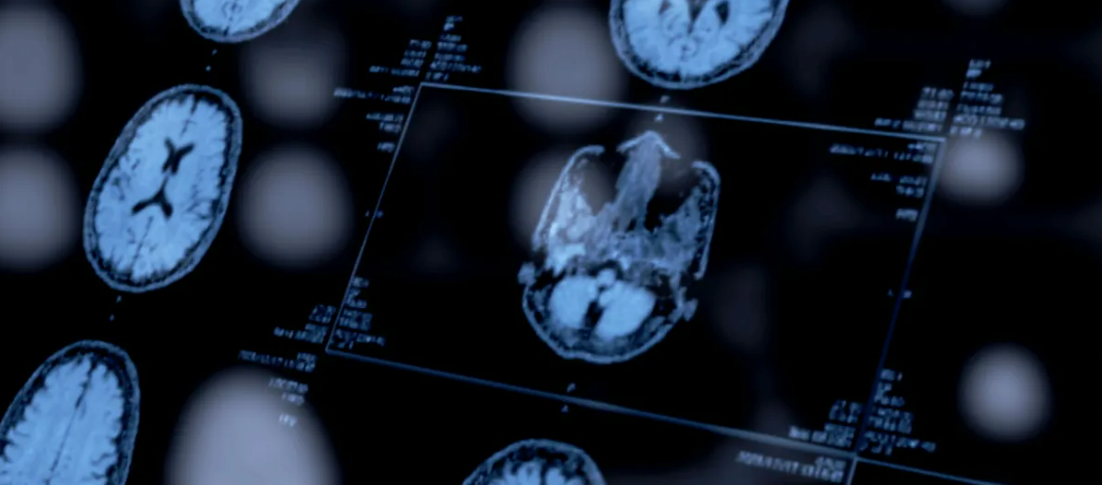
Amanda Miller was 30 and pregnant with her second child in Hershey, Pennsylvania, when she developed depression. After she gave birth, her depression worsened. It was joined by a slew of unexplained health problems. Miller, a neuroscientist, said she saw several psychiatrists and got prescriptions for drug after drug. Over two years, she tried four antidepressants and two antipsychotics. None of that helped — until her primary care doctor noticed high levels of an autoimmune marker in her blood. A specialist then ran “every test in the book,” Miller said. Eventually, she was diagnosed with the autoimmune disease lupus and prescribed an inflammation-lowering steroid. Some of her symptoms let up within hours. Her depression subsided not long after. “I was convinced it was a placebo effect,” Miller said, “but then it kept working.” Had inflammation been contributing to her mental health problems all along? Miller thinks so, although she can’t know for sure. Her psychiatrists never raised that possibility, she said. In most medical specialties, doctors can confirm whether to pursue a type of treatment through tests, such as blood work, imaging, and biopsies. Mental illnesses, however, have historically been diagnosed and treated based on outward symptoms. That could change. Read more here.
| |
National Shattering Silence Coalition Launches Three-Pronged Plan to Combat Severe Mental Illness, Expands to 28 States
The National Shattering Silence Coalition (NSSC) announced today its “Blueprint for Reform,” a three-part strategic plan to address gaps in medical care and policy for the 22 million Americans living with severe mental illness (SMI). Alongside this launch, NSSC has expanded its grassroots leadership network to 28 states, signaling a massive surge in the movement to treat SMI as a biological brain disease rather than a behavioral failure. Led by Executive Director Ann Corcoran, RN, MSN, the coalition is formalizing its operations and has filed for federal 501(c)(3) tax-exempt status. Membership has grown 231% since 2022, now comprising 925 dedicated advocates and family members on the front lines of the SMI crisis. The Blueprint’s first initiative focuses on legislation. NSSC’s “50-State Blueprint” aims to modernize state mental health laws. Through its growing network of state policy directors, NSSC is pushing for a unified system that prioritizes medical necessity over “dangerousness” standards. This initiative seeks to eliminate the administrative barriers that currently lead to the “triple tragedy” of homelessness, incarceration, and premature death. Read more here.
| |
SAMHSA Advisory: Model Standards for Crisis Care Workers
Crisis care saves lives—but workforce shortages and inconsistent standards threaten access to timely, quality support. This SAMHSA advisory introduces National Model Standards for Crisis Care Workers, designed to ensure that anyone, anywhere, at any time can receive compassionate, effective crisis care. It presents ten standards for crisis care workers that states can offer to build a skilled, representative, and billable workforce. Recommendations include core values, competencies, education and training requirements, certification, credentialing, supervision, and ethical standards.
| |
CMS’ New Approach to Federal Medicaid Spending in Cases of Potential Fraud
The current administration is placing a new emphasis on potential fraud in Medicaid. The Centers for Medicare and Medicaid Services (CMS’) current efforts are focused on Minnesota and three other states with Democratic governors (California, Maine, and New York). The House Committee on Energy and Commerce has also sent requests for information about potential Medicaid fraud to 11 states (the 4 CMS is focused on and 7 others, including 2 with Republican governors). CMS has historically partnered with states to identify and resolve issues of fraud, waste, and abuse, and denied the federal share of Medicaid spending when fraud has been identified by an audit, investigation, or reported by the state. However, CMS has recently announced a new approach to fraud that will rely more heavily on options to pause or withhold significant amounts of federal funding in cases of potential fraud, which could have broad implications for states and enrollees. This issue brief explains the new approach.
| |
A New Report Looks at the Harms of Online Gambling, Which is Undermining Mental and Financial Health for Millions of Americans
Online gambling has exploded – and that explosion is undermining the finances and mental health of millions of people, especially young people, according to a new report from the Kindbridge Research Institute in partnership with UCLA. The numbers cited in the report are stark: Since the Supreme Court overturned a federal ban on most sports betting in 2018, participation in online gambling has soared from 15% in 2018 to 22% in 2024. Almost 20 million U.S. adults reported problematic gambling behavior multiple times in the past year in a recent survey. And 2.5 million US adults meet criteria for a severe gambling problem in a given year, with 5 to 8 million more likely to meet some portion of the diagnosis. Approximately 15% of people ages 18 to 34 showed “concerning gambling behavior,” compared to just 2% of adults 55 and older. The report attributes that vulnerability to poorer financial literacy, limited safeguards, the spread of highly visible “gambling-adjacent content” online and heightened exposure to digital payments. Read more here.
Related: New York addiction psychiatrist shares concerns with mobile sports betting
| | |
UPCOMING EVENTS & TRAININGS
Family Support Services: What Are They and How Do You Get Them?
March 19, 10 - 11 am, OPWDD
Suicide and Substance Misuse: Supporting Safety
March 23, 11:30 am - 12:30 pm, PCSS
The South Carolina Model: Competence to Stand Trial Pre-Screening Consultation Services
March 23, 1:30 - 3 pm, SAMHSA's GAINS Center
Removing Transportation and Attendance Barriers for Homeless Youth
March 23, 2 - 3 pm, EducationWeek
ADHD Neurobiology: Exploring Dopamine, Norepinephrine, & Serotonin in an Integrative Model
March 25, 12 - 1 pm, PsychU
First Responder Women and Reproductive Health
March 25, 12 - 1 pm, SPCNY/OMH
Understanding The Role of Toxic Shame in Substance Use Disorders
March 25, 12 - 1:30 pm, NAADAC
Dually Enrolled Medicaid and Medicare Beneficiaries: Publicly Available Databases and Tools to Improve Understanding and Provide Relevant Services
March 25, 2 - 3 pm, SAMHSA CFRI
Setting the Record Straight: What AOT Is—and Is Not
March 25, 2:30 - 3:30 pm, Policy Research Associates
2026 Working with Addictions Summit - VIRTUAL
March 28 - 29, NAADAC/Mental Health Academy
Care Coordination and Referral Partnerships in the Integrated Care Field
March 31, 3 - 4 pm, Center of Excellence for Integrated Health Solutions
Brain Injury 101: Understanding & Identifying Brain Injury
March 31, 10 - 11 am, DOH/OMH/OASAS
Evidence-based Treatment for Stimulant Use Disorder
April 7, 1 - 2 pm, Providers Clinical Support System
Rural Overdose Prevention: What State Policymakers Need to Know
April 9, 2 - 3 pm, National Conference of State Legislatures
Building an Intensive Outpatient Program (IOP) in an OTP Setting: Adapting to the Expanding ASAM Criteria 4th Edition
April 15, 12 - 1:30 pm, NAADAC
Becoming a MHFA Instructor
April 16, 2 - 3 pm, National Council for Mental Wellbeing
New York's Healthcare System in the Face of Federal Uncertainty
April 20, 12 - 1 pm, Albany Law School
Brain Injury Treatment: Psychopharmacology & Medical Interventions
April 21, 10 - 11 am, DOH/OMH/OASAS
Workforce Solutions Jam: Extending the Behavioral Health Workforce - Lived Experience as a Resource
April 21, 1 - 2 pm, National Council for Mental Wellbeing
Ethical Issues and Best Practices in Substance Use Disorder Treatment for Clinical Supervisors, Counselors, and Interns
April 29, 12 - 1:30 pm, NAADAC
Supporting Individuals Engaged in Opioid Use Disorder Treatment for Peers
May 13, 12 - 1:30 pm, NAADAC
Brain Injury: Practical Strategies for Engagement
May 19, 10 - 11 am, DOH/OMH/OASAS
Essential Clinical and Peer Supervision Practices in Substance Use Disorder Services
June 17, 12 - 1:30 pm, NAADAC
| |
CLMHD CALENDAR
March
IOCC Meeting
March 23: 1 - 3 pm
April
Executive Committee Meeting
April 1: 8 - 9 am
Addiction Services & Recovery Committee Meeting
April 9: 11 am - 12 pm
Mental Health Committee Meeting
April 9: 3 - 4 pm
LGU Clinic Operators Call
April 14: 10 - 11 am
Membership Call
April 15: 9 - 10:30 am
Developmental Disabilities Committee Meeting
April 16: 1 - 2 pm
Children & Families Committee Meeting
April 21: 12 - 1:30 pm
| |