|
During First Responder Wellness Week, Governor Hochul Announces New Training to Enhance Support for First Responders’ Mental Health
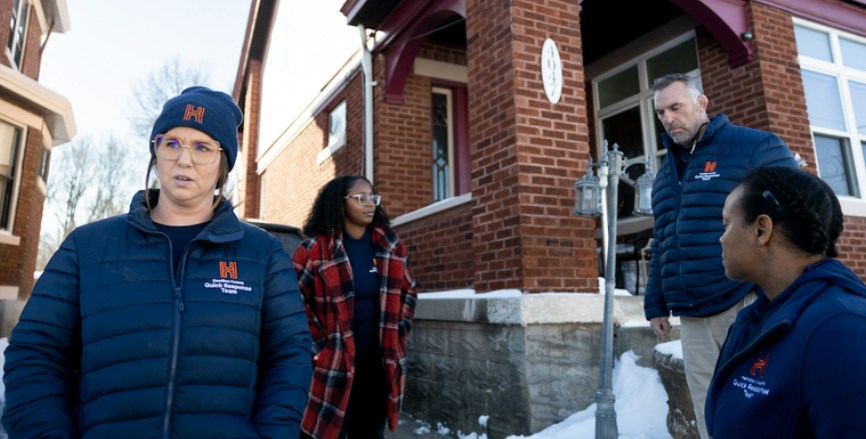
Governor Kathy Hochul on Tuesday announced the release of a new online training for mental health professionals who currently work with or are considering working with first responders such as 911 dispatchers, law enforcement, emergency medical technicians and firefighters. The First Responder Mental Health and Cultural Awareness Training features content on first responder culture, mental health challenges and barriers that may prevent first responders from seeking mental health treatment. The training includes insights from the New York State First Responder Mental Health Needs Assessment championed by Governor Hochul, which included a survey completed by more than 6,000 first responders in New York State. Read more here.
| |
No Pills or Needles, Just Paper: How Deadly Drugs Are Changing
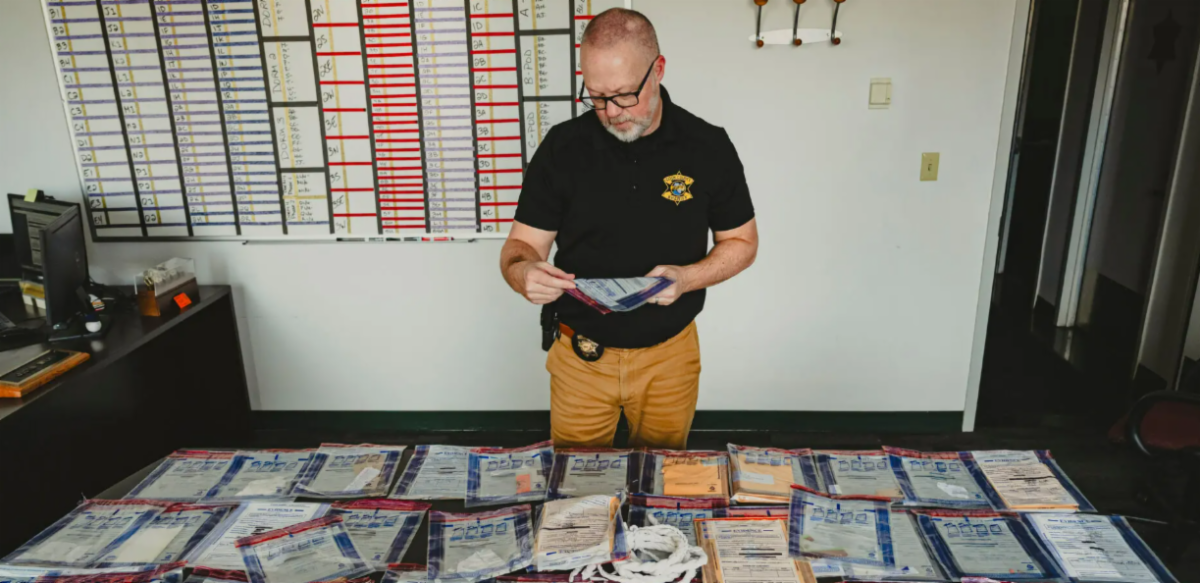
The body lay slumped on the jail floor, curled around a metal toilet. Investigators found no evidence of homicide, just a few scraps of rolled-up paper, singed and scattered on the floor like scorched confetti. For months, inmates had been falling ill at the Cook County jail in Chicago. Officials said they had heard rumors that extremely toxic drugs were infiltrating the facility, delivered on something so ordinary that it seemed impossible to stop. Then the body appeared, and “something clicked,” said Justin Wilks, the head investigator at the jail. The paper itself must be the culprit — and it was deadly. More overdoses soon followed. The next month, in February 2023, another inmate died from smoking paper laced with mysterious new drugs. In April, one more. Read more here.
| |
Drop in Opioid Overdose Deaths Nears 50% Since 2023
Since their peak less than three years ago, opioid overdose deaths dropped nearly by half as of October, according to a Stateline analysis. The drop comes as a shrinking fentanyl supply has made the drug weaker and less deadly and volunteer efforts get more people into treatment. The weaker fentanyl tracks to a crackdown on materials used to make fentanyl in China around the time U.S. deaths started dropping in 2023. Some experts see it as a welcome, but possibly temporary, break for states in a scourge that boosted crime as people who are using the drugs sometimes fall into homelessness and steal to support fentanyl habits. The numbers and rates of opioid overdose deaths fell for all races between 2023 and 2026, according to more detailed data from the federal Centers for Disease Control and Prevention analyzed by Stateline. That’s in contrast to an earlier trend from 2019 to 2023, when rates dropped only among white people and rose sharply among Black and Indigenous Americans. Read more here.
Related: Higher Buprenorphine Doses Help Patients Stay in Opioid Use Disorder Treatment, New Study Finds
| |
Governor Hochul Announces Nation-Leading Initiative to Integrate Firearm Injury Prevention Screening into Hospital Care, Expands Efforts to Promote Safe Gun Storage
Governor Kathy Hochul on March 19 announced the launch of a first-in-the-nation pilot program to integrate firearm access and injury risk screening into emergency department visits, a proactive approach designed to prevent violence before it occurs. A $1.5 million investment from the New York State Office of Gun Violence Prevention will expand the Firearm Injury and Mortality Prevention (FIMP) initiative created by Northwell Health’s Center for Gun Violence Prevention, to Buffalo, Rochester and the Bronx, equipping health care providers with tools to assess firearm injury risk and connect patients with safety resources and interventions. The Governor also highlighted the State’s ongoing efforts to promote safe firearm storage through a statewide gun lock initiative. Read more here.
Related: How to Ask Potential Suicide Victims to Lock or Store Their Guns
| |
SAMHSA Advisory: Expanding Behavioral Health Teams in Care Deserts With Community Health Workers and Peer Support Specialists
This SAMHSA advisory explores innovative, community-driven solutions to close these gaps and improve access to life-saving behavioral health services. One promising way to improve behavioral health care in areas with few services is to add more community health workers and peer support specialists. Millions of Americans live in behavioral health care deserts areas with severe shortages of mental health providers, long wait times, high costs, and other barriers. These gaps leave countless individuals without timely care for conditions like depression, anxiety, and substance use disorders. Read more here.
| |
Optimizing Quality Measures to Advance Behavioral Health Integration
Behavioral health integration (BHI) broadly encompasses efforts to integrate behavioral health and primary care across multiple settings and is commonly viewed as part of a broader behavioral health continuum. These efforts are historically constrained by a fragmented and misaligned quality measurement landscape that can limit effectiveness and efficiency of integration initiatives. When used strategically, quality measurement can accelerate integration, reinforce evidence-based practices, and support value-based payment strategies. In November 2025, NASHP convened an expert roundtable and its Behavioral Health Integration Workgroup to explore how states are selecting, aligning, and applying quality measures to advance integrated behavioral health care and strengthen accountability across delivery and payment systems. Read more here.
| |
Inside the Push to Treat Foster Youth in Families, Not Facilities
Providers who work with foster youth populations say there is a clear, industry-wide shift away from traditional residential treatment as the default for adolescents with complex behavioral health needs.
Traditional residential treatment settings that serve foster youth populations have historically been saturated with allegations of safety and care violations ranging from misuse of restraints to physical and sexual abuse. Legacy providers like Universal Health Services (NYSE: UHS) and Acadia Healthcare (Nasdaq: ACHA) have been under fire in recent years amid journalistic and federal investigations that alleged neglect and harm to foster youth and other patients in their care. The foster care system, similar to behavioral health, is often fragmented and can lead to oversights in care and gaps in getting them connected with the right resources. Children within the foster care system experience mental and behavioral health problems at much higher rates compared to their peers – around 80% of foster youth have significant mental health issues compared to 20% for those not in the system. Read more here.
| |
Recovery Housing: Funding Sources and Financial Sustainability – Insights from NARR-Certified Recovery Residences
Recovery housing has been shown to improve various outcomes such as decreased substance use, reduced likelihood of relapse, lower incarceration rates, higher income, increased employment, and better family relationships. Despite the successes associated with recovery housing, financing is a significant barrier to sustainability. The report discusses an array of recovery approaches and identifies strategies and funding mechanisms to sustain recovery housing as an essential component to support long-term recovery. Read more here.
| |
Non-Doctors Now Handle 40% of Antipsychotic Scripts in Medicare
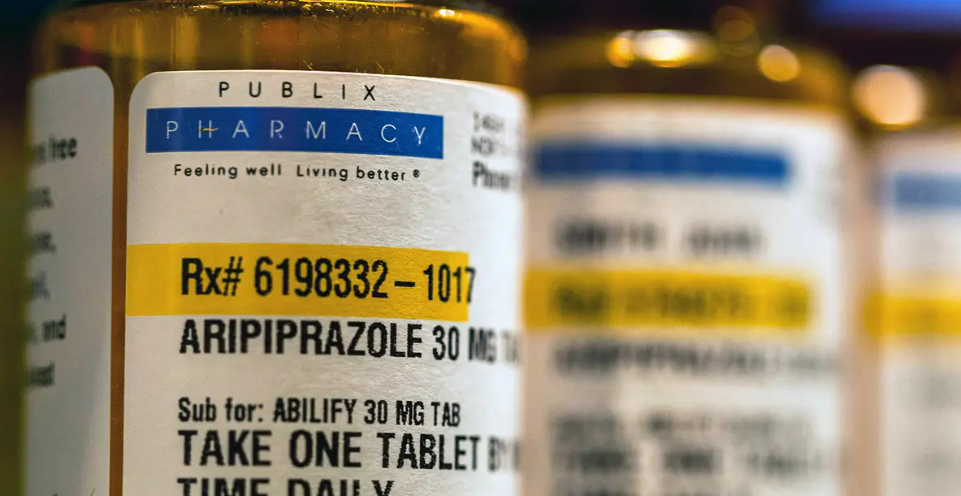
A growing proportion of antipsychotic prescriptions for older adults were written by nonphysician clinicians, reflecting shifts in the mental health care workforce and prescribing practices, cross-sectional data showed. From 2013 to 2023, antipsychotic prescription claims for Medicare Part D beneficiaries written by psychiatrists and primary care physicians (PCPs) declined annually by 3.2% and 2.6%, respectively (P<0.001 for both). Prescriptions from advanced practice registered nurses (APRNs) and physician assistants (PAs), however, rose by 11.8% (P<0.001) each year, reported researchers led by Youngran Kim, PhD, of the University of Texas Health Science Center at Houston, in JAMA Network Open. Read more here.
| | |
UPCOMING EVENTS & TRAININGS
Opportunities to Improve Rural Responses to Opioid Use Disorder and Overdose
March 26, 2 - 3 pm, Foundation for Opioid Response
2026 Working with Addictions Summit - VIRTUAL
March 28 - 29, NAADAC/Mental Health Academy
Filling the Gaps: Eliminating Inequities in the U.S. Opioid and Behavioral Health Response
March 31, 12 - 2 pm, Johns Hopkins School of Nursing
Proceeding with Care: Reconsidering Drug Testing Protocols for Treatment Courts
March 31, 1:30 - 3:30 pm, SAMHSA's GAINS Center
Care Coordination and Referral Partnerships in the Integrated Care Field
March 31, 3 - 4 pm, Center of Excellence for Integrated Health Solutions
Brain Injury 101: Understanding & Identifying Brain Injury
March 31, 10 - 11 am, DOH/OMH/OASAS
Evidence-based Treatment for Stimulant Use Disorder
April 7, 1 - 2 pm, Providers Clinical Support System
Rural Overdose Prevention: What State Policymakers Need to Know
April 9, 2 - 3 pm, National Conference of State Legislatures
Building an Intensive Outpatient Program (IOP) in an OTP Setting: Adapting to the Expanding ASAM Criteria 4th Edition
April 15, 12 - 1:30 pm, NAADAC
Becoming a MHFA Instructor
April 16, 2 - 3 pm, National Council for Mental Wellbeing
Accelerating Reentry: Recidivism Data & A New Roadmap for Success
April 16, 2 - 3:30 pm, SAMHSA's GAINS Center
New York's Healthcare System in the Face of Federal Uncertainty
April 20, 12 - 1 pm, Albany Law School
Brain Injury Treatment: Psychopharmacology & Medical Interventions
April 21, 10 - 11 am, DOH/OMH/OASAS
Workforce Solutions Jam: Extending the Behavioral Health Workforce - Lived Experience as a Resource
April 21, 1 - 2 pm, National Council for Mental Wellbeing
What to Know About H.R.1 and Immigration Restrictions
April 22, 1 - 2 pm, Corporation for Supportive Housing
Ethical Issues and Best Practices in Substance Use Disorder Treatment for Clinical Supervisors, Counselors, and Interns
April 29, 12 - 1:30 pm, NAADAC
9th Annual Older Adult Mental Health Awareness Day Symposium
May 7, 10 am - 5 pm, National Council on Aging
Supporting Individuals Engaged in Opioid Use Disorder Treatment for Peers
May 13, 12 - 1:30 pm, NAADAC
Brain Injury: Practical Strategies for Engagement
May 19, 10 - 11 am, DOH/OMH/OASAS
Essential Clinical and Peer Supervision Practices in Substance Use Disorder Services
June 17, 12 - 1:30 pm, NAADAC
| |
CLMHD CALENDAR
April
Executive Committee Meeting
April 1: 8 - 9 am
Addiction Services & Recovery Committee Meeting
April 9: 11 am - 12 pm
Mental Health Committee Meeting
April 9: 3 - 4 pm
LGU Clinic Operators Call
April 14: 10 - 11 am
Membership Call
April 15: 9 - 10:30 am
Developmental Disabilities Committee Meeting
April 16: 1 - 2 pm
Children & Families Committee Meeting
April 21: 12 - 1:30 pm
May
LGU Clinic Operators Call
May 5: 10 - 11 am
Executive Committee Meeting
May 6: 8 - 9 am
CLMHD Spring Full Membership Meeting
May 11 - 13, Albany, NY
Addiction Services & Recovery Committee Meeting
May 14: 11 am - 12 pm
Mental Health Committee Meeting
May 14: 3 - 4 pm
Children & Families Committee Meeting
May 19: 12 - 1:30 pm
Membership Call
May 20: 9 - 10:30 am
| |