|
Supporting First Responders: Governor Hochul Unveils Findings of New York State’s First Responder Mental Health Needs Assessment
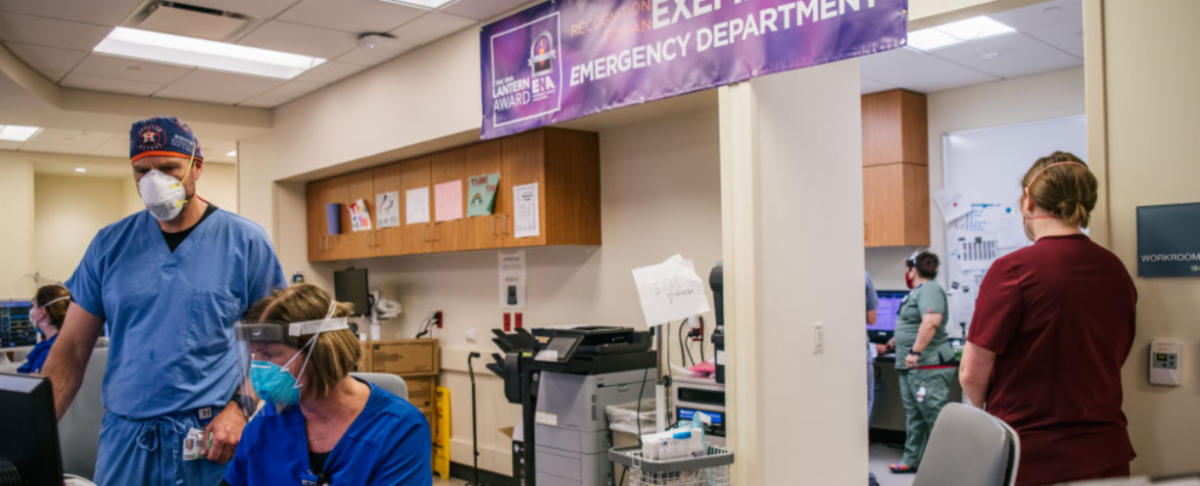
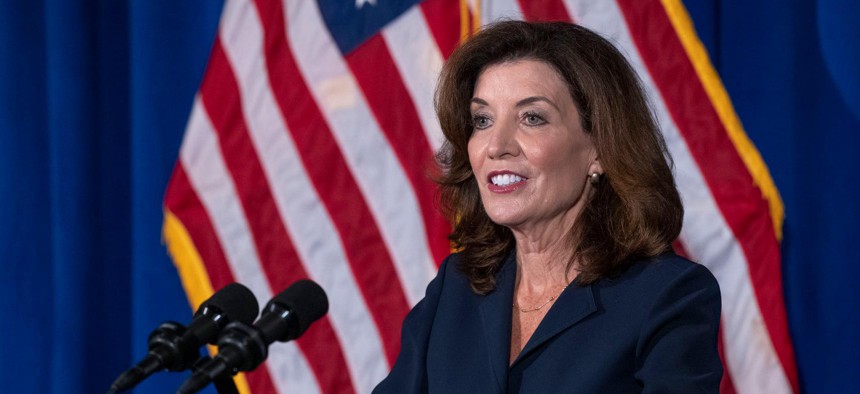
Governor Kathy Hochul on Wednesday unveiled the findings from New York’s first responder mental health needs assessment. The assessment was developed to better understand the mental health-related challenges facing individuals working in public safety fields and strengthen programs and services for these professionals. More than 6,000 individuals in law enforcement, emergency medical services, fire services, emergency communications and emergency management from every region of the State completed a voluntary anonymous survey, and five follow up focus group discussions were held. The assessment showed more than half of the participants experience high levels of stress, burnout, anxiety and depression related to their jobs, and that they may not seek help due to their fear of facing stigma. Read more here.
| |
Attorney General James and Coalition of 22 Attorneys General Celebrate Court Victory Stopping Federal Funding Freeze
New York Attorney General Letitia James and a coalition of 22 attorneys general on Monday celebrated winning a court order halting the implementation of a Trump administration policy that would block many federal agency grants, loans, and other financial assistance programs. On Friday, Judge John J. McConnell of the U.S. District Court for the District of Rhode Island granted a temporary restraining order (TRO) blocking the administration’s illegal funding freeze after Attorney General James and the coalition filed a lawsuit to stop the policy. “The power of the purse belongs to Congress – not the President of the United States,” said Attorney General James. Read more here.
| |
Key Strategies for Strengthening the Behavioral Health Workforce
States are making significant investments to expand access to behavioral health services and address workforce shortages and maldistribution. While strategies to retain the current workforce and cultivate future talent are critical, state policymakers recognize that increasing the number of clinicians, while vital, is part of a multipronged approach to meet the growing mental health and substance use treatment needs of most – especially underserved and at-risk populations. Successfully advancing workforce development strategies to improve supply, distribution and allocation requires collaboration among key partners in the behavioral health ecosystem. To capture this expertise, the National Academy for State Health Policy (NASHP) convened a multi-sector roundtable comprised of policymakers, payors, providers, employers, and individuals with lived experience to explore innovative solutions and identify actionable strategies for strengthening the behavioral health workforce. Read more here.
| |
New York State Department of Health Making Strides To Increase Access to Medications for Opioid Use Disorder Among New York Residents
The New York State Department of Health last Friday announced New York State is making strides to increase access to medications like buprenorphine to treat opioid use disorder among New York State residents. An overdose data-to-action report released this month outlines the impact of these increases and provides recommended actions and resources to state and local community organizations. The data-to-action report is funded by the Centers for Disease Control and Prevention (CDC). "Buprenorphine is a proven, effective medication that is essential in the fight to end the opioid overdose epidemic," State Health Commissioner Dr. James McDonald said. "It's encouraging to see more New Yorkers with access to buprenorphine, but more must be done to reach vulnerable populations and ensure harm reduction services are reaching all communities in New York State. We will continue to work with our state and local partners to develop innovative outreach and further increase access to this lifesaving medication." Read more here.
Related: More New Yorkers are getting scripts for meds to treat opioid addiction. What to know
FDA approves painkiller designed to eliminate the risk of addiction associated with opioids
| |
Since 988 Launch, Mental Health Crisis Services Have Faltered
In July 2022, 988 launched as the number anyone across the country could dial in a mental health crisis. It’s one entryway to a sprawling system of mental health care options, but new research shows that since then, critical crisis services have not become more available — a key objective of the nationwide rollout, designed to strengthen an underfunded, patchwork system that left many people alone in times of crisis. While calls to the national hotline have continued to increase, fewer psychiatric facilities are offering emergency psychiatric walk-in services, mobile crisis response units, and suicide prevention services, according to a study published recently in JAMA Psychiatry. Read more here.
| |
Governor Hochul’s $850 Million Investment Makes New York More Affordable for Developmental Disability Service Providers
Governor Kathy Hochul last Friday announced nearly $850 million dollars in updated reimbursement rates for non-profit residential and day service providers licensed by the New York State Office for People With Developmental Disabilities. The FY 2025 Enacted Budget, combined with additional federal funding, provided for more than $400 million in new resources to be allocated each year for OPWDD’s service providers. Governor Hochul’s FY 2026 Executive Budget continues this investment and will help to fill critical gaps in this workforce while creating new job opportunities. This investment will enable providers to raise wages for their dedicated staff, ultimately making New York a more affordable place to live and work. Our provider industry has faced challenges, and this bold initiative by Governor Hochul demonstrates a commitment to supporting this sector, its hardworking people and the communities they serve. Read more here.
Related: OPWDD Announces $850 Million Dollar Investment in New York’s Developmental Disability Service Providers
| |
‘A Scarlet Letter’: States Aim to End Stigma of Doctors Seeking Mental Health Care
Medical doctors face higher rates of burnout and depression, and are twice as likely to die by suicide compared with the general population. The risks were magnified during the height of the COVID-19 pandemic. But the problem existed long before the pandemic — and it remains. More than 40% of physicians, as well as medical school students and residents, cite fear of disclosure requirements on licensure forms as a main reason why they don’t seek mental health care. That’s according to the American Medical Association, which represents physicians and medical students around the nation. The AMA and other groups have been pushing for legislative and regulatory changes. Read more here.
| |
Will Forcing People Into Mental Health Treatment Help Them?
There are growing numbers of individuals living on the streets. Some, although not all of them, suffer from mental illness. Among people who are housed, serious mental conditions including depression are on the rise. In this atmosphere, more public officials are calling for an increase in the use of involuntary confinement — forcing people into institutional settings to receive treatment. “I’m willing to stand up and say we need to expand involuntary commitment into a hospital to include someone who does not possess the mental capacity to care for themselves,” New York Democratic Gov. Kathy Hochul said during her State of the State address last month. “This is about having the humanity and the compassion to help people incapable of helping themselves." In 2023, California enacted a law to make it easier to force people into treatment against their will. Last year, Democratic Gov. Gavin Newsom convinced voters to approve $6.4 billion in bonds for mental health facilities and supportive housing. “The mental health crisis affects us all, and people who need the most help have been too often overlooked,” Newsom said. “We are working to ensure no one falls through the cracks, and that people get the help they need and the respect they deserve.” Read more here.
Related: N.Y. mental health advocates offer alternative solutions to involuntary commitment
| |
First Certification Program for Recovery Residences in NYS
The New York State Office of Addiction Services and Supports (OASAS) last Friday announced the adoption of a new certification for recovery residences. This is the first recovery support service to be certified in New York State, and allows recovery residences to voluntarily apply for OASAS certification. This new initiative is designed to expand the continuum of recovery supports throughout the state and emphasizes the importance of recovery as an essential service for individuals impacted by addiction. To support these providers and programs, OASAS is offering up to $5 million in one-time funding through the Opioid Settlement Fund. Read more here.
| |
Study Finds Adolescents Spend Nearly 1/4 of School Day on Smartphones
New York Governor Hochul recently released a report, “More Learning, Less Scrolling,” to prohibit smartphone use during the school day. A team of public health and pediatric researchers, led by Lauren Hale of Stony Brook University, are working to understand not just screen time use by adolescents but the duration and content of that use, particularly during school. In a new study that monitored smartphone data, they found that adolescents (aged 13 to 18) spent an average of 1.5 hours each school day on their smartphones. Their findings are highlighted in the JAMA Pediatrics research letter, “Adolescent Smartphone Use During School Hours,” published February 3. “Unfortunately, too much of the existing research on digital media use relies upon self-reported data. In this study, we were able to objectively assess smartphone use, enabling a much more granular understanding of timing and content of smartphone use,” explained Hale, senior author of the letter and professor in the Program in Public Health and in the Department of Family, Population and Preventive Medicine in the Renaissance School of Medicine at Stony Brook University. Read more here.
Related: Governor Hochul’s Op-Ed in amNY: How We Win The War For Our Children’s Attention
Teens on social media: Red, blue and purple states are all passing laws to restrict and protect adolescents
Teen Mental Health App Sent Kids’ Data Straight to TikTok
| |
|
ALLEGANY: 'Harm reduction' vending machine provides free fentanyl test strips, Narcan in Wellsville
CHAUTAUQUA: Care Bags for the Homeless: Chautauqua County Clinicians Take Action
DUTCHESS: Dutchess County Leads State in Addressing Homelessness - Addition of Two Licensed Social Workers further expands services to help individuals move toward permanent housing
ERIE: UB researcher, Western New York agency win $208,000 NIH prize
ESSEX: Essex County sees 'highest number' of overdoses in a single month, health department says
GENESEE/ORLEANS: Q&A with John Bennett, who is leaving UConnectCare to accept regional position
GENESEE: Mental health, substance use remain 'significant' health issues for residents GO Health officials say, encourage completion of health assessment
MID-HUDSON: New York saw homelessness 'surge' in 2024. What it means in mid-Hudson Valley
MONROE: Over capacity, Open Door Mission makes plea on mental health, addiction services
NYC: NYC Health + Hospitals Celebrates 100 Graduates from its Peer Academy to Expand Behavioral Health Workforce
NYC: A look inside NYC’s ‘safe haven’ shelters, an alternative to sleeping in the streets and subway
NYC: Construction Begins For Ogden Theatre Apartments At 1415 Ogden Avenue In Highbridge, The Bronx
NYC: Join the American Foundation for Suicide Prevention in NYC for its 30th Overnight Walk
NYC: Midtown Hub Expands in Hell’s Kitchen to Tackle Drug Use and Safety Concerns
NYC: Involuntary commitments start far more often in NYC's homes than public spaces, data shows
ORANGE: Tautel leads Health & Mental Health Committee
SUFFOLK: First-of-its-kind jail unit in Suffolk County aims to fight human trafficking
WESTERN NY: Venture Forthe cuts two-thirds of city workforce
| |
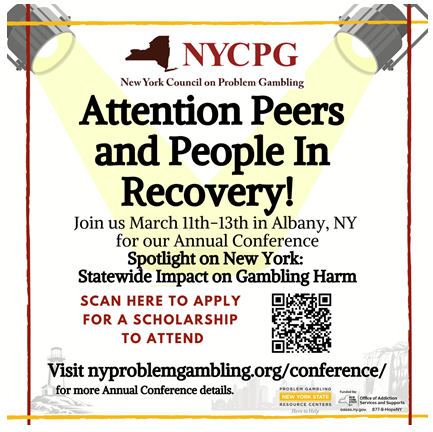
OASAS Launches “Take a Pause” Mobile Sports Wagering/Gambling Campaign
The New York State Office of Addiction Services and Supports (OASAS) announced the launch of “Take a Pause,” a new PSA campaign highlighting the steps New Yorkers can take to understand the risks and ensure responsible gambling, in particular for those who participate in mobile sports betting. The campaign also includes information about where people can find help for themselves or a loved one impacted by, or at risk of developing a gambling problem. The first ad from the campaign is now airing across the state and can be viewed on YouTube. Read more here.
| |
UPCOMING EVENTS & TRAININGS
Funding Opportunities for Your Community in 2025: Community-Based Organizations
February 6, 3 - 4 pm, BJA
Financing Strategies for Community-Based Organizations
February 6, 4 - 5 pm, SAMHSA
Key Considerations in Supporting Parents with Intellectual Disabilities and Specific Learning Disabilities
February 11, 10 - 11:30 am, TTAC
Navigating Concerns on Youth Crime, Violence, and Behavioral Health: 3 Steps to Take Series
February 11, 2 - 3 pm, CSG Justice Center
Trans 101: Creating a Safe and Affirming Environment for Transgender Consumers
February 11, 2 - 3:30 pm, NYSOMH
The Power of Collaboration: Aligning Perspectives to Build with Purpose
February 11, 2 - 3 pm, Behavioral Health Business
Closing the Gap: Training Your Way Out of the Workforce Crisis
February 12, 12 - 1 pm, National Council for Mental Wellbeing
Resolving PTSD Without People Having to Relive Pain
February 12, 3 - 4:30 pm, NAADAC
Sustaining Your CBO Mission: Strategies to Leverage HRSN Services in NY
February 13, 12 - 1 pm, HMA
Supporting African Americans in Treatment and Recovery: Medications for Alcohol Use Disorder (MAUD)
February 13, 3 - 4 pm, PCSS
De-escalation, Basic Tools for Social Workers
February 18, 10 am - 1 pm, NCATTC
Providing Quality Treatment Programming: What It Means to Ensure Fidelity to the Treatment Model
February 18, 2 - 3:30 pm, SAMSA's GAINS Center
Wellness and Resilience in Rural Communities: An Overview of Rural Minds
February 19, 12 - 1 pm, OMH/SPCNY
Overcoming Workforce Challenges in Behavioral Health Care
February 26, 1 - 2 pm, National Council for Mental Wellbeing
Justice Center Code of Conduct Train-the-Trainer Session
February 26, 1 - 4 pm, Justice Center for the Protection of People with Special Needs
Conducting Cultural Assessments: Engaging and Providing Treatment for Justice-Involved Individuals from BIPOC and LGBTQIA+ Communities
February 26, 3 - 4:30 pm, NAADAC
Forging Partnerships Between Schools and the Crisis-Coordinated System of Care
February 27, 2 - 3 pm, SAMHSA
Creating Well-Being: An Introduction to Mental Health and Wellness Initiatives shared by Schools & Mental Health Organizations in New York State
February 27, 3:30 - 4:15 pm, School Mental Health Resource Training Center
Youth and the Legalization of Marijuana
March 12, 3 - 4:30 pm, NAADAC
Mental Health Care in Crisis: What Clinicians and Leaders Need to Know
March 13, 12 - 1:45 pm, NEJM Group
Justice Center Code of Conduct Train-the-Trainer Session
March 26, 1 - 4 pm, Justice Center for the Protection of People with Special Needs
Sequential Intercept Model (SIM) of Peer Support in Criminal Justice
March 26, 3 - 4:30 pm, NAADAC
New York State Behavioral Health Tobacco Summit
April 2, 9 - 4:30 pm, NYSOMH/NAMI-NYS
| |
CLMHD CALENDAR
FEBRUARY
AOT Coordinators Call
February 7: 10 - 11:30 am
LGU Clinic Operators Call
February 11: 10 - 11 am
LGU Billing Staff Call
February 11: 11 am - 12 pm
Addiction Services & Supports (ASR) Committee Meeting
February 13: 11 am - 12 pm
Mental Health Committee Meeting
February 13: 3 - 4 pm
CLMHD Office Closed - Presidents' Day
February 17
Children & Families Committee Meeting
February 18: 11:30 am - 1 pm
Membership Call
February 19: 9 - 10:30 am
Developmental Disabilities Committee Meeting
February 20: 1 - 2 pm
| |