|
Attorney General James Sues Trump Administration for Slashing Youth Mental Health Funding
New York Attorney General Letitia James and 15 other attorneys general sued the U.S. Department of Education (ED) and Secretary of Education Linda McMahon for unlawfully terminating more than $1 billion in bipartisan federal funding for school-based mental health services. Attorney General James and the coalition are challenging ED’s abrupt decision to discontinue funding for two mental health grant programs – the Mental Health Service Professional Demonstration Grant Program (MHSP) and the School-Based Mental Health Services Grant Program (SBMH) – which Congress created in response to the worsening youth mental health crisis and a series of tragic school shootings, including in Parkland, Florida and Uvalde, Texas. The attorneys general argue that ED’s terminations are unconstitutional and ideologically driven, and are urging the court to reinstate the funding and protect the critical youth mental health infrastructure schools have built under these programs. Read more here.
| |
County Gets National Award for ‘Changing Lives and Saving Lives’
Albany County is expanding a program that this week got a national award for preventing drug overdose deaths. The county’s Mobile Outreach Treatment and Overdose Response, known as MOTOR, program, launched in 2020, has received a National Association of Counties 2025 Achievement Award. To curb the opioid and fentanyl epidemic and improve access to behavioral health care, especially in rural areas, MOTOR operates as a mobile clinic. Staff from the county’s mental-health department travel in a van to quickly intervene in a crisis and to offer support through peer specialists and counselors. Read more here.
| |
NYC Hatches New 'Clubhouses' for People with Serious Mental Illness
Robert Zhou, 26, arrived in New York City from the Bay Area a few months ago filled with concerns about his ability to adjust socially and find a job. “ It's definitely overwhelming for someone who has a mental illness,” Zhou said. But on a recent afternoon, Zhou seemed right at home in the common room of a clubhouse called Elements House that opened near the border of Chinatown and the Lower East Side in January, which he says has softened his landing into the city. It’s one of about a dozen clubhouses for people with serious mental illnesses that are opening or expanding across the five boroughs, aided by millions of dollars in new funding from the city health department. At least five additional clubhouses that were at risk of closing after losing health department contracts last year are also still going strong. The City Council renewed their funding in the new budget that took effect Tuesday, further expanding city support for the model. Read more here
| |
The Promise and Challenge of Wrap-Around Services in Behavioral Health Care
Social determinants of health became a hot topic in health care during the COVID-19 pandemic, though health care workers caring for vulnerable populations have long understood the impact of housing, food, social connectedness and occupation on outcomes. For many conditions, especially in the behavioral health space, stability is crucial. Roughly two-thirds of unhoused people have a mental health disorder, according to research published in JAMA. Several providers, both establishment players and newcomers, have tried to establish holistic efforts in caring for their patients. Just one example of this concept is helping members find housing – in some cases even providing housing directly. But providers have struggled to sustain a business model for wrap-around services for both substance use disorder (SUD) and serious mental illness (SMI) care. Read more here.
| |
Disparities in Access to Opioid Use Disorder Medications Persist
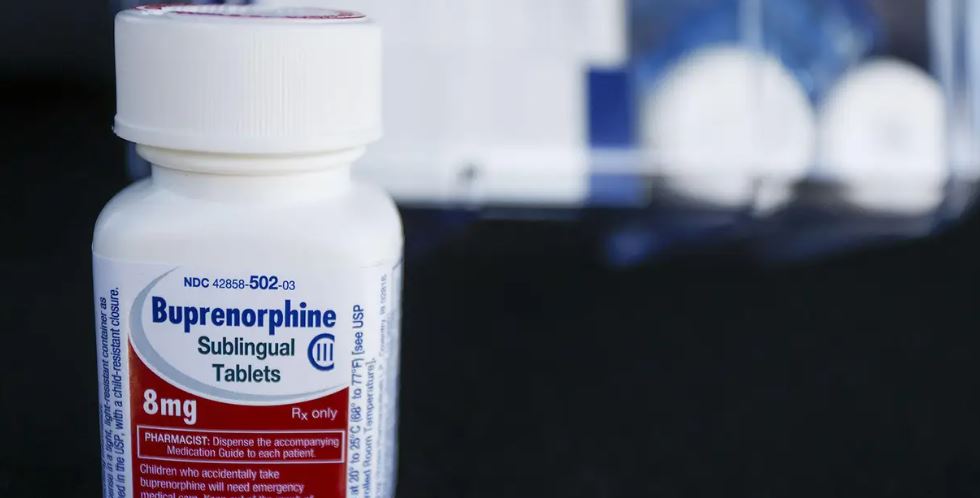
Despite efforts to expand access to medications for opioid use disorder (OUD), disparities by race/ethnicity and insurance type persist, a retrospective cohort study suggested. Among nearly 177,000 index OUD-related healthcare events involving over 164,000 patients from 2017 through 2022, the adjusted estimated probability of receiving buprenorphine was 20.5% for white patients compared with 17.1% for Black patients (adjusted OR 0.75, 95% CI 0.63-0.90) and 16.2% for Hispanic patients (aOR 0.69, 95% CI 0.51-0.92), reported Utsha G. Khatri, MD, MSHP, of the Icahn School of Medicine at Mount Sinai in New York City, and co-authors. In addition, patients with Medicaid (aOR 1.39, 95% CI 1.14-1.69) or Medicare Advantage (aOR 1.40, 95% CI 1.05-1.86) plans were more likely to receive buprenorphine versus those with commercial health plans, they noted in JAMA Network. All patients received naltrexone at similar rates. Read more here.
Related: Female Veterans, Veterans from Racial and Ethnic Minority Groups at Higher Risk of Dying from Opioid Overdose
| |
Mobile Crisis Teams Expand Nationwide, Serving More People Than Ever
A new national report from the National Association of State Mental Health Program Directors Research Institute (NRI) offers an updated snapshot of how Mobile Crisis Teams (MCTs) are being used across the country. Mobile Crisis Teams (MCTs) are now active in 98% of U.S. states, with a total of 1,820 teams responding to both mental health and substance use crises. Between 2022 and 2023, states saw a median increase of 68% in individuals served by MCTs, with 40 states reporting growth in the number of people reached. These teams typically include a licensed clinician paired with a peer specialist or first responder, and they resolve nearly half of dispatches during the initial encounter. Read more here
| |
Coordinating Medicaid Health-Related Social Services Through Community Care Hubs
Community-based organizations (CBOs) play a vital role in addressing non-medical needs and improving health outcomes through trusted, local services. As states increasingly partner with CBOs, many are turning to network models led by community care hubs (CCHs) to streamline coordination, referrals, and contracting with health systems and managed care organizations. These networks vary in focus and scope but aim to reduce administrative burdens and expand impact. A new brief from the Center for Health Care Strategies highlights how New York, North Carolina, and California are incorporating CCHs into Medicaid delivery systems, outlining key strategies for effective implementation and scalability. Read more here
| |
Rethinking PTSD Care Models as Demand for Services Grows
The days of Post-Traumatic Stress Disorder (PTSD) being affiliated primarily with veterans are long gone. More Americans – particularly college-age individuals – are receiving the diagnosis, driving up demand for services. Though providers have seen an increase in PTSD diagnoses across all patient populations. “Even though we have traditionally seen and conceptualized PTSD as something related to veterans and combat trauma, what we are noticing is that civilian trauma now dominates this landscape,” Dr. Ujjwal Ramtekkar, chief medical officer at LifeStance, told Behavioral Health Business. “That is reflected across all of our service lines across pretty much all of our age groups, and then across all of our geographies.” Read more here.
| |
New Resource Guide for Suicide Prevention in Clinical Settings
The Suicide Prevention Resource Center (SPRC), based at the University of Oklahoma Health Sciences Center and supported by SAMHSA, has released a new Resources for Clinical Practice guide to help providers strengthen suicide prevention efforts across health care settings. The searchable collection includes tools and best practices for use in primary care, emergency departments, inpatient units, and crisis response programs. Read more here
| |
The 2025 Summer Heatwave: Implications for Patients With Psychiatric Disorders
Although the song states "Summertime and the living is easy," the extreme heat associated with summertime can be troublesome for patients with psychiatric disorders, Rebecca Barbee, PA-C, CAQ-Psych, told
Psychiatric Times in an exclusive interview. Barbee, a physician assistant at Southlake Psychiatry in Davidson, North Carolina, shared tips on how to approach the topic of extreme heat to prepare patients and their caregivers so they can enjoy summertime. For instance, she likes to remind patients that psychiatric medications may make it more difficult to regulate body temperature, making patients more sensitive to extreme heat. “Psychiatric medications can either make us sweat to excess, reduce our ability to sweat, or even indirectly affect our body's thermostat,” Barbee said she tells patients. “The hypothalamus is our body's thermostat, and a lot of the neurotransmitters that we are touching on and working on in psychiatry affect the hypothalamus.” Read more here.
Related: Extreme heat complicates homeless outreach in NYC
| |
HBO Documentary Highlights An Innovation In College Mental Health
According to a 2025 report by Statista, almost 10% of college students receiving mental health care were hospitalized from 2023 to 2024. Hospitalizations are, sometimes, a necessary component of college mental health. For example, an hour-long therapy session, once a week at a campus counseling center, is likely not enough to treat students with intense thoughts/ gestures about suicide. However, there are unique considerations when a traditional-aged college student is admitted into a standard inpatient treatment program. The young adult might be required to attend groups with significantly older members who have vastly different life experiences, the student will likely disconnect from school and may not have academic support, and some students/families have a negative stigma about hospitalizations and doubt that it can be helpful. Last year, HBO premiered a two-part documentary titled “One South: Portrait of A Psych Unit,” to provide an intimate look at how a hospital addresses these concerns. The subject of the documentary was Northwell’s Zucker Hillside Hospital, and it’s one of the only inpatient psychiatric units in America dedicated to treating college students. Read more here.
| | |
UPCOMING EVENTS & TRAININGS
Bebe Moore Campbell National Minority Mental Health Month Symposium "Uncertain Times: Caring For Your Mental Health"
July 8, 1 - 2 pm, Bebe Moore Campbell National Minority Mental Health Task Force
Cultivating the Village: A Discussion on Suicide Prevention with Youth of Color
July 9, 12 - 1 pm, W Forefront Suicide Prevention
Next Steps for Cultural Responsiveness in Ethical Decision-Making
July 9, 12 - 1:30 pm, NAADAC
Re-entry Rethought: How Medicaid Can Strengthen Reentry and Reduce Recidivism
July 9, 2 - 3 pm, NAMI
The CCBHC Effect: Expanding Access, Elevating Outcomes
July 9, 2 - 3 pm, National Council for Mental Wellbeing
Social Care Networks: Opportunities for Provider Participation and Impact
July 14, 11 am - 12 pm, NYS DOH
Peer Connections Office Hours - Navigating Difficult Conversations
July 14, 2 - 3 pm, National Council for Mental Wellbeing
Intersections of Methamphetamine-Induced Psychosis and Schizophrenia Spectrum Disorders
July 14, 2 - 3 pm, National Council for Mental Wellbeing
Schools on the Frontline: Early Identification, Intervention, and Support
July 14, 2:30 - 4 pm, National Council for Mental Wellbeing
AI for Good? Expanding Our Understanding of Opinion Leaders in A Changing Digital Landscape
July 15, 12 - 1 pm, NYSPHA
Medicaid Innovation in Improving Access to Behavioral Health Care
July 15, 1 - 2:15 pm, Center for Health Care Strategies
DSM-5 TR and Substance Use Disorders
July 15, 1 - 3 pm, Great Lakes ATTC
Beyond the Stages: Affirming and Supporting Grief in Youth and Families
July 15, 1:30 - 3 pm, NTTAC
Extreme Risk Protection Orders: An Implementation Introspection
July 15, 2 - 3 pm, Rockefeller Institute of Government
Neurobiology and Recovery: Addressing Nicotine Use Among Individuals with Serious Mental Illness
July 15, 3 - 4 pm, UCSF
Behavioral Pharmacology of Cannabis: Trends in Use, Novel Products, and Impact
July 15, 3 - 4:30 pm, SAMHSA
Preventing Substance Use Among Young Adults with Disabilities
July 16, 12 - 1:15 pm, Great Lakes ROTA-RC
Injuries of Unknown Origin (Virtual)
July 17, 11 am - 12 pm, NYS Justice Center
Patient Treatment Preferences in Bipolar-I Disorder: Are We Really Listening?
July 23, 12 - 1 pm, PsychU
Breaking the Cycle: Interrupting Intergenerational Trauma in Substance Use Disorders
July 23, 12 - 1:30 pm, NAADAC
The Impact Of Adherence In Patients With Bipolar I Disorder
July 24, 12 - 1 pm, PsychU
Aging and Addiction: Clinical Strategies for Supporting Older Adults with OUD and SUDs
July 30, 12:30 - 2 pm, NAADAC
How Humor Helps: Applying Humor With Stress
July 31, 11 am - 12:15 pm, Great Lakes ROTA-RC
Crisis Intervention Teams: Partnering with Families of Loved Ones with Serious Mental Illness and Serious Emotional Disturbance
August 6, 2 - 3 pm, SAMHSA
From Crisis to Care: How CCBHCs are Revolutionizing MOUD Access
August 14, 3:30 - 4:30 pm, National Council for Mental Wellbeing
Peer Connections Office Hours - Co-Instruction Best Practices
August 18, 2 - 3 pm, National Council for Mental Wellbeing
Substance Use and Psychiatric Care: Bridging the Divide for Whole-Person Treatment
August 18, 2:30 - 4 pm, National Council for Mental Wellbeing
Suicide and Substance Use Disorders: A Current Epidemic
August 20, 12 - 1:30 pm, NAADAC
Toward Whole-Person Care: Integrated Substance Use and Primary Care Integration
September 8, 2:30 - 4 pm, National Council for Mental Wellbeing
Mental Health Awareness: Shedding Light on the Interplay between Suicide & Stigma
September 10, 12 - 1 pm, PsychU
| |
CLMHD CALENDAR
JULY
CLMHD Office Closed - Independence Day
July 4
LGU Clinic Operators Call
July 8: 10 - 11:30 am
Addiction Services & Supports (ASR) Committee Meeting
July 10: 11 am - 12 pm
Mental Health Committee Meeting
July 10: 3 - 4 pm
Children & Families Committee Meeting
July 15: 11:30 am - 1 pm
Membership Call
July 16: 9 - 10:30 am
Mental Hygiene Planning Committee Meeting
July 26: 1 - 3 pm
AUGUST
Quarterly LGU Billing Staff Call
August 5: 11 am - 12 pm
CLMHD Executive Committee Meeting
August 6: 8 - 9 am
LGU Clinic Operators Call
August 12: 10 - 11:30 am
Addiction Services & Supports (ASR) Committee Meeting
August 14: 11 am - 12 pm
Mental Health Committee Meeting
August 14: 3 - 4 pm
Children & Families Committee Meeting
August 19: 11:30 am - 1 pm
Membership Call
August 20: 9 - 10:30 am
Developmental Disabilities Committee Meeting
August 21: 1 - 2 pm
| |