Inaugural Edition of the
Office of Special Education Newsletter
| |
Latest Guidance from the OSE
Pre-Employment Transition Services (Pre-ETS) for Students with Disabilities
The New York State Education Department (NYSED) Office of Special Education and ACCES (OSEA) has issued the Pre-ETS policy brief to remind school districts of the importance of interagency collaboration between special education and vocational rehabilitation (VR) to support the post-secondary employment goals of students with disabilities.
| |
Did You Know?
Mediation can be a powerful tool for resolving Special Education disputes. It’s free, typically leads to faster outcomes, and has a strong track record—more than 73% of cases result in successful agreements.
| | | |
Unit Highlight
Meet the Due Process Unit
The Due Process Unit (DPU) team is tasked with monitoring all due process complaints filed in New York State (roughly 20,000 +/- annually!). The DPU monitors compliance timelines and adherence to regulatory requirements and provides technical assistance to parents, school districts, impartial hearing officers (IHO), and other stakeholders.
| |
The DPU works to ensure students with disabilities and families in New York State have access to timely due process and that parents, and other family members, are engaged as meaningful partners in the special education process and the education of their child. In addition to monitoring due process complaints, the DPU assists with the investigation of section 200.21 IHO complaints and maintains two web applications: the Impartial Hearing Reporting System (IHRS) and Extension Reporting Application (ERA). The DPU also posts and redacts all finding of facts and decisions issued by IHOs (approximately 10,00 per year), monitors set-aside state complaints, and manages two contracts: IHO training and Special Education Mediation.
One of our goals at the DPU is to increase the utilization of Special Education Mediation Services across New York State. Mediation is a free, voluntary and confidential process that can help families and schools collaborate, maintain positive relationships, and reach their own agreements that best support the child's well-being and educational success. Mediation is an effective option with successful outcomes in more than 73% of cases, and rising.
In October 2024, The Office of Special Education established the Special Education Dispute Resolution Center (SEDRC). Parents and districts are encouraged to contact the SEDRC for help with initiating the mediation process.
In addition, please do not hesitate to refer any questions or concerns specific to due process complaints and/or special education mediation to the DPU team at SPECEDIH@nysed.gov or (518) 473-0170.
| | |
Commissioner's Advisory Panel News
States are required by the Individuals with Disabilities Education Act (IDEA) to have an advisory panel for special education. The Commissioner’s Advisory Panel for Special Education Services (CAP) serves in this capacity for New York State and is managed by the New York State Education Department's Office of Special Education. Among many of CAP's functions are to 1. advise the Governor, the Legislature, and the Education Commissioner of unmet needs within New York State in the education of children with disabilities and 2. comment publicly on any rules or regulations proposed for issuance by the Commissioner regarding the education of children with disabilities.
51%+ of the CAP members must be individuals with disabilities or parents of children with disabilities. Members are appointed to a three-year term by the Commissioner of Education to represent a specific constituency.
For more information on the various eligible constituencies, read more here:
On May 29 and 30, 2025, the Office of Special Education hosted the latest Commissioner's Advisory Panel. On day one, the panel presented Commissioner Rosa with three questions.
#1 What actions and initiatives are NYSED taking to address shortages, specifically special education teacher shortages, teacher certification, and related service provider certification pathways, and the continuum of placement availability?
#2 What is NYSED’s response to recent executive orders issued by the President to ensure students with disabilities receive a Free Appropriate Public Education?
And #3 How does NYSED support streamlining the continuity of services throughout transitions?
Commissioner Rosa, NYSED's Leadership team, and CAP members discussed these topics in depth. The Office of Special Education Units then provided updates: Policy Unit shared updates on IDEA School District Determinations and the NYSAA% Tier 1 Activities; Preschool Policy shared updates on the new Parent Guide and EI to CPSE Transition Guide; and Due Process shared a presentation on Special Education Mediation and the Special Education Dispute Resolution Center (SEDRC).
On day two, CAP Members received updates from State Agency Representatives, and Subcommittee members made recommendations related to unmet needs within New York State in the education of students with disabilities.
| | | |
Youth Advisory Panel News
The Youth Advisory Panel (YAP) consists of 10 to 15 youth who are currently attending high school and are receiving special education services through an individualized education program.
YAP was established to advise the OSE on proposed policies related to the education of students with disabilities. Panel members engage in facilitated discussions with NYSED staff on policy issues relating to the education of students with disabilities, and share their concerns and recommendations for future policy consideration. Their participation serves to advise NYSED from a first-hand perspective on ways to improve the quality of special education services and student outcomes.
Nominations for membership are accepted on an ongoing basis and kept on file for any available openings for as long as the student remains eligible. A youth may be nominated by a parent, teacher, employer, or other adult familiar with the individual. Youth who are 18 years of age or older may nominate themselves. Members are appointed for a two-year term and the YAP meets virtually three times per year via Zoom.
At the YAP meeting on May 14, 2025, participants gathered to discuss the topic of bullying in schools-- the definition, the four types of bullying, its impact on students, and how districts can respond appropriately. YAP participants were welcomed by Deputy Commissioner Ceylane Meyers-Ruff, Associate Commissioner Christopher Suriano, Chief of Special Education Services Eileen Borden, and meeting hosts from the OSE Policy Unit. YAP members discussed various bullying scenarios and emphasized the importance of advocacy and creating an action plan to address bullying. Participants met again on October 15, 2025, on the topic of the Cell Phone Ban in Schools.
Here are some resources on the topic of bullying in schools:
| | |
Classroom Spotlight
Averill Park Central School District
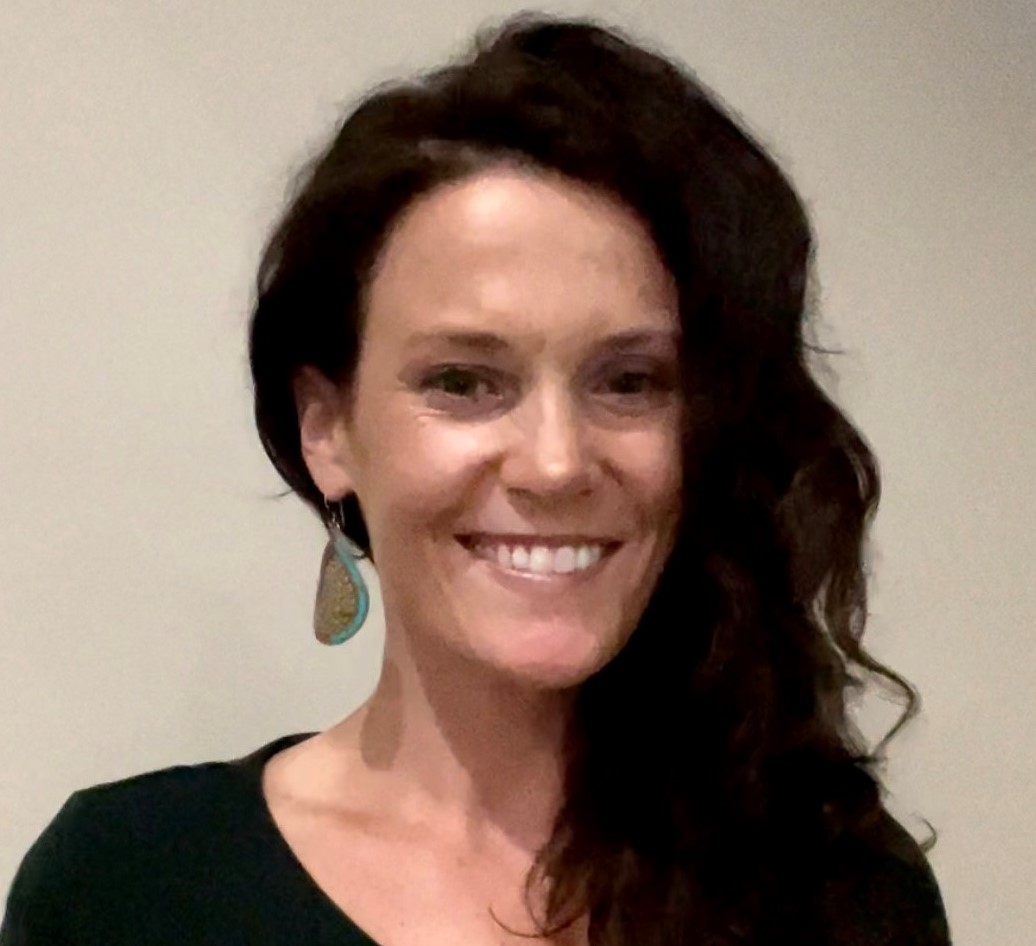
Kateri Rhatigan, Special Education Teacher and Certified Yoga Therapist
| | | | | |
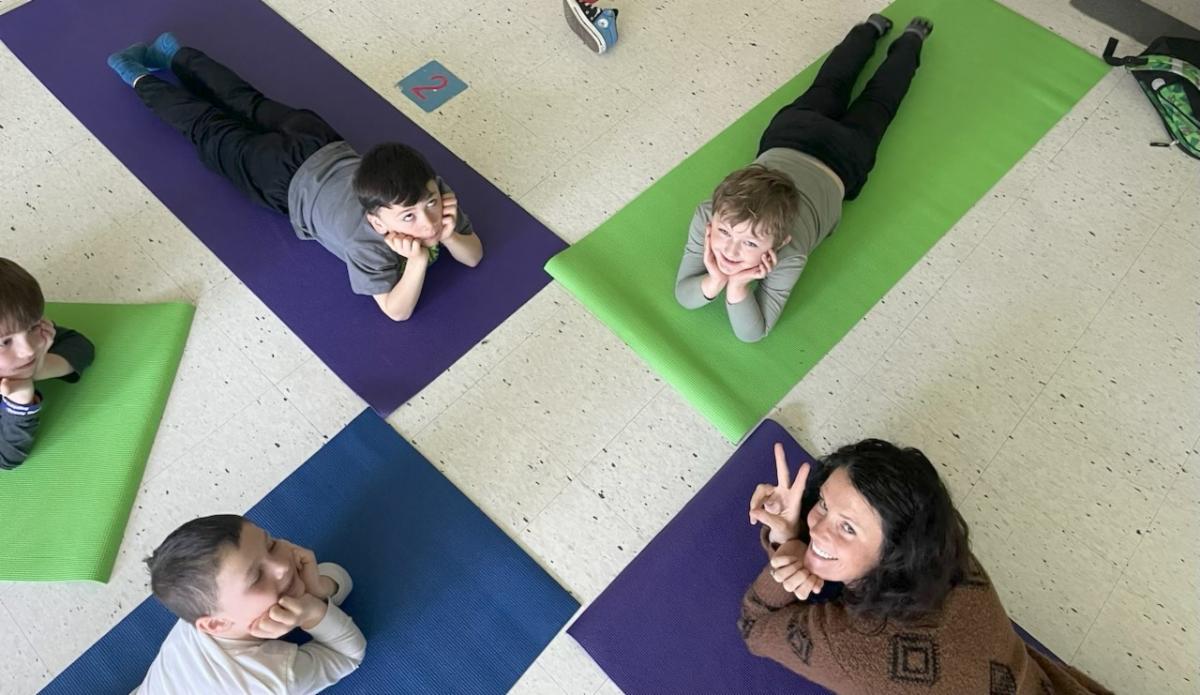
At Poestenkill Elementary School, Kateri Rhatigan’s 1–3 special education class is rooted in mindfulness, movement, and inclusive practices that support every learner's academic and emotional growth. Ms. Rhatigan's nurturing and responsive classroom incorporates calming visuals, lighting, flexible seating, yoga-based movement, and daily mindfulness routines to create a peaceful environment where students feel safe, supported, and ready to learn.
| | |
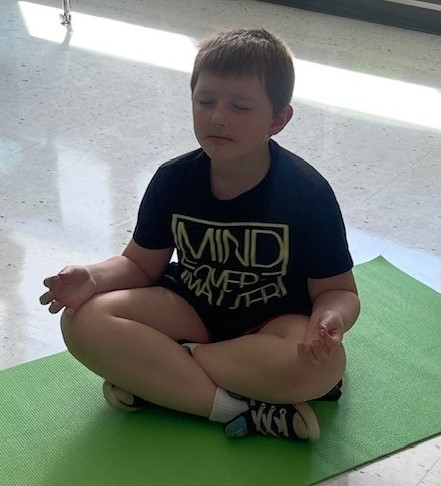
A favorite morning meeting moment captured in the photo shows a student practicing meditation— eyes closed, body calm, and mind focused-- reflecting the class commitment to beginning each day with mindfulness and peace. Through consistent use of positive behavioral supports, community-building, and self-regulation strategies, Ms. Rhatigan's students have grown in confidence and independence.
Since the launch of this class program last year, four of her students have successfully integrated into general education classes full-time— a milestone that reflects not only her students’ individual progress but also the strength of an inclusive, whole-child approach. Ms. Rhatagan's classroom is more than a learning space; it’s a community where mindfulness meets academic rigor, and every child is empowered to thrive.
| |
Do you have a school or classroom program you would like us to spotlight in the OSE newsletter?
Classroom Spotlight Opportunity
The Office of Special Education is looking for best practices from districts, BOCES, and Approved Private School Special Education classrooms to spotlight throughout the year. If you are interested in sharing a success story in any of the following areas, please submit your story via email to the Office of Special Education at SPECED@nysed.gov.
- Building classroom community
- Differentiated instruction
- Diversity, equity, and inclusion in the classroom
- Mindfulness and Positive Behavioral Supports
- Anything the district is inspired to share with the field
You will need to include the following information in your submission:
-
Subject: Special Education Classroom Spotlight Submission
- Local Education Agency Name
- Teacher Name
- Photo of the best practice in action
- 1-2 paragraphs describing the best practice and highlighting any results since its implementation.
| | |
New York State School for the Blind
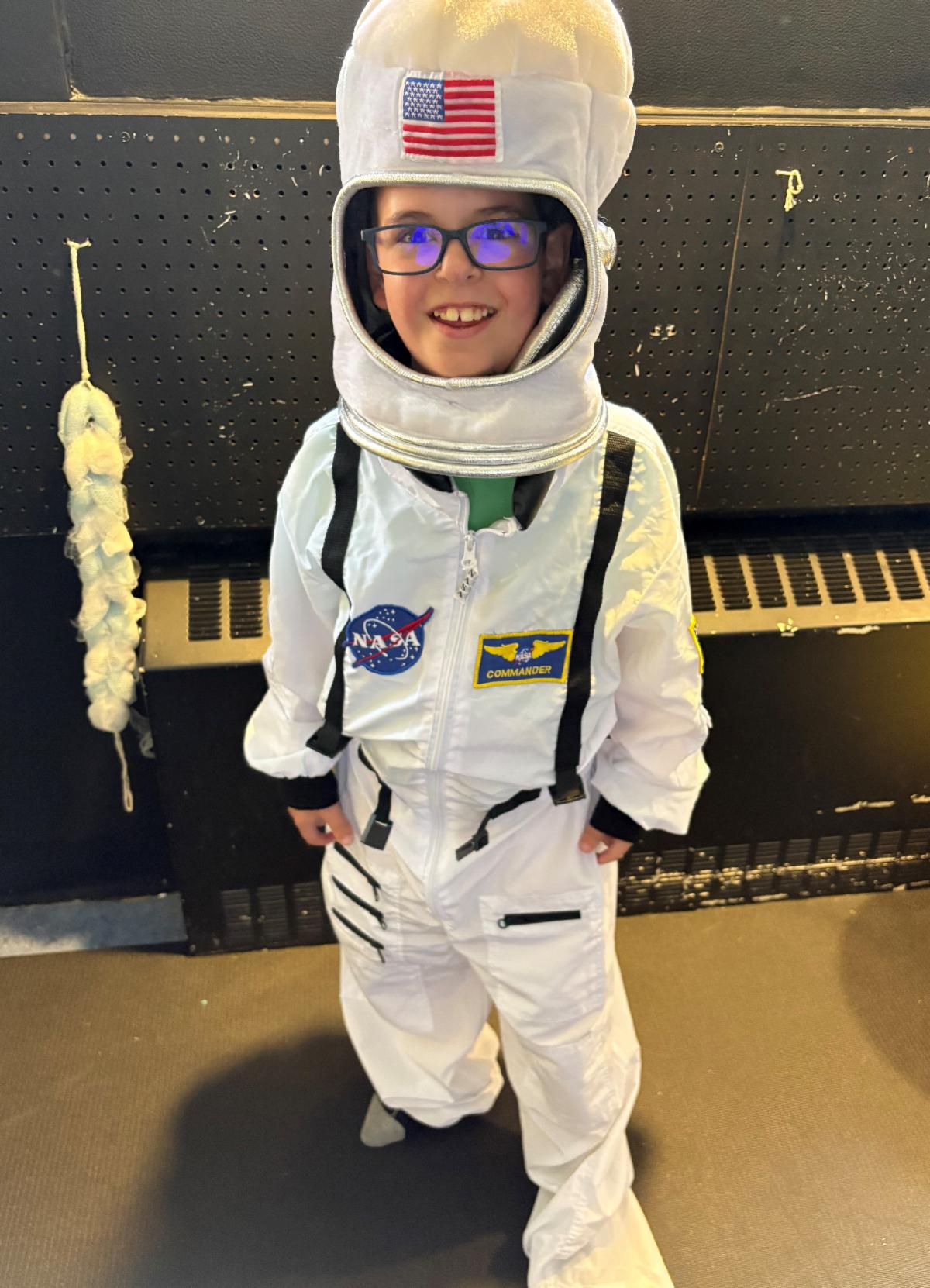
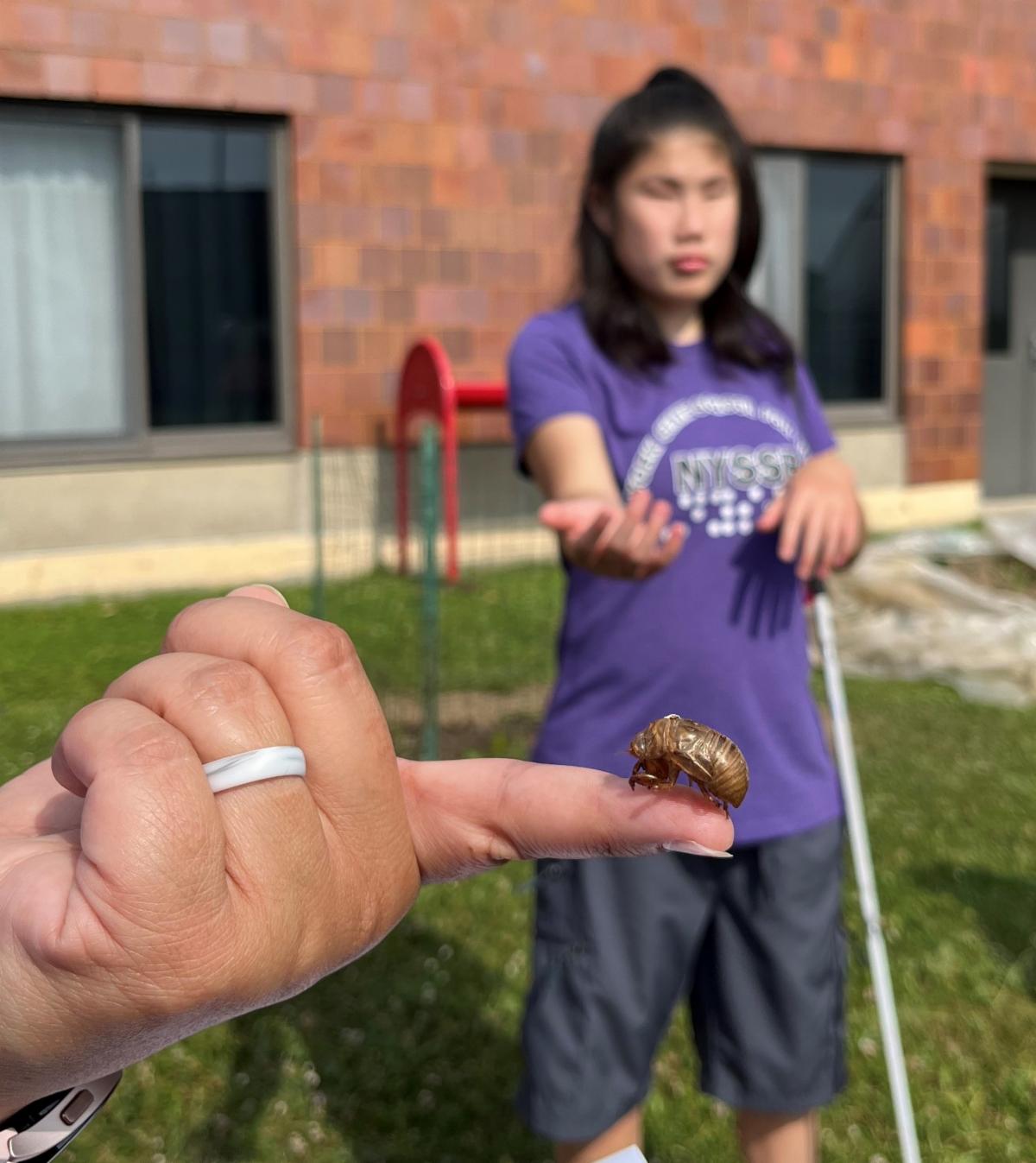
While the 2025-2026 school year is just getting underway, let’s look back at some summer highlights from the New York State School for the Blind (NYSSB). Summertime at NYSSB means students engage in a variety of fun and meaningful experiences that support their personal growth, independence, and career readiness.
This summer, students had opportunities to participate in real-world work experiences through partnerships with the Visually Impaired Advancement (VIA). They were able to sharpen their hands-on skills at several local businesses such as Supercuts, Batavia YMCA, and local grocery stores. These work experiences allowed students to hone their work and career readiness skills, such as resume writing and job search preparation.
While some students were out in the local community, others at the NYSSB participated in on-campus vocational activities to develop their pre-vocational and life skills. Students performed various school jobs such as gardening, preparing food, and various life skills and household tasks.
Summer at NYSSB also balanced work with fun! Students played trivia games, danced, swam, sang karaoke and went on local field trips. Through student-led “bucket list” activities, students were able to enjoy adventures such as flower art, scavenger hunts, field day, and social events with community guests. We have so many memories from the summer of 2025 and we're ready for another great year.
| | |
The 2025 Extended School Year program at New York School for the Deaf (NYSSD) theme was "Summertime Fun in the Community." In addition to focusing on their ELA, Math, Speech and Language, OT, PT, and Physical Fitness skills, students from PreK to 11th grade enjoyed engaging in a number of activities.
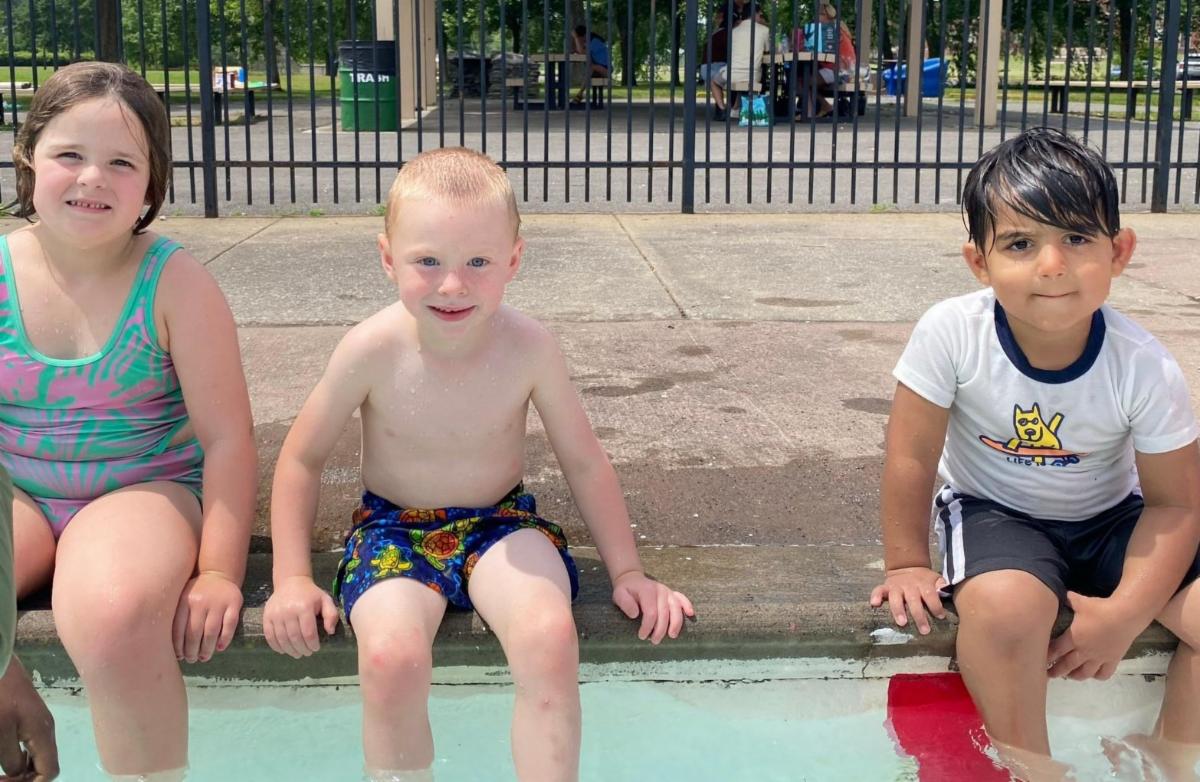
Swimming at our indoor pool, a community park wading pool, and Delta Lake State Park were always popular. Each week included "Lemonade on the Lawn" at our local library, where stories were read aloud and signed in ASL.
Students also had the opportunity to visit a horticultural farm and pick their own blueberries. History was explored at the Erie Canal Landing Boat Museum, where younger students had the unique experience of watching a performance by Morris Dancers, while older students built bluebird houses and fished with the assistance of two New York State Office of Parks, Recreation, and Historic Preservation educators.
Visits to the New York Power Authority's "Energy Zone," the Utica Zoo, the Oneida County Cooperative Extension's exhibits, and the Fort Rickey Discovery Zoo provided interactive STEAM activities that thoroughly engaged students.
NYSSD would like to thank all of these wonderful sites for making our ESY program such an exciting and enriching time for us.
| | |
The Educational Partnership is funded by the New York State Education Department Office of Special Education in order to implement the 'Individuals with Disabilities Education Act' and the 'Blueprint for Improved Results for Students with Disabilities.' It is comprised of Regional Teams and Technical Assistance Partnerships across New York State. There are 12 Educational Partnership regions that each contain two Centers that are listed below. New York City has two Centers in each of its boroughs. Regional Teams serve local communities, and Technical Assistance Partnerships provide support to the Regional Teams.
-
Regional Partnership Centers (RPCs) are comprised of a multi-disciplinary team of Specialist groups that engage in systems change work, providing a variety of supports to families, education professionals, and other interested parties.
-
Family and Community Engagement (FACE) Centers engage in systems change work, providing support and training to families, education professionals, and other interested parties. Each center has an Early-Childhood and School-Age team. The Early-Childhood team serves birth through grade three, and the School-Age team serves ages 5 to 21.
A Technical Assistance Partnership (or TAP) is a funded contract located within an institution of higher education that provides tools and resources for families and professionals, and provides direct support to the Regional Teams.
-
The TAP for Academics at the University at Albany, SUNY, provides instruction to Regional Teams on literacy and specially designed instruction.
-
The TAP for Behavior at the University at Albany, SUNY, provides instruction to Regional Teams on behavior theory and concepts.
-
The TAP for Equity at New York University provides instruction to Regional Teams on bilingual special education and culturally responsive-sustaining education.
-
The TAP for Data at Cornell University’s ILR School provides instruction to Regional Teams on data-based decision-making.
-
The TAP for Transition at Cornell University’s ILR School provides instruction to Regional Teams on transition services
| |
Not Subscribed to the OSE Newsletter yet? | | | | | |
We’d love your input!
Which areas of Special Education would you like to learn more about or see featured in future newsletters?
| |
| Let us know by selecting the option that interests you most. | | | |
OSE Leadership
Ceylane Meyers-Ruff, Special Education and ACCES Deputy Commissioner
Christopher Suriano, Office of Special Education Associate Commissioner
Caralee Kardash, Director of Special Education Services
Eileen Borden, Chief of Special Education Services
Kathy Cummings, Chief of Special Education Services
Marie Proudman, Chief of Special Education Services
Suzanne Bolling, Assistant Counsel
| | | | |