Office of Special Education Newsletter
| |
NYSED Office of Special Education
Unit Highlight:
Meet the Policy Unit
What We Do:
The Policy Unit, an integral unit within the Office of Special Education, develops special education regulation and policy that establishes the legal framework needed to promote equity and opportunity for all students with disabilities. Its work ensures that policies and procedures are established for students with disabilities to meet the educational standards established for all students while being educated in the least restrictive environment. The Policy Unit represents the Office of Special Education on several intra-agency workgroups, such as the Developmental Disabilities Planning Council and the State Rehabilitation Council.
The Policy Unit’s main functions are to:
- develop and oversee implementation of federal and state laws and policies that conform to federal and state statutes and regulations relating to students with disabilities;
- develop and revise policy memoranda, items presented to the Board of Regents, and guidance documents for families, educators, administrators, and stakeholders; and
- coordinate the submission of the annual State Performance Plan/Annual Performance Report and Part B Application.
The Policy Unit provides technical assistance to families, educators, school administrators, and other stakeholders by responding to inquiries about special education topics as varied as:
- assistive technology
- positive behavioral interventions
- continuum of special education services
- graduation requirements for students with disabilities
- individualized education program (IEP) development and implementation
- testing accommodations
- transition services
Some of what we oversee:
How to Contact Us:
If you would like to contact the Policy Unit, you can reach us by
| | |
Upcoming Events, Dates, and Deadlines for
School Districts
Information and Reporting Services (IRS) Certification and Due Dates At‐A‐Glance for the 2025‐2026 School Year
Explore OSE Educational Partnership Regional Learning Opportunities
Each Regional Partnership Center (RPC) and Family and Community Engagement (FACE) Center across New York State offers a wide range of regional learning opportunities designed to support educators and families of students with disabilities. These regional learnings reflect local needs and priorities and include professional development sessions focused on improving equity, access, opportunities, and outcomes for all students with disabilities in New York State.
We encourage educators, families, and community partners to explore what’s available in their area by browsing upcoming events by region. Visit OSE Education Partnership Events to view current and upcoming offerings and register for events that best meet your interests and needs.
| |
Commissioner's Advisory Panel News
States are required by the Individuals with Disabilities Education Act (IDEA) to have an advisory panel for special education. The Commissioner’s Advisory Panel for Special Education Services (CAP) serves in this capacity for New York State and is managed by the New York State Education Department's Office of Special Education. Among many of CAP's functions are to 1. advise the Governor, Legislature, and the Education Commissioner of unmet needs within New York State in the education of children with disabilities and 2. comment publicly on any rules or regulations proposed for issuance by the Commissioner regarding the education of children with disabilities.
51 percent of the CAP members must be individuals with disabilities or parents of children with disabilities. Members are appointed to a three-year term by the Commissioner of Education to represent a specific constituency.
For more information on the various eligible constituencies, you can read more here:
On March 19 and 20, 2026, the Office of Special Education hosted the Commissioner's Advisory Panel (CAP). On day one, CAP members heard Office of Special Education (OSE) updates from NYSED Associate Commissioner Christopher Suriano. Updates included the LEA IDEA Determination Timeline, reminders about the August 2023 Behavioral Supports and Interventions Regulations, and the Memo on Elopement and Wandering. Associate Commissioner Suriano talked about the latest NYSED budget and new laws for students with Dyslexia and Dysgraphia.
CAP members were then given the opportunity to review Proposed Changes to Special Education Teacher Preparation Regulations presented by Laura Glass, Assistant Commissioner, NYSED Office of Education Policy, specifically around Literacy coursework and clinical experience requirements.
OSE Leadership presented on the latest State Performance Plan (SPP)/Annual Performance Report (APR) Stakeholder Engagement data, which was followed by a large group discussion on the topic, Preschool Policy Updates, and Subcommittee work time.
On day two, State Agency Representatives from the Adult Career and Continuing Education Services-Vocational Rehabilitation (ACCES-VR), the Department of Health (DOH), Bureau of Early Interventions (EI), the Office of Mental Health (OMH), and the Office of Children and Family Services (OCFS) provided overviews and updates on the services and supports provided to children with disabilities and their families in New York State.
OSE Leadership presented an overview of Behavioral Supports and Interventions and the Annual State Application Under Part B of the Individuals with Disabilities Education Act for Federal Fiscal Year 2026; and Subcommittee Chairs from the three subcommittees: School Age, Family Engagement, and Preschool shared out on the work being done within their subcommittees.
As the meeting concluded, CAP members submitted questions for Commissioner Rosa, who will attend the May CAP meeting, and were thanked for their high level of commitment and support.
CAP members will attend monthly remote subcommittee meetings until their next
in-person meeting at the State Education Building on May 12 and 13, 2026.
| | | |
Youth Advisory Panel News
The Youth Advisory Panel (YAP) consists of 10 to 15 youth who are currently attending high school and are receiving special education services through an individualized education program.
YAP was established to advise the OSE on proposed policies related to the education of students with disabilities. Panel members engage in facilitated discussions with NYSED staff on policy issues relating to the education of students with disabilities, and share their concerns and recommendations for future policy consideration. Their participation serves to advise NYSED from a first-hand perspective on ways to improve the quality of special education services and student outcomes.
Nominations for membership are accepted on an ongoing basis and kept on file for any openings while the student remains eligible. A youth may be nominated by a parent, teacher, employer, or other adult familiar with the individual. Youth who are 18 years of age or older may nominate themselves. Members are appointed for a two-year term, and the YAP meets virtually three times per year.
The Youth Advisory Panel convened on January 28, 2026, to discuss the topic “Building Social Connections.” Eleven YAP members, along with NYSED Leadership and staff members from the Office of Special Education, gathered virtually to explore this issue.
A presentation on the physical, social, and emotional benefits of social connection was featured, and YAP members participated in a discussion about their own experiences of building social connections in their schools and communities.
The Panel explored the topic of Building Social Connections through several guiding questions, including:
- "As a student with a disability, what challenges do you face at your school in becoming socially connected?”
- "Is making social connections important to you, and why?”
- “How can your school better support students with disabilities in making social connections?”
- “Has the New York State cell phone ban affected your ability to make social connections?”
YAP members shared their thoughts on these questions, and NYSED staff listened, gathered members’ insights, and encouraged the lively and interactive conversation.
YAP members spoke about various personal challenges they have experienced, as well as successes and solutions. Among the takeaways from this gathering,
- YAP members agreed that disability awareness in schools for students and teachers should continue.
-
The New York State cell phone ban has made it both more difficult to make and maintain social connections, but also easier to connect with people face-to-face.
YAP members are looking forward to their next meeting on May 20, 2026, when the topic will be "Understanding your IEP & Self Advocacy."
| | |
| |
Classroom Spotlight
Solvay Middle School
Solvay Union Free School District
- Gina LaPlant, Special Education Teacher
- Francesca Branciforte, Speech Language Pathologist
| | | | |
Solvay Middle School’s Bearcat Buzz Cafe:
It’s not even about the coffee!
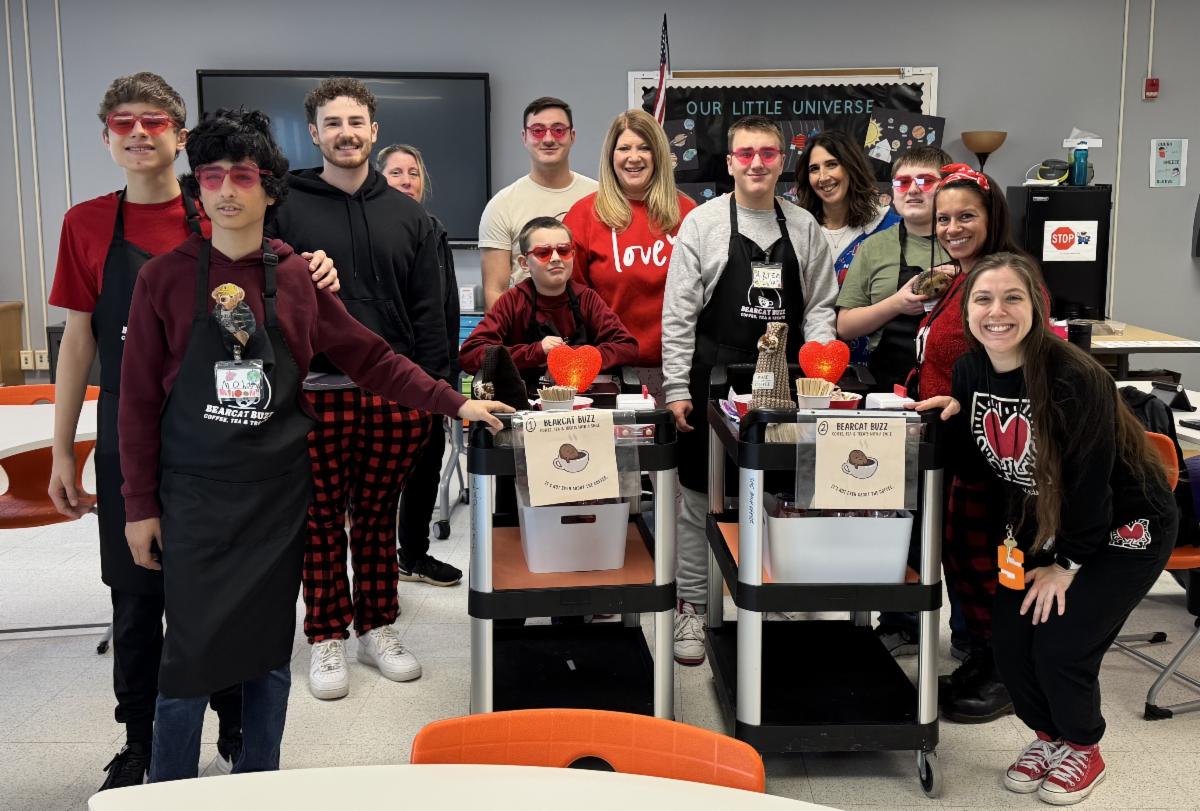
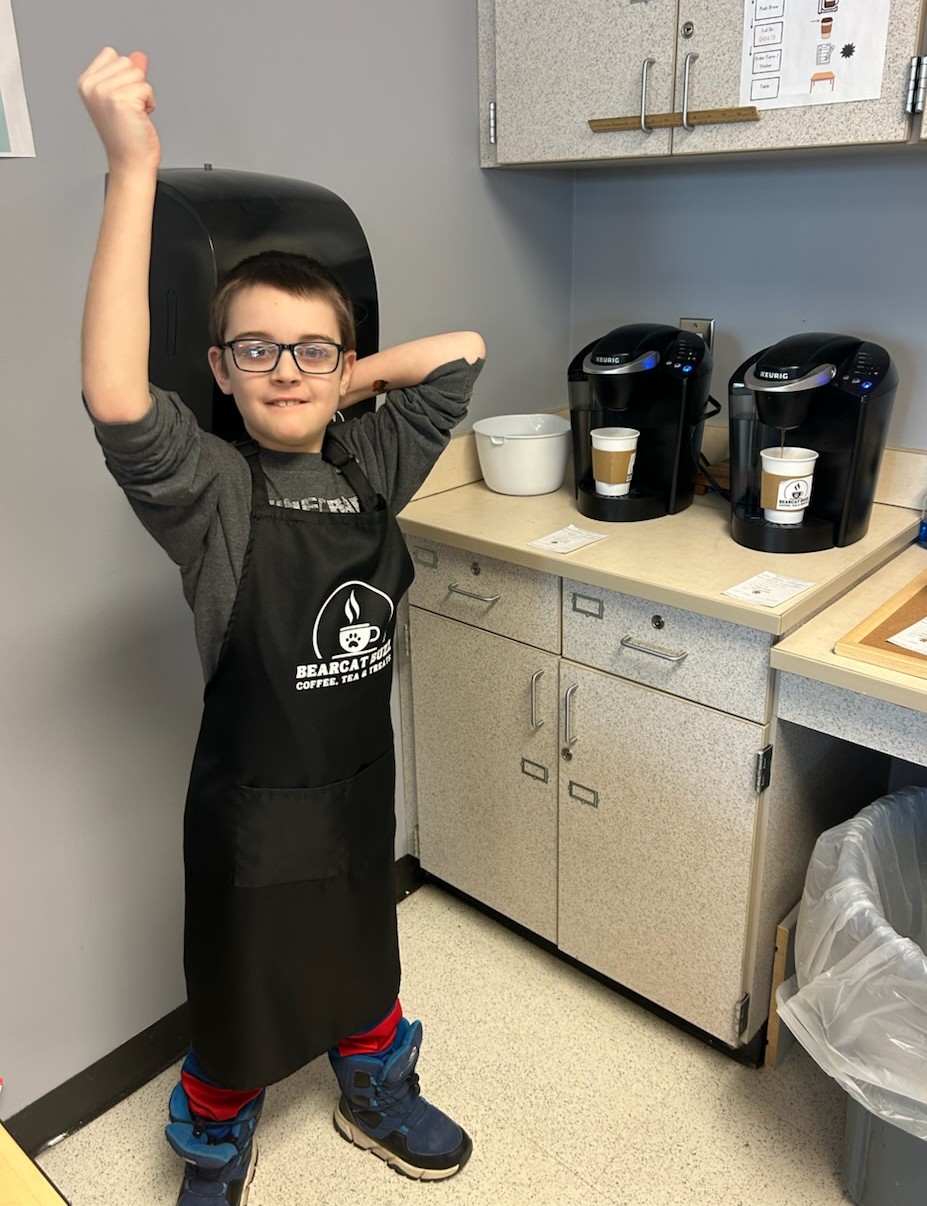
There’s an exciting new addition to the Solvay Middle School program this year: The Bearcat Buzz Cafe! This student-led initiative enables Life Skills learners to transition from the classroom to the "real world," allowing students to hold real job titles such as Barista, Cashier, and Server, while helping them practice valuable life skills to help them grow their independence.
| | | | | |
This student-run coffee cart is facilitated by the Solvay Middle School Life Skills Program and was developed by special education teacher, Gina LaPlant, and speech-language pathologist, Francesca Branciforte.
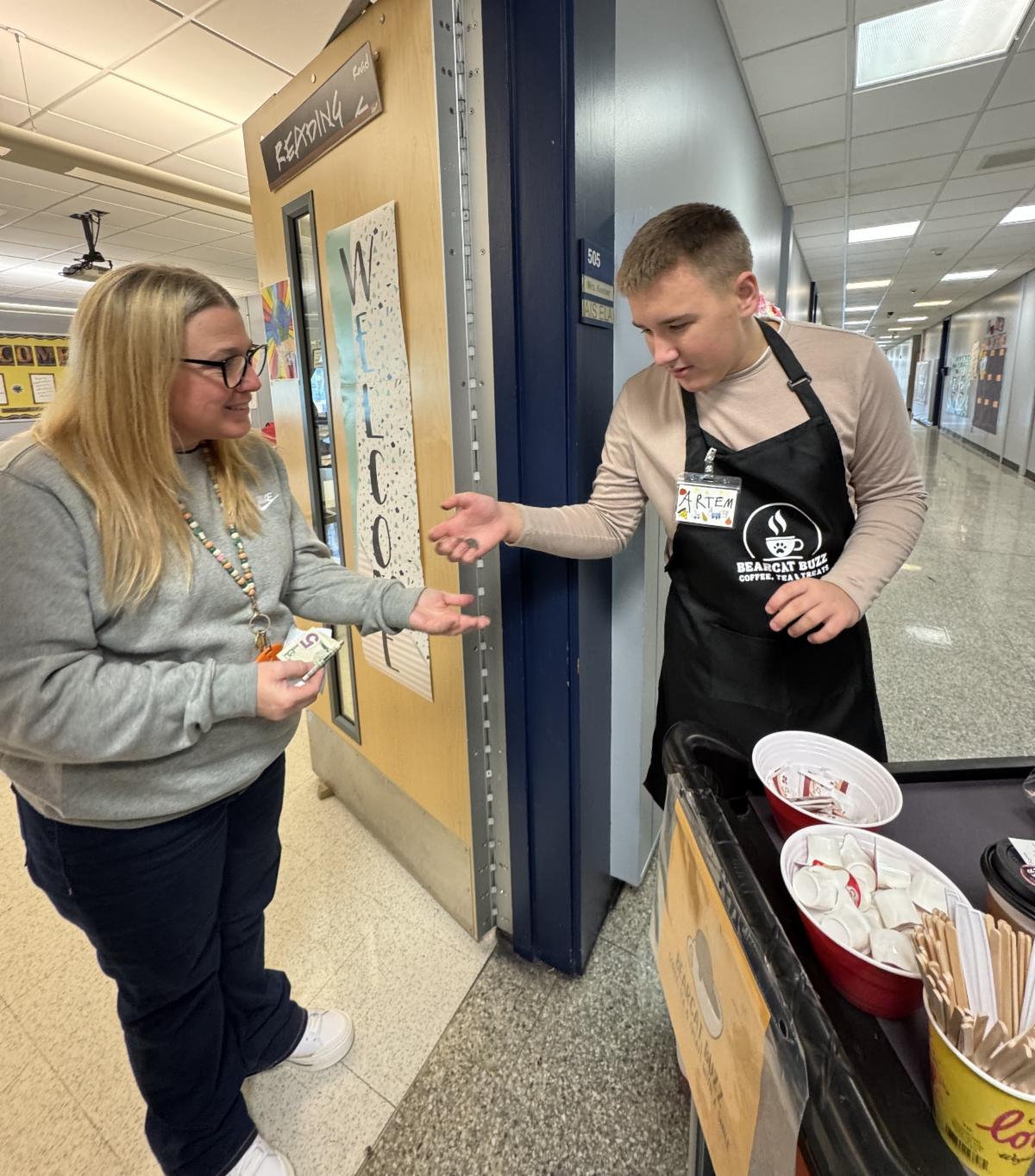
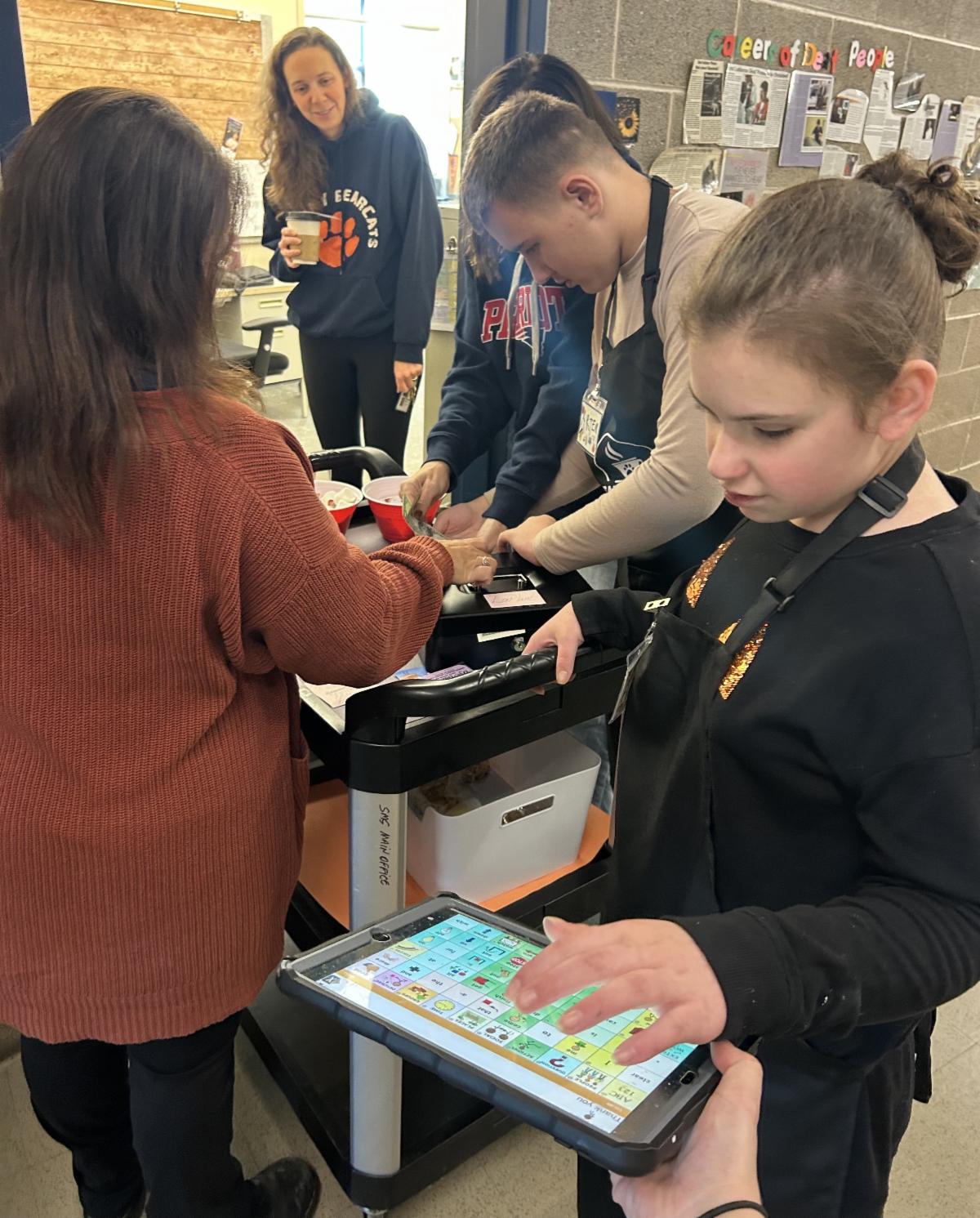
Bearcat Buzz Cafe has allowed students to practice financial literacy while managing cash, making change, and taking inventory. Interacting with unfamiliar adults can be challenging for many students. However, participating in the coffee cart has been a huge confidence builder, allowing them to put life skills into practice with real-life interactions. Each order calls for an array of skill sets: eye contact, professional greetings, active listening, good hygiene practices, as well as money management.
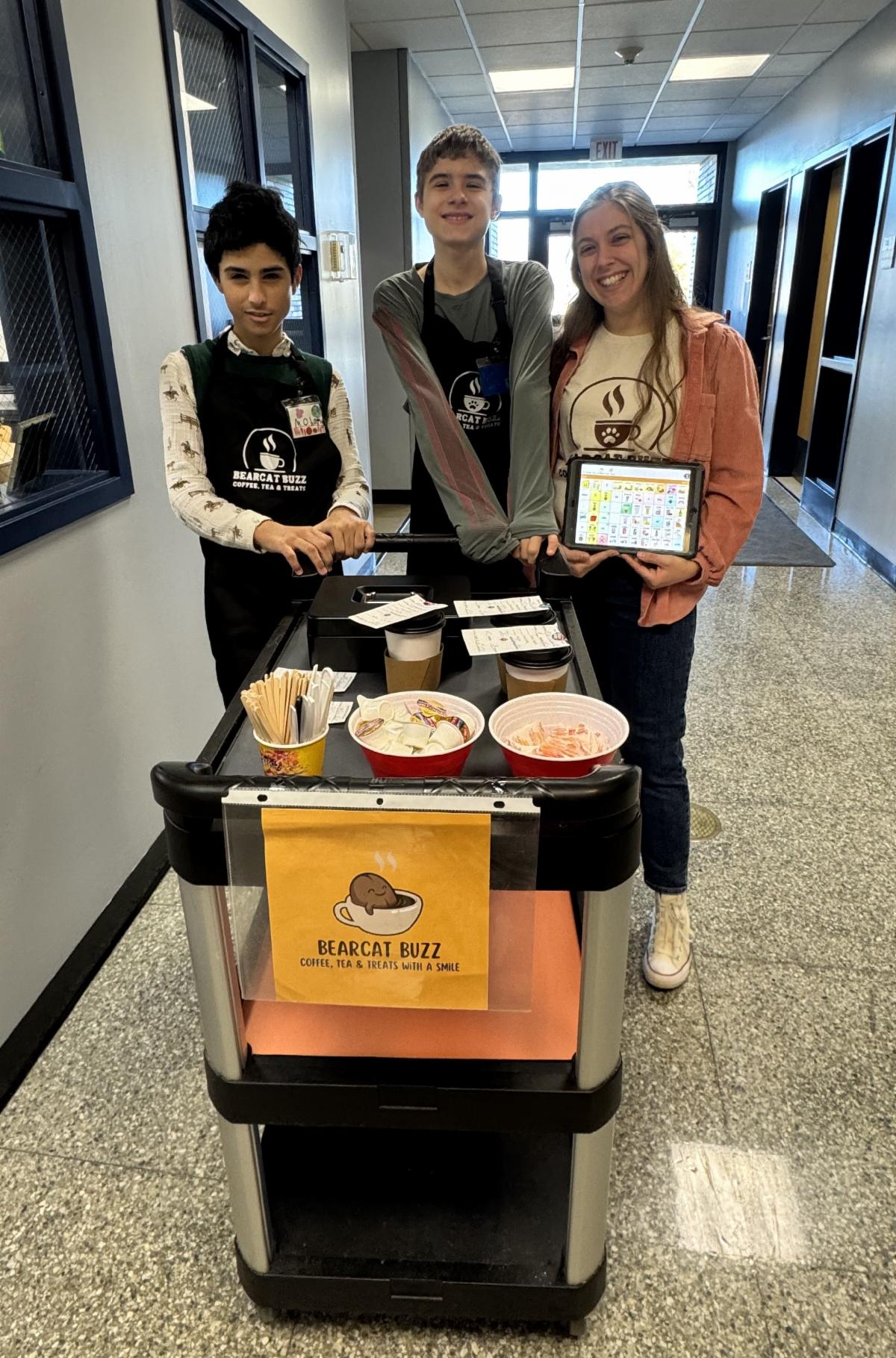
| | The Cafe ensures that all learners are supported and have a voice. Several students utilize communication devices on tablets with the TouchChat application. When delivering orders, they navigate to the appropriate greetings and responses as needed. | | |
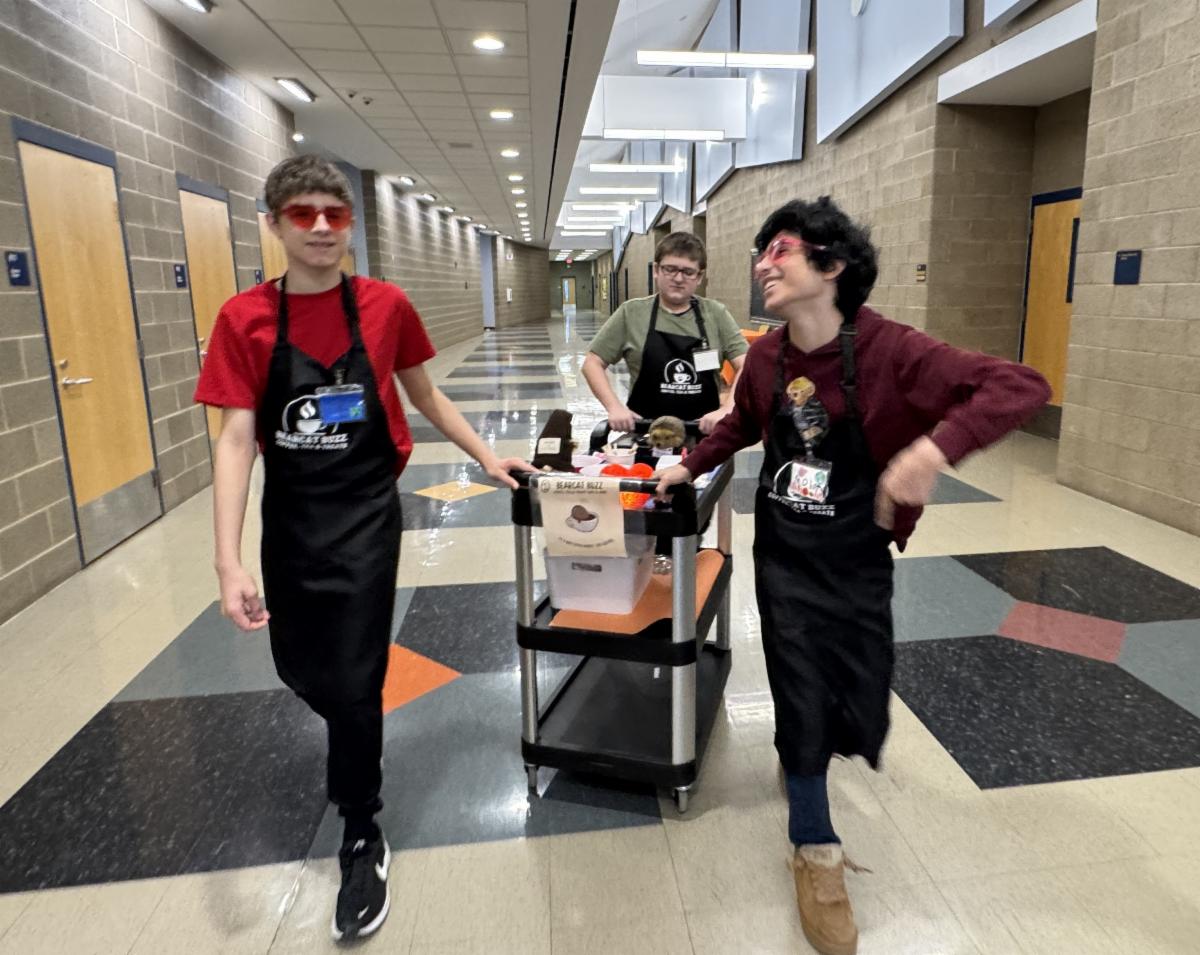
The Bearcat Buzz Cafe was originally planned to run once per month, with Life Skills staff doing the baking. However, after the initial kick-off, it was evident that both students and staff were eager to have the Cafe open more frequently, and other school staff members quickly volunteered to donate baked goods.
Staff members submit their orders online in advance. They can choose from several hot drink options, flavored syrups, and fresh-baked treats. There has been a steady showcase of delights on the menu: coffee cake, muffins, cookies, cupcakes, scones, bars, biscuits, and more!
| | | The feedback from the school community has been overwhelmingly positive. Adults who don’t typically interact with the Life Skills students have expressed their joy in having them visit their classrooms with treats. | | | | |
The Cafe has allowed the Life Skills Program to participate in several community outings, where students were able to place and pay for food orders independently using their voice or Augmentative and Alternative Communication (AAC) devices, practice social skills, and engage in choice activities for enjoyment-- such as seeing a movie or visiting the zoo.
The Bearcat Buzz Cafe is not only about providing coffee and treats for staff, but it is also giving students a platform for growth in a safe, "real-world environment," allowing them to practice skills for a more independent future.
| | |
If you would like more information about starting your own Life Skills Cafe,
please contact Gina LaPlant at glaplant@solvayschools.org.
| |
Do you have a classroom or school program you would like us to spotlight in the OSE newsletter?
The Office of Special Education is looking for best practices from districts, BOCES, and Approved Private School Special Education classrooms to spotlight in upcoming newsletters. Submissions are accepted on an ongoing basis. If you are interested in sharing a success story in any of the following areas, please submit your story via email to the Office of Special Education at SPECED@nysed.gov.
- Building classroom community
- Differentiated instruction
- Diversity, equity, and inclusion in the classroom
- Mindfulness and Positive Behavioral Supports
- Anything the district is inspired to share with the field
You will need to include the following information in your submission:
- Subject: Special Education Classroom Spotlight Submission
- Local Education Agency Name
- Teacher Name
- Photo(s) of the best practice in action
- 1-3 paragraphs describing the best practice and highlighting any results since its implementation.
| | News from the New York State School for the Blind and the New York State School for the Deaf | |
Preparing Students for Future Employment
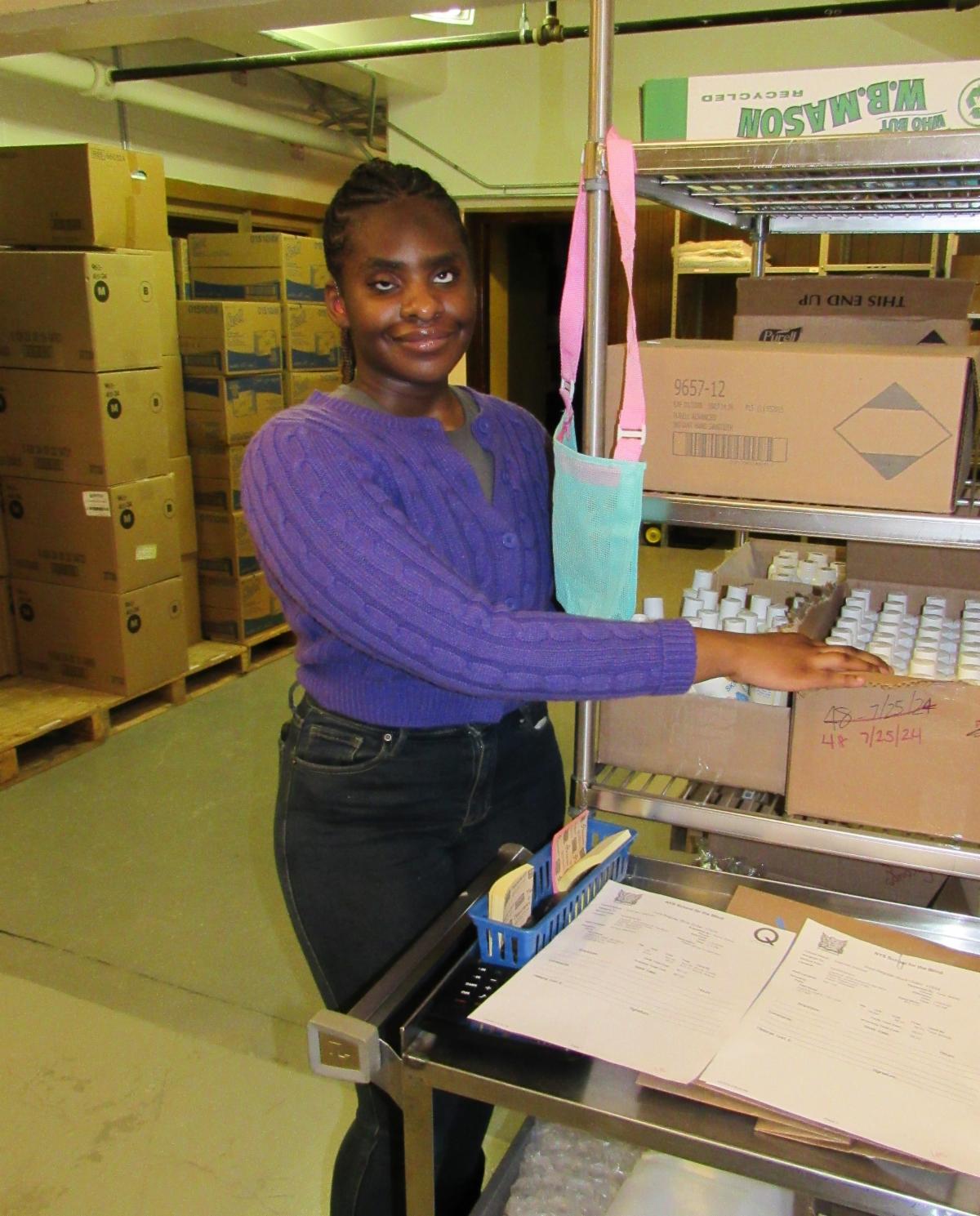
Career readiness is an important focus for NYSSB students throughout the school year. This semester, students have been participating in a variety of work-based learning experiences designed to strengthen essential workplace skills.
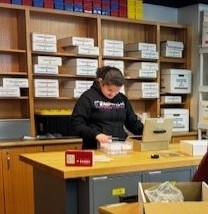
Opportunities are offered both within the school setting and through partnerships with outside agencies. We are especially proud that two of our students are currently building job skills right here on campus by working alongside our housekeeping team and with the business office.
| | |
An NYSSB student participating
in work-based learning
| | |
Building Strong Foundations in Workplace Skills
Students in Mrs. Pangrazio’s class are participating in Tier 1 School Counseling support, where they are exploring pre-vocational skills using the curriculum: Skills to Pay the Bills – Mastering Soft Skills for Workplace Success. So far, students have focused on Communication, Enthusiasm, Teamwork, and Critical Thinking. Upcoming lessons will highlight Networking and Professionalism.
| | A student at work in the PAES lab | | |
One powerful takeaway for students was learning that communication is the #1 skill employers seek when hiring. Through role-playing activities, students practiced adjusting how they communicate with peers, family members, and employers. These exercises helped them recognize the importance of respectful tone, clear expression, and professional presentation in the workplace.
Students are now integrating critical thinking with strong communication skills by practicing mock interviews. They are learning to respond to interview questions with clarity, detail, and confidence—essential tools for workplace success.
| |
Expanding Real-World Experiences
PAES Lab (Practical Assessment Exploration System): Offered to students in grades 8–10, this program helps evaluate work readiness skills and connects students with career interests in collaboration with the NYS Commission for the Blind.
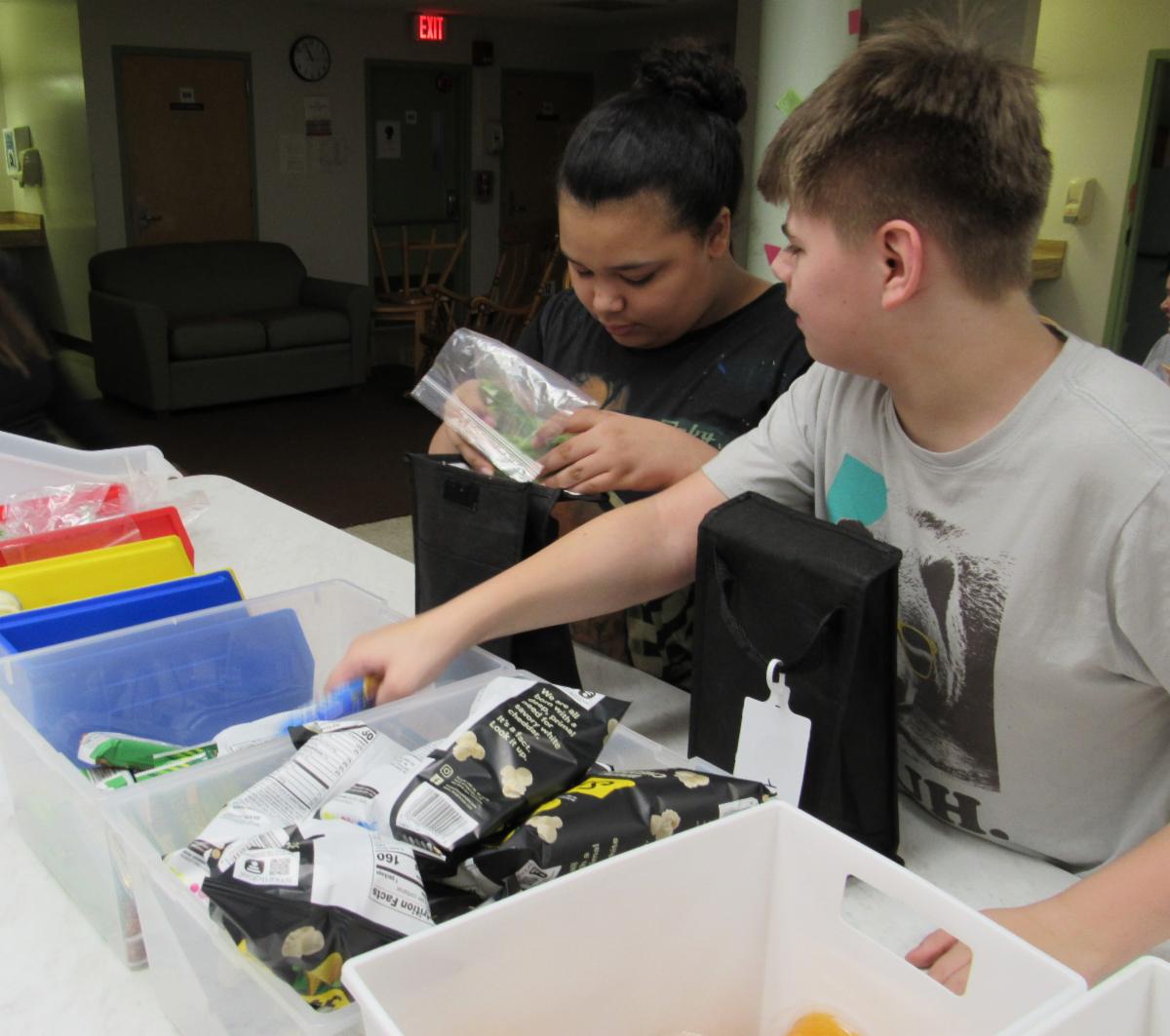
Thursday Lunch Packing: Each week, students prepare, pack, and clean up their own lunches in the residential kitchen lab, building independence and daily living skills.
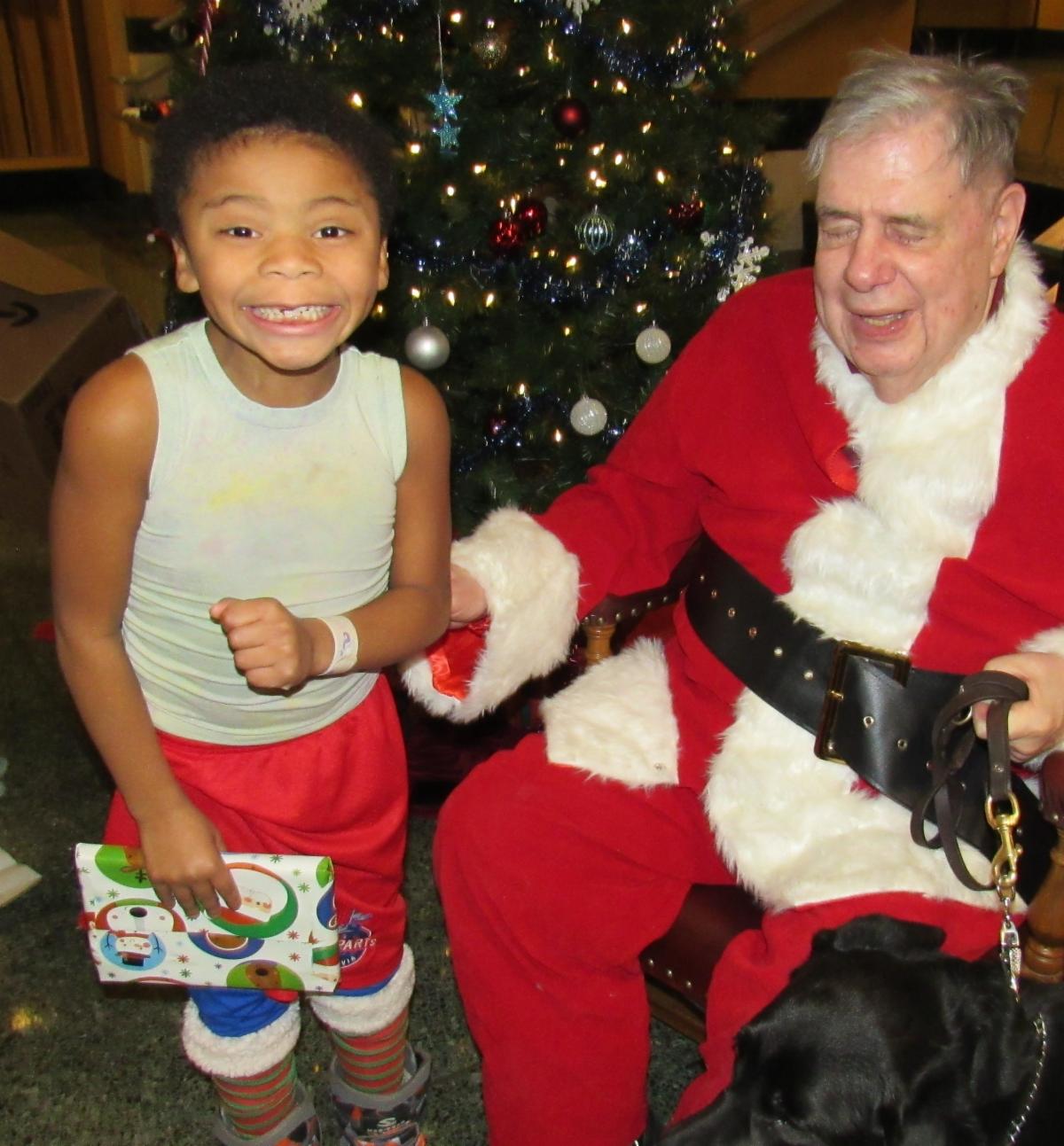
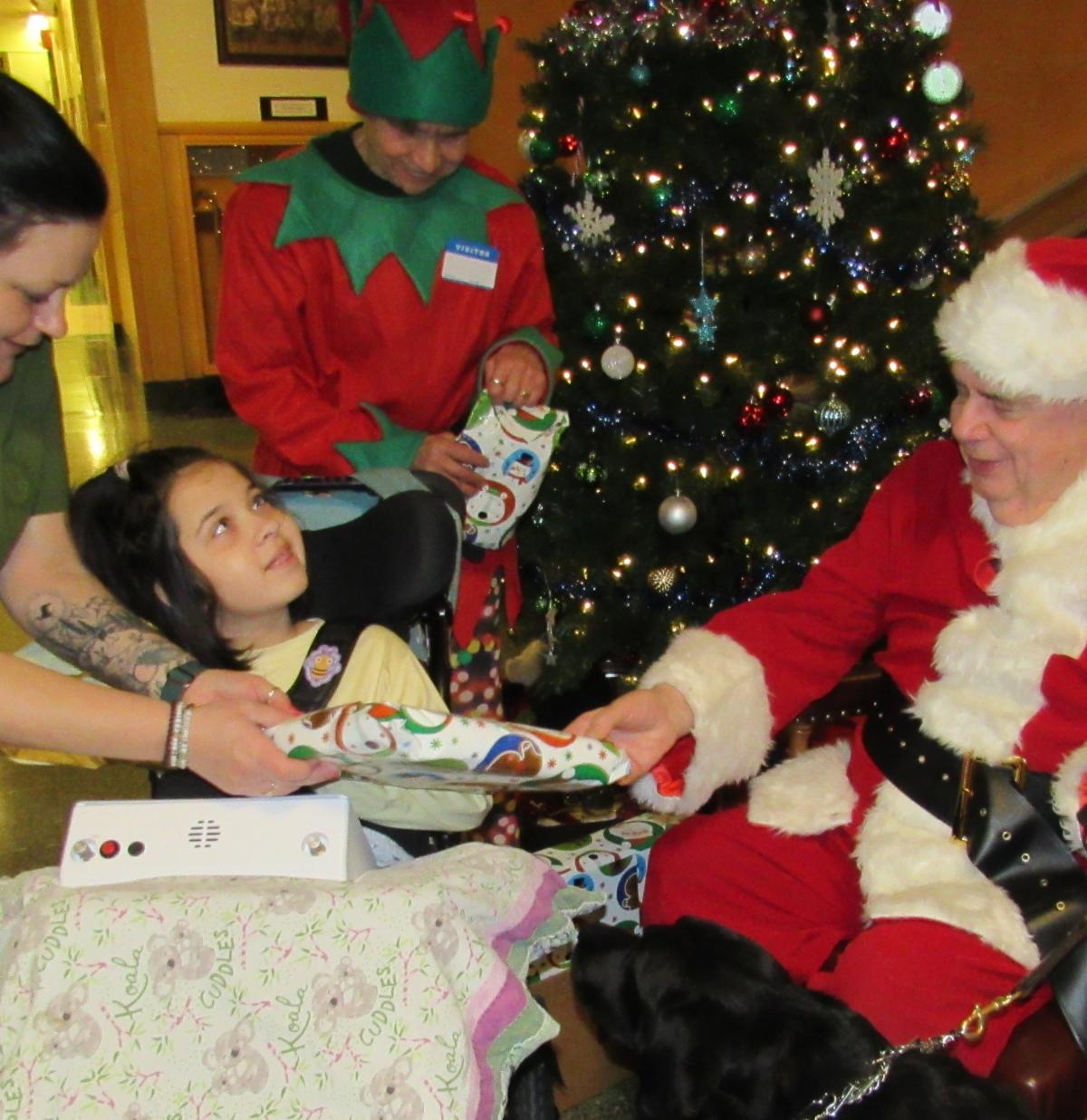
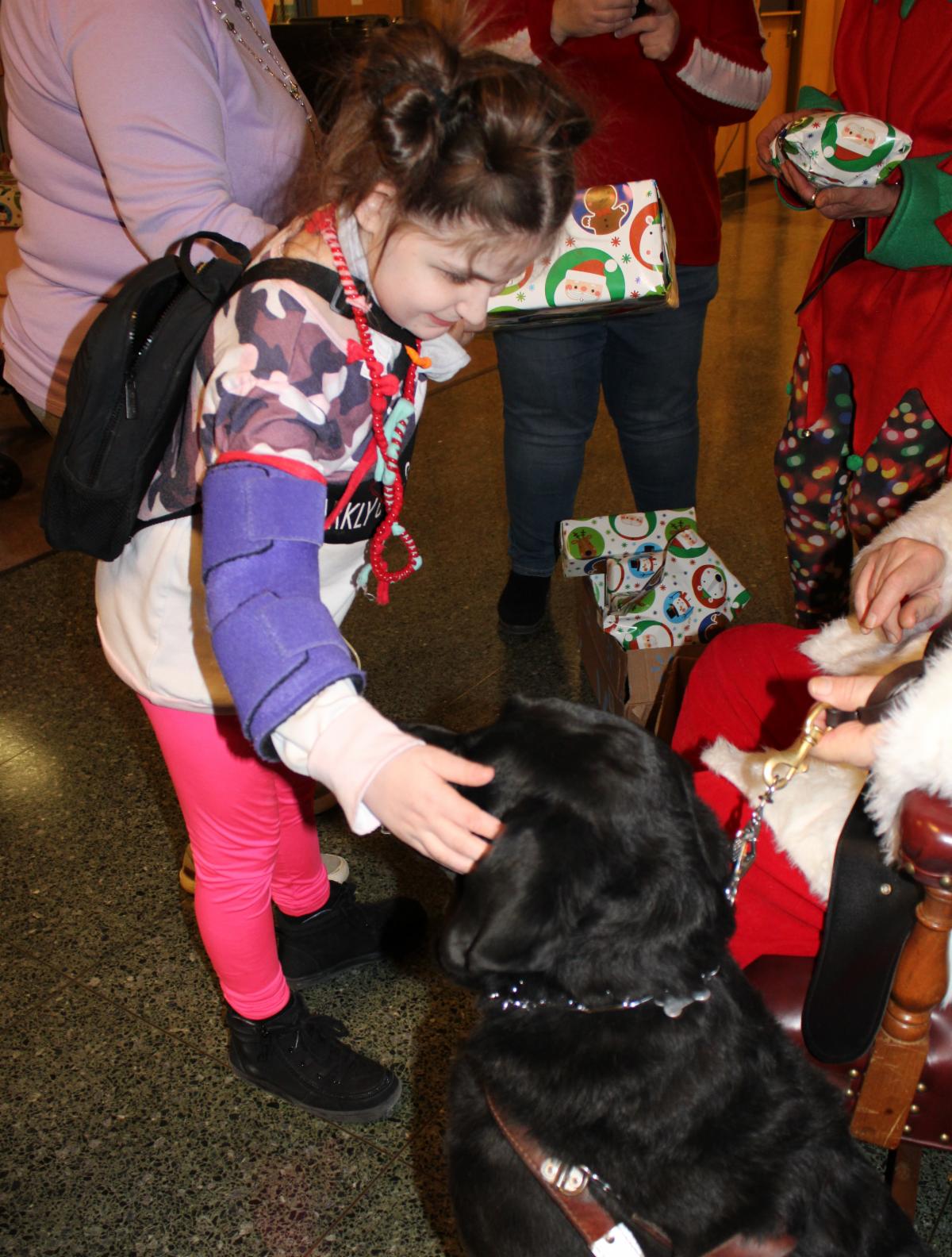
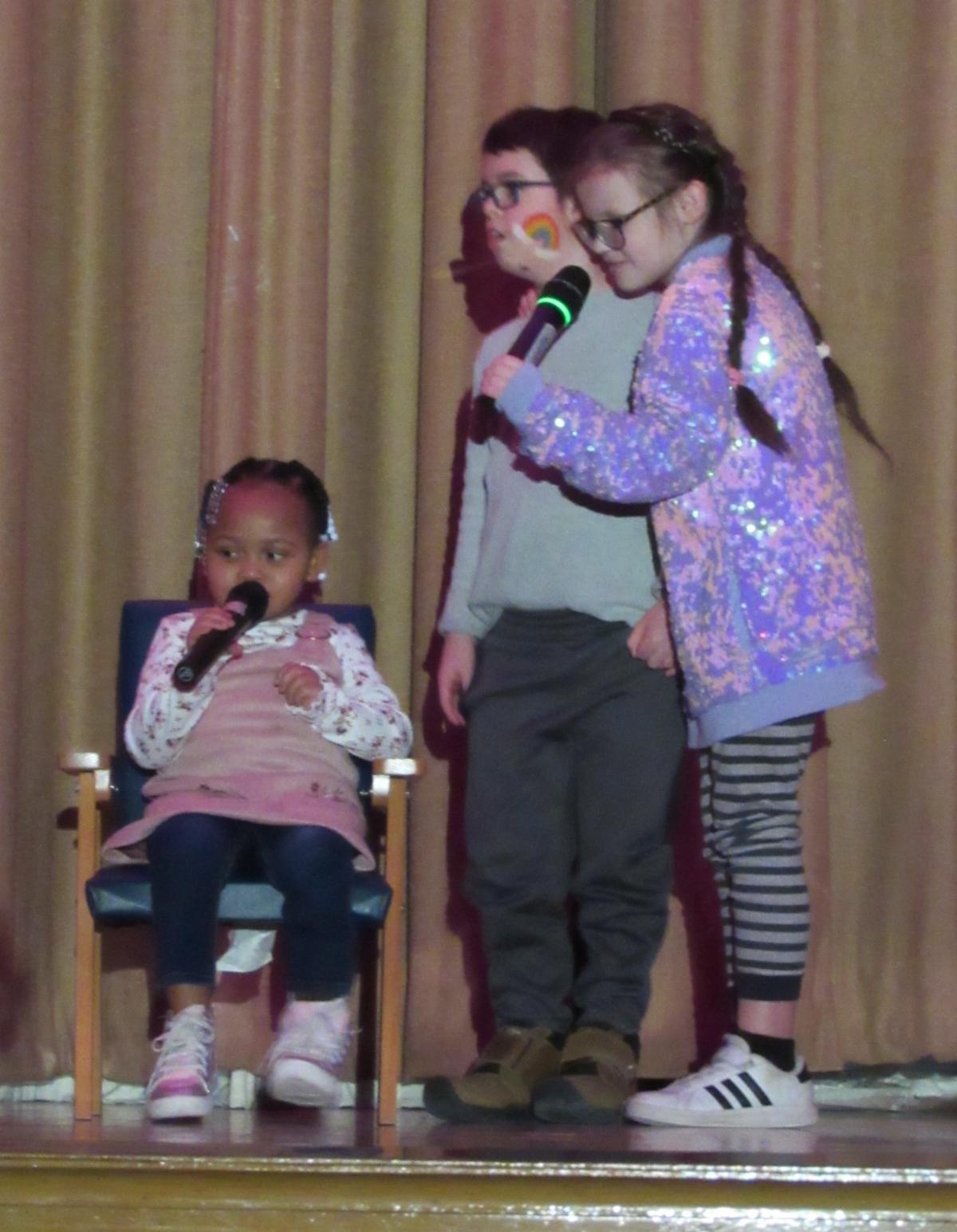
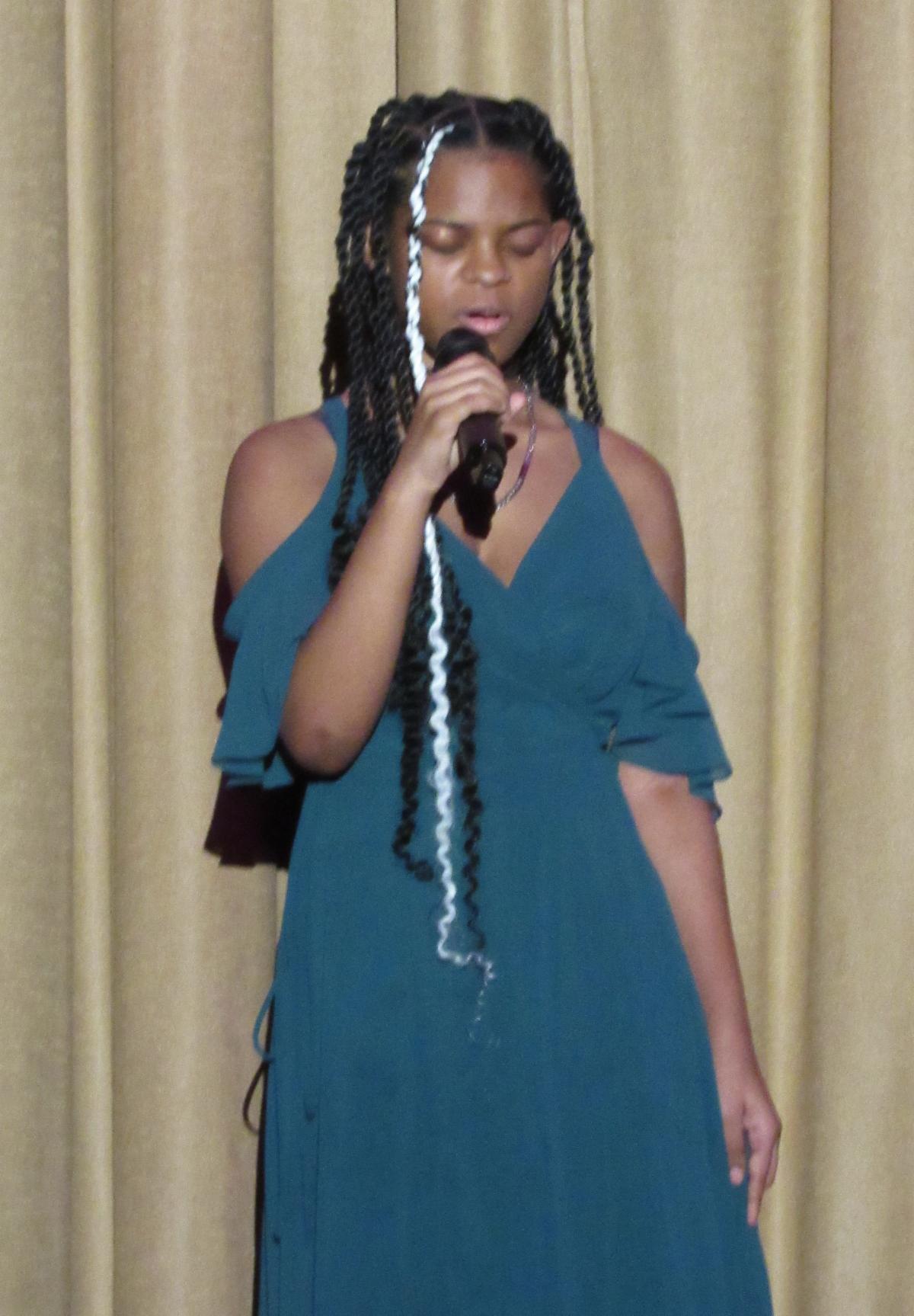
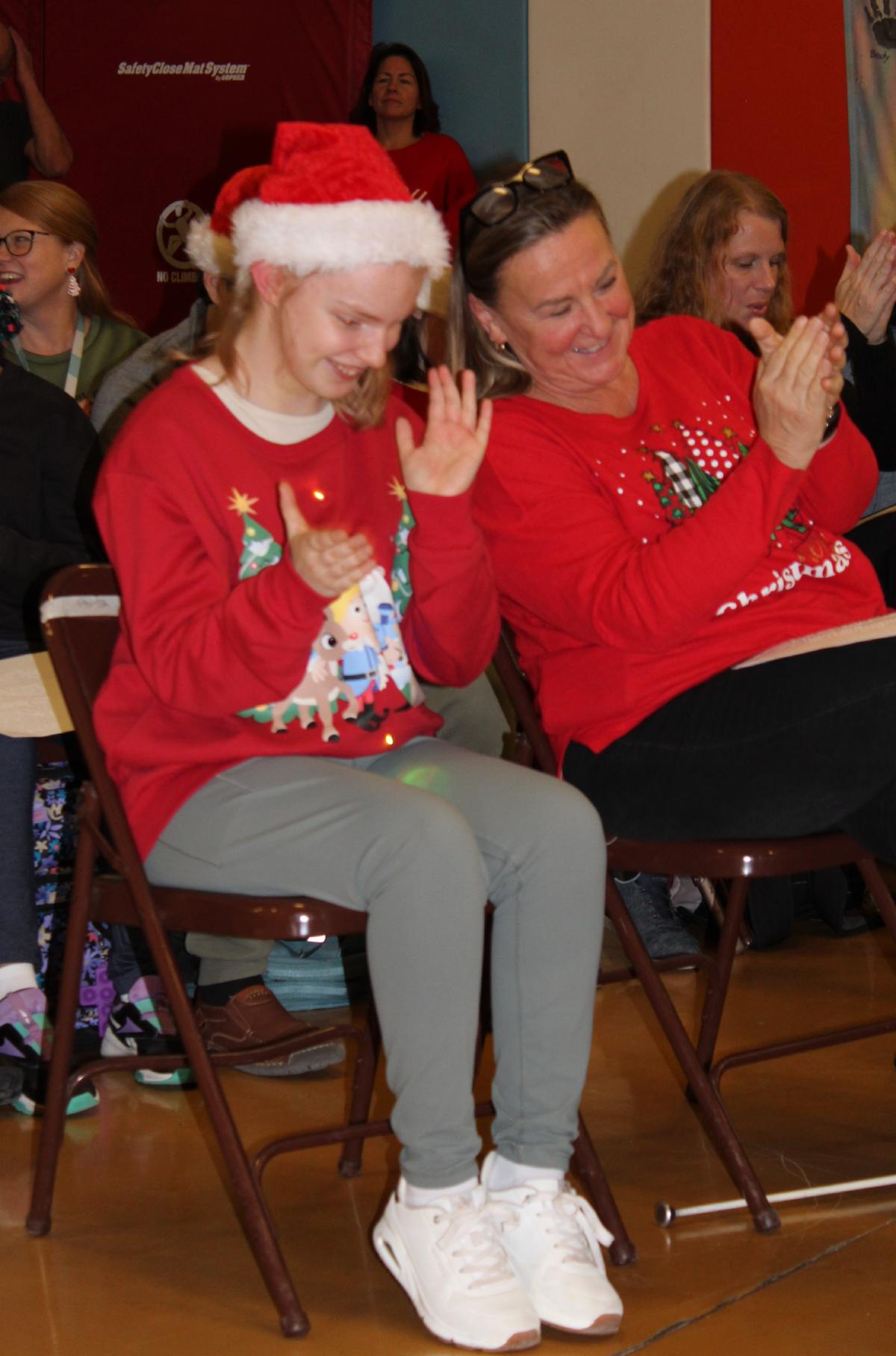
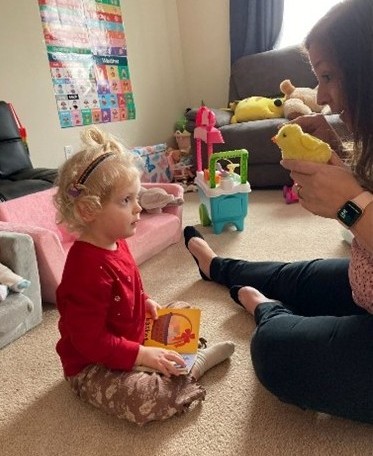
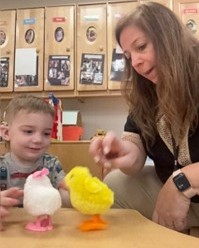
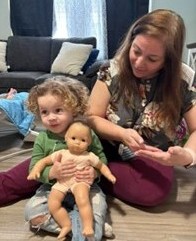
| | Thursday lunch packing at NYSSB | | Celebrating Community and Talent | | In December, NYSSB was delighted to welcome the Lions Clubs International. Our local Lions chapter sponsored a special visit from Santa Claus and his elf, bringing joy and holiday spirit to our students. The day concluded with our annual Holiday Sing-Along, a cherished tradition for our school community. | | Another highlight of the season was NYSSB's annual Talent Show. Students proudly showcased a wide variety of talents, performing for peers and staff. We are incredibly proud of the confidence, creativity, and enthusiasm our students demonstrated. Their performances were a wonderful reminder of the many gifts within our school community. | | A young child learning to sign | |
Providing families with information about hearing loss gives them an opportunity to learn about options available for their child, and what they can do to develop their child’s language acquisition as early as possible. Early intervention ensures that deaf and hard-of-hearing children have access to communication and language learning during this important window of time.
When a child is first enrolled in the Deaf-Infant Program, parents are given access to the resources they need first. Then they become actively involved in the early learning process alongside their child. Parents observe lessons and participate in incorporating early language skills into play activities. In this way, parents learn to help their child develop language for use on a daily basis at home and in the community, using the strategies modeled in the program.
| | |
A baby’s ability to acquire language begins at birth, and the first three years in a child’s life are the most critical for language development. Since over 90% of deaf and hard-of-hearing children are born to hearing parents, early support is essential for these families. The New York State School for the Deaf (NYSSD) offers a service called the Deaf-Infant Program. This is a free, home-based program that provides families with children birth-to-age-three who are deaf or hard of hearing with information on hearing loss, hearing loss technology, and communication approaches.
The Deaf Infant Program provides guidance, resources, and opportunities for parents to connect with educators and specialists at NYSSD. The services provided by the program help avoid delays in the areas of language, communication, and social-emotional development.
| Connecting language and fun | | Deaf-Infant Program services are provided throughout the school year and during the six-week summer session. Participating families have access to hearing tests and free American Sign Language (ASL) classes. Events held at NYSSD provide families with opportunities to meet other families and students with hearing loss. These connections are some of the most beneficial supports, as they allow families the time to share their common experiences. | | Learning ASL through everyday play | | |
After participating in the Deaf-Infant Program, one family wrote, “Thank you for your help and time with my son. After his first day of school, they gave me his evaluation papers, and they said he knows so much sign language. They were super impressed, and you played a huge part in that.”
| |
Winter Newsletter Interest Survey Result
The results of our Winter Newsletter Interest Survey are in! OSE Newsletter readers were most interested in the topic of Positive Behavior Interventions.
All students in New York are entitled to a safe and welcoming school environment. The New York State Education Department is committed to ensuring that NYS schools have supports in place that safely address student behaviors that interfere with learning in the classroom. NYSED recognizes that school administrators, teachers, and school staff work every day to build positive school climates and make sure our students feel safe, valued, cared for, respected, and engaged. Setting students up for success begins with meeting these basic needs.
The New York State Education Department has resources available to inform and guide schools to provide students with safe and positive learning environments. Effective August 2, 2023, NYSED revised section 19.5 of the Rules of the Board of Regents, and Commissioner's Regulations Sections 100.2, 200.1, 200.7, and 200.15 to ensure student health and safety by:
-
prohibiting the use of corporal punishment, aversive interventions, prone restraint, and seclusion for all students;
-
permitting the limited use of timeout and restraint, and requiring schools to use behavioral supports and interventions (such as multi-tiered systems of supports and positive behavioral interventions and supports) and other research-based educational practices that are designed to meet students' social, emotional, and mental health needs, and improve school climate and safety.
The revised regulations ensure that behavior supports and interventions are used safely and with the highest standards of oversight, monitoring, and data collection, and apply to all students.
Much more information on this topic can be found on NYSED’s website, Behavioral Supports and Interventions & Discipline Procedures for Students with Disabilities. It includes Recently Issued Guidance and Additional Guidance Related to Behavioral Supports, Interventions, and Discipline Procedures, such as the Behavioral Supports and Interventions in Schools Frequently Asked Questions (FAQ) page. Extensive training materials on behavioral supports can also be found on the OSE Educational Partnership Resources page.
Please send questions regarding Positive Behavior Interventions in Special Education settings to: SPECED@nysed.gov.
| |
Interest Survey
We’d love your input!
Which areas of Special Education would you like to learn more about or see featured in future newsletters?
| |
| Let us know by selecting the topic that interests you the most. | | | |
Not Subscribed to the OSE Newsletter yet? | | | | |
OSE Leadership
Ceylane Meyers-Ruff, Office of Special Education and ACCES (OSEA) Deputy Commissioner
Christopher Suriano, Office of Special Education Associate Commissioner
Caralee Kardash, Director of Special Education Services
Eileen Borden, Chief of Special Education Services
Kathy Cummings, Chief of Special Education Services
Marie Proudman, Chief of Special Education Services
Suzanne Bolling, Assistant Counsel
| | | | |