Office of Special Education Newsletter
| |
Summer Resources
for Families
| | | |
Summer Meals:
NYS Libraries:
____________________________________________________
| | |
Project Lifesaver is a 501 (C)(3) community-based, public-safety nonprofit organization that provides law enforcement, fire/rescue, search-and-rescue (SAR) teams, caregivers, and others with a program designed to quickly locate individuals with cognitive disorders who are prone to the life-threatening behavior of wandering. To date, over 4,600 individuals have been rescued by this organization.
Operated internationally by public-safety agencies, Project Lifesaver was designed for “at-risk” individuals who are prone to wandering or eloping due to autism, Alzheimer’s disease, dementia, or other cognitive conditions. The primary mission of Project Lifesaver is to provide a timely response to save lives and reduce potential injury for adults and children with the propensity to wander due to a cognitive condition.
To see if Project Lifesaver operates in your area or to enroll an individual,
visit the Project Lifesaver website.
or call 1-877-580-LIFE
| | |
Over the past 2 years, Brightway Living & Learning, formerly Developmental Disabilities Institute (DDI),[i] has undertaken a comprehensive effort to strengthen sensory‑responsive learning environments across its school‑age program. Three distinct sensory spaces were designed with one goal in mind: to support regulation, engagement, and meaningful
participation in the school day.
| | These enhancements reflect a collaborative process in which staff identified priorities, designed the spaces, received training to ensure effective use, and secured donor support to make that vision a reality. | | | |
Sensory Gym
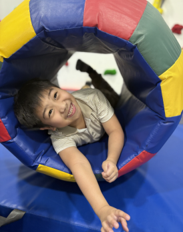
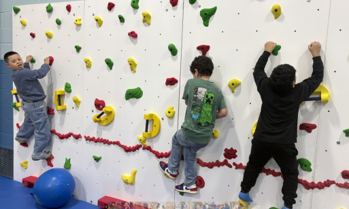
The Sensory Gym was conceptualized by staff who recognized the importance of active, movement-based sensory experiences and developmental growth. Students jump, climb, swing, and explore a space intentionally designed to meet diverse sensory needs.
| | | | |
Key outcomes include:
- Increased engagement and readiness for instruction
- Improved attention and sustained participation
- Opportunities for turn‑taking, cooperative play, and social skill development
- Access to equipment appropriate for a wide range of sensory and motor needs
This active space has quickly become a favorite among students, offering a joyful outlet for energy while supporting therapeutic goals.
| | |
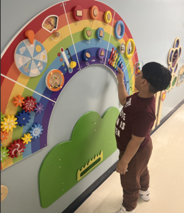
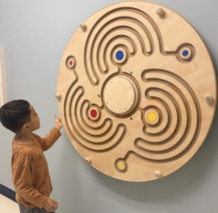
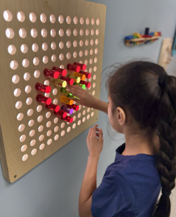
Sensory Hallway
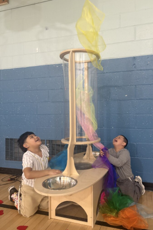
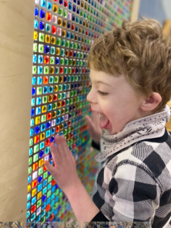
What began as a creative idea has grown into one of the most beloved features of the school. The Sensory Hallway incorporates tactile, visual, and auditory elements.
| | |
The Sensory Hallway offers:
- Sensory‑based “brain breaks” that promote emotional regulation
- Improved focus and smoother transitions
- Increased independence and confidence during movement through the building
- A positive, engaging sensory experience embedded within daily routines
The hallway has already made a noticeable impact, transforming what was once a routine transition into moments of exploration and regulation.
| | | |
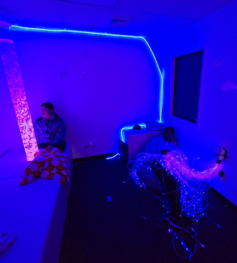
Sensory Chill Room
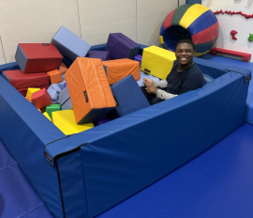
For students who need a calm, restorative environment, the Sensory Chill Room offers a peaceful retreat.
Soft lights, soothing sounds, and tactile materials create a space where students can slow down, breathe, and reconnect with themselves. Inside this room, students enjoy:
- Watching the gentle glow of fiber‑optic strands
- Listening to the bubbling of the sensory water tube
- Exploring calming tactile materials
- Practicing strategies for self‑regulation and emotional balance
This space has become essential for helping students learn how to manage big feelings, build coping skills, and return to the classroom ready to participate.
| | | | |
A Collaborative, Student‑Centered Initiative
The development of these sensory spaces reflects Brightway’s commitment to creating environments that promote dignity, inclusion, and meaningful participation in inclusive, supportive environments. Staff leadership and donor support played essential roles in creating high‑quality sensory environments that align with program goals and evidence‑based practices.
| | |
If you would like to learn more about our sensory initiatives,
please contact Michelle Sciara at michelle.sciara@brightwayny.org.
[i] Developmental Disabilities Institute (DDI), is in the process of changing its corporate
name with NYSED to Brightway Living & Learning.
| |
Do you have a classroom or school program you would like us to spotlight in the OSE newsletter?
The Office of Special Education is looking for best practices from schools serving students with disabilities to spotlight in upcoming newsletters. Submissions are accepted on an ongoing basis. If you are interested in sharing a success story in any of the following areas, please submit your story via email to the Office of Special Education at SPECED@nysed.gov.
- Building classroom community
- Differentiated instruction
- Diversity, equity, and inclusion in the classroom
- Mindfulness and Positive Behavioral Supports
- Anything the district is inspired to share with the field
You will need to include the following information in your submission:
- Subject: Special Education Classroom Spotlight Submission
- Local Education Agency Name
- Teacher Name
- Photo(s) of the best practice in action
- 1-3 paragraphs describing the best practice and highlighting any results since its implementation.
| |
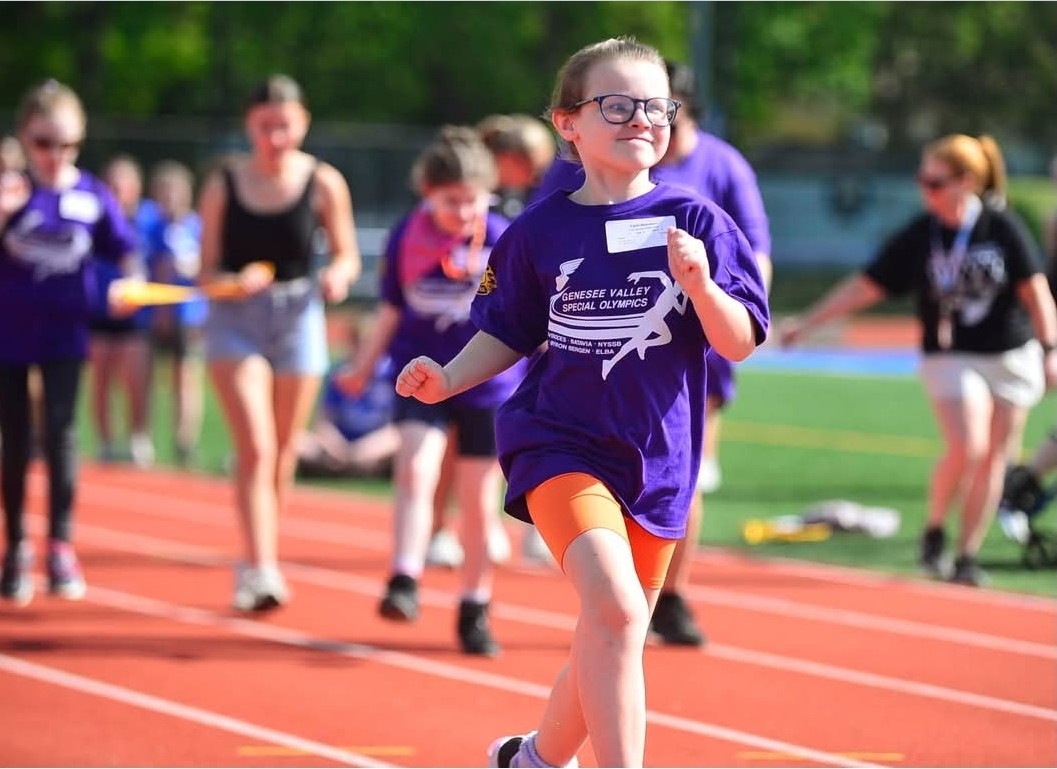
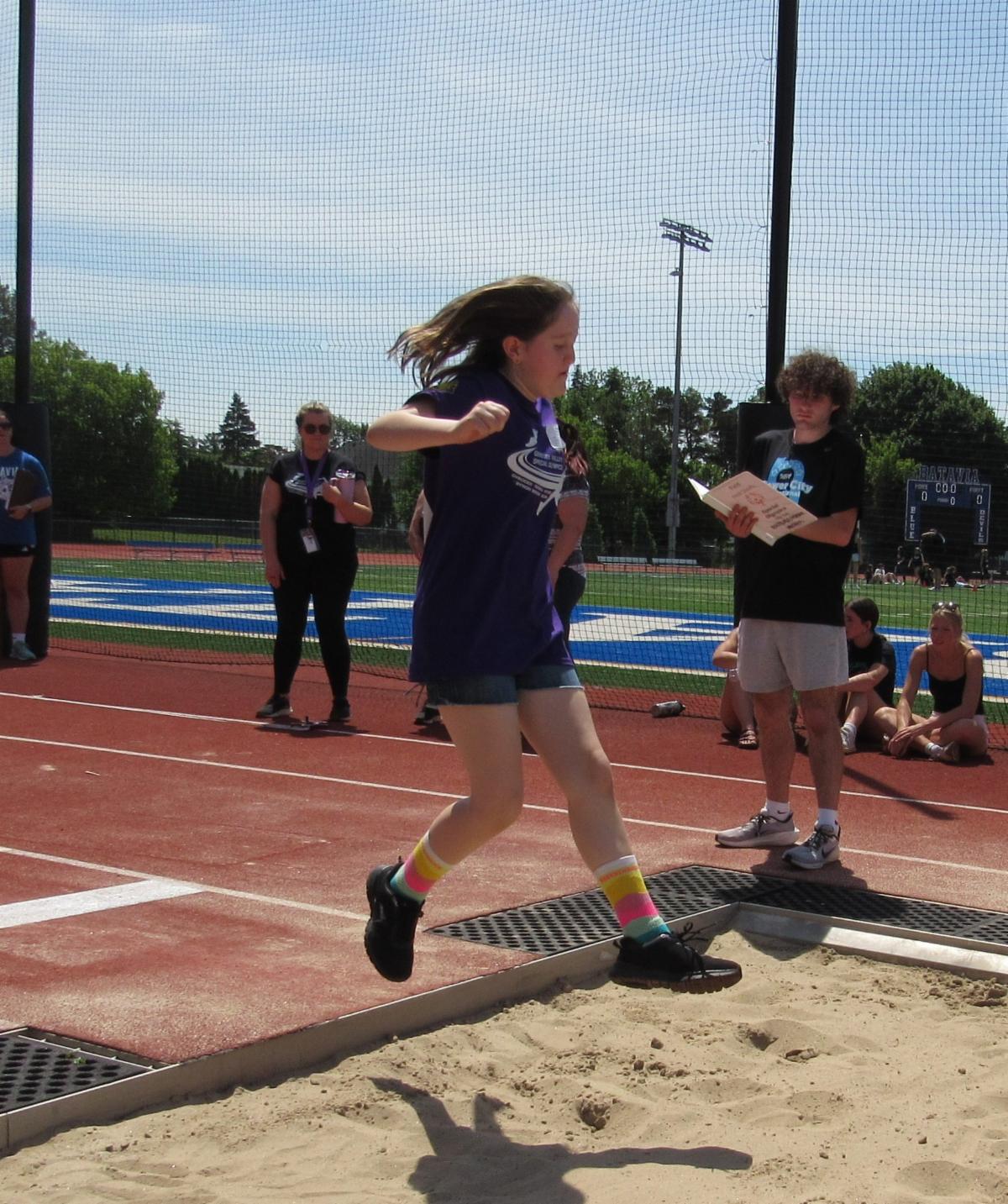
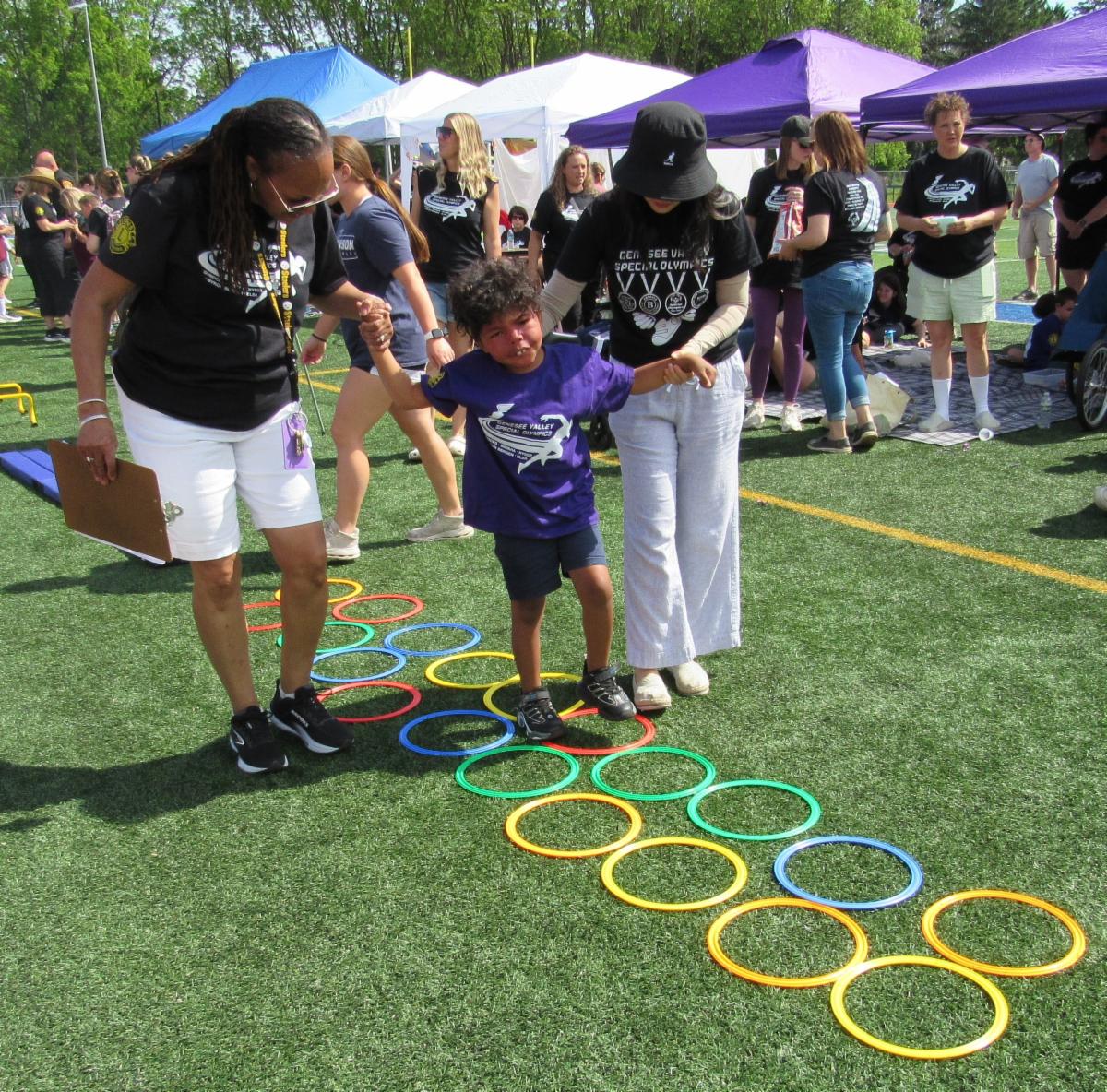
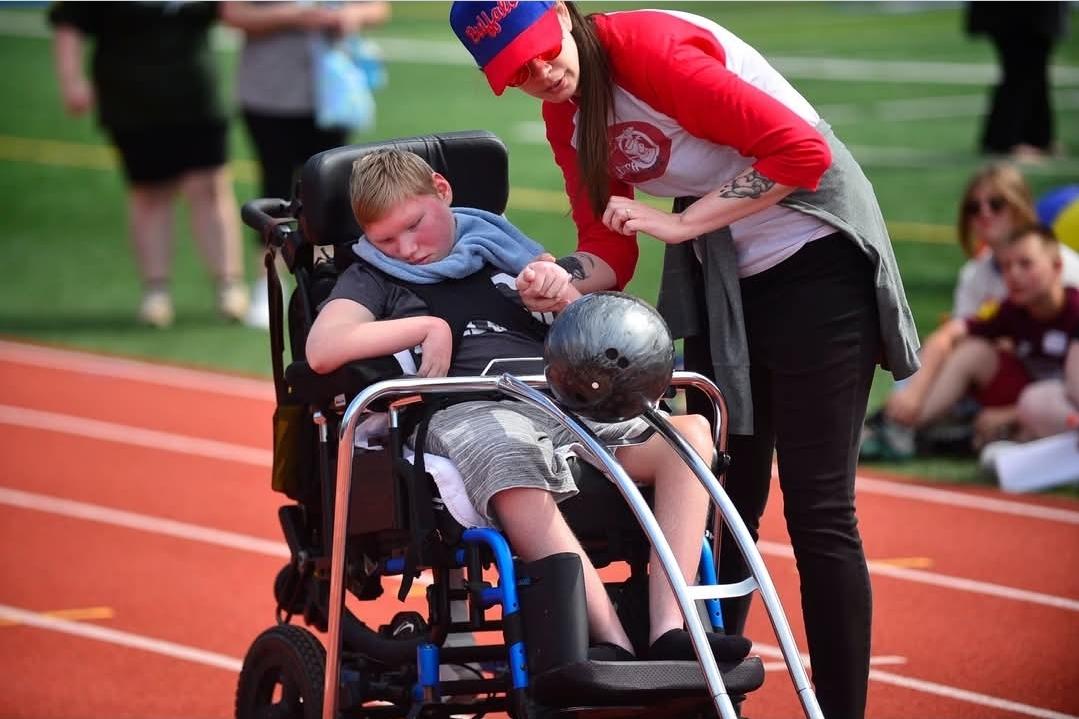
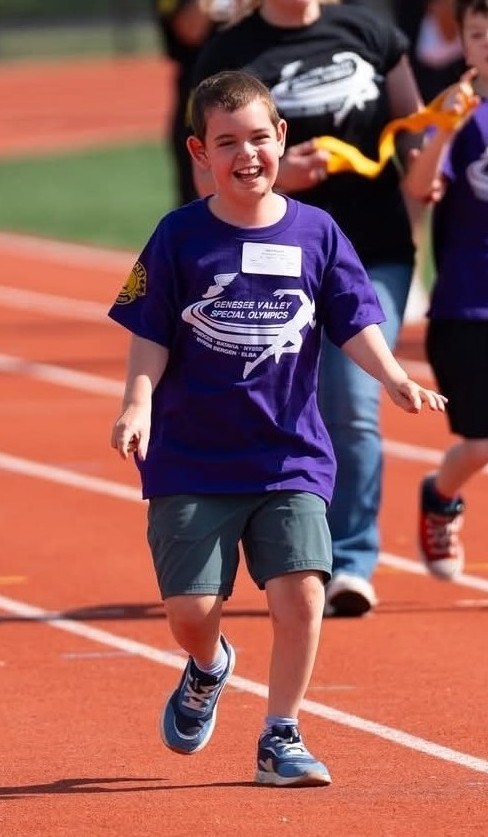
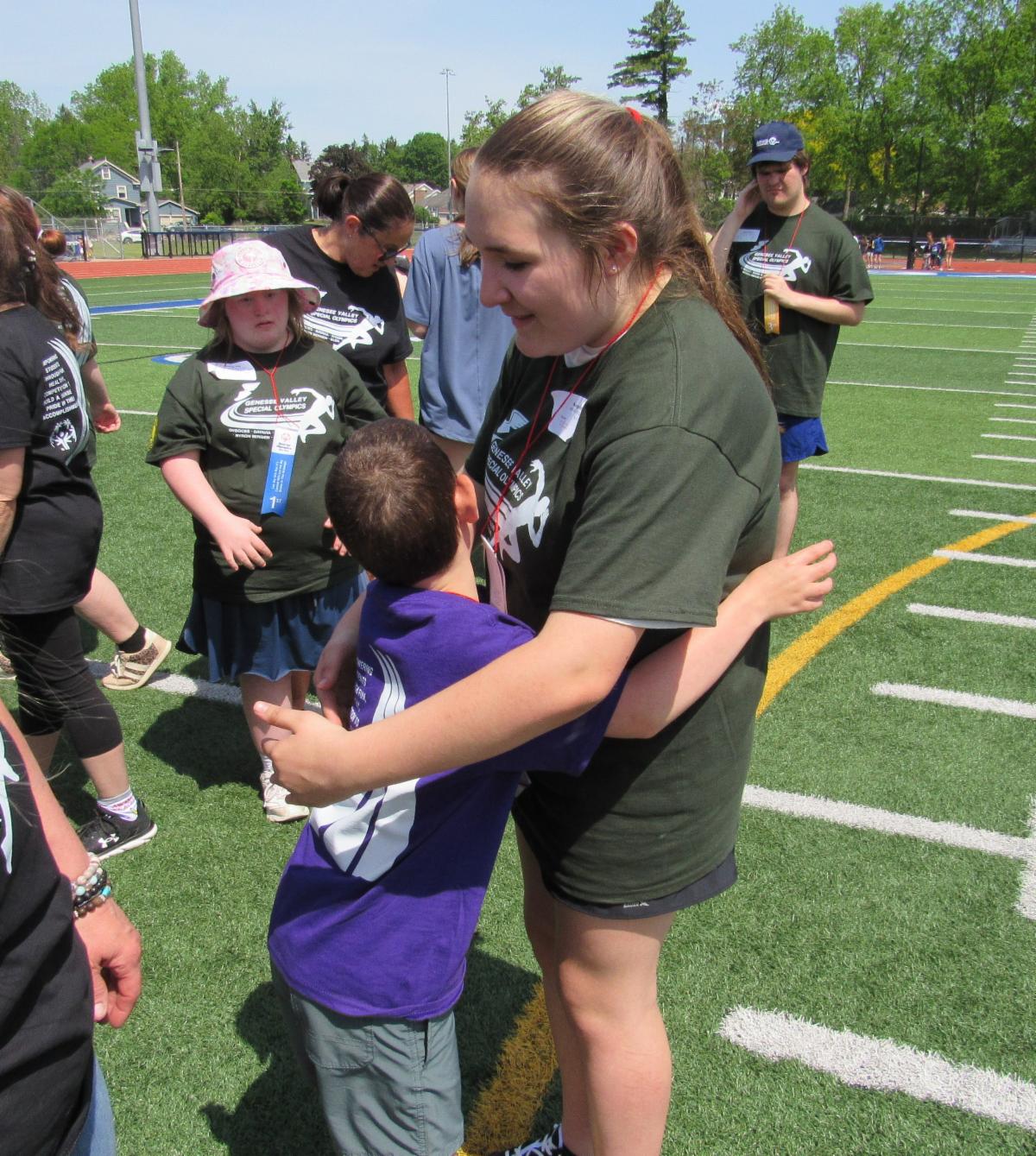
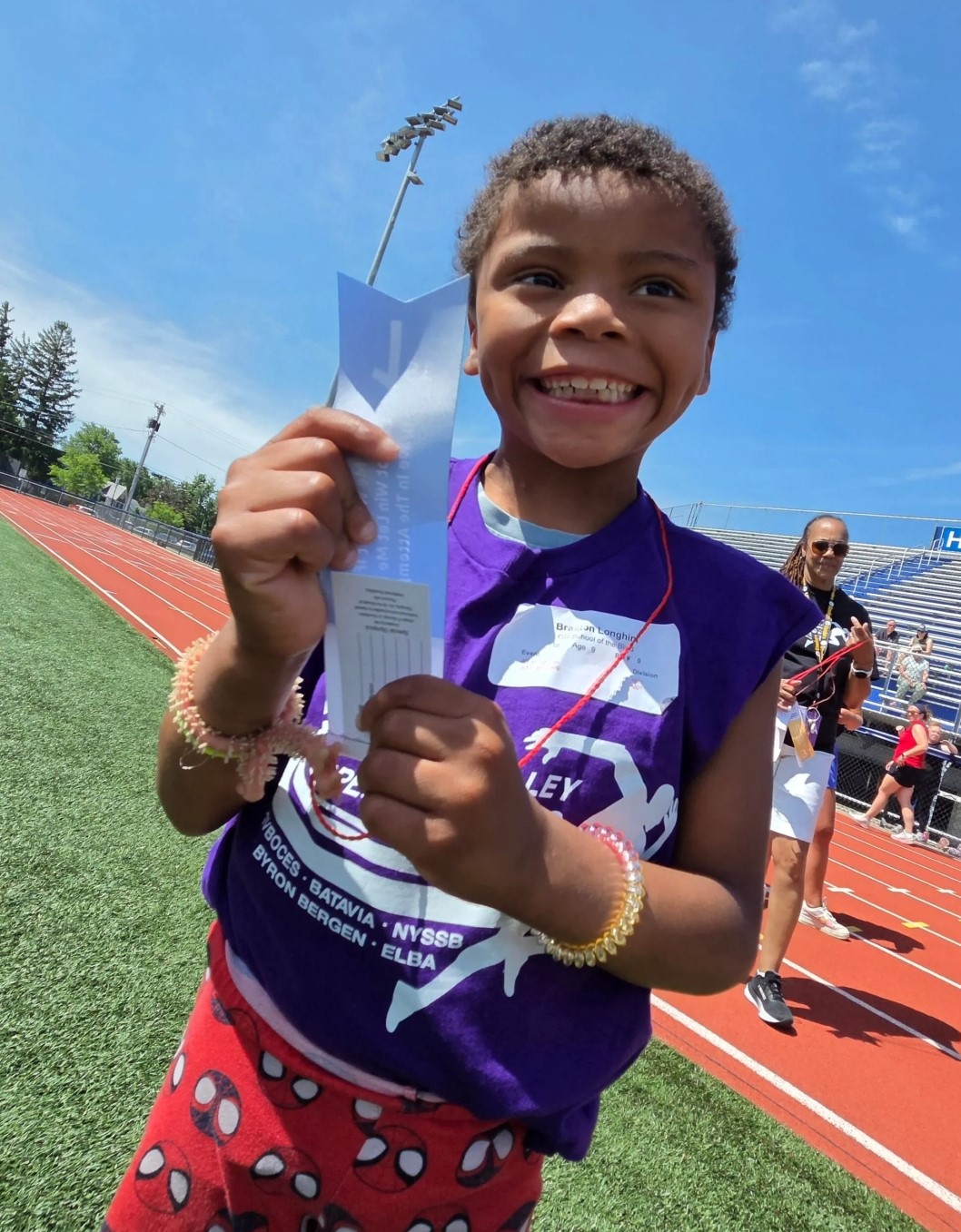
The 2026 Special Olympics at the
| | Students connected with peers from other schools, encouraged one another, and celebrated each accomplishment—big and small. NYSSB students enjoyed an unforgettable day filled with excitement, teamwork and achievement, laughter, friendship, and celebration. | | The New York State School for the Blind recently marked its second year participating in the Special Olympics, an event that has become a highlight of the school year. Joining several area schools for the event, students competed in races, relays, long jump, and Young Athletes activities. | | Whether crossing the finish line, cheering on teammates, or trying something new, each student embraced the spirit of the Special Olympics with confidence and pride, making this year’s Special Olympics a truly memorable experience. | |
The Youth Advisory Panel is Recruiting!
The Youth Advisory Panel (YAP) consists of 10 to 15 youth who are currently attending high school and are receiving special education services through an individualized education program.
YAP was established to advise the OSE on proposed policies related to the education of students with disabilities. Panel members engage in facilitated discussions with NYSED staff on policy issues relating to the education of students with disabilities, and share their concerns and recommendations for future policy consideration. Their participation serves to advise NYSED from a first-hand perspective on ways to improve the quality of special education services and student outcomes.
Nominations for YAP membership are accepted on an ongoing basis and kept on file for any openings while the student remains eligible. A youth may be nominated by a parent, teacher, employer, or other adult familiar with the individual. Youth who are 18 years of age or older may nominate themselves. Members are appointed for a two-year term, and the YAP meets virtually three times per year.
| |
Upcoming Events, Dates, and Deadlines
for School Districts
Virtual Training: The Impartial Hearing Reporting System (IHRS)
A Helpful How-To for School District Staff
The NYSED Office of Special Education is hosting virtual trainings on IHRS for school districts outside of New York City. These sessions support district staff in managing special education due process complaints and entering data into IHRS.
IHRS Basics Training covers:
- impartial hearing timelines;
- monitoring late cases and implementation of impartial hearing officer decisions;
- IHRS navigation and help features; and
- entering and managing data relating to case records, hearings, mediation, and case closure.
IHRS Advanced Training includes a brief review of Basics plus:
- adding new IHRS users;
- appointing hearing officers out of rotation; and
- amendments and closure types.
IHRS Basics Training Dates (same training offered on both dates):
- July 22, 2026 (10:00 am-12:00 pm)
- September 16, 2026 (1:00 pm-3:00 pm)
IHRS Advanced Training Dates:
- October 15, 2026 (1:00 pm-3:00 pm)
Pre‑registration is required. To register for trainings, the school district staff must log in to the NYSED's Application Business Portal and access IHRS. For reasonable accommodations, contact specedih@nysed.gov or (518) 473‑0170 at least two weeks in advance. Live Zoom captioning will be available.
Questions about the upcoming virtual training for the Impartial Hearing Reporting System may be directed to specedih@nysed.gov.
| |
Not Subscribed to the OSE Newsletter yet? | | | | |
OSE Leadership
Christopher Suriano, Deputy Commissioner, Office of Special Education and ACCES (OSEA)
Caralee Kardash, Director of Special Education Services
Eileen Borden, Chief of Special Education Services
Kathy Cummings, Chief of Special Education Services
Marie Proudman, Chief of Special Education Services
Suzanne Bolling, Assistant Counsel
| | | | |