Examples of Species Additions
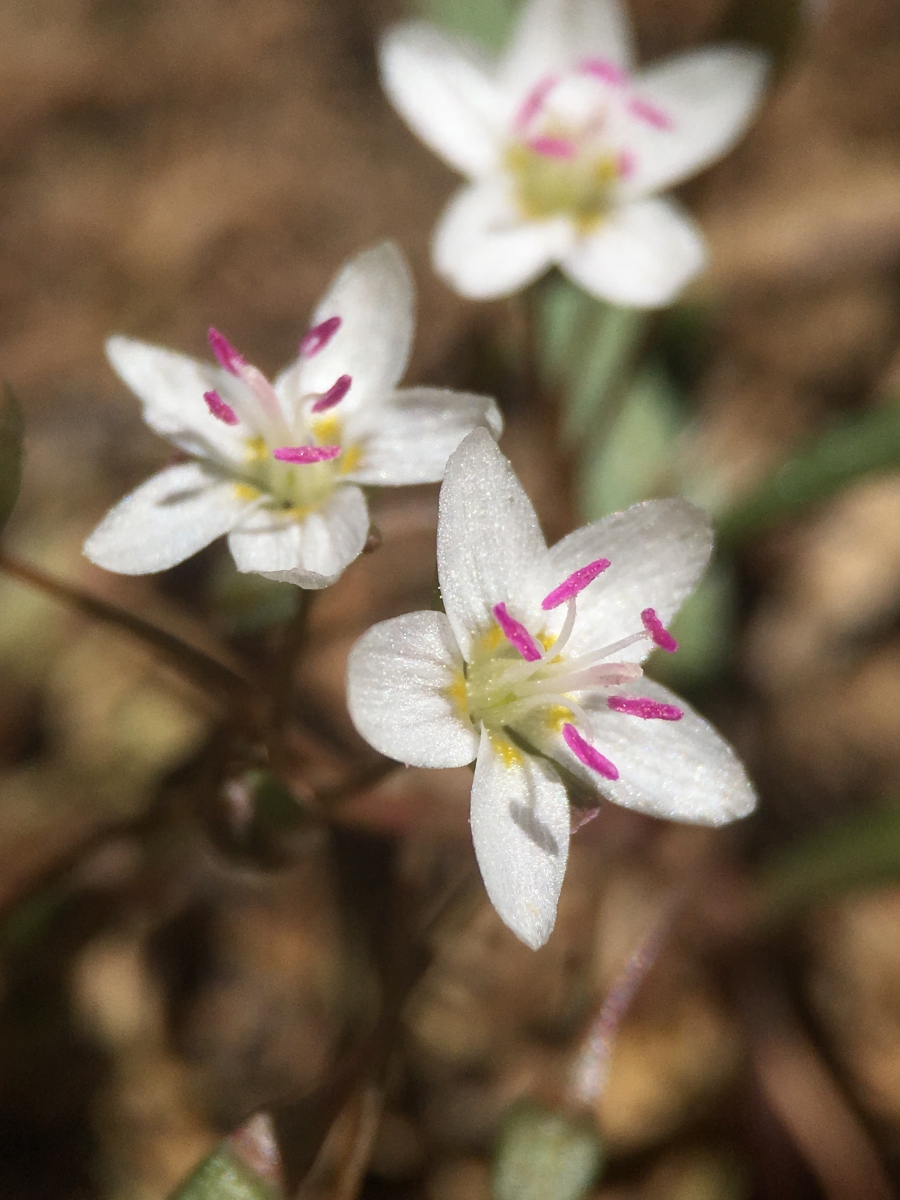
Photo by Matt Berger
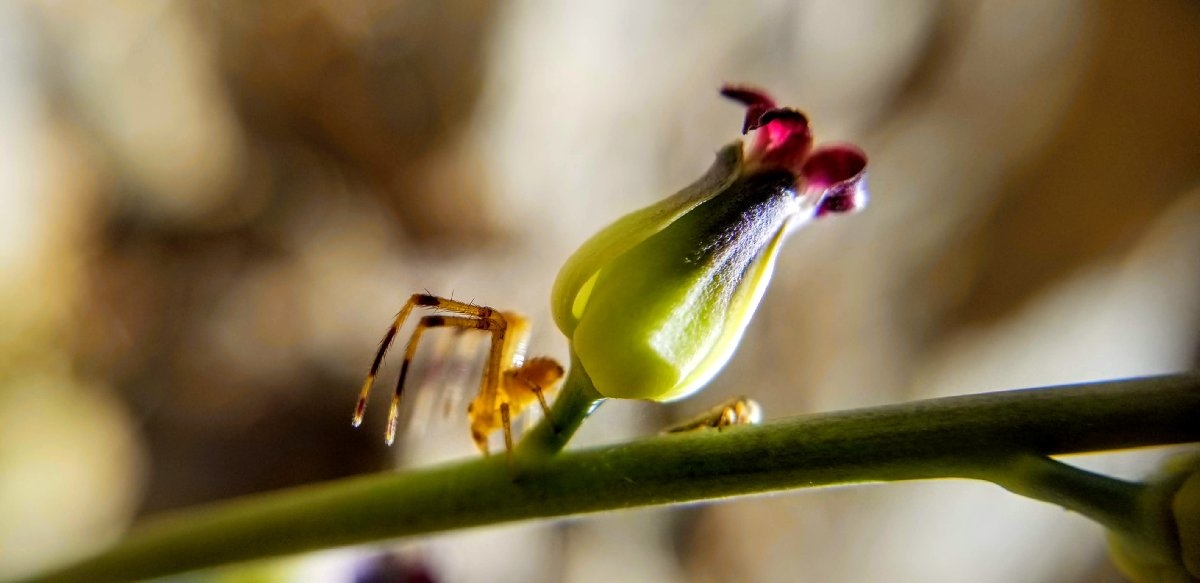
Photo by Mitchell Coleman
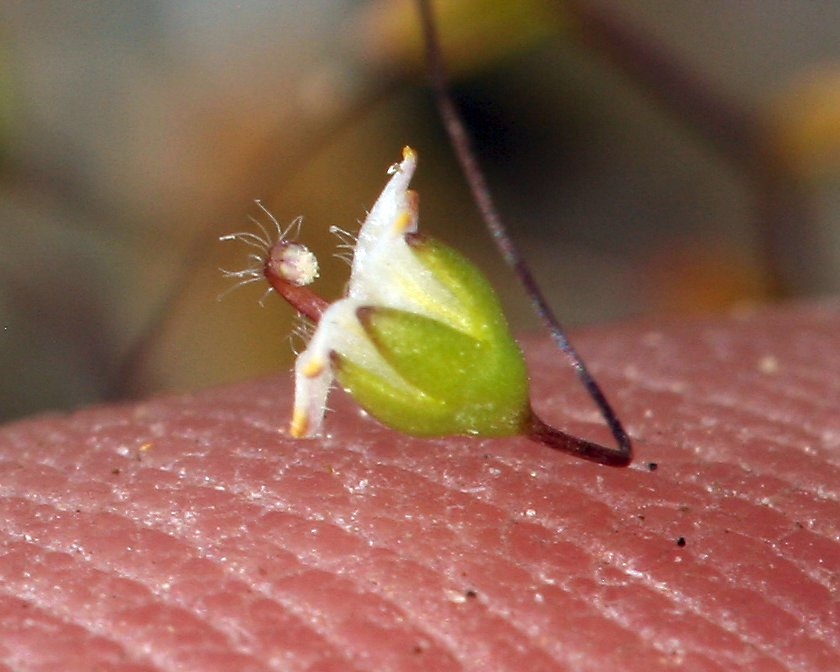
Photo by Steve Matson
Example of Name Changes Represented by Synonyms

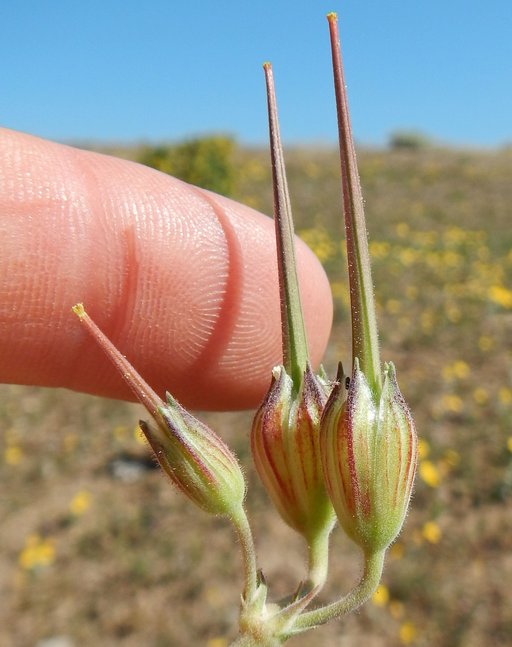
Are you searching for Erodium macrophyllum? It's now called California macrophylla. Other synonyms include Erodium macrophyllum var. californicum, Erodium macrophyllum var. macrophyllum, and Erodium macrophyllum. In Calflora, you will find this species under every synonym in the history of the name because we crosswalk old and new names, thus resolving them to the current name.

Photo by Neal Kramer.
Examples of Spelling Changes
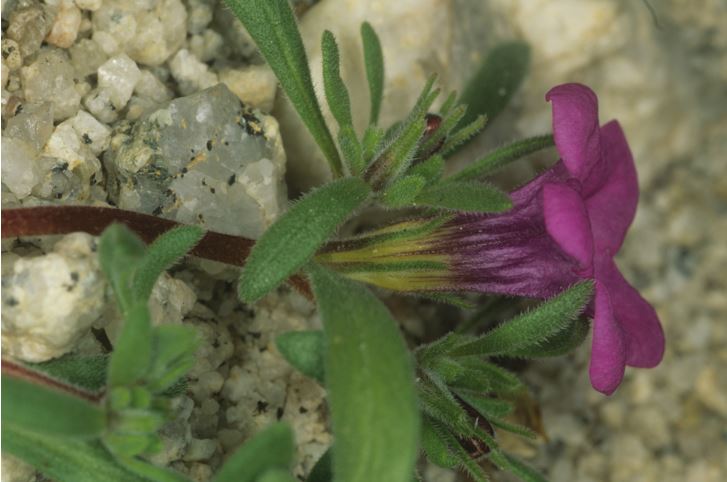
If the Latin gender of the species epithet (name) does not match the Latin gender of the genus name, the epithet may be changed to match. For example, Nama demissum is now called Nama demissa.

Photo by John Game.


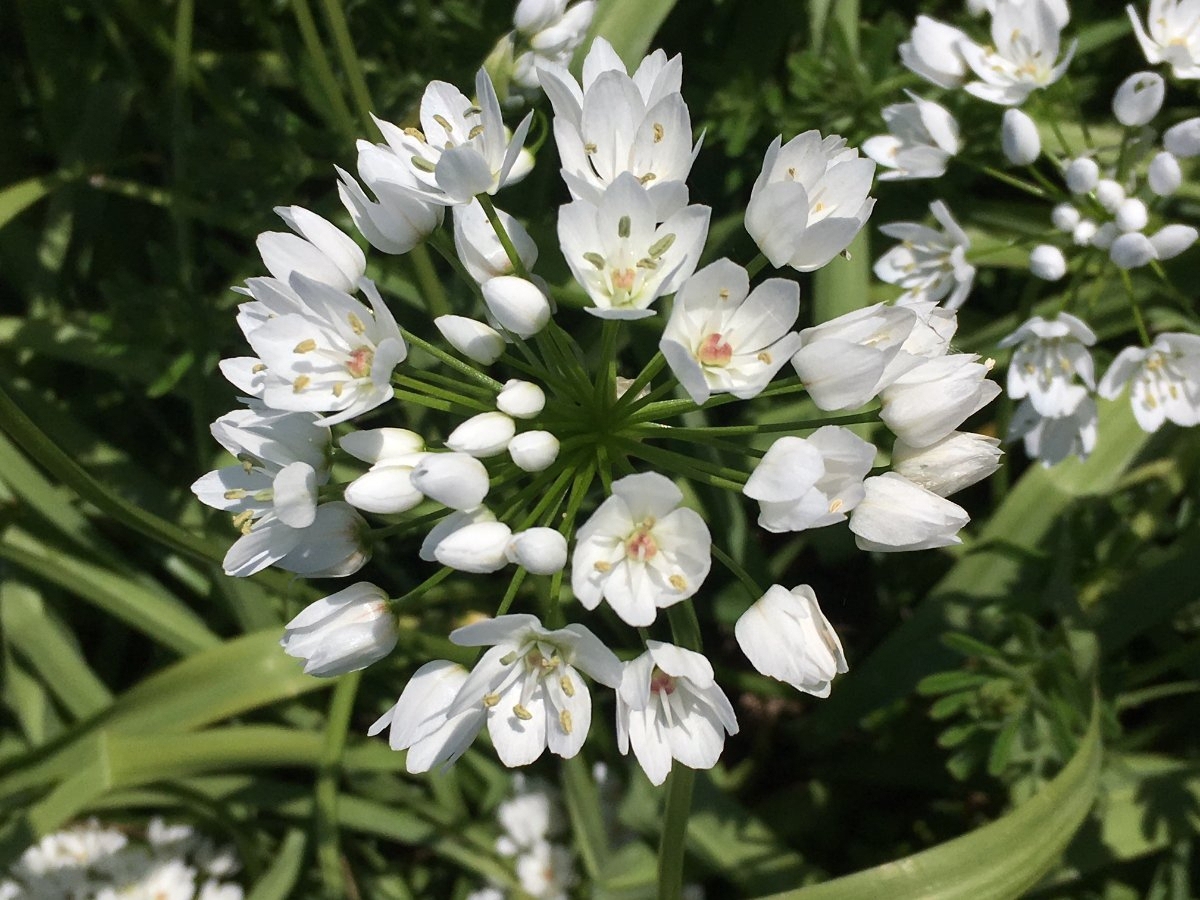
Sometimes there are spelling (orthographical) variants. Allium neapolitanum used to be spelled A. neopolitanum; you will find both in Calflora crosswalked to the same species.

Photo by Jennifer Mo.
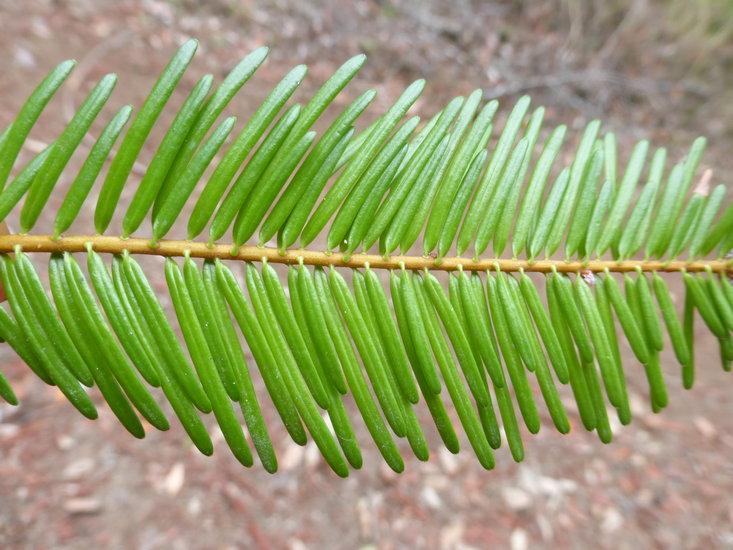
Example of Lumping


Photo by Zoya Akulova.
Example of Splitting

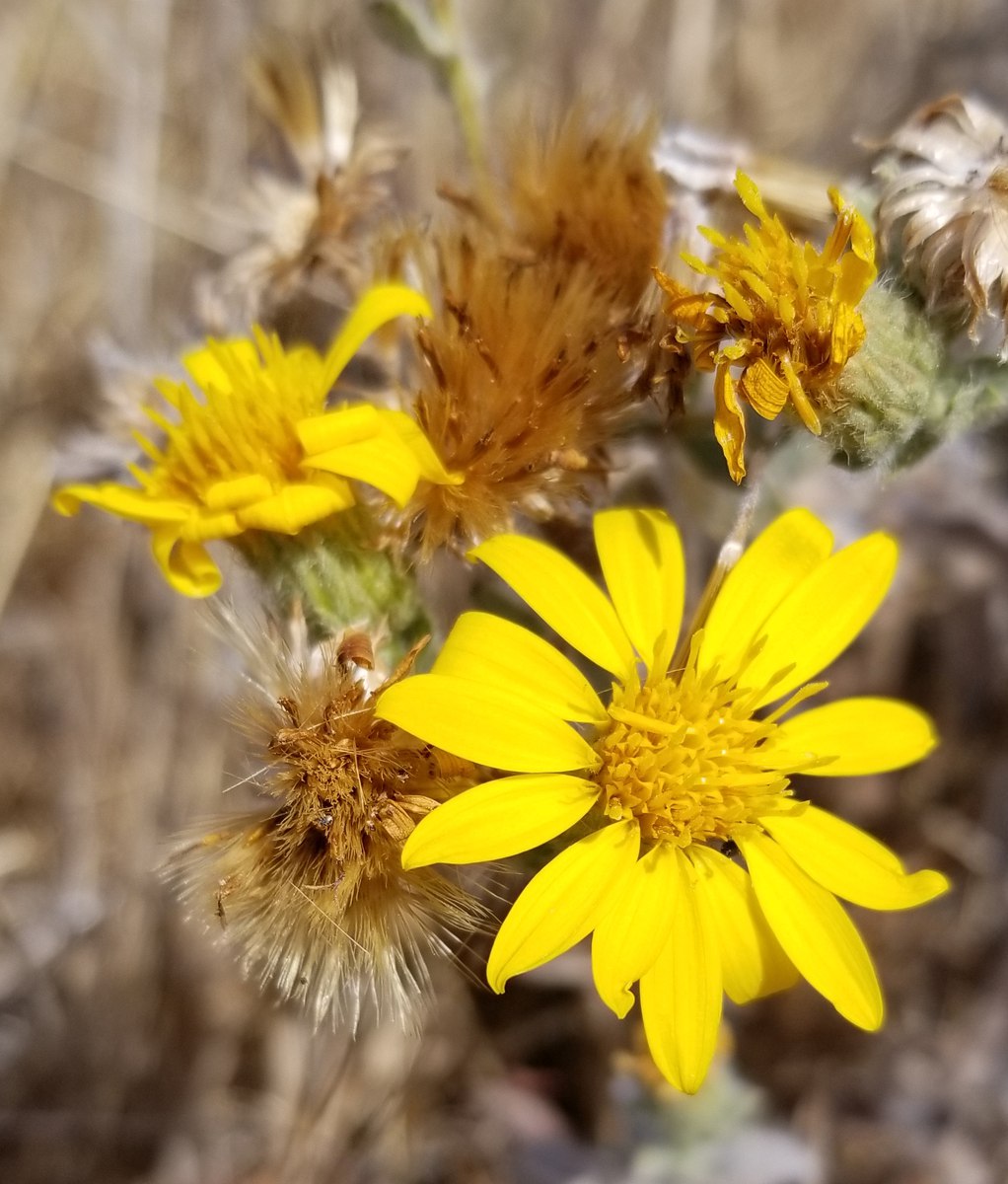
What was Chrysopsis villosa is now either Heterotheca sessiliflora or Heterotheca villosa. Inactive names can be found under Calflora's Plant Name Status, e.g. Chrysopsis villosa.

Photo by Stacie Wolny.
Calflora does not change the plant names on data submitted to the Calflora Database. Instead, we crosswalk, or translate, old plant names to new ones.
When you submit a photo of a wild plant to the Calflora Database, the name you assign to the plant will not be changed; it will automatically crosswalk to the new species name, if and when there is one.

Tracking the history of name changes across time provides a fascinating view of how our botanical knowledge is evolving.
Did you miss these?