National Black Family Cancer Awareness Week:

Improving Cancer Outcomes Through Education and Community Engagement

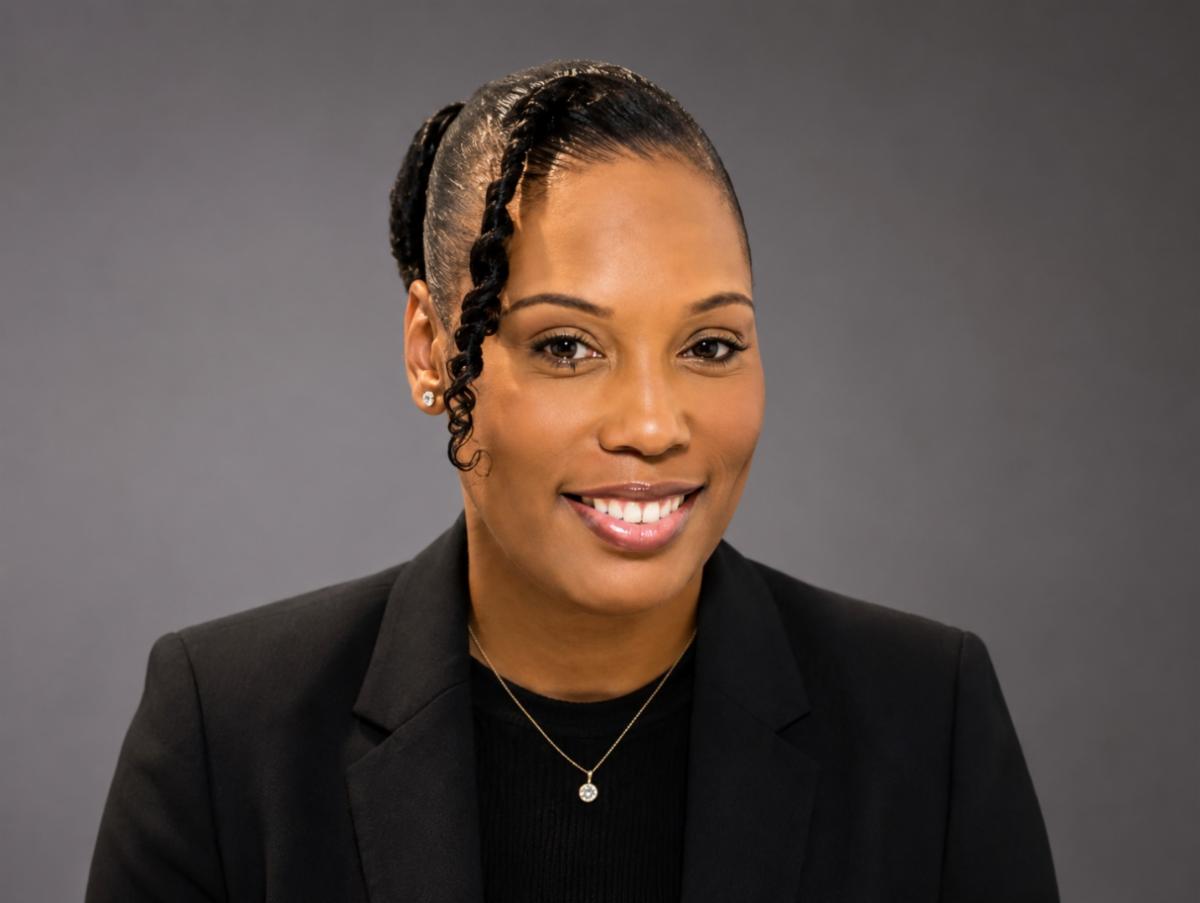
By: Pamela Ratliff, MPA, Public Health Strategist and Change Agent

Pamela Ratliff, MPA is a nationally recognized public health leader and change agent with more than 20 years of experience in research, public health, and academia. She has pioneered culturally innovative initiatives that integrate stakeholder engagement, cancer education, community partnerships, technology, and research science. Pamela currently serves as Program Director of Educational Initiatives and Partnerships at the Stanford Cancer Institute Office of Community Outreach and Engagement. Widely honored by professional organizations, community groups, academic institutions, and elected officials at the local, state, and federal levels, she is known for her visionary leadership, compassion, and unwavering commitment to health optimization and cancer control and risk mitigation. Through her work, Pamela bridges the gap between institutions and multifaceted communities, helping ensure that cultural, language, financial, and systemic barriers do not stand in the way of quality cancer care and support for all.


Each year, National Black Family Cancer Awareness Week serves as an important reminder that cancer does not affect all communities equally. A cancer diagnosis can bring tremendous uncertainty as well as many difficult decisions. For Black Americans, those challenges are often compounded by higher rates of certain cancers (breast, prostate, lung, colorectal, and cervical), later diagnoses, and lower survival rates. While progress has been made in cancer research and treatment, persistent disparities underscore the need for greater awareness and education, earlier detection, and more equitable access to care.


Cancer is the second leading cause of death in the United States, but for Black Americans, the impact is especially severe. Black men, for example, are more likely to develop and die from prostate cancer compared to any other racial or ethnic group in the United States. In addition, Black women are more likely to be diagnosed with aggressive forms of breast cancer, such as triple-negative breast cancer, and at younger ages. They are also approximately 40 percent more likely to die from breast cancer than white women. In the United States, Black women are more likely to die from cervical cancer than other women. Colorectal cancer and lung cancer also contribute significantly to higher death rates in Black communities. The disparities noted are not due to biology alone and are influenced by a range of factors, including differences in access to care, socioeconomic conditions, environmental exposures, and systemic inequities within the healthcare system. Just as importantly, delays in diagnosis and treatment often reduce the chances of successful outcomes and survival according to research supported by the Centers for Disease Control and Prevention (CDC). Read full article with additional resources here.


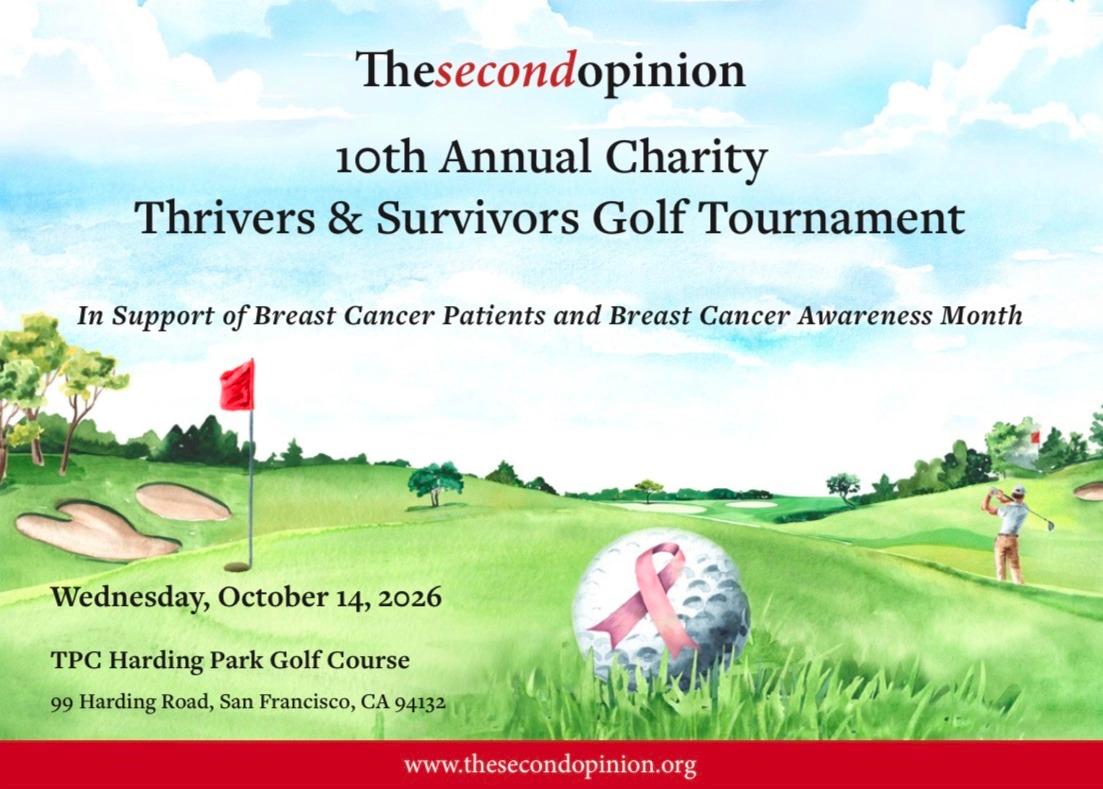
2026 THRIVERS & SURVIVORS CHARITY GOLF TOURNAMENT

In Support of Breast Cancer Patients and Breast Cancer Awareness Month


OCTOBER 14 - TPC HARDING PARK GOLF COURSE

SPONSOR OPPORTUNITIES

We play for survivors, the fighters, and the future. Your sponsorship directly empowers us to provide clarity, compassion and hope to patients facing a cancer diagnosis.


Sponsorship Levels:


Champion Sponsor - $5,000 (includes a foursome)

Masters Sponsor - $3,000

Classic Sponsor -$1,500

Tournament Contributor - $500


All sponsors will receive:

  • Name/logo on printed event materials
  • Recognition on the 1st and 10th tee boxes
  • Acknowledgment on social media
  • In-kind donations are also welcome and appreciated.


Event sponsors and in-kind donations for our raffle and auction are critical in making this event a success.

SUPPORT RESOURCES

Stanford Cancer Institute (SCI)

Breast Cancer and African Americans Conference


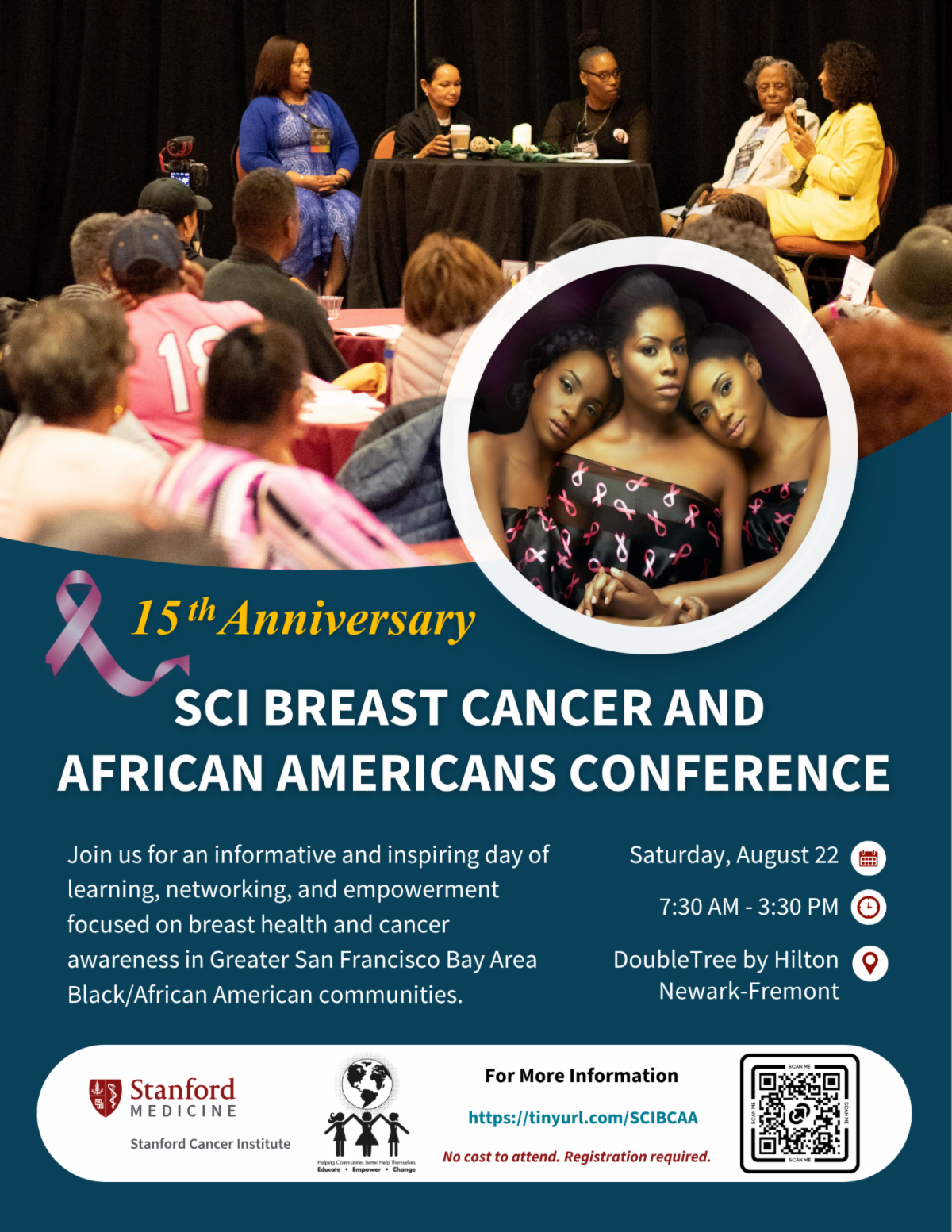
SCI Breast Cancer and African Americans Conference. Now in its 15th year, the conference is dedicated to reducing disparities and improving health outcomes for Black/African American communities within the Greater San Francisco Bay Area and neighboring counties.


Saturday, August 22, 2026

7:30 AM to 3:30 PM

Double Tree by Hilton Newark-Fremont

39900 Balentine Drive

Newark, CA 94560


Click here to register


Sister to Sister Program


Support • Education • Wellness • Community


The Sister to Sister Program provides a safe, supportive, and welcoming space for African American women impacted by cancer.


Facilitated by Dolores Moorehead, MS, LPCC, the program fosters connection, empowerment, and healing through peer support and education. Support group schedule:


Alameda County Group: First and third Wednesdays of each month at 6:00 p.m. via Zoom


Contra Costa County Group: Second and fourth Thursdays of each month at 6:00 p.m. via Zoom


For more information call (510) 601-4040 or go to www.wcrc.org

Touch, The Black Breast Cancer Alliance drives the collaborative efforts of patients, survivors, advocates, advocacy organizations, health care professionals, researchers and pharmaceutical companies to work collectively, with accountability, towards the common goal of eradicating Black Breast Cancer.


See faces and read the stories of Black Blessties who are in this fight with you and connect with a breast cancer survivor. Click here - Blesstie Love


General Metastatic Cancer Support Group 


Dates: First and third Monday, from 6:00 to 7:30 p.m. via Zoom

Facilitated by Laura Crutchlow, LCSW


This group is for individuals living with metastatic breast cancer or recurrent ovarian cancer. Together, participants share experiences, explore ways to navigate the complexities of treatment and daily life, and find strength in community.


To register or learn more, please contact BACC's Helpline at (650) 326-6686 or mail info@bayareacancer.org.

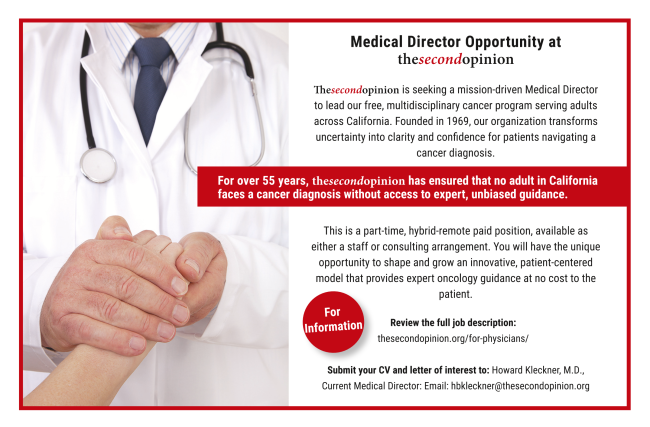
Your Expertise Can Change Lives:

Become Our Medical Director

We're seeking a mission-driven Medical Director to lead our free, multidisciplinary second-opinion program for California adults diagnosed with cancer.

Learn more: Read the full job description here.

Facebook  Instagram  LinkedIn