|
Anne Burkett
NADEC Chair, Alabama DEC
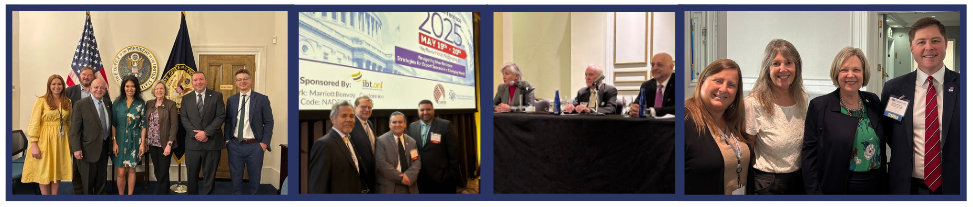
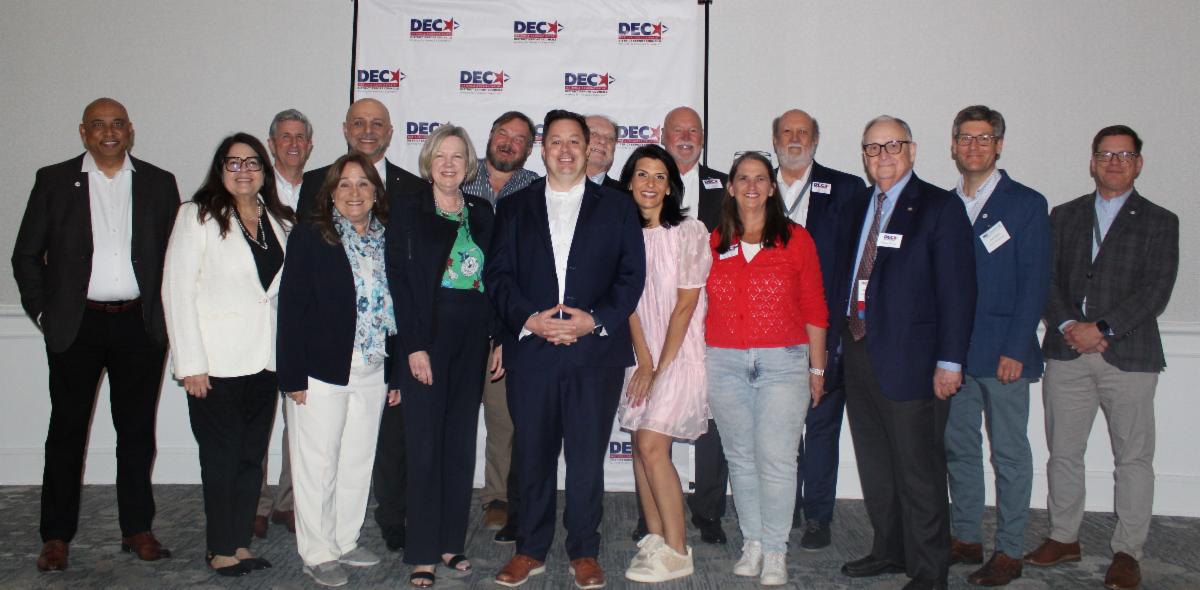
NADEC greatly appreciates everyone who joined us in Washington, D.C. in May for the 2025 NADEC Annual Export Conference. We are grateful to all the speakers who shared their wealth of expertise on how to engage with and navigate the current and evolving trade policies and environment. We highlighted many useful tools to help in this endeavor. AI, as a key trade tool, was discussed at the conference so I decided to give it a try and asked it to write the following article based on notes from the conference. I hope this conference summary will be beneficial and encourage you to continue to engage with the NADEC, your local DEC trade community, and try out AI for TRADE! Please see the link to the NADEC Annual Conference notes in the Annual Conference section below.
🌐 2025 NADEC Annual Export Conference Highlights: Key Insights for U.S. Exporters
The 2025 NADEC Annual Export Conference, held in Washington, DC under the theme “Navigating New Horizons: Strategies for Export Success in a Changing World,” brought together trade leaders, policymakers, and business executives to address emerging challenges and strategies in global commerce.
🔍 Trade Policy & Tariff Trends
Discussions centered on shifting supply chains away from China, driven by tariff pressures and geopolitical risk. Speakers recommended looking to Mexico and Southeast Asia for alternative sourcing and emphasized the need for accurate Harmonized Tariff Schedule (HTS) classifications to avoid costly compliance issues.
Legal experts warned that U.S. Customs is increasing enforcement and penalties for misclassification and documentation errors. Companies were strongly advised to consult customs brokers and trade attorneys for up-to-date guidance.
🛠 Strengthening Supply Chain Resilience
Supply chain transparency emerged as a core theme. Businesses were encouraged to map supplier networks and understand true product origins, particularly to ensure compliance with USMCA and avoid penalties tied to improper country-of-origin claims.
Speakers urged a balanced approach to reshoring: not all processes need to return to the U.S., but critical areas should be reassessed for localization or diversification.
🚨 Export Controls & Global Enforcement
With global tensions rising, export compliance has grown more complex. Regulatory frameworks like EAR and ITAR are seeing stricter enforcement—especially regarding sensitive technologies and markets like China, Russia, and the Middle East.
Firms were urged to review licensing obligations, verify end-users, and stay updated through internal audits and engagement with compliance professionals.
🌱 CBAM: The EU’s Carbon Policy & U.S. Implications
The Carbon Border Adjustment Mechanism (CBAM) is reshaping the way U.S. exporters engage with the EU. Initially targeting steel and aluminum, CBAM introduces emissions reporting and certificate purchases based on carbon intensity. While designed to curb “carbon leakage,” it places a heavy administrative burden on SMEs.
The EU is considering exemptions and digital tools to ease compliance—but businesses must start preparing now.
🤖 AI & Digital Transformation in Exporting
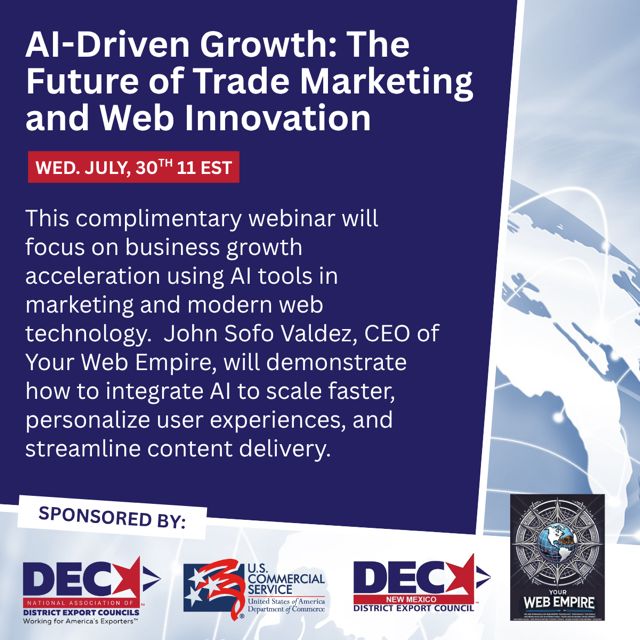
AI was spotlighted as a transformative tool for SMEs. Presenters shared practical ways to use generative AI (like ChatGPT) for market research, digital marketing, and training. Programs like “AI Fridays” were recommended to help teams adopt and test AI safely.
⚠️ Caution: Free AI tools pose data privacy risks. Always use enterprise-grade platforms for sensitive business operations.
💵 Export Financing Options
Representatives from EXIM Bank, SBA, and private lenders highlighted new tools and programs to support growing exporters. The Emerging Exporter Program, flexible trade credit, and risk insurance solutions are making global trade more accessible—especially for early-stage companies.
🚀 Energy, Defense & Agri-Trade Opportunities
Panels on clean energy innovation, aerospace/defense exports, and agricultural trade underscored new growth frontiers. Resilience, modernization, and sustainability are key to staying competitive in a volatile market.
🏛 DEC Leadership & Education Initiatives
District Export Councils (DECs) shared best practices in education, outreach, and legislative engagement. Programs like Export University and DNA University are empowering the next generation of global trade professionals.
📢 Stay Connected:
For resources, event updates, and export support, visit www.usaexporter.org and engage with your local DEC. The future of global trade is being shaped now—don’t miss your seat at the table.
|