|
• Beach Mice Ambassadors
• 2026 Annual Meeting
• Balcones HCP Turns 30
| |  | |
• Santa Ana River Wash HCP
• Federal "Harm" Rule Change
• Join the Coalition!
| | ESCAMBIA COUNTY ANNOUNCES AMBASSADOR BEACH MICE (FLORIDA) | | By: Jordan Wingate, Environmental Program Manager, Coastal Programs Division, Escambia County, and Kindall Butler, Environmental Specialist, Marine Resources Division, Coastal Programs, Perdido Key Beach Mice, Escambia County, Florida | | |
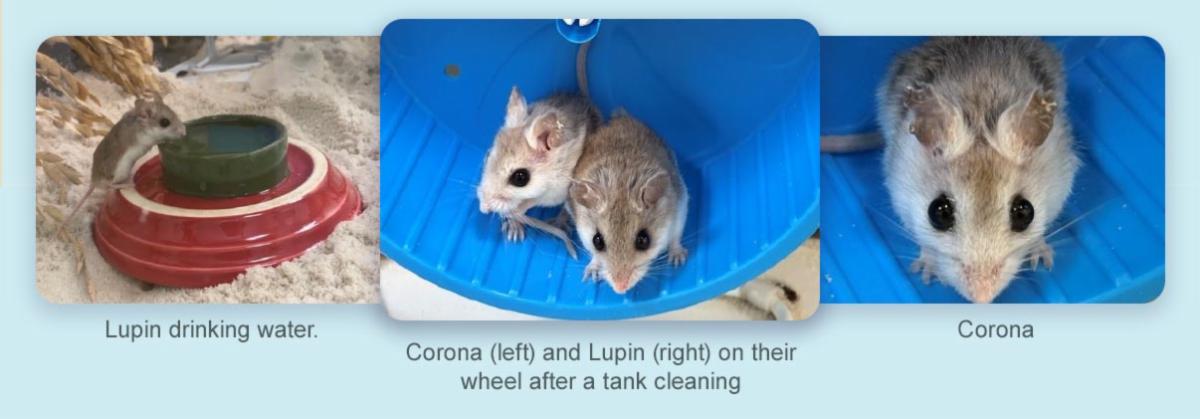
Escambia County Natural Resources Department received two Perdido Key beach mice on June 26, 2026, from Brevard Zoo as education ambassadors – Corona and Lupin!
Escambia County (Florida) is home to two species of beach mice: the Santa Rosa Island beach mouse, found on Pensacola Beach, and the federally listed Perdido Key beach mouse that lives exclusively on Perdido Key. The Perdido Key Beach Mouse is one of three species protected under Escambia County’s Perdido Key Habitat Conservation Plan (HCP), which also covers nesting sea turtles and shorebirds and ensures species conservation while permitting development on the island. These nocturnal mice live in small burrows underground during the day and forage the dunes at night, feeding on seeds and dispersing them through the dune ecosystem, helping to stabilize dunes that protect the mainland during tropical storms and hurricanes.
Escambia County plans to launch a live camera on their website to view their resident beach mice at night, along with photos and videos of them sleeping underground. Keep an eye out for Escambia County’s naming event where the public can donate $5 for a chance to rename Corona and Lupin!
| | | | ROOTED IN SCIENCE: CONNECTING COMMUNITY WITH CONSERVATION | Join us at the 2026 National Habitat Conservation Planning Coalition Annual Meeting! | | By: Abby Fateman, President, National HCP Coalition | |
Register now! The 2026 National HCP Coalition Annual Meeting - Rooted in Science: Connecting Community with Conservation - will be in Seattle, Washington from October 26–28. The event brings HCP practitioners, agency staff, and conservation partners together for three days of educational sessions, field trips, and networking.
Whether you're just exploring developing an HCP or well into implementing a plan, join the National HCP Coalition’s Annual Meeting to dive into some of the field's biggest topics, including permitting energy projects, recreation on conservation lands, forestry management, innovative monitoring techniques, strategic implementation partnerships, and landowner agreements.
National HCP Coalition members may register at a discounted rate - one more reason to join before the meeting. Sponsorship opportunities are also available at every level. Contact Rebecca Sloan at rebecca.sloan@merjent.com to learn more.
Register today, visit nhcpcoalition.org for updates, or subscribe to our newsletter.
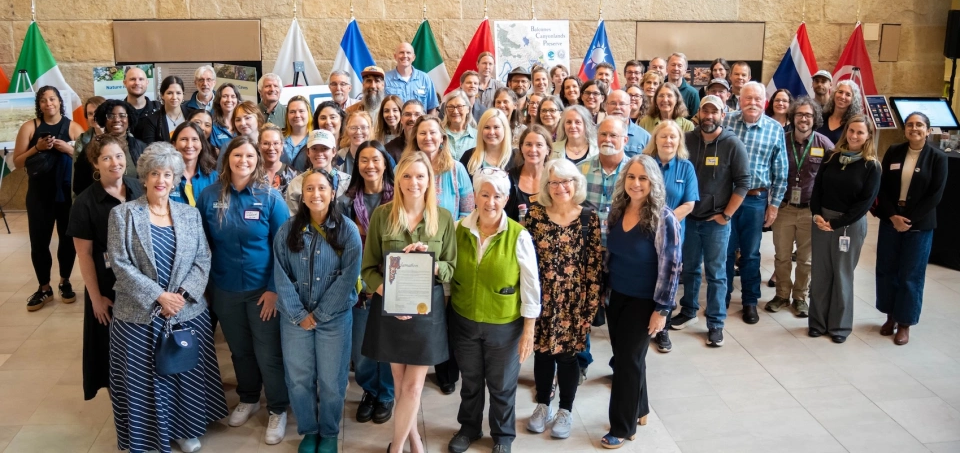
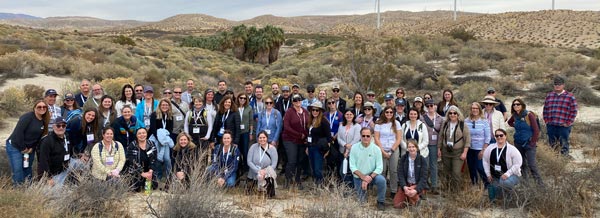
| | EXPLORE THE CEDAR RIVER WATERSHED! JOIN US ON A FIELD TRIP AT THE ANNUAL MEETING! | The Annual Meeting field trips will explore floodplain restoration and fish passage on the Lower Cedar River, forest restoration and monitoring in the Upper Cedar Watershed, and the work of the Cedar River Education Center. Select your field trip and sign up when you check in for the conference in Seattle! | | | BALCONES CANYONLANDS CONSERVATION PLAN CELEBRATES 30 YEARS (TEXAS) | Landmark HCP protects over 33,000 acres for central Texas endangered species | By City of Austin - Wildland Conservation Division Staff | | Photo of City of Austin and Travis County staff working to implement and manage the Balcones Canyonlands Conservation Plan. The City of Austin recognized May 2 as Endangered Species Conservation Day in honor of this important milestone for the plan. (Credit: Office of Austin Councilmember Paige Ellis) | |
In May 2026, the City of Austin and Travis County, Texas celebrated the 30th anniversary of the Balcones Canyonlands Conservation Plan. This community-based solution allows land development to occur in western Travis County while continuing to protect habitat through mitigation measures. This conservation plan established the Balcones Canyonlands Preserve, a network of lands that make up one of the country’s largest urban preserves. The preserve protects habitat for some of Central Texas’s most vulnerable species – including the endangered Golden-cheeked Warbler and six endangered karst invertebrates – and some of Austin’s most loved outdoor spaces.
Over the past 30 years, this conservation plan has been a major economic engine in the region by providing private property owners with cost-effective mitigation for authorized take while protecting the most ideal habitat within the preserve. The preserve reflects Travis County’s and Austin’s ingenuity, cooperative spirit, and respect for the natural environment.
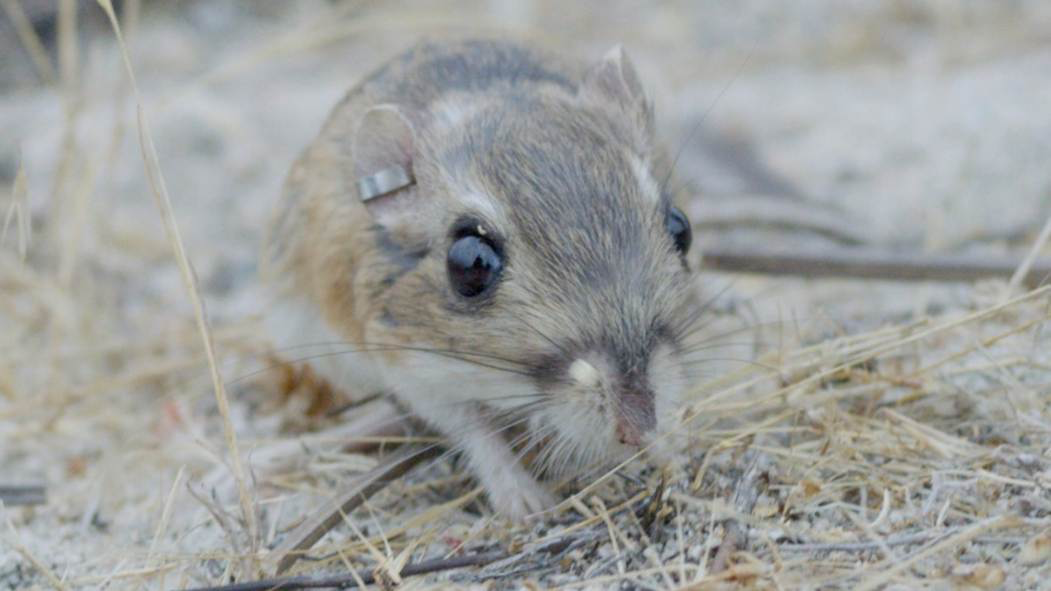
| | THE UPPER SANTA ANA RIVER WASH HCP: SIX YEARS OF INTELLIGENT IMPLEMENTATION (CALIFORNIA) | By: Betsy Miller, General Manager, San Bernardino Valley Water Conservation District, and National HCP Coalition Board Member. | | San Bernardino kangaroo rat (Dipodomys merriami parvus) in the Santa Ana River Wash. | | |
Adopted by our Board of Directors in July 2020, the Upper Santa Ana River Wash Habitat Conservation Plan in California turned six this summer. We are celebrating how science, collaboration, and a deep connection to place are shaping the next chapter of conservation in the Wash!
| | |
With the HCP as our foundation, our two-person compliance team worked with the U.S. Geological Survey’s Biological Resources Division to develop a San Bernardino kangaroo rat monitoring protocol, which we now also use for range-wide species surveys. The five years of data collected through this percent-area-occupied approach are resulting in real-world changes, informing nearly 300 acres of restoration.
This work matters. For more than a century, groundwater recharge has coexisted with habitat for threatened and endangered species throughout the Upper Santa Ana River Wash. Today, this working landscape provides refugia amid extensive development. We are honored to study and steward a place that gives so much to our region.
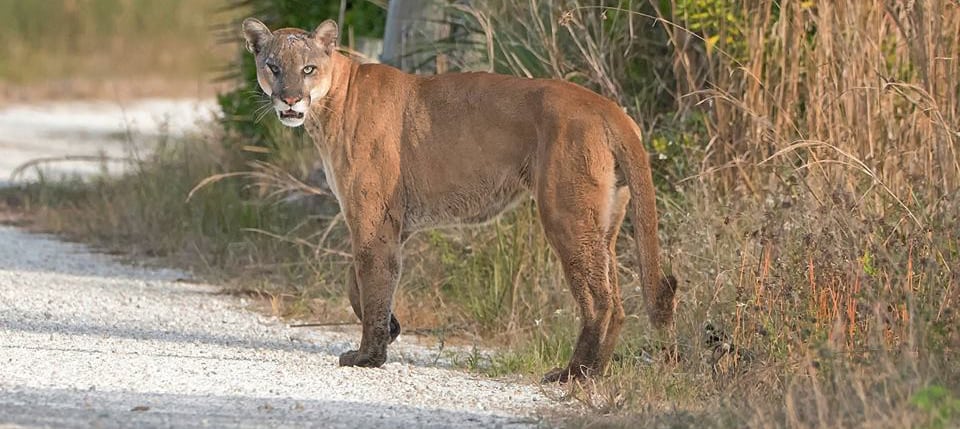
| | "HARM" DEFINITION TO BE REMOVED FROM ENDANGERED SPECIES ACT REGULATIONS | By David Zippin, Senior Vice President, ICF, and National HCP Coalition Board Member | | Florida panther (source: The Wildlife Society) | | |
On July 14, the U.S. Fish and Wildlife Service and National Marine Fisheries Service (Services) jointly published a final rule that will change the federal Endangered Species Act (ESA). Specifically, the Services removed the definition of "harm" from federal regulations effective September 14, 2026. The Services chose not to replace the definition.
This change affects both federal actions under Section 7 (consultations) and non-federal actions under Section 10 (habitat conservation plans and conservation benefit agreements). The change only affects new permits and authorizations; it is not retroactive to existing permits or authorizations.
What does it mean?
Put simply, this regulatory change means that the Services no longer consider the removal or degradation of a listed species’ habitat, by itself, to be “take” as defined by the ESA. How this is applied in practice will vary by project and by listed species. Since “harm” is no longer defined, in part, by habitat loss or degradation, the Services will likely interpret “take” to be limited to direct effects on individuals of the species. This means that take will likely be limited to instances where there is clear injury or mortality to a listed species from a proposed project or activity. The change takes effect September 14, 2026.
| | JOIN THE NATIONAL HCP COALITION TODAY! | |
Are you a member of the National HCP Coalition yet? Whether you're exploring an HCP, deep in development, or already implementing one, the Coalition is here to support your work — and every member strengthens the entire HCP community.
The Coalition was formed to advance landscape-scale, regional HCPs as local solutions that balance economic development with the conservation of threatened and endangered species.
Your membership directly supports our annual meeting, updates to our online HCP resources, and the regular newsletter you rely on. It also helps sustain a unified national voice in Washington, DC advocating for continued federal funding for HCP development and implementation, while giving you direct access to HCP experts, technical guidance, and success stories from across the country. Members also receive a discounted rate at our Annual Meeting, coming up this October (see below for details).
Membership is open to implementing entities, agencies, non-profits, consulting and law firms, and individuals, with dues scaled to fit your organization.
Ready to invest in the future of HCPs? Visit nhcpcoalition.org/membership to join.
| | | | |