Is this email not displaying correctly? View as Webpage

Spring 2026 Newsletter

IN THIS ISSUE

  • New Website
  • 2026 Annual Meeting
  • Santa Clara Valley Habitat Plan Amendment 
  • Carlsbad Habitat Management Plan Implementation
  • Washington, DC Advocacy Trip
  • 2025 Survey Results 


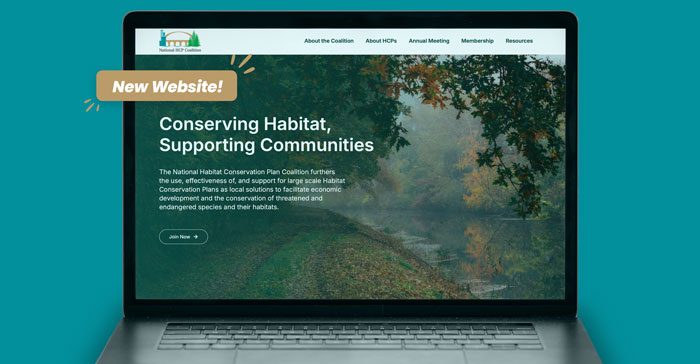
EXPLORE OUR NEW WEBSITE!

Visit us at nhcpcoalition.org to explore resources relating to planning and implementing HCPs, joining the Coalition, and receiving updates about our upcoming Annual Meeting in Seattle, Washington from October 26-28, 2026. ï»¿


We'd love to hear from you — send suggestions for website improvements or additional content to nhcpcoalition@gmail.com.


Mark your calendars for October 26-28, 2026

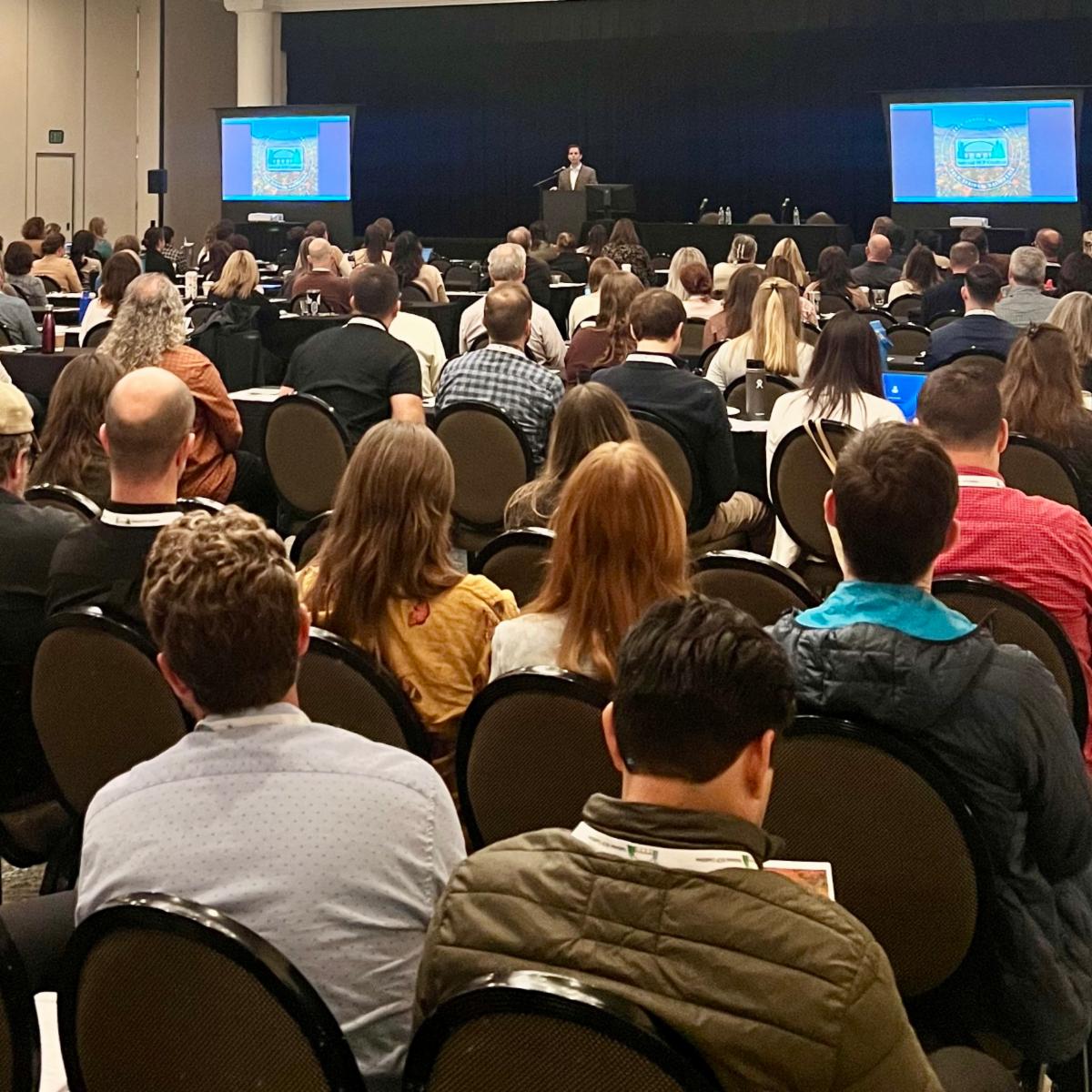
Join us for the 2026 Annual Meeting in Seattle, Washington!

For more information, please visit our upcoming Annual Meeting page for registration details, sponsorship opportunities, and event updates. To learn more about past meetings, please visit our Annual Meeting archive

Present at the 2026 Annual Meeting!

Presentation topics can include:

✅ Energy Projects and Species Protection

✅ Recreation on Conservation Lands

✅ Forestry HCPs

✅ Pacific Northwest HCPs

✅ Innovative Monitoring Technologies

✅ Implementation Partnerships

✅ Landowner Agreements and Certificates of Inclusion

✅ And Many More!

Submit Your Abstract by May 29, 2026


We look forward to hearing from you! 


First-time Annual Meeting Attendee? ï»¿
Apply for the John Hopkins Scholarship

The Coalition offers the John Hopkins Annual Meeting Scholarship to provide financial support up to $3,000 to first-time annual meeting attendees. The Coalition established the scholarship in memory of John Hopkins, a visionary and dedicated conservationist, founder of the Institute for Ecological Health, and founder of the California Habitat Conservation Planning Coalition and the National HCP Coalition. 


Growing Season: Santa Clara Valley Habitat Agency Expands Conservation Vision
Plan Amendment In Progress - Northern California

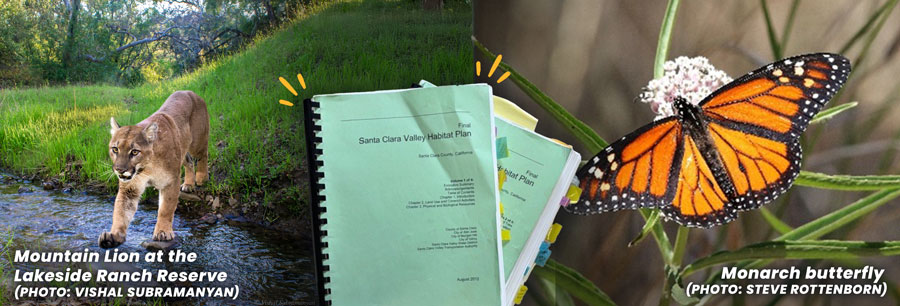
The Santa Clara Valley Habitat Agency (SCVHA) is responsible for the implementation of a regional HCP that provides a streamlined permitting process for urban development, infrastructure and economic development activities undertaken in Santa Clara County, three cities, and the water district and transportation agency in the Silicon Valley area of California. SCVHA is expanding its conservation vision through an amendment to the Santa Clara Valley Habitat Plan (Plan). 


Initiated in Spring 2022, the Plan Amendment seeks to expand the list of covered species from 18 to 25 and increase the Plan area by 150,000 acres, a 30% increase. In Spring 2026, SCVHA will share the Plan Amendment with the wildlife agencies for their anticipated approval.

Following early success in implementation of the Plan, this amendment is driven by three factors: 


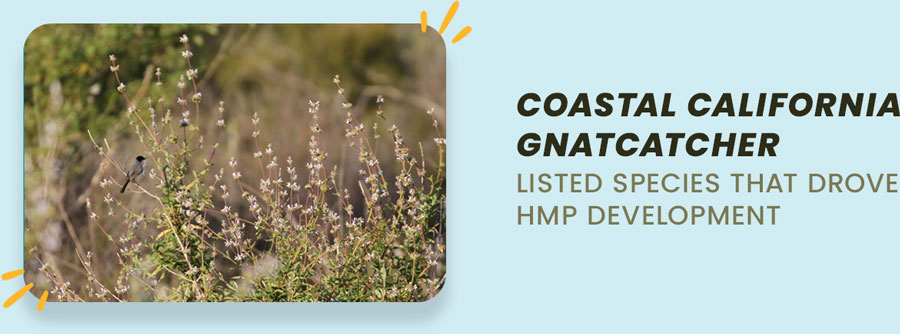
➊ Extending coverage to several imperiled wildlife species not originally covered by the Plan because they are now candidates for listing under the California ESA or Federal ESA; 


âž‹ Expanding streamlined permitting benefits to a larger geographic area; and


➌ Strategic text changes to improve efficiency of implementation and reduce the cost of the Plan.


Habitat Conservation Plans in Action   

Implementing the Carlsbad Habitat Management Plan (HMP) – Southern California

Adrienne Lee, Environmental Science Associates Managing Biologist & City of Carlsbad Preserve Steward, speaking with Rosanne Humphrey, City of Carlsbad HMP Program Manager

AL: Can you provide an overview of your HCP? 

RH: The City of Carlsbad (City) Habitat Management Plan (HMP) is an HCP that covers the City of Carlsbad jurisdiction in San Diego County, California. The HMP is a 50-year permit and in Year 21 of implementation.


AL: What are unique components of your HCP?

RH: The HMP is a Subarea Plan to a Subregional Plan for the northwestern portion of San Diego County. The Subregional Plan covers multiple jurisdictions, but each jurisdiction prepares its own Subarea Plan for adoption.


The HMP was the first Subarea Plan adopted under the Subregional Plan; part of its conservation strategy is to integrate over 100 pre-existing preserves not owned by the City into the City’s preserve system. However, these pre-existing preserves are privately owned and generally do not have management requirements or funding, making implementation on these lands tricky. No other jurisdiction under the Subregional Plan has an adopted Subarea Plan.


AL: What unexpected challenges have you encountered during implementation?

RH: The intense pressure the preserve system is facing from people - greater than ever anticipated during plan development. Social media can rapidly expose local recreation spots, driving sudden increases in visitation, placing unforeseen pressures on natural resources that challenge existing management capacity.


In addition, jurisdictions historically benefited from long-term staff continuity, but many of those employees have retired and today’s workforce tend to switch employers more frequently. This faster turnover requires the City to continually re-educate their own institution and staff about the purpose and importance of the HMP.


AL: What has been the most fulfilling aspect of implementation so far?

RH: The HMP is real world conservation. You see the completion of restoration projects, the creation of preserves, and the establishment of preserve system connections.

Coalition Takes HCP Advocacy to Washington, D.C.

Two days of high-level meetings reinforce the need for funding, timely grant implementation, and strong federal partnerships

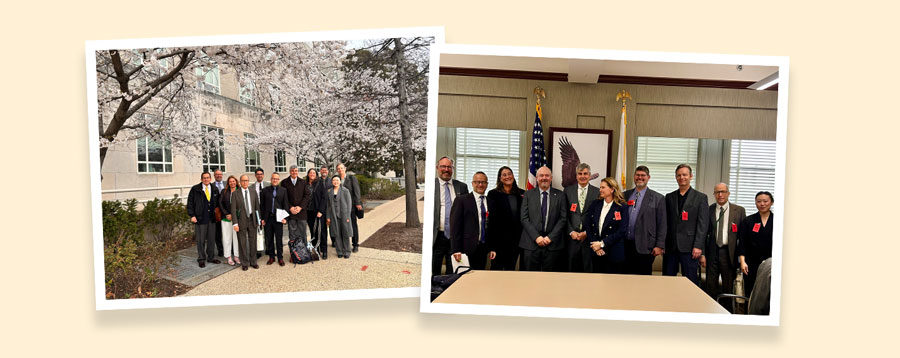
Coalition members traveled to Washington, DC on March 25–26, 2026 to meet with congressional staff, appropriators, and agency leadership to advance support for Habitat Conservation Plans (HCPs). The Coalition emphasized the critical role HCPs play in navigating species conservation with economic activity and the need for sustained federal investment.


Across meetings with House and Senate offices and key committees, the Coalition delivered four core messages: increase funding for HCP planning and land acquisition through the Cooperative Endangered Species Conservation Fund (often referred to as Section 6 grants); expedite release of awarded 2025 land acquisition grants; provide clarity on the 2026 Notice of Funding Opportunity (NOFO); and retain experienced U.S. Fish and Wildlife Service (USFWS) staff to ensure effective program implementation.


A key outcome was a meeting with USFWS Director Brian Nesvik and Department of the Interior Associate Deputy Secretary Karen Budd-Falen. Coalition members addressed questions about regional multi-species HCP that involve partnership between local agencies, states, and others implementing the Federal ESA to efficiently permit development while conserving habitat to facilitate species recovery. Director Nesvik invited the Coalition to help advise on strengthening technical and institutional support for these efforts. The Coalition is following up to advance this collaboration at a national scale.


Coalition members also met with additional congressional offices to reinforce these priorities and build support for future funding and policy alignment. Participants represented regional conservation agencies, consulting firms, and nonprofit organizations committed to advancing HCP implementation nationwide.


HCP Survey Results 

Thank You to Respondents!


The Coalition received 30 responses to the late 2025 survey representing organizations with HCPs in various stages across the country (including developing, implementing, and amending HCPs and ITPs), as well as HCPs with different covered species and activities. 


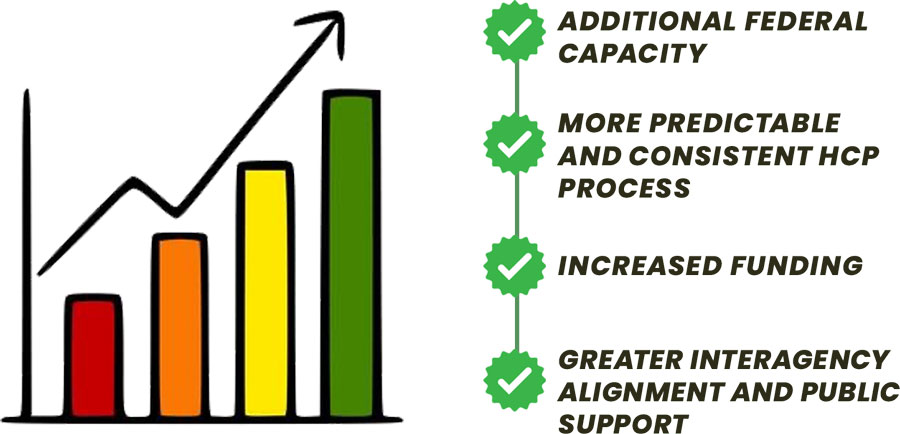
Responses highlighted four consistent needs:


✅ Additional federal capacity. Respondents said the need for additional federal staff is the primary limiting factor to HCP planning and implementation, with staffing shortages, turnover, and inconsistent staff interpretations contributing to delays in plan development, NEPA reviews, amendments, and permit renewals.


✅ More predictable and consistent HCP process. Respondents identified the need for streamlined pathways, standard templates, and an updated HCP Handbook to reduce late-stage revisions and shifting expectations. 


✅ Increased funding. Respondents noted durable HCP implementation requires increased funding, pointing to persistent gaps between need and availability of federal Section 6 funding.


✅ Greater interagency alignment and public support. Respondents identified a greater need for collaboration and alignment between agencies, as well as public support. 


Support the National Habitat Conservation Plan Coalition!

Become a member, Sponsor the Annual Meeting, 
Join a NHCPC committee!

X Share This Email
LinkedIn Share This Email