| National Patient Safety Week | March 15, 2023 | | | |
|
A Leadership Perspective on Patient Safety
by Stanley Ng, MD
Quality, Value, Data/Analytics & Population Health Chief, UMP
Interim Medical Informatics Director, SMP
| |
As a clinician, patient safety is a promise to deliver quality care to our patients. As a healthcare system, delivering on this promise is critical work and requires a systematic approach to promoting a just and safe culture.
National Patient Safety Week is an acknowledgment and reminder of this promise, the promise we make to our patients, families, and the communities we serve.
|
| |
Psychological Safety in the Workplace
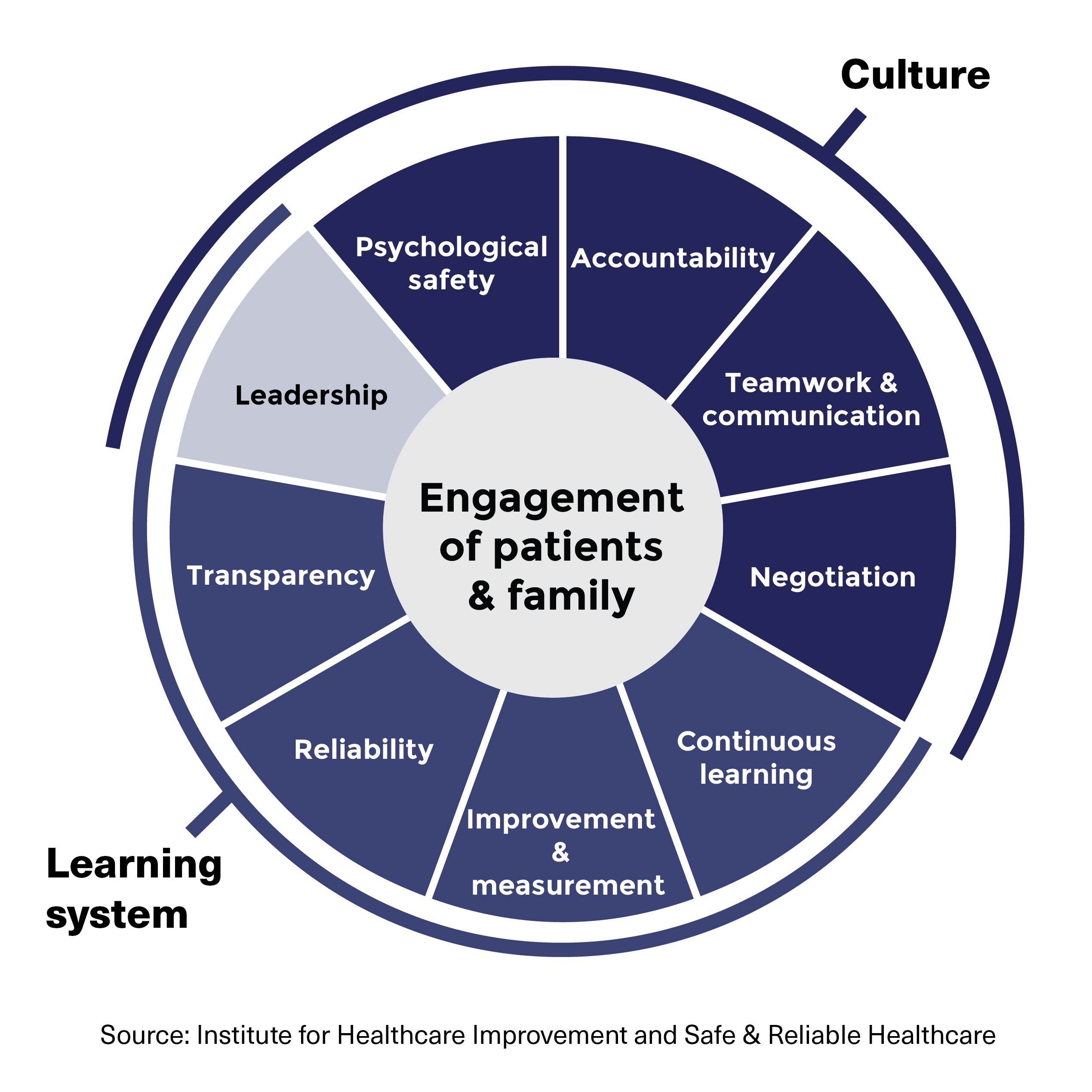
Psychological safety is an important aspect of a culturally safe environment for both staff and our patients.
The Institute for Healthcare Improvement (“IHI”) considers psychological safety as being one of the foundations for safe and reliable care.
In a psychologically safe environment, all team members feel safe to fully express themselves, regardless of position or job title.
| |
| |
|
In this environment, different values, beliefs, and thought processes are welcomed. Ideas and concerns are thought through as a team without fear of retribution, and no idea or concern is dismissed without careful consideration from the team.
Psychologically safe teams welcome questions, are active listeners, and have a shared vulnerability among themselves. When teams feel psychologically safe, there is a greater opportunity for open communication, accountability, transparency, and teamwork. Positive relationships among team members increase both patient and staff safety.
Utilizing daily safety huddles is one way to increase psychological safety. Daily safety huddles should be no more than 3 minutes in length and should include discussions on safety considerations for the day, what went well the day prior, and lessons learned from previous work days.
Huddles give every staff member an opportunity to plan for the day, express concerns, and negotiate and problem-solve together – all of which foster psychological safety in the workplace.
|
| | |
Monthly Medication Expiration Check
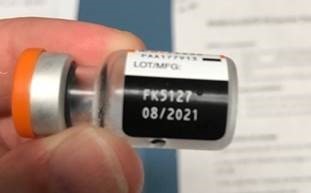
Medication Safety is everyone’s responsibility. One of the best ways to prevent an expired medication from being administered to a patient is to conduct monthly expiration date audits on all medications and vaccines.
Using the SMP Monthly Medication Expiration Check Form, care teams can easily keep track of when medications will expire.
| |
| |
|
Conduct Medication Expiration checks every month on a designated date with a designated person. For example, on the first of every month, the Clinic Supervisor or designee will conduct a thorough check of every medication and its expiration date.
The expiration date of each medication is entered on the tracker. Medications with the soonest expiration date should be moved to the front of the storage bin to be used first.
Remember, if you find an expired medication or if you notice a medication is expiring within the next thirty days, notify your clinic manager/supervisor immediately. There may be an option to return the medication to the manufacturer for a full or partial refund.
If that is not an option, your clinic manager/supervisor has access to the PharmWaste Technology Program which will provide guidance on proper disposal.
SMP Monthly Medication Expiration Check Form
|
| | |
|
You Call the Shots: VIS and the Law
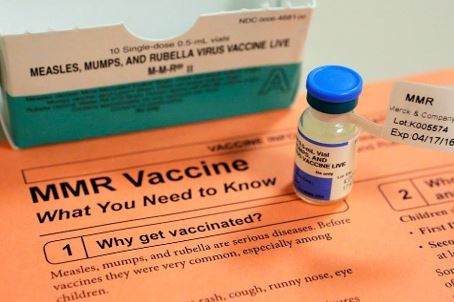
The Vaccine Information Statement (VIS) is a document produced by the Centers for Disease Control and Prevention, in partnership with clinical experts and parents to provide vaccine recipients with information about the risk and benefits of each vaccine.
| | |
|
The VIS does not replace interactions with healthcare providers who are responsible for addressing questions and concerns the vaccine recipient may have.
Per the CDC, VIS sheets are REQUIRED to be given to each vaccine recipient, regardless of their age. For children, VIS sheets are required by the National Childhood Injury Act to be given to the parent/guardian. The VIS must be given prior to every dose, even with a multidose series.”
According to the CDC, there are several ways to give a VIS:
- Paper copies of the VIS can be printed and given to patients prior to vaccination.
- Permanent, laminated office copies may be given to patients to read prior to vaccination.
- Patients may view VIS on a computer monitor or other video display.
- Patients may read the VIS on their phone or another digital device by downloading the pdf file from CDC’s website.
- Patients may be given a copy of a VIS during a prior visit or told how to access it through the internet so they can read it in advance. These patients must still be offered a copy to read during the immunization visit, as a reminder.
Click here to access VISs from the CDC.
Click here to learn more about VIS requirements.
|
| |
Pledge Photos
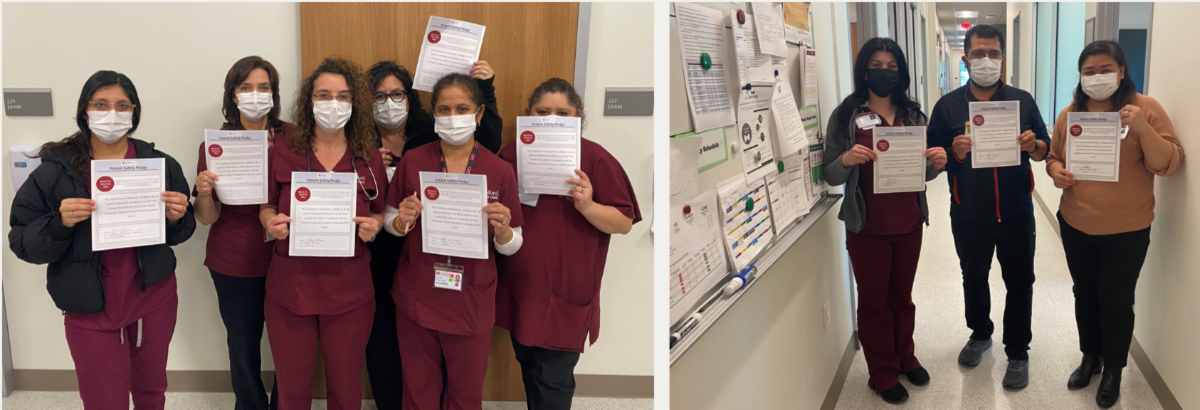
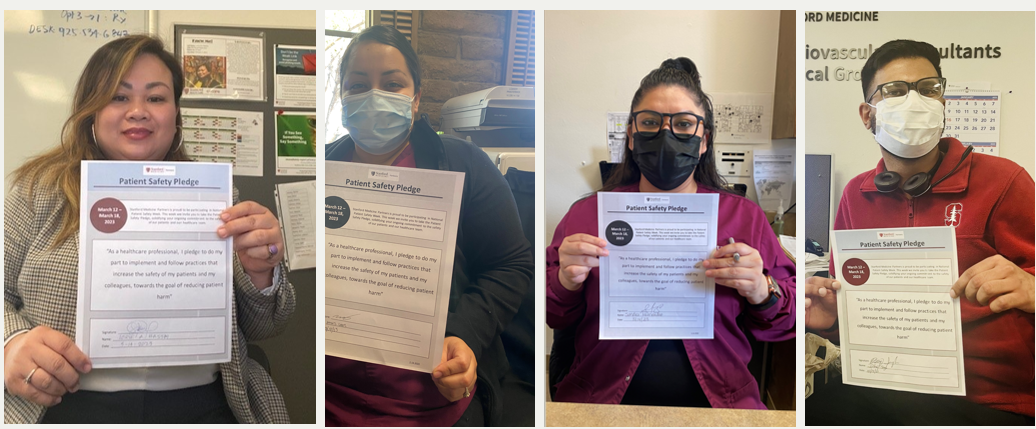
Staff from Stanford Medicine Partners Castro Valley Primary Care (SMPCV), Los Gatos Women's Medical Group (LOWMG), and Cardiovascular Consultants Medical Group (CCMG) Contract Center submitted photos of their pledges! Send your photos to Megan Berry.
| |
Top Left: SMPCV Primary Care staff who signed pledges included (L-R) Karina Gonzalez, MA; Carol Branscum, MA; Maria Thomas, MA; Anna Lopez, MA; Baljit Dhillon, MA; Miriam Trejo, MA.
Top Right: Others to sign from SMPCV were (L-R) Ashley Nevels, OB and PEDS Supervisor; Juan Barajas, Primary Care Supervisor; Chayenne Galanto, PSR Supervisor.
| | |
Above: (L-R) Lorie Hassim, RN, Supervisor, CCMG Contact Center; Anaiz Lopez, MA, LOWMG; Sandra Hernandez, MA, LOWMG; Dilraj Singh, RN, CCMG Contact Center. | | |
Today's Challenge
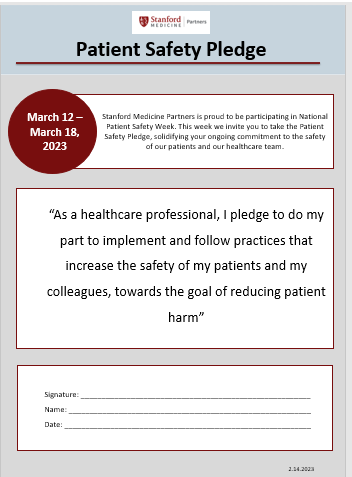
Take the Patient Safety pledge and send your photos to Megan Berry for your chance to be entered in a drawing for 3 - $10 Starbucks gift cards!
Click here to download the pledge.
For today's challenge, answer the three following questions correctly from yesterday’s newsletter and you will be entered in a random drawing for a Starbucks gift card!
| |
| |
- Medications should be stored alphabetically according to the Centers for Disease Control and Prevention. (T/F)
- At SMP we utilize yellow bins for adult medications. (T/F)
- Look-alike and Sound-alike medications should never be stored next to each other. (T/F)
Email your answers to Megan Berry.
Today’s Challenge Winner
Today's Challenge Winner of a $10 Starbucks gift card is Lorie Hassim RN, CCMG Contact Center Supervisor!
| | | | | |