|
Why is Recovery Month important?
Cairo: “Recovery month is important because it brings awareness to addiction and helps destigmatize the disease.”
Robert: “A dedicated month helps us focus our attention on issues that are really vital such as providing help to those who suffer from substance use problems. With recovery we usually think about the individual getting well. I’m going to propose we also think in terms of the individual recovering from the loss of a birthright: a young person’s right to have a loving, nurturing, and safe environment. Some young people with substance use issues grow up with trauma and other adverse childhood experiences, such as intense family conflict, growing up in poverty or living with the impact of racism and other social injustices. It shouldn’t be this way.”
Fiona: “Recovery month is important because it highlights the fact that substance use disorder is an epidemic. It needs to be paid attention to and acknowledged there is a solution and a light at the end of the rainbow.”
• • • • •
What can mental health providers do to better support young people in or curious about recovery?
Cairo: “I believe mental health providers can better inform themselves on addiction on a conceptual level. While some progress has been made, serious stigma still exists for those seeking professional help for substance related issues. A better foundational understanding of addiction, its causes, and treatments are required by mental health practitioners so they can assist young people living with substance use challenges. Moreover, there must be a shift in how we view those with addictions. In understanding the comorbidity rates associated with drug use, mental health professionals can better treat their patients with the understanding that a concurrent disorders paradigm is essential. By simultaneously treating a young person’s mental health and substance use issues, prognoses improve.”
Robert: “We can make sure we reduce stigma by helping young people understand the impact that circumstances have had upon them. Problematic drug use is usually motivated by an attempt to cope with life’s difficulties that are beyond their current abilities to manage. We can empower them with tools and our support to confront life’s problems.”
Fiona: “I think health care providers need to beware of how common this issue is and help to destigmatize mental health issues that contribute to substance use disorder to begin with. I think it's important for them to be aware of the different options available to young people and explore what is available in their community that they could direct people to, including mentors who are in recovery.”
• • • • •
What role does community play in a young person’s recovery?
Cairo: “Community plays the biggest role in a young person’s recovery because one of the most consequential aspects of addiction is a feeling of being alone or not belonging or feeling as though no one else knows or could understand your situation. When our communities band together to address the issues faced by a child affected by the substance use of their family or their own substance use, they bridge the gap between a person who feels ostracized and isolated with essential resources needed to recover and move forward in their lives.”
Robert: “One way is by providing additional healthy opportunities for young people to play, learn, and engage with one another and with adults who care. I’m thinking about sports and other recreational activities, tutoring, participation in the arts, playgrounds, playing fields, places to enjoy nature, materials for hobbies, and reading resources. It costs money but it’s a wise investment.”
Fiona: “I think the community plays an important role in being able to provide options to young people - options around activities or programs that they participate in, rather than hanging out on a street corner or in the woods. Again, I think it's incredibly important to have young people in recovery involved at many of these potential events, activities, or programs.”
• • • • •
What is unique about your recovery journey or your part in a young person’s recovery journey?
Cairo: “What's unique about my recovery journey is that not only do I recover from my own self-harm behaviors, I recover from the trauma of my parents’ substance use. Growing up surrounded by addiction, falling into addiction, and then growing into recovery together has given me the opportunity to mend my family in a way that a lot of kids are never able to.”
Robert: “I was offered an opportunity to develop a drug counseling program for young people from scratch. I felt so fortunate that I could talk with and listen to youth from diverse backgrounds in order to base the program on something that would be relevant and responsive to them. Over the past 35 years, talking with youth has allowed me to stay in touch and feel connected with younger generations and better understand our ever-evolving world. It’s a real privilege.”
Fiona: “My recovery journey did not begin until I was in my 40's. Certainly, I wish I had known more about options when I was younger. I suffered with anxiety issues for years and was self-medicating. I so wish I had learned other ways of dealing with this besides drinking. This was actually one of the reasons I started a non-profit where we teach mindfulness to youth, because I really believe that if I had some other strategies as a kid, perhaps I would not have picked up drinking in high school. Or maybe I would have recognized what I was doing. I think people will be shocked at the number of teenagers dealing with anxiety and using medication, drugs, whatever, in order to cope.”
• • • • •
From your perspective, what are the top 2-3 supports that benefit young people in recovery?
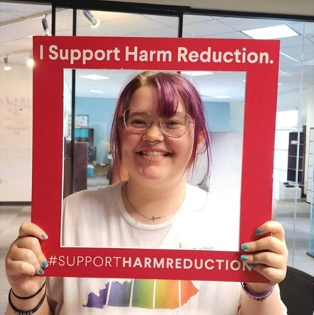
Cairo: “Some top supports I believe benefit young people in recovery are networking in recovery-oriented communities, youth-specific spaces, and harm reduction as an option for substance use treatment for young people.”
Robert: “Give them opportunities to talk with non-judgmental adults who care about them and do not label them as “the problem.” Show respect and patience and give them an opportunity to make their own decisions and learn from them as they benefit from our guidance and support.”
Fiona: “I think it's important for people to have some kind of a fellowship of young people that they can lean on - other young people for them to do fun things with that does not involve drinking or using drugs. Also, acknowledgment for the bravery of what they're taking on at a young age is key, as it is not always easy to stay sober.”
• • • • •
Do you have any parting thoughts on Recovery Month and young people in recovery?
Cairo: “Young people without a solid base of support will struggle significantly more than those with a good peer, familial, and professional support network. By creating easier avenues of support for young people struggling with substance use issues, the recovery rates WILL, inevitably and without question, greatly increase. Parents/guardians play a vital role in the recovery of young people. Ultimately, though, I think the first step is education -- by talking sincerely about drug use and the associated harms, we can better prevent initial drug experimentation, thus lowering the drug-use epidemic.”
Robert: “I’m amazed at how young people acknowledge their problematic drug use and take action to confront it when their reasons for use are validated and they are empowered to feel that they can overcome adversity with the support of people who care about them.”
Fiona: “I really, really believe that in the 12 years of running Calmer Choice and all the stories we heard from young people who are struggling with depression and anxiety, that it's important to normalize that everybody struggles and reinforce that there are other ways to cope with anxiety - and that mindfulness is just one of the important tools they can put in their toolbox!”
|