|
January and February
Nature Online Presentations
| |
Join Pima County naturalists online via Zoom to
explore the wonder of our natural world!
| | These virtual events are FREE, but pre-registration is required. | | |
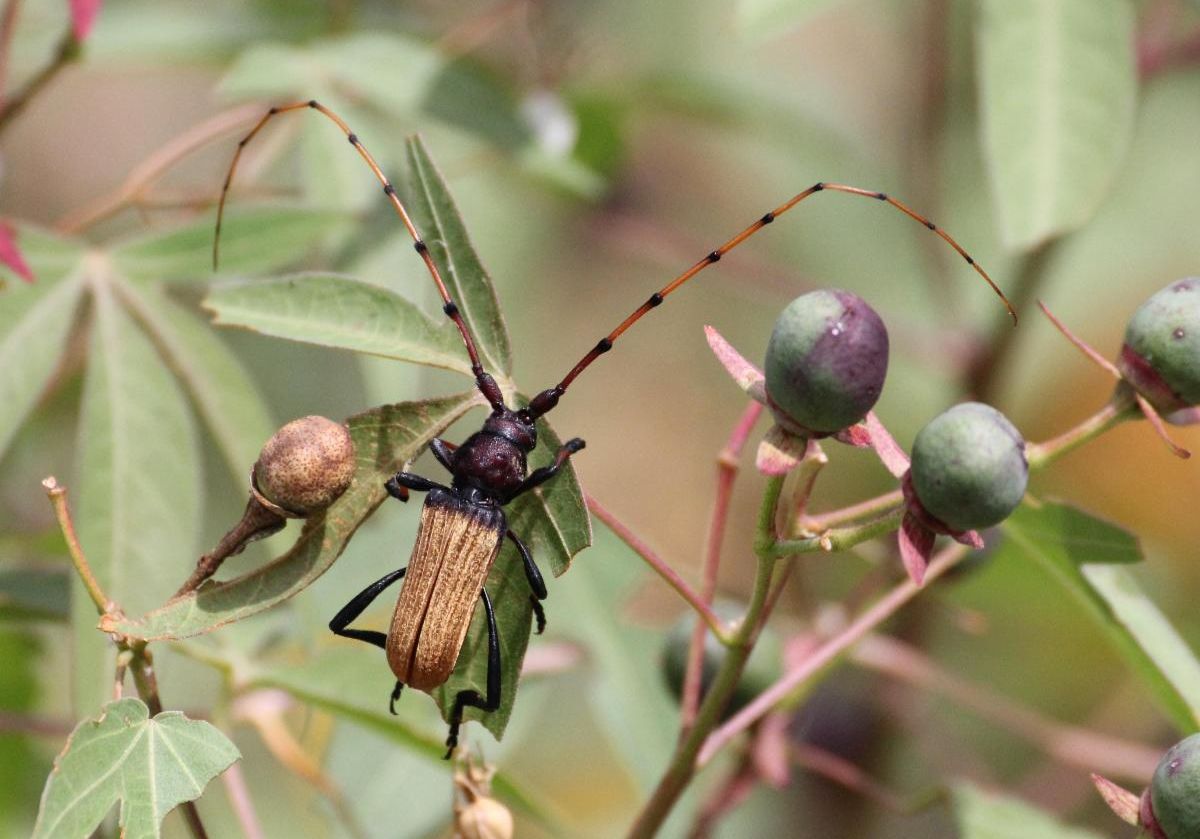
Order Up!: Longhorn Beetles
Tuesday, January 6, 2026 @ 7:00 p.m.
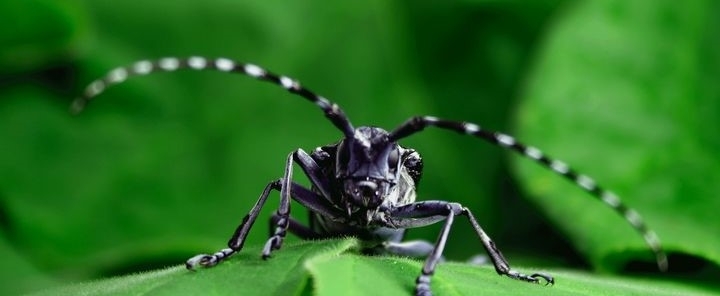
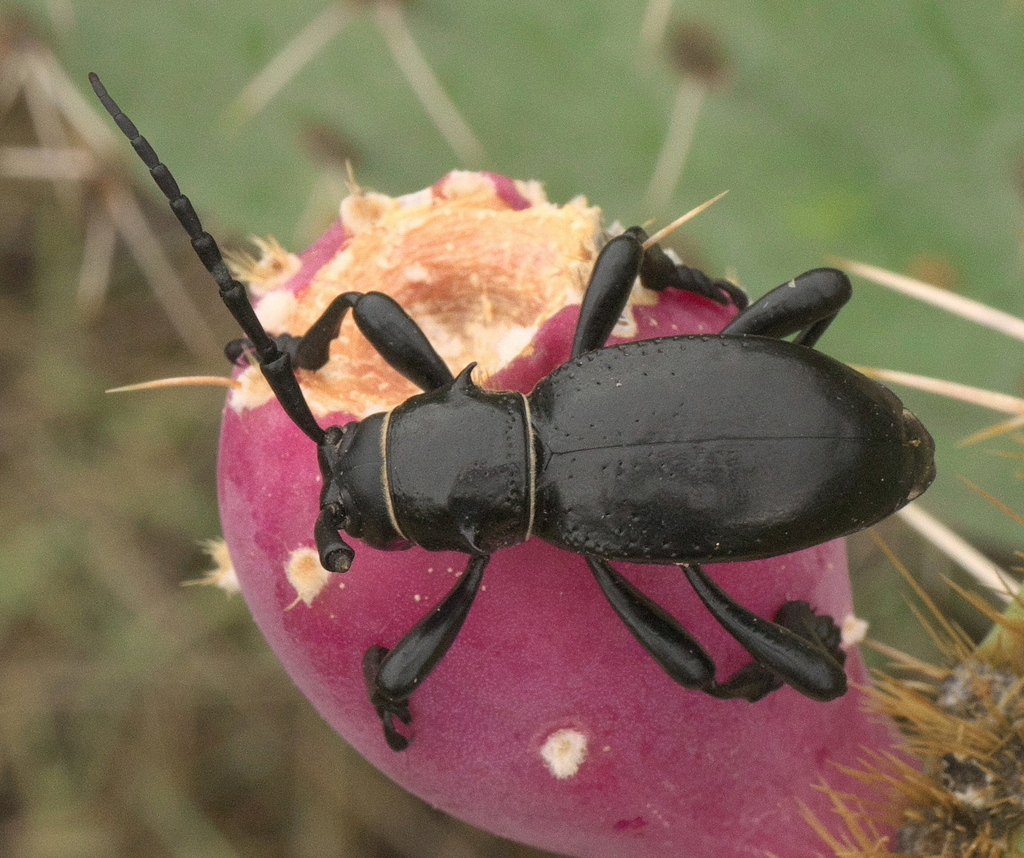
Named for their long antennae, longhorn beetles are some of the most beautiful and strikingly patterned of all beetles. They also play important roles as pollinators and nutrient cyclers in forest ecosystems.
| | |
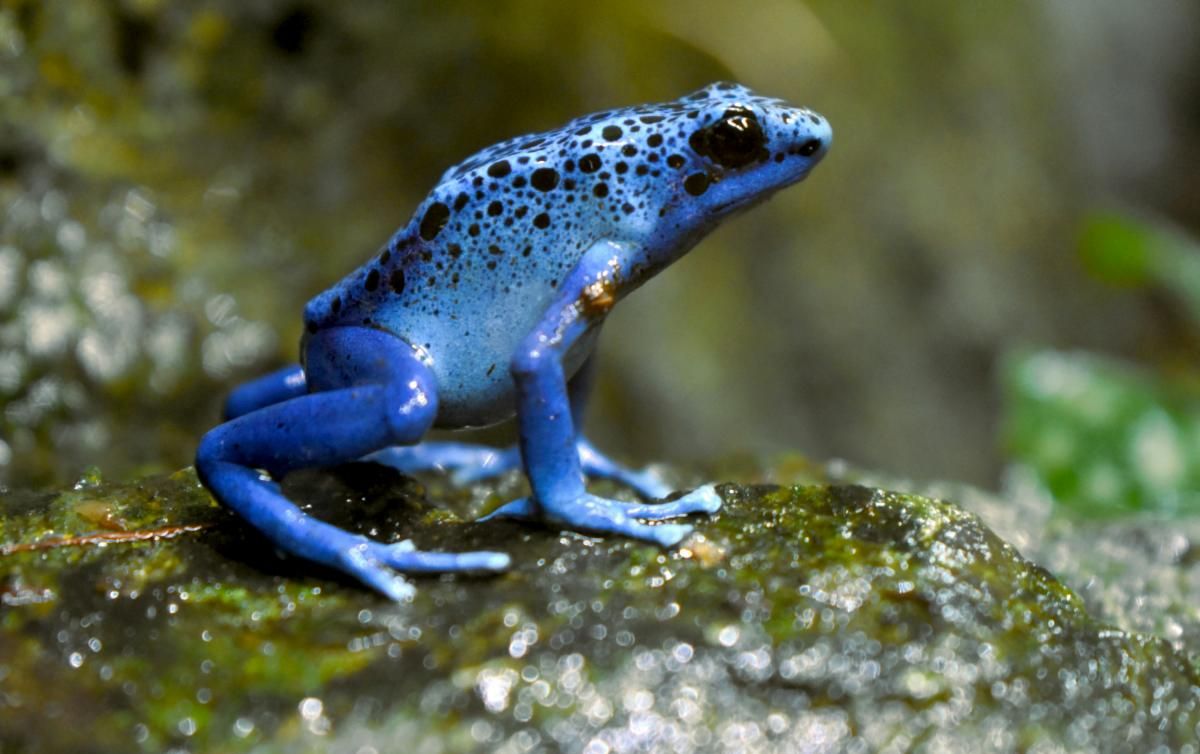
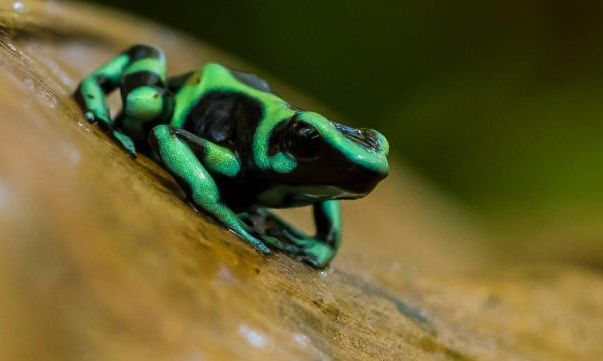
Lifestyles of the Smooth and Scaly: Poison Frogs
Thursday, January 8, 2026 @ 7:00 p.m.
Some of the most beautiful frogs in the world hide a deadly secret – they are highly toxic. This month we head to the tropics to explore the amazing, colorful world of poison frogs.
Date: Thursday, January 8
| | |
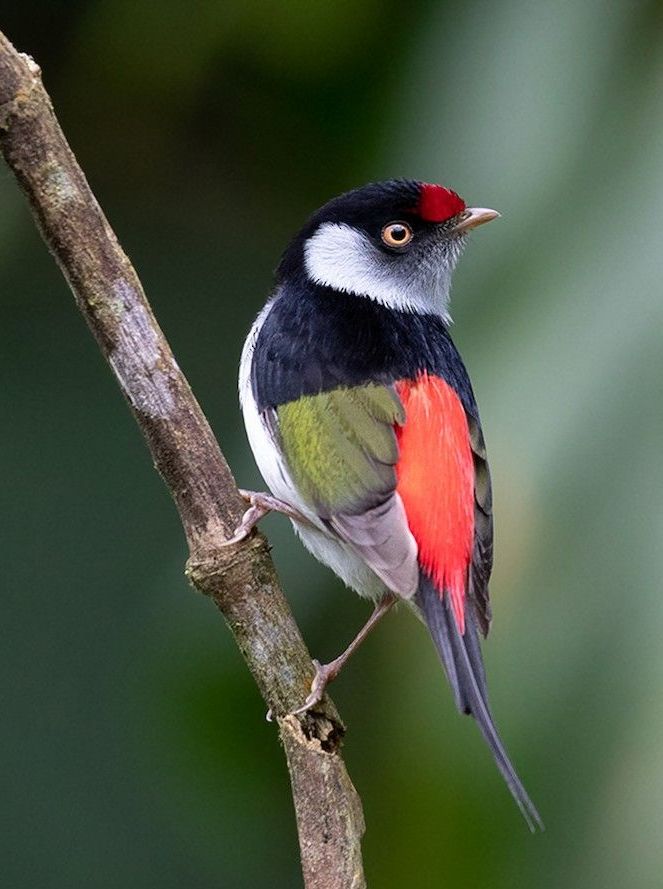
Adventures in Birding: Manakins
Tuesday, January 13, 2026 @ 7:00 p.m.
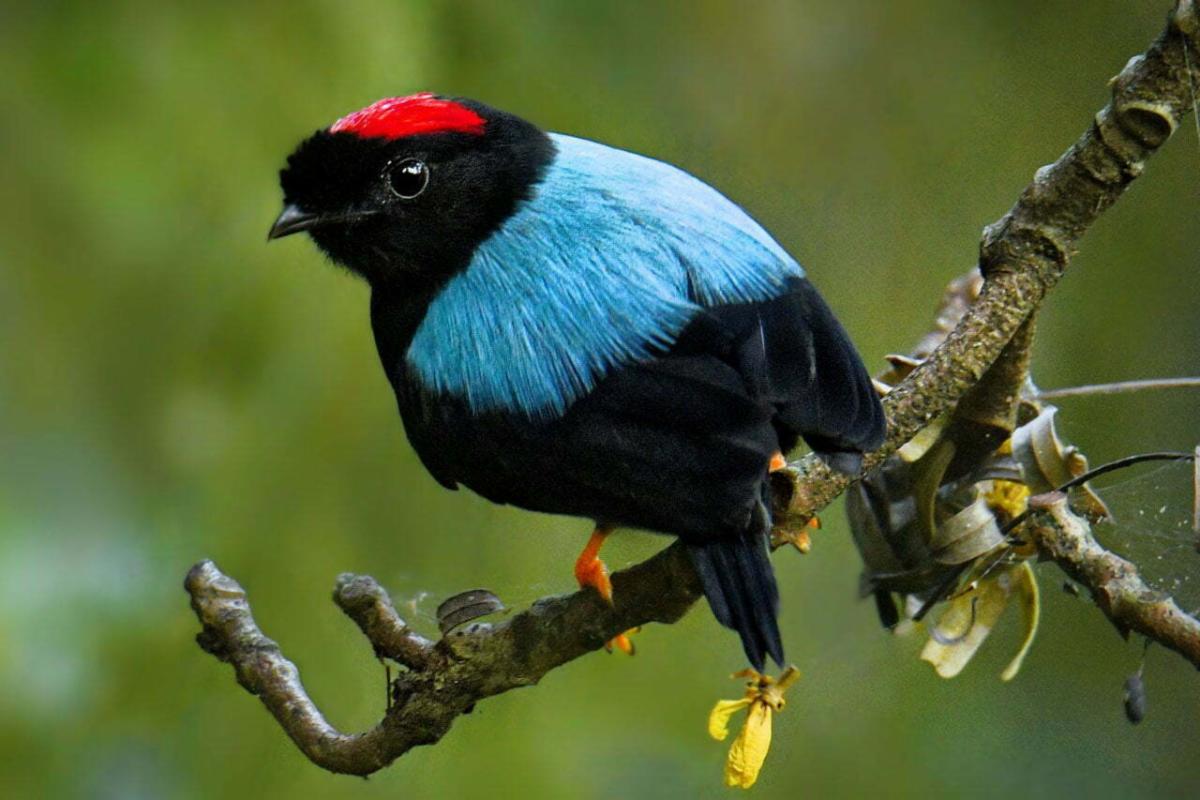
This month, shake off winter’s chill with an exploration of this delightful group of Neotropical birds. Known for their colorful plumage and dynamic courtship displays, manakins are a favorite of birders who travel to the New World tropics.
| | |
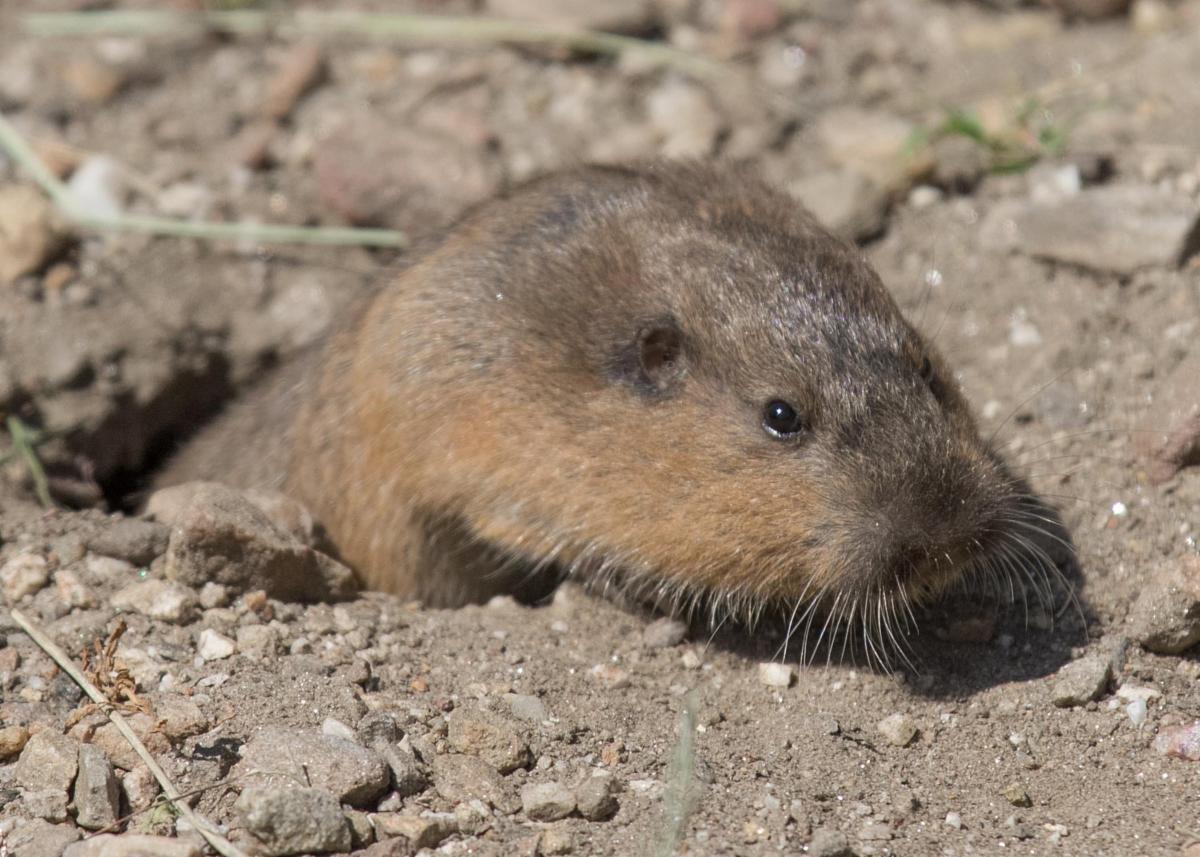
The World of Mammals:
Pocket Gophers
Tuesday, January 20, 2026 @ 7:00 p.m.
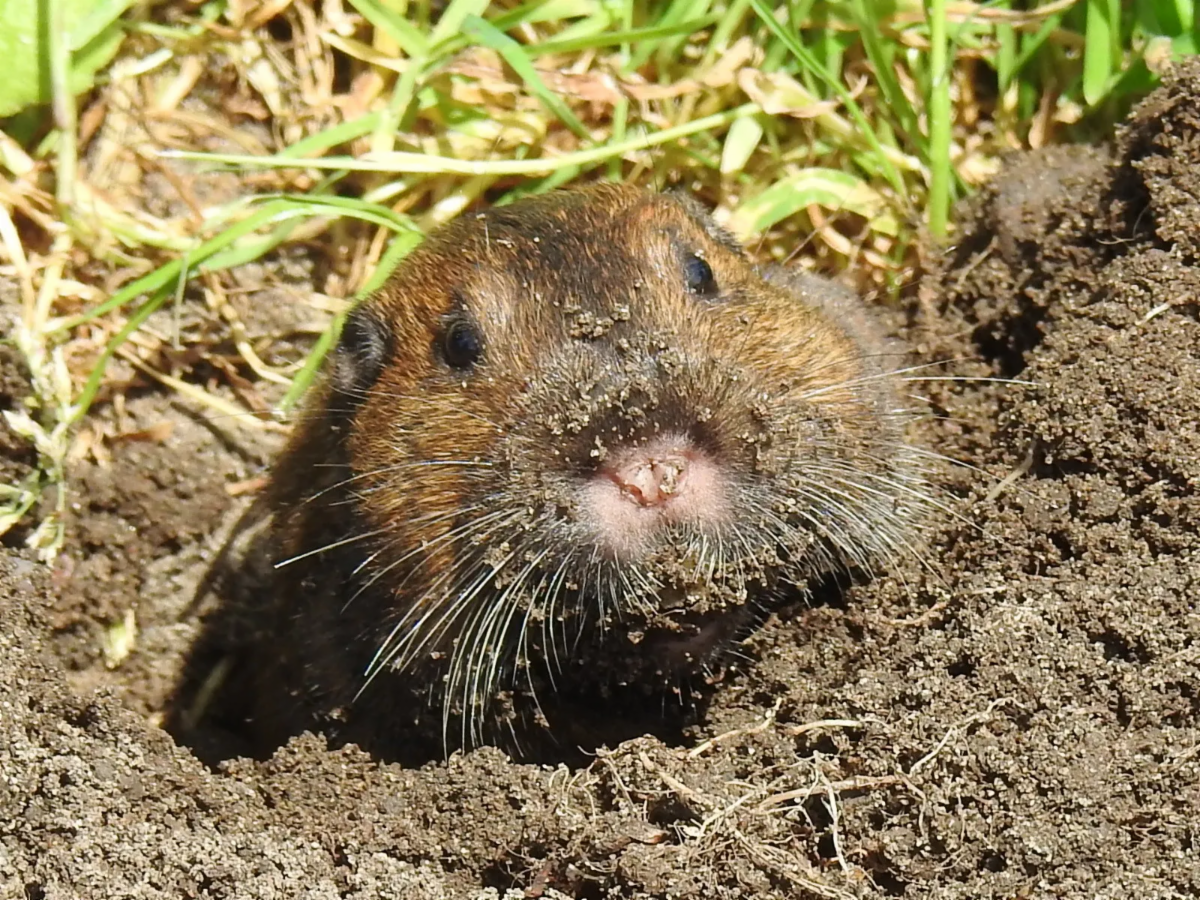
Wonderfully adapted to a subterranean existence, pocket gophers are rarely seen above ground. Evidence of their presence often comes from the mounds of soil deposited during burrow excavation. Despite looking similar, pocket gophers exhibit surprising cryptic diversity that has only recently been discovered.
| | |
Santa Cruz River –
Highlights from a Living River
Thursday, January 22, 2026 @ 12:00 p.m.
The Santa Cruz River is a culturally and ecologically significant river in southern Arizona. Though river conditions have improved over the last decade, its rank of #4 on the “America’s Most Endangered Rivers of 2024” list points to the fragility of the system and the work that is still needed. Sonoran Institute and partners are working to annually report on river conditions, engage the community in educational and stewardship activities, and find long-term protection of the river and the numerous benefits provided to wildlife and communities from Mexico to Marana.
| |
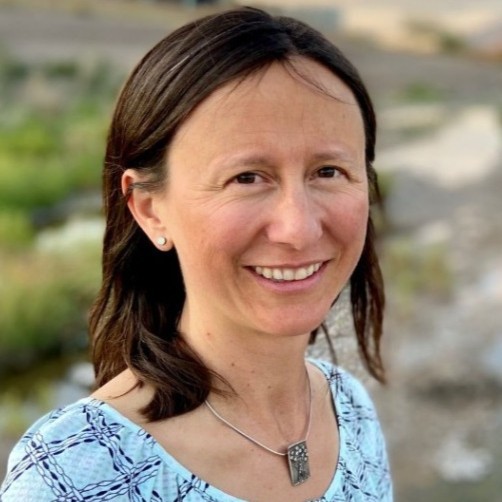
Meet the Speaker: Claire Zugmeyer"
Ecologist, Santa Cruz River Program
Sonoran Institute
Claire is the lead ecologist and project manager for the Santa Cruz River Program. Joining Sonoran Institute in 2007, she leads a variety of efforts including production of the Living River series that summarizes river conditions, monitoring fish and other parameters along the river, and organization of several annual events including Santa Cruz River Research Days and the Santa Cruz River Dragonfly Festival. She completed a Master of Science in Wildlife and Fisheries Biology at the University of Arizona, and a Bachelor of Science in Ecology, Behavior, and Evolution at the University of California, Los Angeles.
| | |
How trash research helps us shape the future of a Santa Cruz River Refuge
Tuesday, January 27, 2026 @ 12:00 p.m.
The modern Santa Cruz River has flowed with clean, reclaimed water since upgrades in 2009–2013, but trash still lines its banks. Since 2021, Sonoran Institute, Pima County, and the University of Arizona have mapped where trash accumulates, finding Styrofoam, food-grade plastics, and fabrics as the most common debris—each with practical solutions. Community cleanups have brought thousands of residents to the river, strengthening support for creating the Santa Cruz River National Wildlife Refuge. The proposed refuge would protect rare open space in Pima and Santa Cruz counties while recognizing the river’s ecological, cultural, Indigenous, and economic importance.
| |
Meet the Speaker: Luke Cole
Program Director, Santa Cruz River
Sonoran Institute
Luke directs Sonoran Institute’s Santa Cruz River Program, teaming up with partners across Arizona and Sonora to keep this Living River flowing, thriving, and full of possibility. He joined Sonoran Institute in 2018 and now spends his days advancing restoration work, turning research into on-the-ground solutions, and finding creative ways to reconnect people with their river.
Before trading coasts for the desert, Luke worked for Washington, D.C.’s city government tracking green infrastructure and water-quality improvements, including efforts to expand the city’s tree canopy. He holds a Ph.D. in environmental sciences from the University of Virginia, an M.S. in oceanography from the University of Rhode Island, and a B.A. in biology from St. Mary’s College of Maryland.
| | |
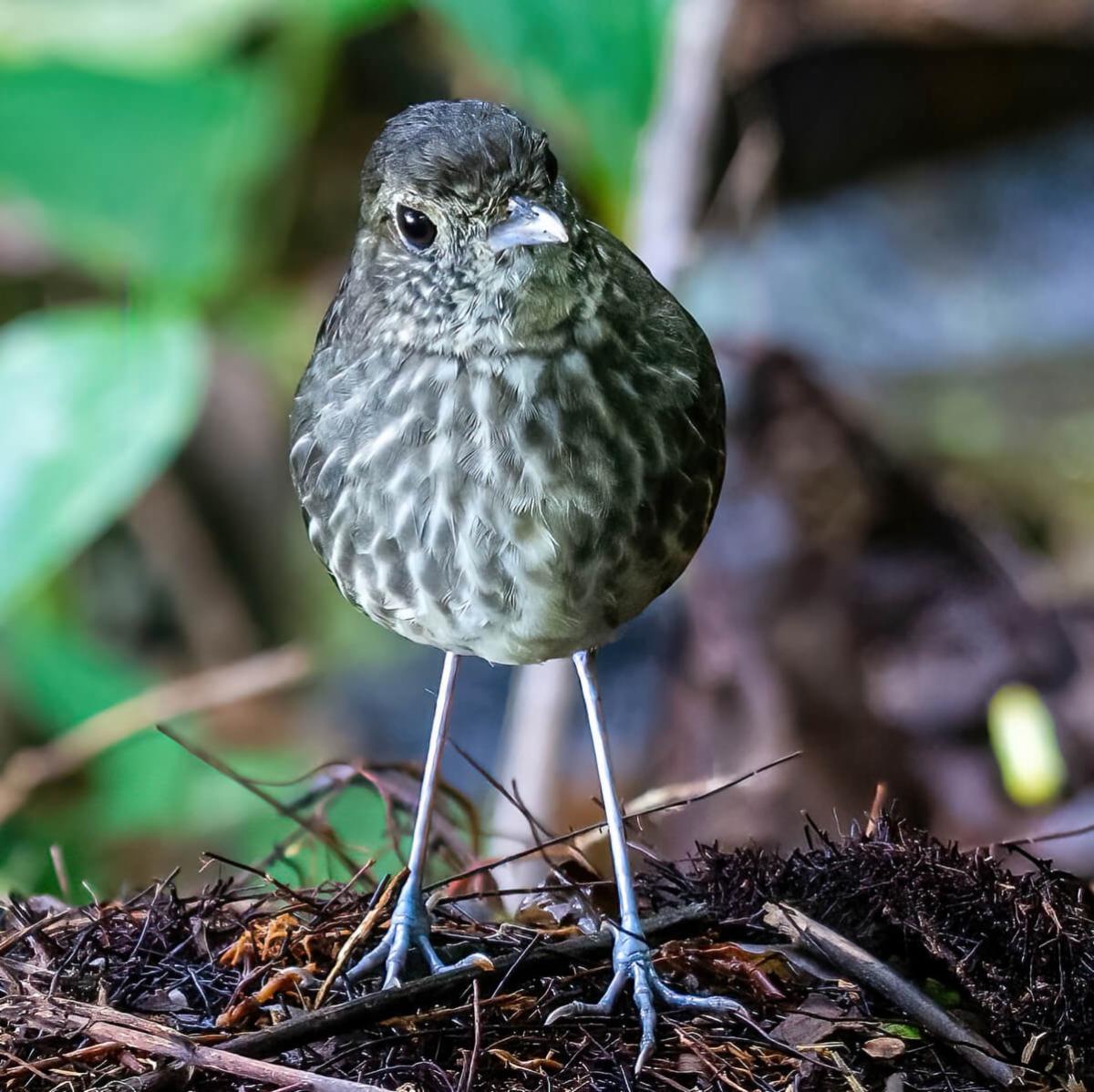
Adventures in Birding:
Antpittas
Tuesday, February 3, 2026 @ 7:00 p.m.
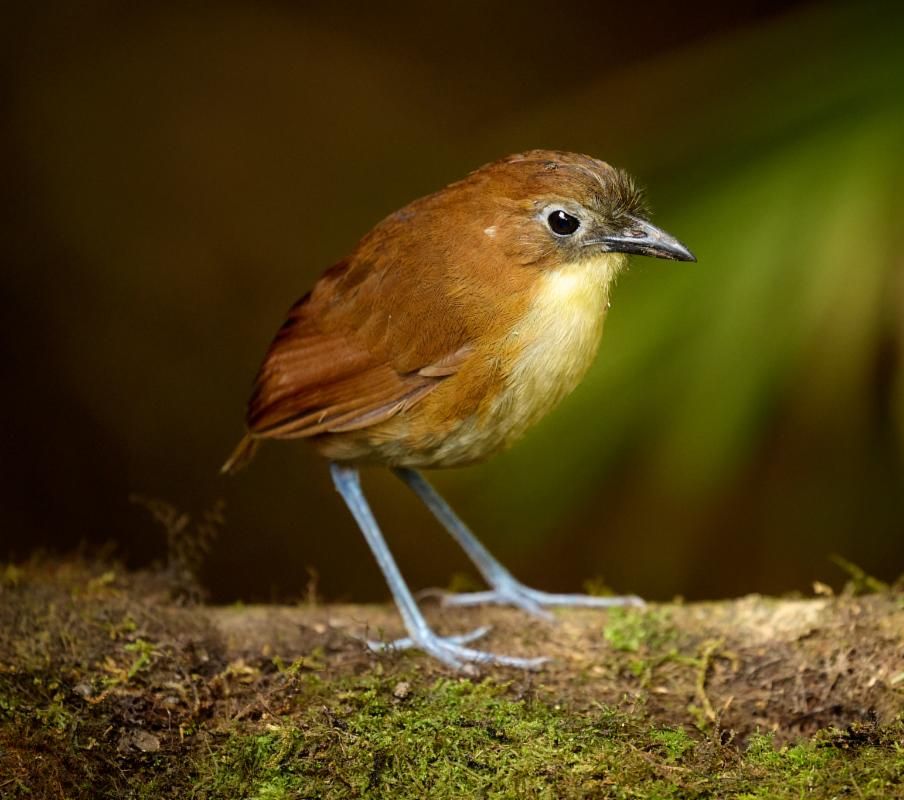
Affectionately known as ‘eggs with legs,’ antpittas are a distinctive group of birds found only in the New World tropics. Notoriously secretive, any sighting of an antpitta is worthy of celebration. This month’s AIB explores these intriguing birds.
| | |
Order Up!: Milkweed Butterflies
Wednesday, February 11, 2026 @ 7:00 p.m.
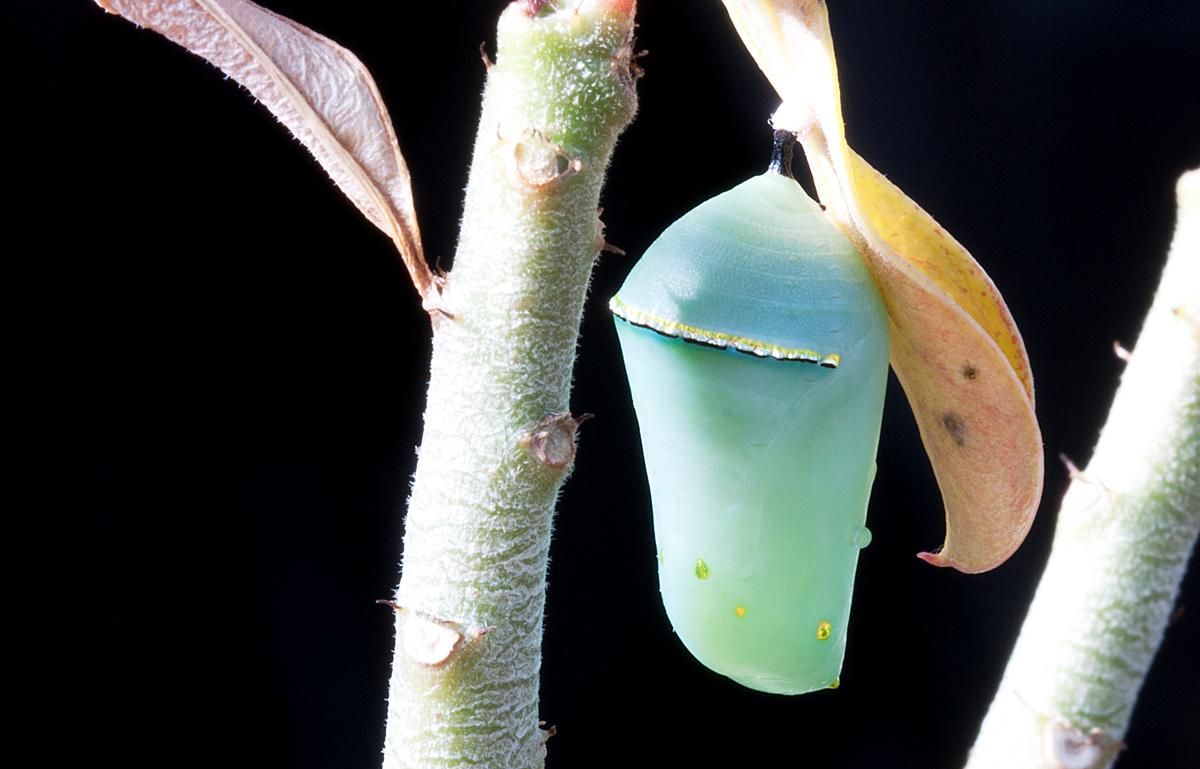
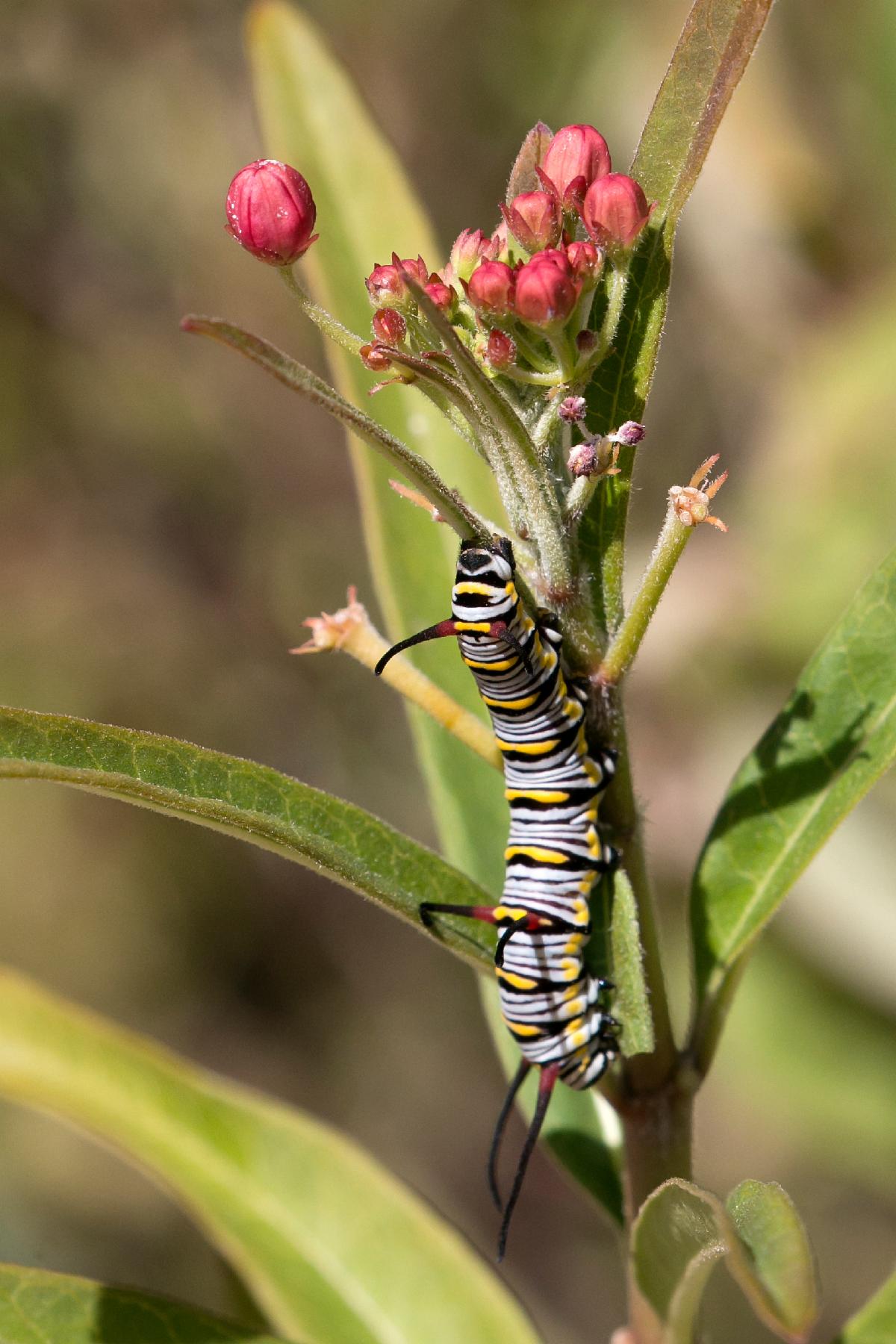
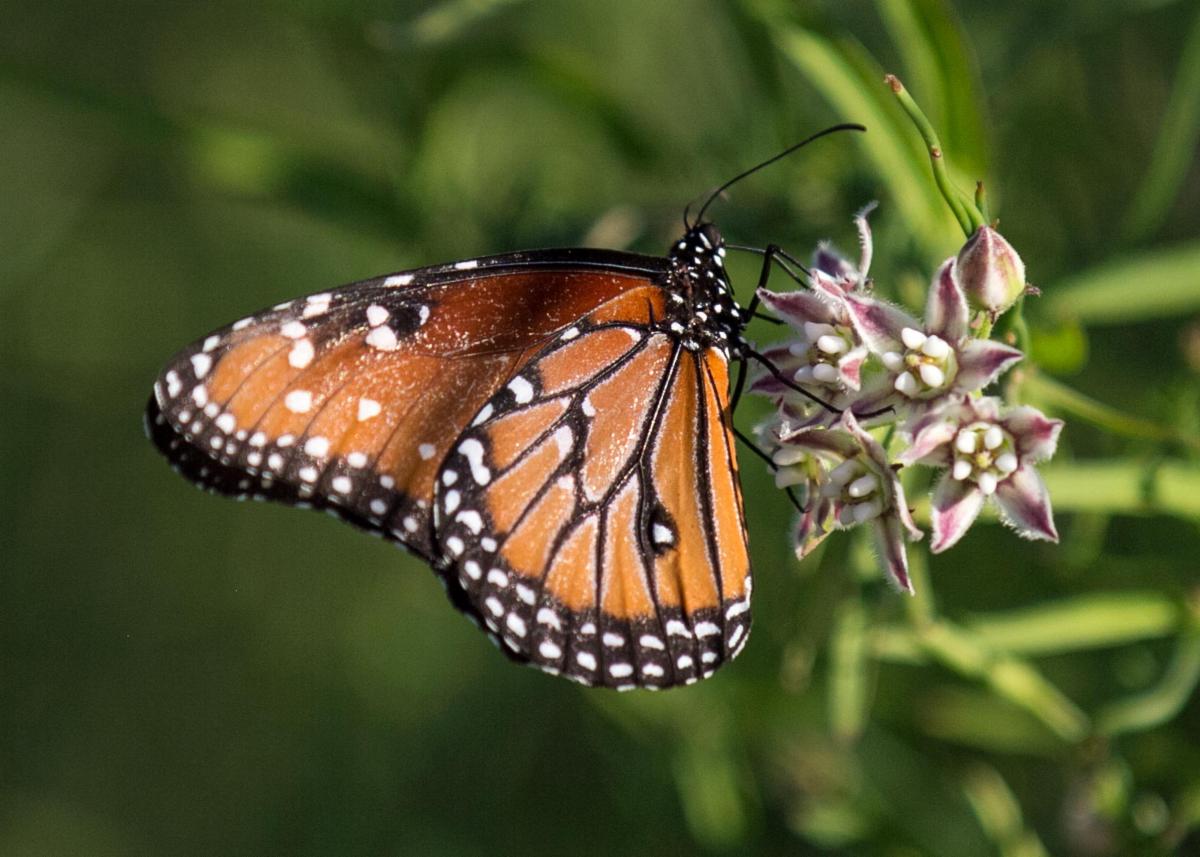
Named for their caterpillar foodplants, milkweed butterflies include such familiar insects as the iconic Monarch and abundant Queen. But they are quite diverse throughout their global range. This presentation travels the globe in an exploration of milkweed butterflies.
| | |
The World of Mammals: Mammal Migrations
Monday, February 16, 2026 @ 7:00 p.m.
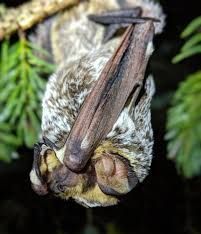
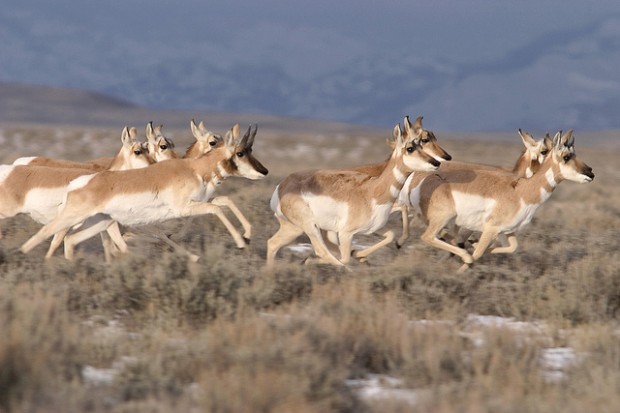
Diverse groups of mammals undergo lengthy seasonal migrations every year. Whales, bats, and others undertake such journeys that are among the most amazing wildlife spectacles on the planet. This month we investigate these annual movements.
| | |
Seasonal Naturalist Fireside Chat: The Winter Season
Saturday, February 21, 2026 @ 7:00 p.m.
Winter is often considered to be the time of year when Nature is taking a long nap. In this program we briefly look at what is going on in Nature at this time of year. It may not be what you think! After this brief introduction, we open the floor to your questions about Nature.
| | |
Lifestyles of the Smooth and Scaly: Alligator Lizards
Thursday, February 26, 2026 @ 7:00 p.m.
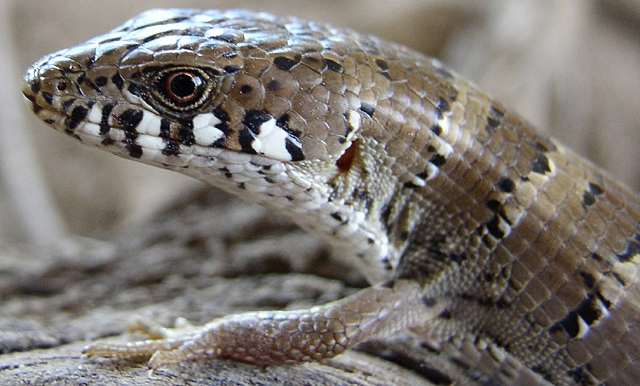
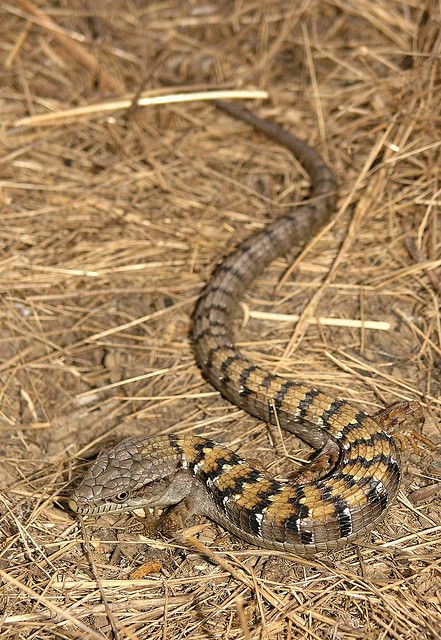
Alligator lizards are short-limbed, long-tailed woodland denizens that undergo a dramatic change in appearance as they reach maturity. Unlike some lizards, these reptiles are often heard before they are seen as they search for food in the lead litter.
| | |
Follow the instructions below to support our Environmental Education programs:
-
Visit: https://pimaparklands.org
-
Click on: “How You Can Help”
-
Click on: “Donate”
-
Select: Environmental Education Programming
-
Type: The amount you wish to donate into the “Total amount of donation” field
-
Select Method of Payment: (PayPal, Venmo, or Debit or Credit Card)
- Complete the form
-
Click on: blue “Pay $__” button at the bottom of the form
| |
To donate by check, make checks payable to Pima County Parklands Foundation, write Environmental Education in the memo line and mail to:
| | |
Pima County Parklands Foundation
P.O. BOX 35721
Tucson, AZ 85740
| | Thank you for your support! | | Look for more Nature Online topics coming in March! | | |
If you have questions about our Nature Online programs
or need assistance, contact us at:
| | Keep an eye on our Facebook page for upcoming programs like these. | | | |
Pima County Conservation Lands and Resources
520.724.5375
eeducation@pima.gov
www.pima.gov/CLR
| | | | |