Greetings!


It's hard to believe we're already nearing the end of August. I hope you're enjoying the long days and staying cool. It's been an exceptionally hot summer in many parts of the country! Your Nature's Notebook observations are helping document how plants and animals are responding to these unusual conditions.


I'm feeling rejuvenated after a recent trip to Tucson, AZ where the USA-NPN staff came together in person. We celebrated our successes, reflected on challenges, and looked ahead envisioning what's to come. Underpinning these conversations was our gratitude for our amazing community of observers and partners who make what we do possible.


Below, I share about our time at the 2026 Botany conference, provide an update on the new app and continued opportunities for testing, point to newly compiled resources for undergraduate educators, and share recent research directly using your Nature's Notebook observations to answer phenology questions.


I especially encourage you to follow our ongoing Observer Profile series, written by UCLA undergraduate students and highlighting different Nature's Notebook observers. In reading these stories I am reminded of the benefits of phenology observing, beyond contributing data and enabling important research. Paying close attention to the changes happening around us opens us to new ways of noticing, calms the nervous system, brings unexpected opportunities for human connection, and strengthens our connection with the natural world. I know I have experienced this in my personal Nature's Notebook journey, and I hope you have too.


Warmly,

What's new at the USA-NPN

USA-NPN at Botany 2026

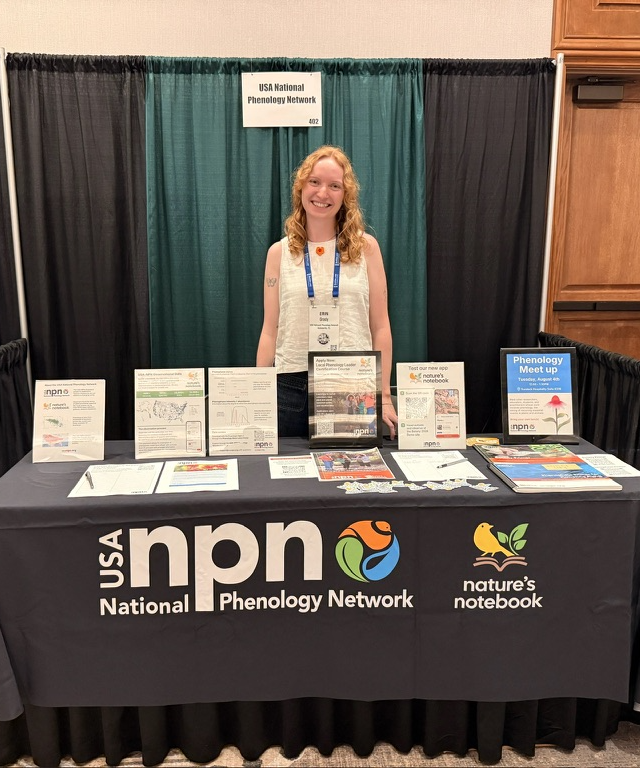
A few weeks ago, much of the USA-NPN team attended the 2026 Botanical Society of America conference at our home base in Tucson, Arizona.


We so enjoyed connecting with new researchers, undergraduate educators, students, and phenology enthusiasts! If you are joining us here after meeting us at Botany, welcome to the Nature's Notebook Narrative!

Read observer stories

These stories came out of UCLA Faculty Dana Cairns Watson's course "Science Writing for Public Engagement and Community Science Projects." Students interviewed Nature's Notebook observers and then wrote creative pieces. Stay tuned for more featured observer stories in the coming months!

Observer Profile: Finding Connections Through Nature – Tree Spotting in Urban Boston

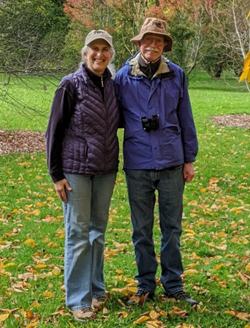
This Observer Story, written by UCLA student Chloe Cheng, features Beth and Kevin Maher, long-time phenology observers with the Tree Spotters at the Arnold Arboretum in Boston.


Learn about Beth and Kevin »

Observer Profile: Three Minutes Into the Woods – An Interview with Sky Hershberger

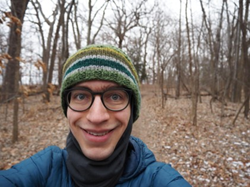
This Observer Story, written by UCLA student Kishan Talati, features Sky Hershberger, a science communicator and the Forestry Communications Specialist at the University of Wisconsin–Madison Extension.


Learn about Sky »

More Nature's Notebook beta testing opportunities coming up

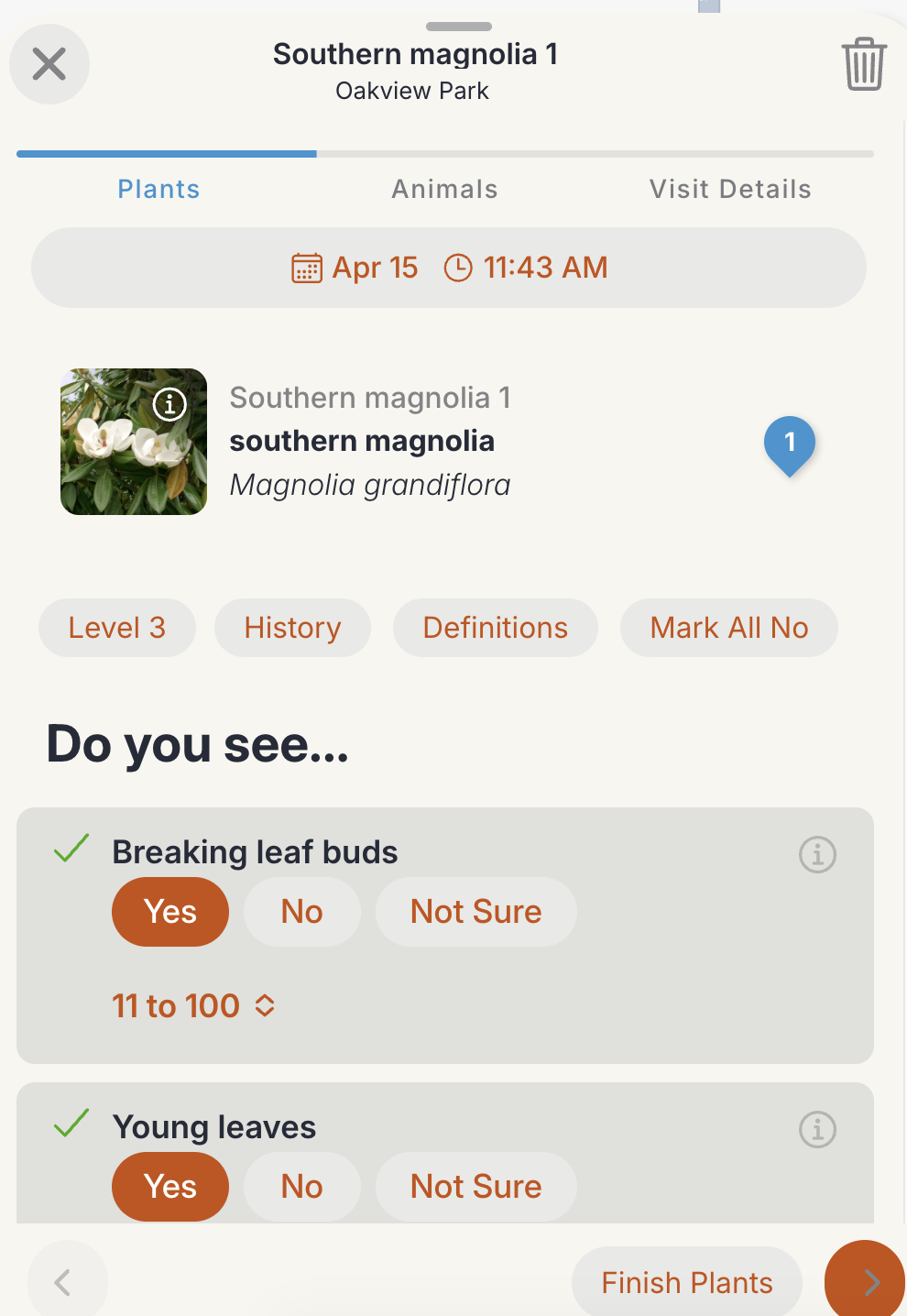
You recently heard from us with an update on the new Nature's Notebook app. Several parts of this project have been more time-intensive than expected, and because of that we are no longer anticipating a September release date. We sincerely apologize for the delay and promise we are doing everything we can to get the new app to you as quickly as possible. If you would like to read the full update, you can access it here.


In the coming weeks, we will continue to release versions of the web app to our beta testers to ensure that new features are worked as intended for a diversity of observers with different sites, species, and Programs. If you would like to help test, we welcome you to sign up as a beta tester below. We so appreciate your help!


Sign up to be a beta tester »


Learn more about the new app »

New Forum post about Nature's Notebook for undergraduate educators

Are you an undergraduate educator interested in observing phenology with your students? Check out this forum post compiling resources and examples on incorporating Nature's Notebook into the undergraduate classroom.


Learn more »

Recent happenings in the field of phenology

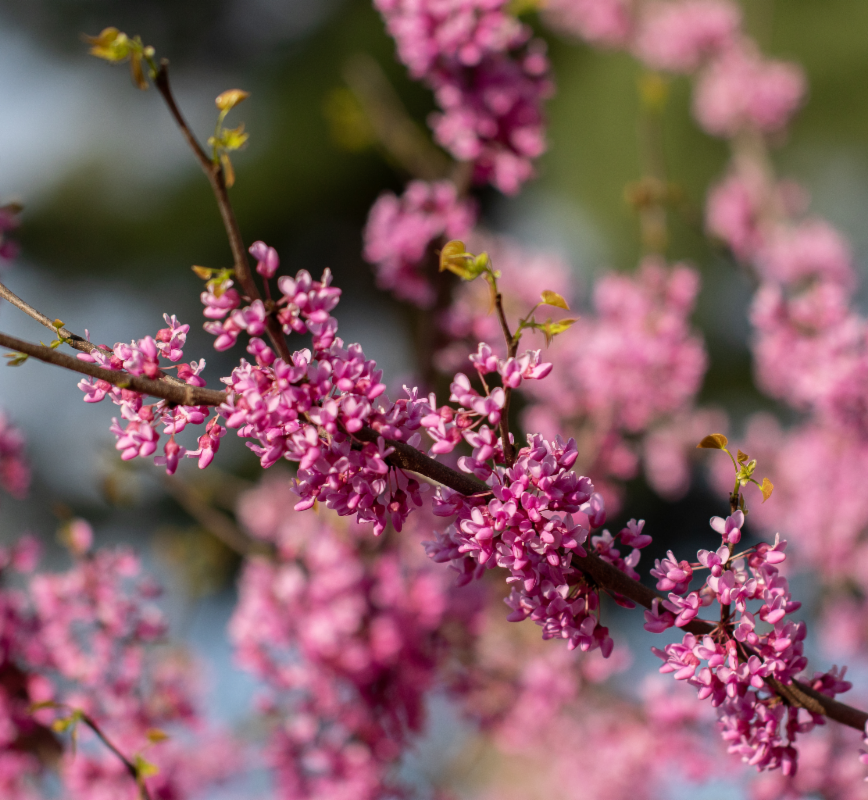
Nature's Notebook data reveal how climate impacts flowering in eastern redbud trees

In the eastern U.S., the appearance of redbud flowers is one of the clearest signs that spring has begun. However, the timing of this event varies regionally and varies from one spring to the next, making it difficult to predict when trees in a particular location will flower each year. 


To identify the conditions that trigger eastern redbud trees to flower, researchers used Nature’s Notebook observations from 152 sites across the species’ range. They found that both temperatures and daylength play a role in determining when trees flower, but the effects of temperature were not the same everywhere. Compared to trees in the southern U.S., trees in northern regions require extensive cold periods in winter but need less warmth in the spring to begin flowering. The results allowed researchers to predict within one week when Nature’s Notebook observers were likely to first observe open flowers on their local trees.


Read the Publication Summary » 

Photo by Dulcey Lima

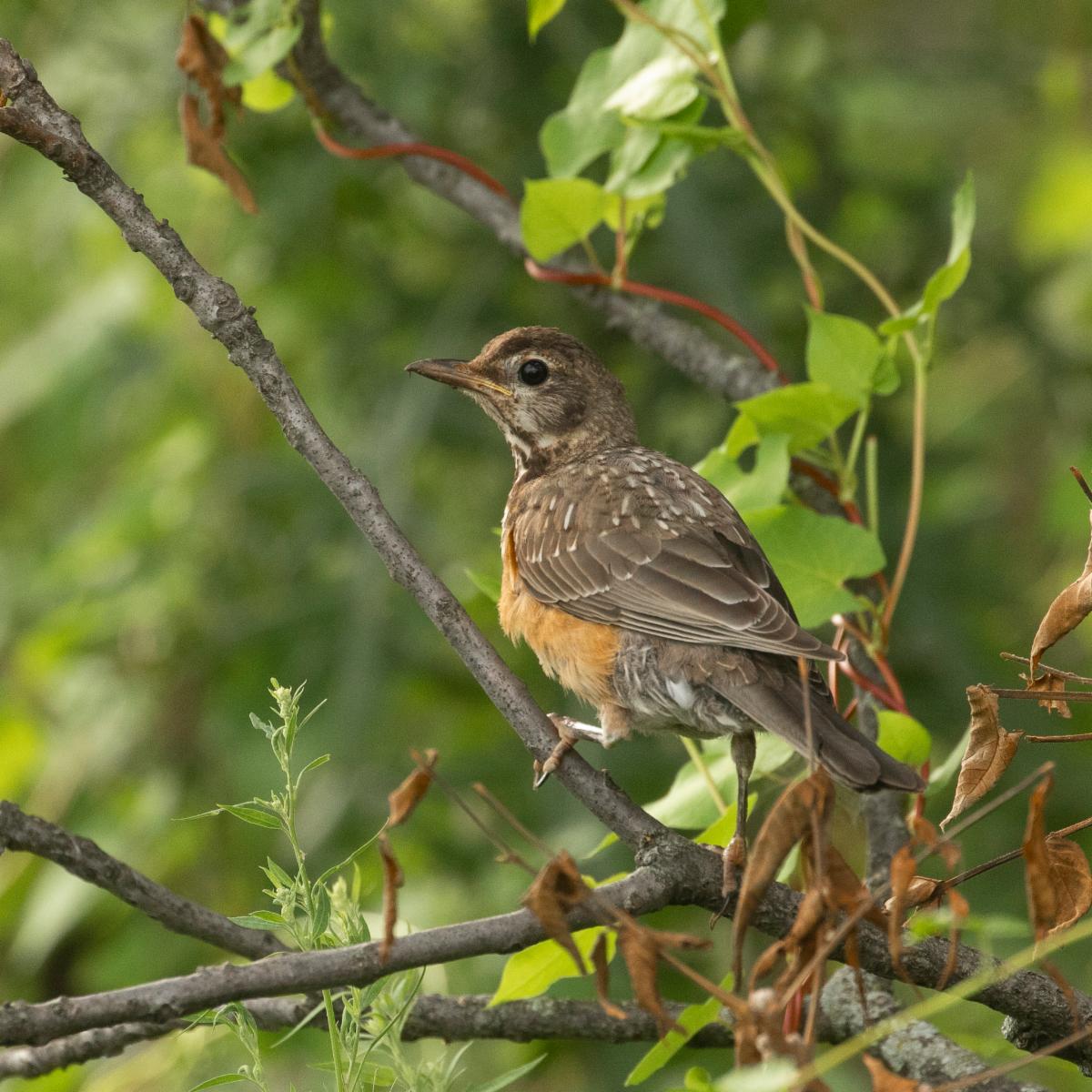
Acoustic monitoring helps track trends in bird phenology

Read about how the Institute for Bird Populations and the National Park Service are using acoustic monitoring to determine the best time for in-person bird surveys at Olympic National Park.


Read the article »

Photo by Dulcey Lima

More ways to get involved

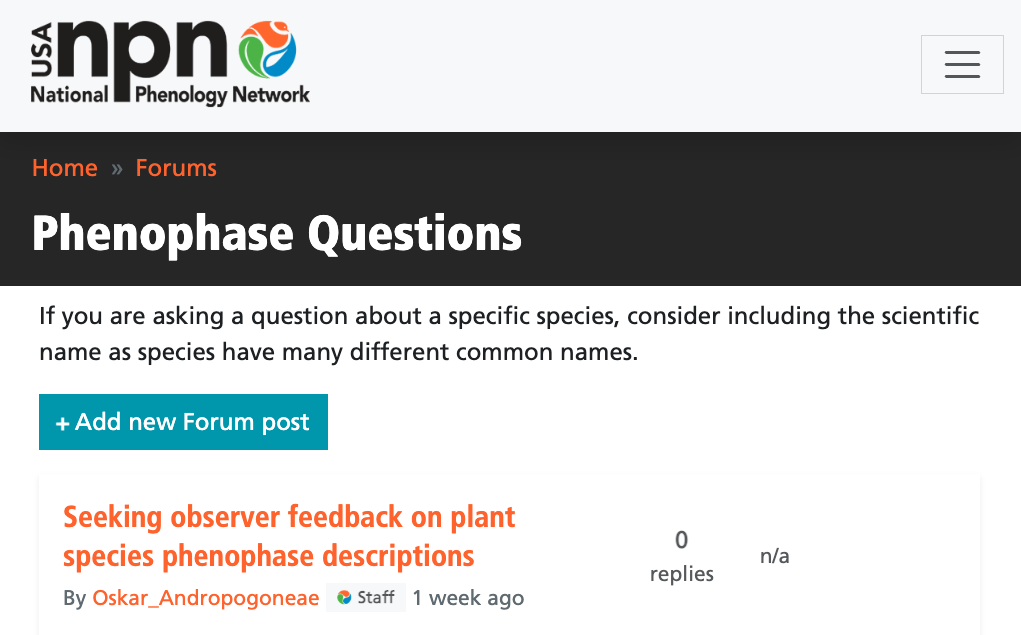
Provide feedback on USA-NPN protocols

Do you have challenges following our observation protocols for certain species? Have you noticed a phenophase definition that doesn't match what you're seeing in the field?


We created a new Forum topic where you can provide feedback. Our new Plant Specialist, Oskar Anderson, is working on revising protocols and phenophase definitions for clarity. We would love to hear from you!


Contribute in the Forum »

Join the Nest: Monthly calls for observers

Join the Nature's Notebook Nest - bring your questions and observations and chat with USA-NPN staff, fellow observers, and Local Phenology Leaders! These are standing monthly meetings on the first Monday of the month at 12pm PT / 3pm ET. Mark your calendars, the next Nest is September 14th (second Monday due to the holiday)!


Sign up for reminders about the Nest »

Contact

Erin Grady

Engagement Coordinator

ering@usanpn.org

Connect with us

Facebook  Youtube  Instagram  LinkedIn