Greetings!


Happy fall! I hope you're enjoying cooler weather and, depending on where you are, some beautiful fall colors.


I'm excited to share that a new accessible version of the Botany Primer is now available, thanks to a summer of hard work by undergraduate student Evan Dial. We also have two new Observer Stories to share, featuring long-time Nature's Notebook observers and Local Phenology Leaders. Below, refresh on best practices for observing colored leaves, hear about an opportunity for your phenophase photos to be featured in the new Nature's Notebook app, and learn an easy way to protect pollinators this fall.


I can assure you we are hard at work on the new app and will update you when we have a release date set. Thank you for your continued patience. In the meantime, keep up the good work with your observing and don't hesitate to reach out if you need support!


In appreciation,

What's new at the USA-NPN

Meet Veronica Klawender, our Outreach Associate

Veronica has a passion for science communication and looks for ways to connect community members with academic research resources to promote a more complete appreciation of nature in people of all backgrounds. She will be working with us over the next year while she completes a Master’s degree in Ecology and Evolutionary Biology at the University of Arizona. She is working to improve support materials related to Nature’s Notebook and help build programs which encourage greater community participation in phenology studies.


Learn more about Veronica »

Inspiration from fellow observers

Check out our latest Observer Stories, featuring long-time observers and Local Phenology Leaders. These stories were part of UCLA Faculty Dana Cairns Watson's course "Science Writing for Public Engagement and Community Science Projects." Students interviewed Nature's Notebook observers and then wrote a creative piece to tell observer stories. We now have five Observer Stories for you to peruse!

View all Observer Stories »


Enthusiasm is Catching, and it's Definitely Blooming in Southern Arizona


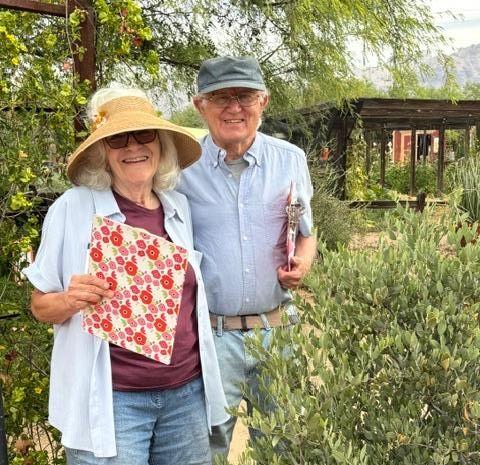
In this Observer Story, written by UCLA student Jennifer Yang, we learn about Rita Silverberg and Steve Amesbury who are long time Nature's Notebook observers with the Pima County Master Gardeners Phenology Group in Tucson, Arizona.


Learn about Rita and Steve »

An Interview with Caryn Beiter


This Observer Story, written by UCLA student Audrey Wang, features Caryn Beiter, a long-time Local Phenology Leader at Wells National Estuarine Research Reserve. There, she seeks to provide opportunities for community members to contribute meaningful scientific data, grow their sense of place, and deepen their connections with the more than human world.


Learn about Caryn »

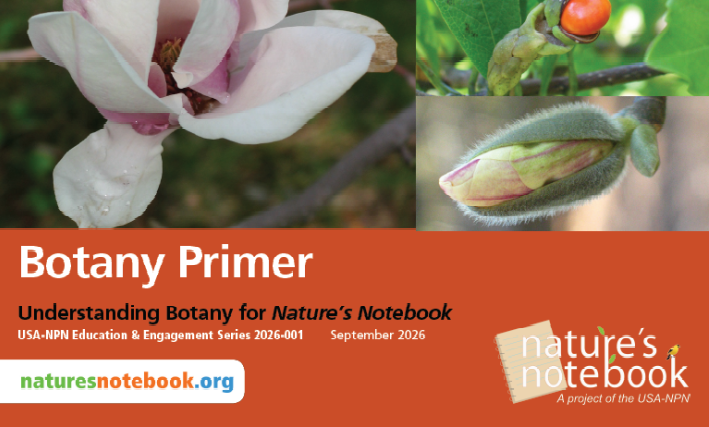
The new accessible Botany Primer

We are excited to share an updated version of our Botany Primer, an in-depth guide to understanding botany for observing with Nature's Notebook. This version is compliant with the Americans with Disabilities Act (ADA) and the Rehabilitation Act. We are grateful to USA-NPN undergraduate student Evan Dial for working diligently to make the Primer perceivable and navigable for people with disabilities.


Learn more »

Recent happenings in the field of phenology

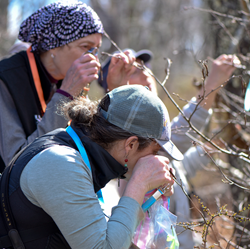
Plants with thinner leaves are more sensitive to warming temperatures

Temperature strongly influences when plants leaf out and lose their leaves, however, not all species respond to temperature in the same way. Species traits, like leaf size or root length, may affect how sensitive plants are to warming temperatures. To study the role of species traits, researchers compiled results from more than a hundred warming experiments that measured how temperature affected the timing of leaf out and leaf fall. They also analyzed observational data from Nature’s Notebook and a similar monitoring network in China. Both sets of analyses found that plants with thinner leaves and higher nutrient concentrations were more sensitive to climate change. Understanding these patterns can help scientists predict how entire plant communities will respond to climate change.


Read the Publication Summary » 

Photo: Ellen Denny

Observation tips and tricks

Observation tip


Remember to follow the official phenophase definitions!

Refer back to the full definitions each season to refresh your memory. Following the phenophase definitions as closely as possible helps ensure data quality and consistency in observations across the country. You can access these definitions in the Nature's Notebook app by tapping the (i) next to the phenophase question while observing, or through the web on the species profile pages.


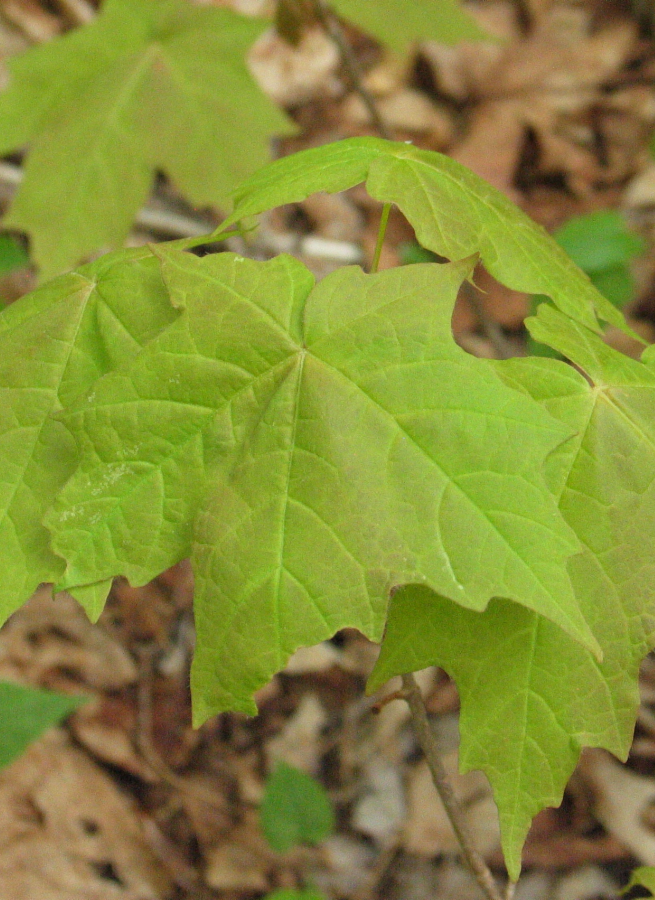
Observing colored leaves

Colored leaves can be tricky to observe! When does a leaf count as colored? What about color from drought or insect damage? What is the best way to estimate the percentage of colored leaves? Check out this Nature's Notebook Nugget for answers to these questions and more tips for observing these magnificent fall changes. 


Read the article »

More ways to get involved

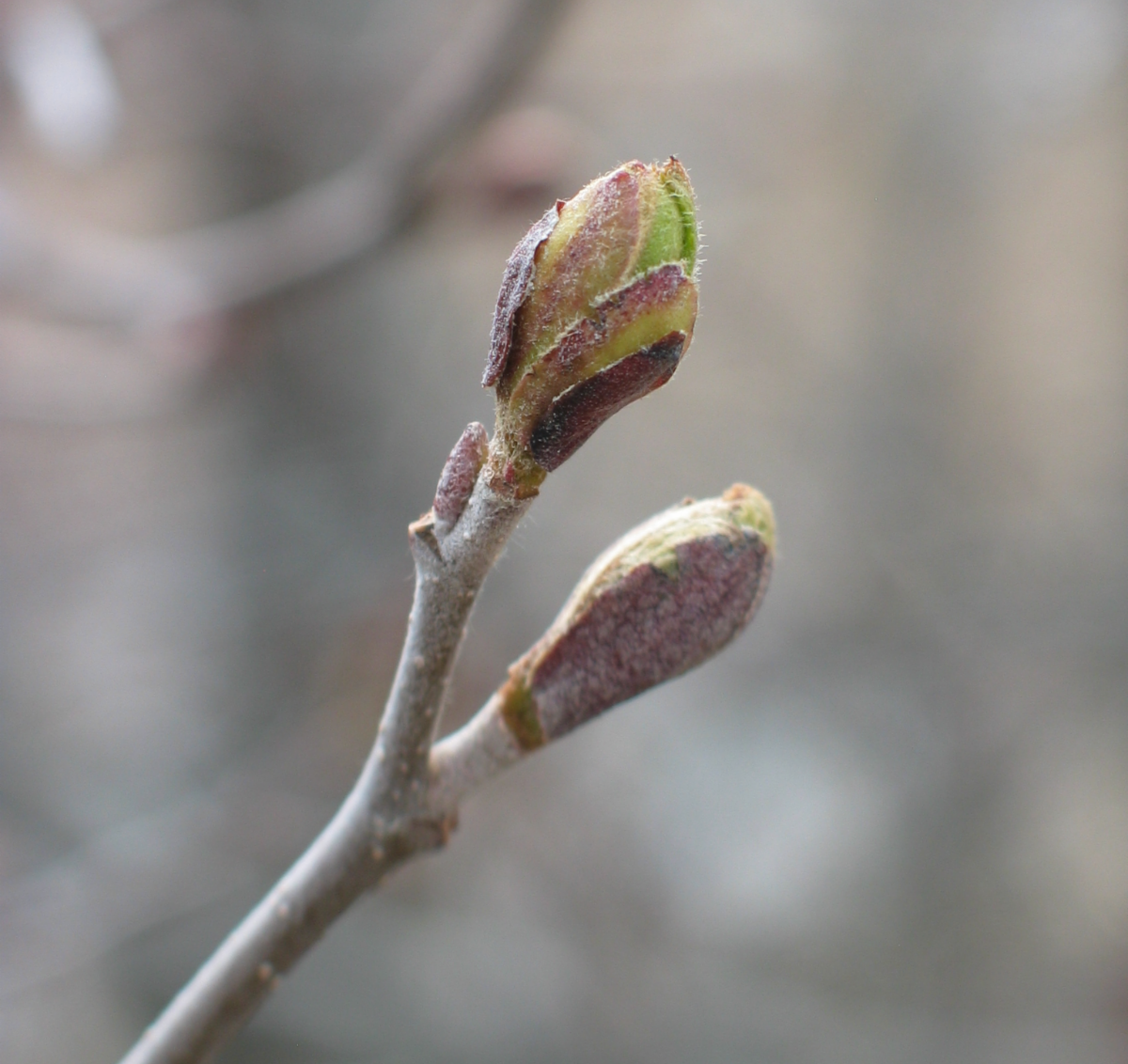
Help contribute phenophase photos for the new Nature's Notebook app

Do you take great phenophase photos that you're willing to share? USA-NPN Plant Specialist Oskar Anderson has been hard at work collecting phenophase photos for each Nature's Notebook plant species, but some species and phenophases are challenging to find photos for. We have created a wishlist of the photos we're currently missing. Check below to see if you can help us fill these gaps. We appreciate you!


See what's on the wishlist »

Photo: Ellen Denny

Join our monthly calls for observers

Join the Nature's Notebook Nest - bring your questions and observations and chat with USA-NPN staff, fellow observers, and Local Phenology Leaders! These are standing monthly meetings on the first Monday of the month at 12pm PT / 3pm ET. Mark your calendars, the next Nest is November 2nd.


Sign up for reminders about the Nest »

Outside the notebook

Leave the leaves

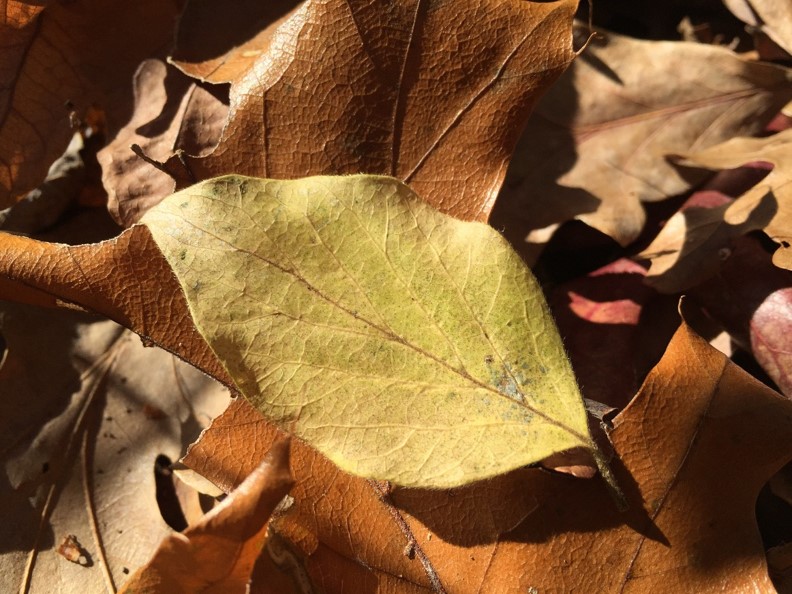
One of the easiest things you can do this fall to help the environment is less yard work! Fallen leaves provide valuable habitat for pollinators. Check out this article for five easy ways to protect wildlife in your yard this fall.


Read the article »

Photo: Erynn Maynard-Bean

 
undefined

Contact

Erin Grady

Engagement Coordinator

ering@usanpn.org

Connect with us

Facebook  Youtube  Instagram  LinkedIn