|
Navigating the Healthcare System:
A Guide for Family Caregivers
| | |
Caring for a loved one with a chronic illness, disability, or age-related condition often means navigating the complex and sometimes overwhelming healthcare system. Family caregivers, who are the unsung heroes of this system, can face a multitude of challenges when trying to access the right care, manage medical needs, and ensure that their loved ones receive the support they deserve.
One of the most crucial components of providing effective care is understanding how to streamline the process and avoid unnecessary stress. The healthcare system can often feel like a maze of appointments, paperwork, and information. However, by centralizing information, proactively planning, and maintaining clear communication, family caregivers can significantly reduce confusion and enhance the quality of care their loved ones receive. Here are some key strategies that caregivers can employ to navigate the healthcare system more effectively.
| |
1. Centralizing Medical Information
A crucial first step in managing a loved one’s care is organizing and centralizing all relevant medical information. Medical records are the foundation of healthcare decision-making, and having quick access to this information can make a world of difference. This is especially true in situations where multiple healthcare providers are involved.
Strategies:
-
Create a Medical Binder: A well-organized medical binder can be a game-changer. Divide the binder into sections, such as medical history, test results, current medications, appointment summaries, and insurance information. Include documents such as hospital discharge instructions, diagnostic reports, and any specific instructions or advice from specialists.
-
Use Digital Tools: For tech-savvy caregivers, digital health tools can help centralize information. There are numerous apps and platforms designed specifically for caregivers to store medical records, keep track of appointments, and communicate with healthcare providers. Many electronic health record (EHR) systems allow family caregivers to access patient data directly, improving efficiency and reducing errors.
-
Make a List of Key Contacts: Keep a list of important contacts, such as the primary care physician, specialists, insurance representatives, and pharmacists. Having this contact information easily accessible can save precious time when urgent issues arise.
| |
2. Proactive Planning and Time Management
Effective caregiving requires a great deal of planning. The healthcare system operates on appointments, tests, and schedules, and without proactive planning, caregivers can easily feel overwhelmed. By staying organized and ahead of appointments, caregivers can better manage their time and ensure that their loved one receives the appropriate care.
Strategies:
-
Prioritize Appointments: When there are multiple appointments for different specialists or treatments, it’s crucial to prioritize them. Consider the urgency of each appointment and create a schedule that ensures timely care. Use a calendar app to keep track of appointments and set reminders well in advance.
-
Prepare for Appointments: Each medical appointment provides an opportunity to gain valuable information. Caregivers should prepare by reviewing their loved one’s medical history, writing down any changes in health status, and noting any questions they may have. Prioritize the most important questions to ensure nothing is missed during the appointment.
-
Gather Information in Advance: Call ahead to confirm appointment details, clarify what documents or tests are needed, and ensure that all necessary medical records are sent to the doctor before the visit. If a loved one needs to see a specialist, having a referral and any prior test results will help streamline the process.
| |
3. Clear Communication:
Advocating for Your Loved One
Clear and effective communication is one of the most important aspects of navigating the healthcare system. Family caregivers need to advocate for their loved ones to ensure they receive the right care at the right time. Effective communication with healthcare providers can help prevent mistakes, ensure a comprehensive care plan is in place, and facilitate a supportive relationship between caregivers and medical professionals.
Strategies:
-
Be an Active Listener: When speaking with healthcare professionals, take the time to listen carefully to what they are saying. Don’t hesitate to ask for clarification if something is unclear. If your loved one has difficulty understanding medical jargon, ask the healthcare provider to explain things in simpler terms.
-
Maintain a List of Questions: Bring a list of prioritized questions to each medical appointment. This ensures that you don’t forget any important concerns and that your loved one’s needs are addressed comprehensively. This list can include questions about treatments, medications, side effects, or any concerns related to caregiving.
-
Take Notes: During appointments, it’s helpful to take notes or ask the provider if they have written instructions or recommendations. If you’re unsure about any aspect of the conversation, write it down and follow up later for clarification.
-
Be Consistent and Follow Up: If your loved one’s health is deteriorating or if there are new concerns, it’s important to be consistent in following up with doctors or specialists. Follow up on test results, ask for updates on treatment plans, and ensure that any new concerns are addressed promptly.
| |
4. Maintaining an Updated Medication Log
Medication management is a key responsibility for family caregivers. Keeping track of medications, dosages, and schedules can become complicated, especially when multiple medications are involved. Medication errors can lead to serious complications, so caregivers need to stay on top of this critical aspect of care.
Strategies:
-
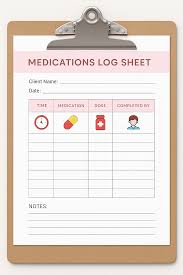
Create a Medication Log: Use a dedicated notebook or an app to track the medication regimen. Include details like the medication name, dosage, time of day it should be taken, and any special instructions (e.g., take with food or avoid certain foods). Include any known side effects or allergies as well.
-
Review Medication List Regularly: Periodically review the medication list with a healthcare provider to ensure it remains accurate and appropriate for your loved one’s current condition. If there are changes in medications, update the log immediately.
-
Organize Pills: To prevent mistakes, consider using a pill organizer that sorts medications by day and time. Many caregivers find that organizing medications in this way helps ensure consistency in administration.
| |
5. Obtaining Legal Authorization (POA)
Legal considerations are often overlooked but are crucial when navigating the healthcare system. A caregiver who has power of attorney (POA) or healthcare proxy status is legally authorized to make healthcare decisions on behalf of their loved one when they are unable to do so themselves. This authorization simplifies many aspects of caregiving and can streamline access to important medical information.
Strategies:
-
Secure Power of Attorney (POA): If you haven’t already, obtain legal authorization to act on behalf of your loved one in healthcare matters. A healthcare POA gives caregivers the ability to make decisions about medical care, and it can also be used to interact with insurance companies.
-
Know Your Rights: Understand the legal rights associated with a POA. For instance, some states require certain forms to be filled out or notarized for the POA to be valid. Also, ensure that the healthcare providers have copies of the legal documents to avoid any delays or misunderstandings when it comes to decision-making.
-
Consult with a Lawyer: If the process of securing a POA or navigating legal complexities feels overwhelming, consider consulting with an attorney who specializes in elder law. They can help you understand your rights and responsibilities and make sure that all paperwork is completed correctly.
| |
Caring for a loved one in the healthcare system is a monumental task, but by centralizing information, proactively planning, and maintaining clear communication, caregivers can alleviate much of the stress and uncertainty. The key is to stay organized, prepared, and connected with the healthcare team. As a family caregiver, you are not alone in this journey—by employing the strategies mentioned above, you can ensure that your loved one receives the best possible care, and you can find peace of mind in knowing that you are advocating effectively on their behalf.
| | |
— Roger Skillin, MS
Operations Manager at DayBreak
| |
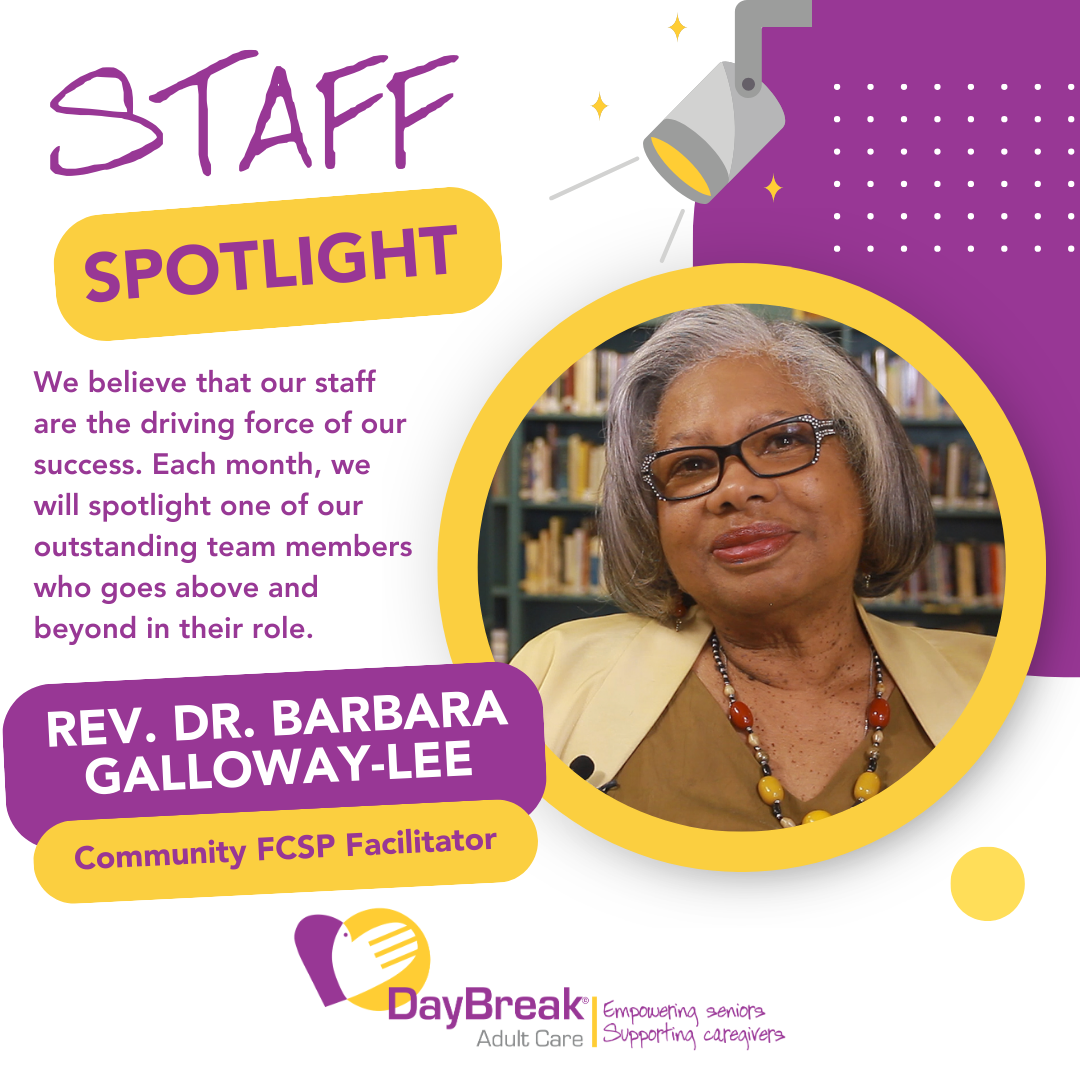
Staff Spotlight: Rev. Dr. Galloway-Lee ✨
| | |
|
1) What are 3 words that describe you?
Compassionate, Spiritual, Mindful
2) How long have you been with DayBreak Adult Care, and what brought you here?
I have been with DayBreak for two years. My journey began as a volunteer facilitating support groups at Beth Eden and was introduced to DayBreak.
3) What do you enjoy most about your role?
Supporting others on their journey toward balance in body, mind, and spirit is what drives my work.
4) What do you enjoy doing outside of work?
I am a bird watcher and enjoy painting with water colors. I also love traveling - I've been to three of the Seven Wonders of the World so far.
| |
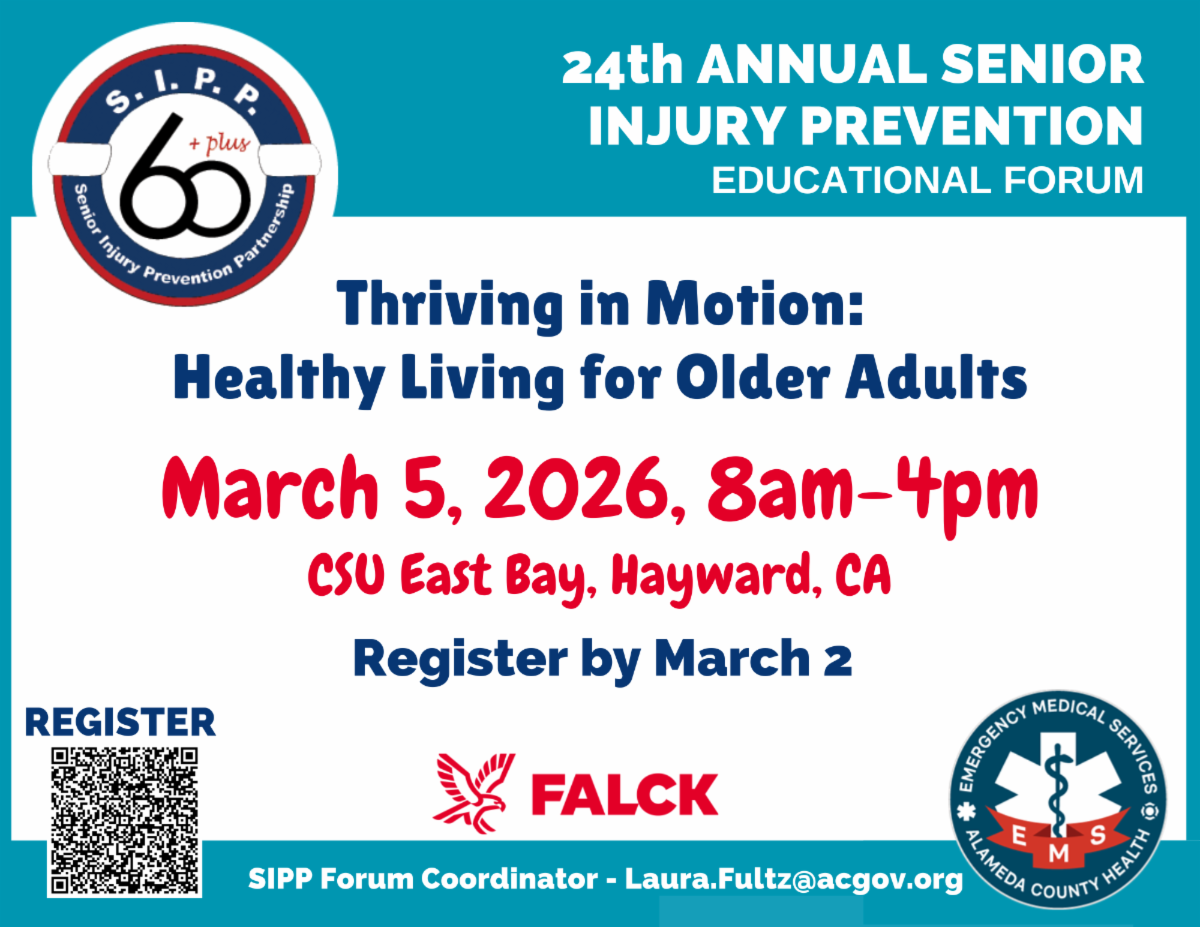
Upcoming Events & Workshops 📣 | |
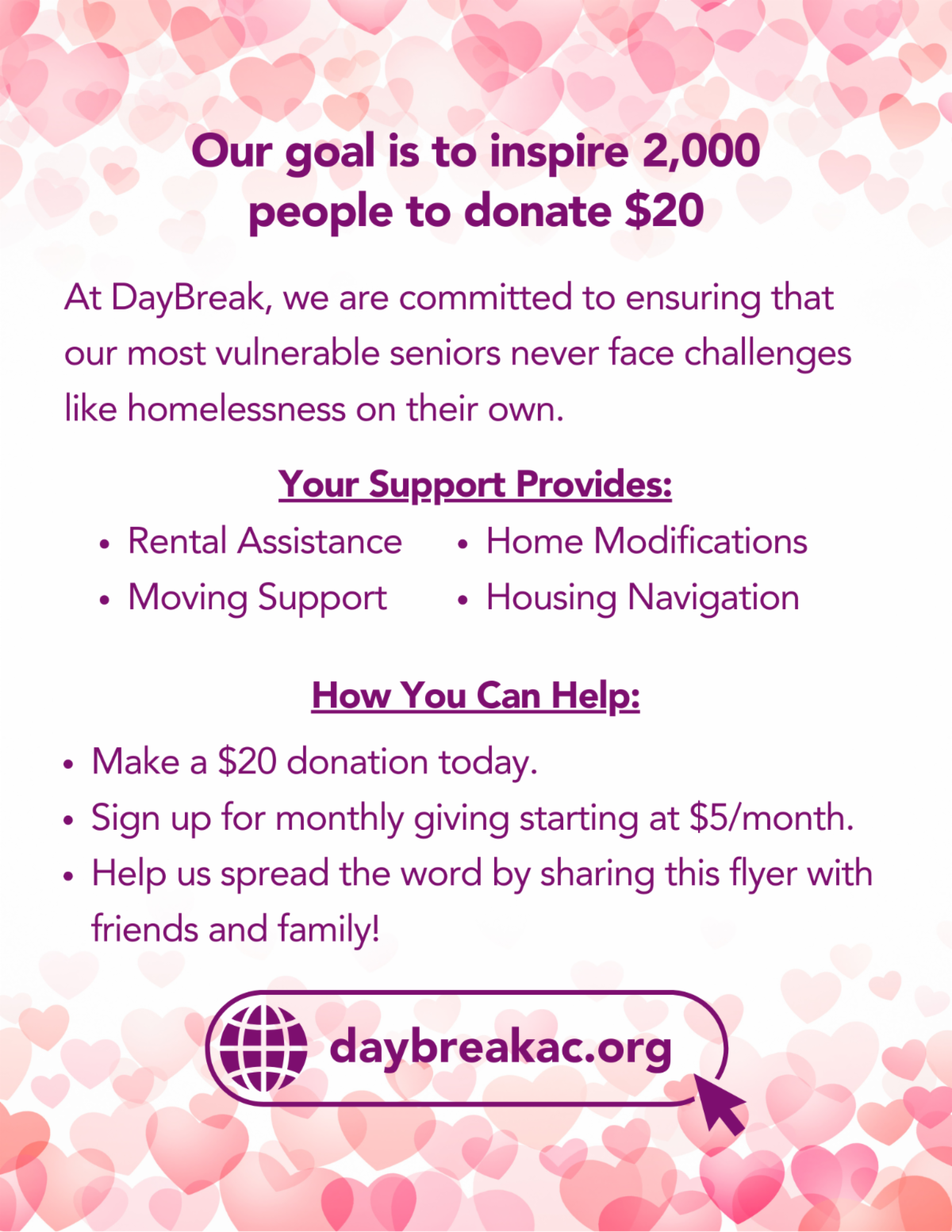
Help Us Reach Our Goal! 💜
| | Your gift ensures the security of a safe home and the essential care every senior deserves to age with dignity. Thank you for being part of our mission to provide stability and wellness to those who need it most. | | Nutrition & Food Resources for Older Adults | | |
(For adults age 60+)
CONGREGATE (SIT-DOWN) SENIOR MEAL SITES
Call ahead to reserve. Most lunches served around 12:00 PM.
Alameda
Mastick Senior Center
510-747-7503
Mon–Fri
Castro Valley
Kenneth Aitken Senior Center
510-881-6738
Mon–Thu
Hayward
Hayward Area Senior Center
510-881-6766
Mon–Fri
Hayward
Josephine Lum Lodge
510-785-1997
Mon–Fri
| |  | |
Oakland
Downtown Oakland Senior Center
510-238-3284
Mon–Thu
Oakland
Northgate Terrace
510-465-9346
Mon–Fri
Oakland
Palo Vista Gardens
510-562-9533
Mon–Fri
San Leandro
San Leandro Senior Center
510-881-0302
Mon–Fri
Union City
Ruggieri Senior Center
510-675-5495
Mon–Thu
*Meals are typically low-cost or donation-based
| |
|
HOME-DELIVERED MEALS (MEALS ON WHEELS)
For homebound seniors unable to cook or shop.
Meals on Wheels of Alameda County
Area Served / Phone
-
Alameda: 510-865-6131
- Albany: 510-524-9124
- Berkeley: 510-981-5250
- Emeryville: 510-596-4309
- Oakland & Piedmont: 510-460-5855 ext. 118
- Hayward, Castro Valley, San Leandro, San Lorenzo: 510-582-1263 ext. 118
- Fremont, Newark, Union City: 510-582-1263 ext. 118
- Livermore: 510-881-0304
- Dublin / Pleasanton / Sunol: 510-881-0305
SENIOR MEAL PROGRAM PROVIDER
Spectrum Community Services
Main Office: 510-881-0300 (ask for Senior Meals)
Operates many congregate meal sites and some home-delivered programs.
GROCERY & FOOD ASSISTANCE
Mercy Brown Bag Program
Free groceries twice monthly for eligible seniors
Phone: 510-269-9640
Alameda County Community Food Bank
Food Helpline: 510-635-3663
Find local pantry sites: FoodNow.net
BENEFITS & INFORMATION
Alameda County Area Agency on Aging
Senior Information & Assistance
1-800-510-2020
510-577-3530
CalFresh (SNAP) Assistance: 510-670-6000
NOTES
• Most programs require advance registration.
• Bring ID if requested.
• Many sites offer translation assistance.
• Some locations offer take-home (“Grab & Go”) meals.
| |
Missed Our Latest Webinar? Watch the recording → Our most recent webinar, Nutrition Education for Older Adults, covered essential guidance on how dietary needs evolve with age. Click play to watch below! | | |
If you know an elder in need of our care and coordination services, or a caregiver seeking support, please encourage them to reach out to us at:
510-834-8314
| | | | |