|
Yes, you read that correctly.
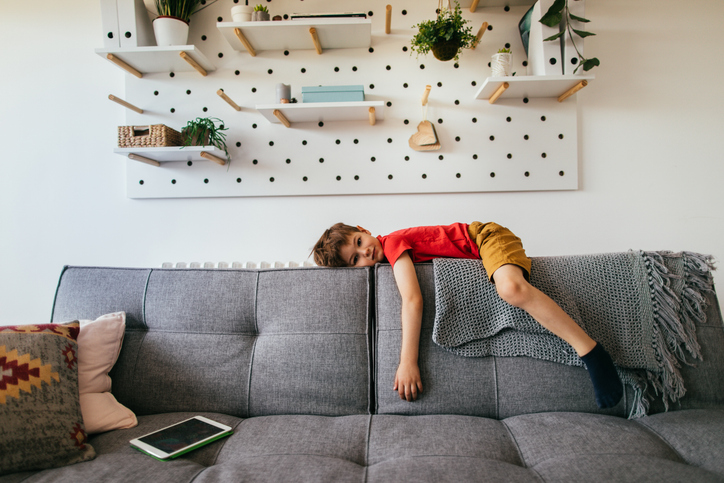
It's ok to be bored.
During the summer, kids suddenly have more unstructured time on their hands. Normally, that's a gift. After all, most children don't get enough downtime.
However, one of the greatest skills we can foster in children is teaching them how to "fill the blank canvas" and not think of boredom as a negative. Boredom helps kids develop valuable skills, according to the Child Mind Institute. For starters, it helps kids build tolerance of less-than-ideal experiences. It can also help them build resiliency when life isn't going the way they prefer. Kids need to develop the skills to manage their frustrations and regulate their emotions when things aren’t going their way, and boredom is a great way to teach that skill.
Boredom also helps children develop planning strategies, problem-solving skills, flexibility, and organizational skills — key abilities that children whose lives are usually highly structured may lack, adds Jodi Musoff, MA, MEd, an educational specialist at the Child Mind Institute.
It’s not the boredom itself that helps children acquire these skills — it’s what they do with the boredom. “Typically, kids don’t plan their days, but when they work on a project to fill their time, they have to create a plan, organize their materials, and solve problems,” Musoff explains.
“Developing these skills helps children better manage a variety of academic tasks, such as planning for long-term assignments, and flexibility when working on group projects and social skills.”
Additionally, boredom fosters creativity, self-esteem, and original thinking. The key is to help kids learn how to manage their boredom so they can develop independence and feel control over their happiness and well-being.
Planning ahead and banking ideas that both you and your student have agreed upon will help your student decide how to best fill the downtime that is part of summer break.
Helping your children view boredom as an opportunity to do something will benefit both of you. They’ll try new activities, develop better frustration tolerance, learn how to take initiative and entertain themselves, acquire planning strategies and problem-solving skills, build perseverance, increase confidence and get to know themselves better. Plus, you’ll hear fewer complaints and have more time to yourself. The next time your child says, “I’m bored,” respond with, “That’s awesome! I know you'll come up with a really great solution!"
|