Freedom of Speech
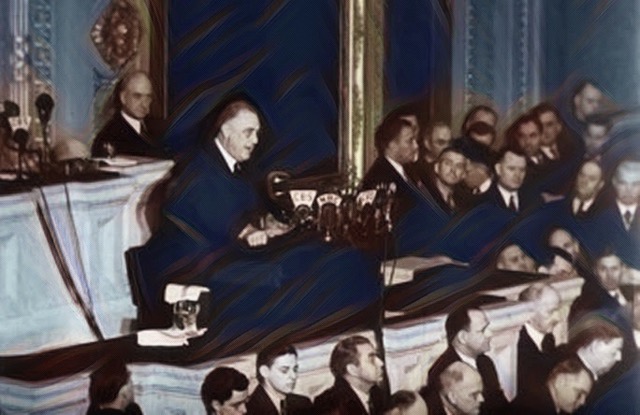
On January 6, 1941, President Franklin D. Roosevelt delivered to the U.S. Congress a speech that became known as the Four Freedoms Speech. In this visionary address, he looked forward to a world founded on four essential human freedoms: the freedom of speech, the freedom to worship, the freedom from want, and the freedom from fear.
These Four Freedoms, which are celebrated yearly to this day in Middelburg and Hyde Park alternately, were in 1948, enshrined in the United Nations Universal Declaration of Human Rights, due to the tireless work of Eleanor Roosevelt.
Over the next few months, I want to explore in this column all four freedoms, as the values underlying these are at their core shared between the United States and the Netherlands.
Roosevelt chose these words months after it had become clear that a second global conflict had broken out where autocracy and tyranny had provoked open, armed conflict on an unprecedented scale, only 23 years after the Great War.
These freedoms had been born from four fears, but FDR decided to phrase these positively,
as guiding principles for the progress of humankind. Roosevelt did see negative freedom and positive freedom.
Why did he position the freedom of speech and expression as the first of the four? And why did he emphatically proclaim this freedom to apply “everywhere in the world”?
|
|
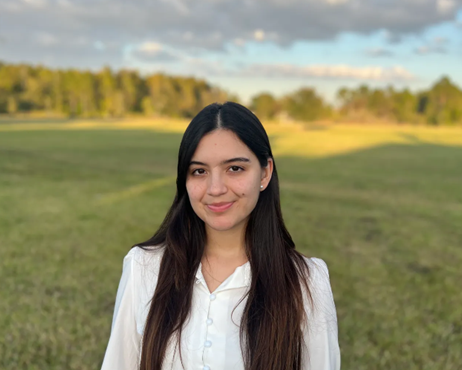
The NAF USA2Holland Internship Grant provides funding for high-achieving, low-income American students and recent graduates to intern in the Netherlands. Pictured is Maria Infante-Pulido, a recipient of this grant, who recently moved to Leiden to begin an internship at the Leiden International Centre.
Maria is a graduate of Florida State University and has been determined to gain more international experiences at the onset of her career. Read on to learn about her background and her time in the Netherlands!
|
|
|
Our First Fair Just for Students! |
Are you a student at a Dutch university (HBO/WO) looking to intern in the US? Then please join us for the first-ever Dutch2USA Fair on April 19 at CIC Rotterdam. This half-day event will include an opening group session and smaller breakout sessions to prepare you for an internship in the US, concluding with a networking event.
Plus: Anyone who has ever received a Dutch2USA grant is warmly welcomed to attend the networking reception for another first-of-its-kind event: the Dutch2USA reunion! The NAF would love to learn more about your professional and academic life since returning to the Netherlands.
Registration is required. Sign up today!
|
|
Fri, Apr 19, 2024 3:00 PM CET
Dutch2USA Fair
CIC Rotterdam,
Rotterdam
|
|
|
|
|
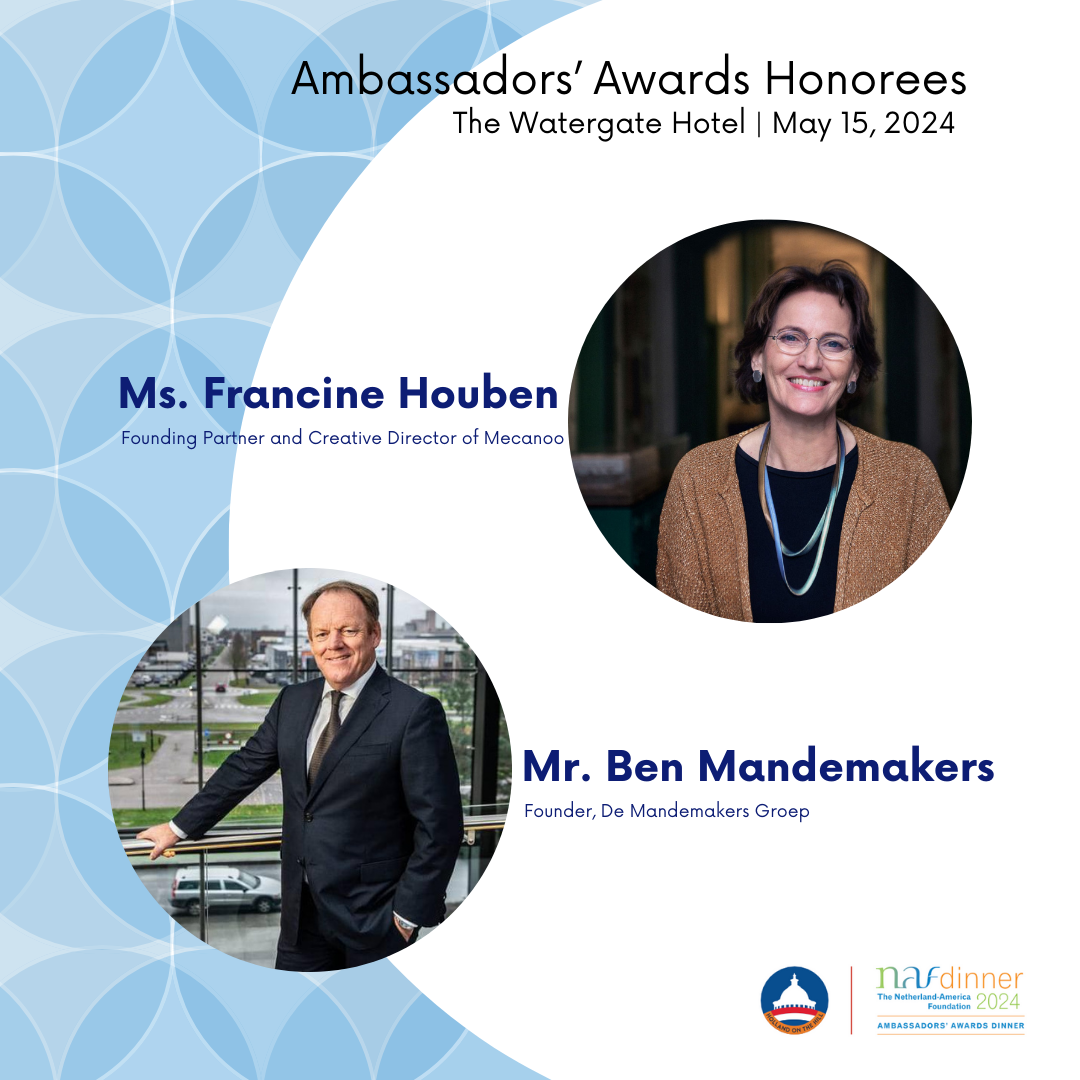
Ambassadors' Awards Dinner |
|
|
The NAF Connection is a lively evening gathering NAF members, donors, and supporters with the current students and interns on their exchange with help from the NAF. |
|
|
|
Fri, Mar 15, 2024 7:00 PM CET
NAF Connection 2024- Amsterdam
Capital Kitchen,
Amsterdam
|
|
|
|
|
Fri, Apr 12, 2024 5:30 PM EST
NAF Connection 2024- New York City
Rabobank,
New York
|
|
|
|
|
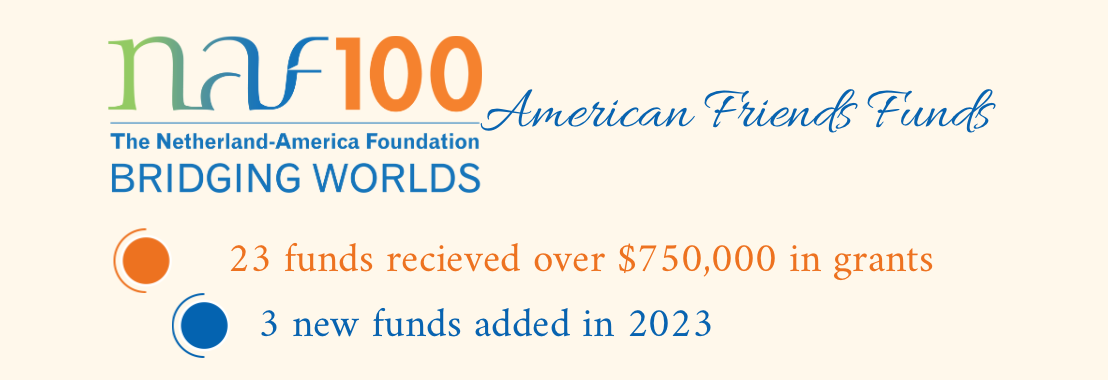
The NAF American Friends Funds is a program that works to fulfill our mission of strengthening the bonds of friendship and appreciation between our two countries through the support of exchange activities.
Establishing an American Friends Fund with the NAF eliminates the need for Dutch charitable organizations to create and administer their non-profit in the U.S., while providing U.S. donors the advantage of a U.S. income and gift tax deduction for their gifts.
This program has grown in numbers and continues to grow through the addition of more funds and the support that is provided for education, cultural, business exchange and historic preservation. See below for two of our Friends Funds upcoming tours and concerts in the US.
To learn more about our American Friends Funds, see a complete list of funds and learn how to make an impact bilaterally, visit our website: https://thenaf.org/friends-funds/
|
|
|
 |
Nederlands Dans Theater
at New York City Center
Apr 3-6, 2024
The Nederlands Dans Theater, NDT, returns to the New York City Center with three works. Legendary choreographer William Forsythe brings his quartet N.N.N.N. Imre van Opstal and Marne van Opstal collaborate with DRIFT to set the company’s uniquely exacting technique against theatrical scenic design in The Point Being, a US premiere work. Renowned choreographic duo Sharon Eyal and Gai Behar introduce Jakie, making its US debut.
NAF members wishing to attend the opening night on April 3rd, are invited to a special reception following the show with short speeches by Dutch Consul-General Ahmed Dadou, NYCC Vice-President, andArtistic Director Stanford Makishi, NDT Artistic Director. You can buy your tickers here.
|
|
|
|
Royal Concertgebouw Orchestra
US Tour
Nov 18-23, 2024
The Royal Concertgbouw Orchestra is once every few years in the US and is planning its next tour in November between November 18th and the 24th, 2024.
Performing in the United States is key for the Concertgebouw Orchestra and its international status as one of the best orchestras in the world.
Tour dates
18 November 2024 Orlando
19 November 2024 West Palm Beach
20 November 2024 Naples
22 November 2024 Carnegie Hall, New York
23 November 2024 Carnegie Hall, New York
24 November 2024 Kennedy Center, Washington
To support the orchestra and attend these concerts, please visit this link. |
|
|
|
Enroll in Monthly Giving!
You can make a real difference in supporting the NAF by making your membership contributions throughout the year. There are many benefits to enrolling in monthly giving. Here are just a few:
-
Convenience: Monthly giving allows donors to set up automatic contributions that are deducted from their accounts each month, making it easy to budget and plan.
-
Impact: Regular monthly contributions can make a significant impact over time, even if the amount is small. This can help us better plan and execute programs and services.
-
Sustainability: Monthly giving provides a reliable and predictable source of funding which can help achieve long-term sustainability.
-
Efficiency: By reducing the need for fundraising and administrative costs, monthly giving allows us to direct more resources toward programs and services.
Monthly giving is a great way to make a meaningful and sustained impact while also enjoying the benefits of convenience, impact, sustainability, and efficiency. To enroll on our membership form click the ❤️ Monthly tab.
|
|
|
Thur, Mar 28, 2024 4:00pm PDT
NL Entrepreneurs in LA : NBSO X NAF Southern California Edition - Hosted by MikeTeevee
663 Brooks Ave, Venice Beach
|
|
|
|
|
Thu, Apr 11, 2024 7:00 PM PST
NAF Northern California Meet & Greet, plus lecture on heritage preservation
1073 Arlington Blvd,
El Cerrito
|
|
|
|
|
|
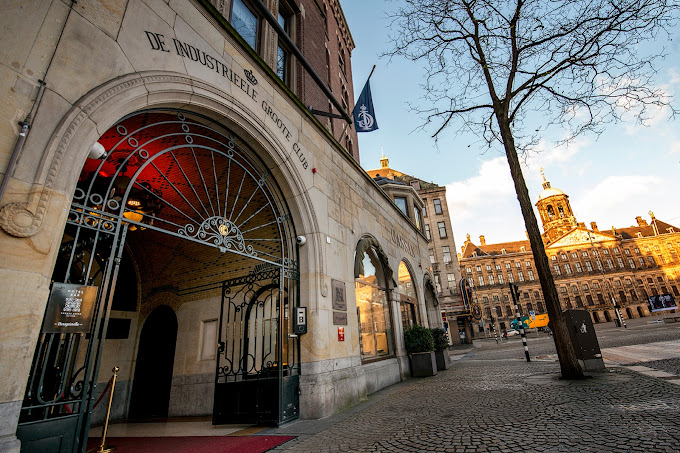
Netherland-America Friendship Gala
Saturday, June 15, 2024
Koninklijke Industrieele Groote Club Amsterdam
Registration will open soon.
|
|
As a member of the Netherland-America Foundation, you’re part of a premier community of leaders in the cultural, business, and political sectors with access to our network across the Dutch American community.
JOIN TODAY to help support the many programs and activities of the NAF and connect to your local NAF chapter.
If you are a current member of the NAF and wish to renew your membership, click here.
|
|
|
|
|
The Netherland-America Foundation
|
|
|
|
|
|
|
|