Network
Newsletter
PUBLICATION HIGHLIGHTS
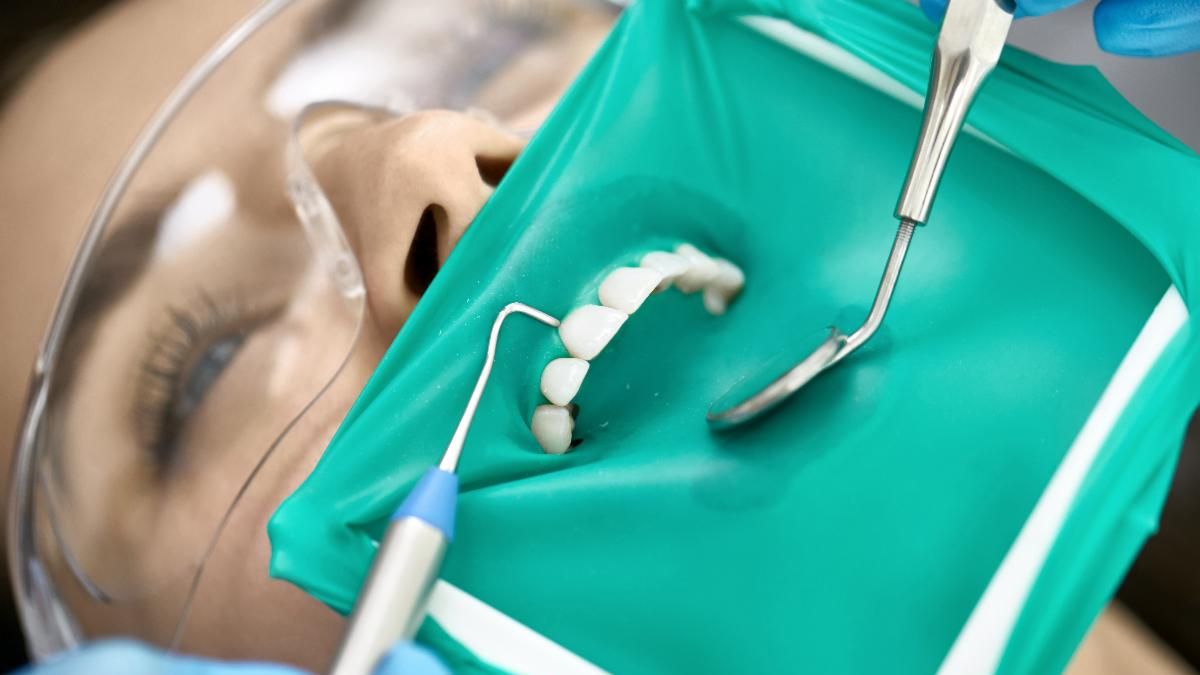
Dental Dam Use During Root Canals
How often does tooth isolation with a dental dam, the standard of care for root canal treatment (RCT), actually happen in everyday practice? Having addressed this issue in a dentist questionnaire study several years previously, the Network next obtained actual clinical data during a subsequent clinical study. This clinical study of RCT engaged 153 Network dentists and 1,701 patients. Although almost all study endodontists used a dental dam for every RCT, general dentists in the study only used a dental dam in 72% of RCTs. Practice type (e.g., large group practice) and Network region were the most strongly associated factors for dental dam use among the general dentists.
Results
How You Manage Chronic TMD-Related Pain
How do you manage a patient whose jaw pain won't go away? We asked, and 297 dental providers answered in our latest Quick Poll on chronic pain related to temporomandibular disorders (TMDs).
STUDENT SPOTLIGHT
From Dental Surveys to Dental School
Alina Rivera spent her senior year of college helping patients in their quit-smoking attempts in the FreSH study. Now she is headed to dental school with a conviction she picked up along the way: "Dentistry is preventive in nature and uniquely positioned to influence overall health outcomes."
Stay Connected with the Network
Your clinical experience helps shape research that reflects real-world dental practice. Explore recent findings, read about past Quick Polls, and learn how you can take part in future studies at nationaldentalpbrn.org.
Improving the nation's oral health by improving
the knowledge base for clinical decision-making
and moving the latest evidence into routine care
The National Dental Practice-Based Research Network is supported by the National Institute of Dental and Craniofacial Research (NIDCR), part of the U.S. National Institutes of Health (NIH), grants U19-DE-028717 and U01-DE-028727
National Dental PBRN | 1717 11th Ave S Suite 402 | Birmingham, AL 35205 US
Unsubscribe | Update Profile | Constant Contact Data Notice