|
Save the Date: Young Entrepreneur Pitch Week Showcase Night
Friday, February 6, 5:00 - 7:00 pm
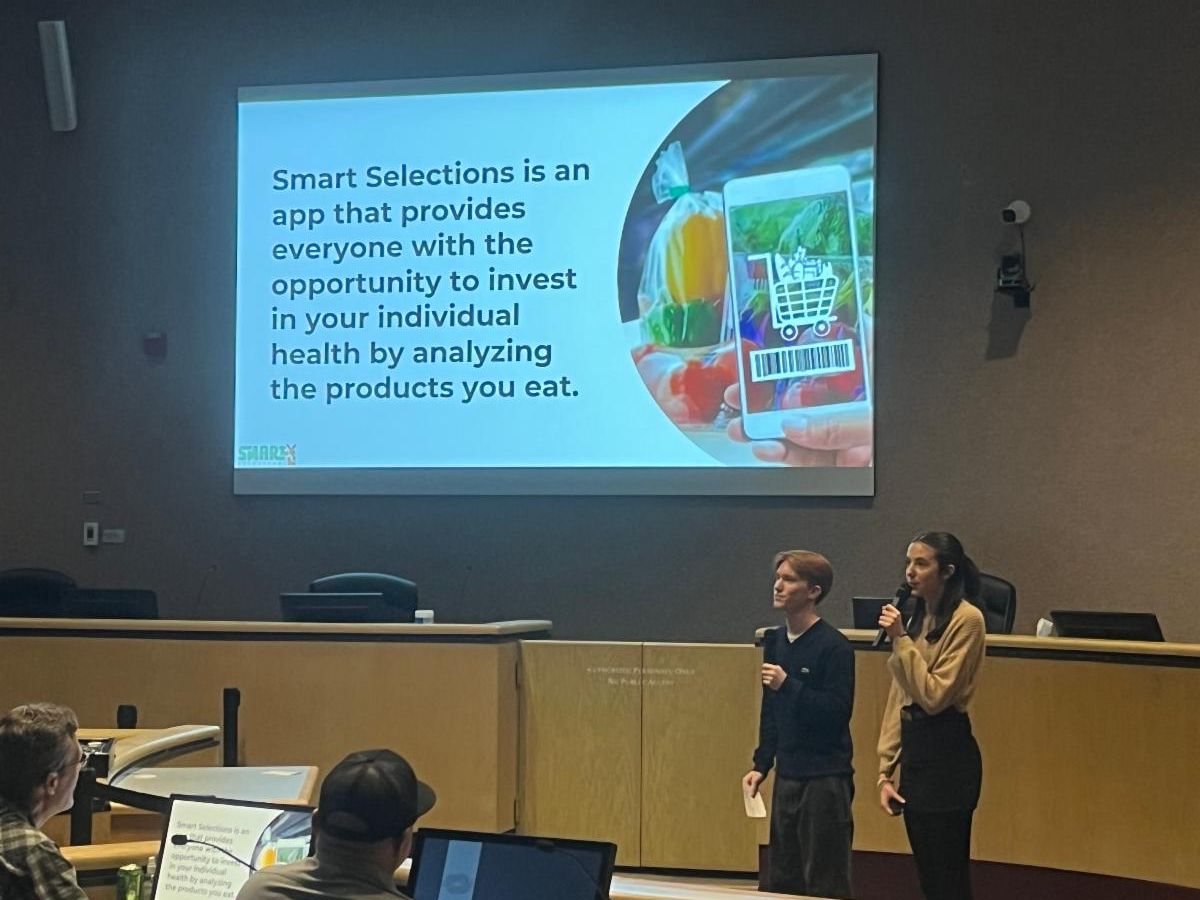
The Nevada County Economic Development Office is proud to announce the return of Young Entrepreneur Pitch Week Showcase Night, Friday, February 6, 2026. Business leaders and community members are invited to attend this high-energy evening where local high school students pitch their business ideas—think Shark Tank, with Nevada County youth.
After a week of hands-on mentorship from local business and community leaders, students in grades 9–12 will present innovative ideas they’ve developed into viable business concepts. Attendees will have the opportunity to vote for their favorite pitch, with prize money generously sponsored by Presenting Sponsor River Valley Community Bank.
“Pitch Week is about inspiring the next generation of innovators,” said Jeff Dellis, youth leadership development coordinator for Nevada County. “Students gain practical entrepreneurial skills while connecting directly with mentors and community leaders who are eager to support youth creativity.
Location: Nevada County Government Center, Board Chambers, 950 Maidu Avenue, Nevada City
| | |
Nevada County Welcomes New Board Chair
and Celebrates Leadership
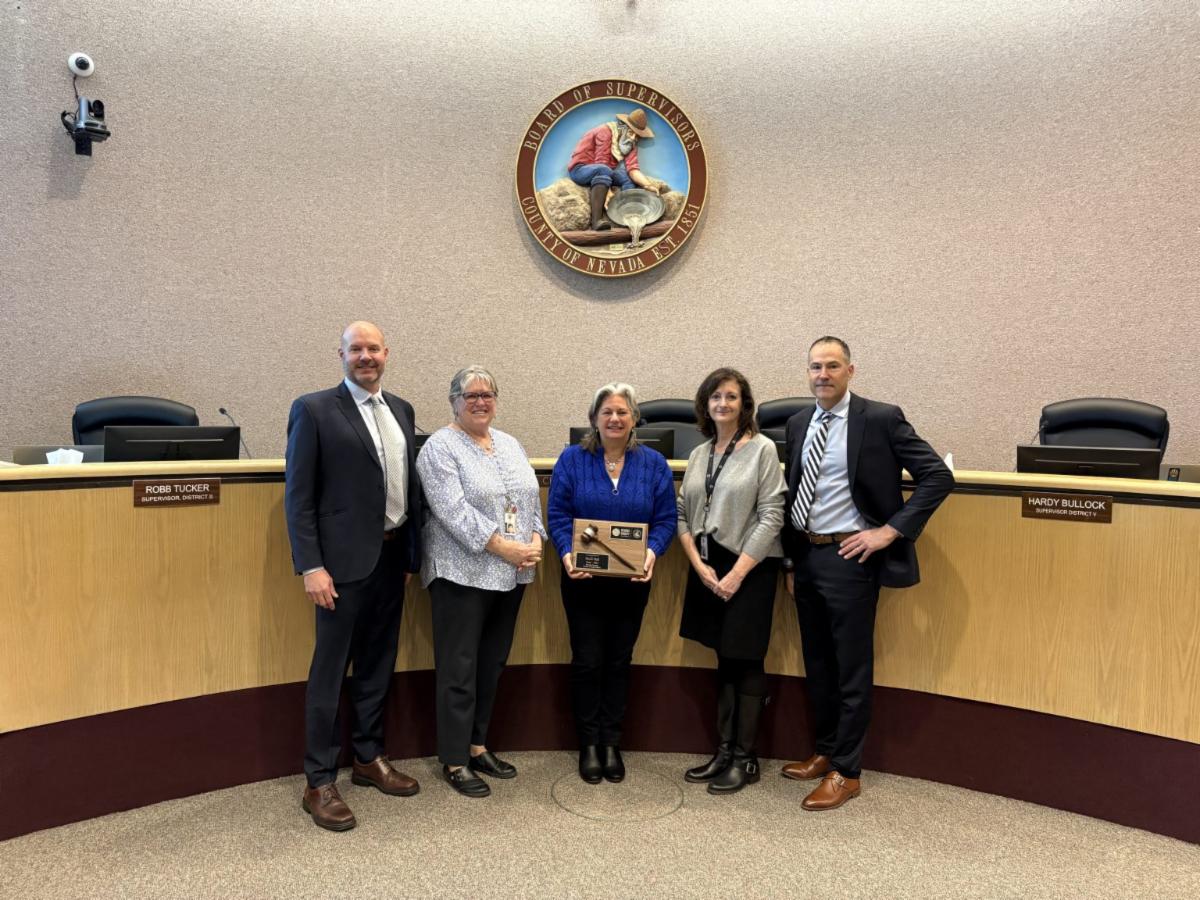
The Nevada County Board of Supervisors marked an important leadership transition as Supervisor Heidi Hall concluded her term as Board Chair, closing out her theme of the Year of the Youth, and Supervisor Lisa Swarthout was sworn in as Chair, launching her theme, the Year of the Small Business.
During her tenure as Chair, Supervisor Hall elevated youth voices across Nevada County, emphasizing leadership development, education, and pathways for young people to engage in civic life. Her Year of the Youth brought increased attention to the importance of investing in the next generation and fostering opportunities that support youth participation and long-term community vitality.
Chair Swarthout now takes the helm with a focus on strengthening Nevada County’s small business community. Her Year of the Small Business will spotlight the essential role small businesses play in local economic resilience, job creation, and community character, while advancing efforts to support entrepreneurs and business owners throughout the county.
| | |
County to Offer Optional Pilot Business License Program
On January 13, 2026, the Board of Supervisors authorized an optional business license program as a three-year pilot for unincorporated county businesses. Businesses will not be required or mandated to participate.
At the meeting, Board of Supervisors Chair Lisa Swarthout commented, “As a former small business owner, I know how little time there is to search for resources or ask for help,” Swarthout said. “This optional pilot will make it easier for businesses to connect with resources so they can focus on operating, growing, and staying here, while helping the County better understand and communicate with our business community,” she added.
After hearing from Economic Development Program Manager Kimberly Parker last spring on increasing requests from local businesses for licenses needed to secure financing, grants, and contracting opportunities, the Board of Supervisors asked the Economic Development Office and Treasurer–Tax Collector’s Office to research and bring back a recommendation for consideration. The Economic Development Office receives on average 5-10 inquiries a month for a business license.
Parker explained that the optional program will support businesses that need a license as well as those choosing to participate for its added benefits, including improved emergency communications during wildfires and severe weather, and increased credibility and trust through a County-issued business license.
Further, the program will give the County a greater understanding of the business community in the unincorporated areas, which may help inform policy decisions, strategic initiatives, and grant applications in the future. The program is not expected to launch until the fall of 2026.
| |
Economic Development
Book of the Month!
Start. Scale. Exit. Repeat. by Colin C. Campbell
Get inside the minds of 30+ experts, authors, and seasoned entrepreneurs and learn from their hard-earned lessons. This ultimate guide reveals the winning patterns behind successful businesses and shows you how to apply them to your own venture. From building a competitive edge to scaling up and adding zeros to your revenue, Campbell provides a proven formula to crush the competition and avoid common pitfalls.
Discover how to maximize wealth by securing the right funding, navigating potential buyers, and cashing in big on an exit. With actionable strategies and expert advice, you’ll master the art of starting, scaling, exiting, and repeating turning entrepreneurial dreams into reality. If you’re ready to grow smarter, faster, and bigger, this book is your roadmap to success.
To borrow Start. Scale. Exit. Repeat., click here to email the Economic Development Office.
| |
Small Business Administration (SBA) Coming to Nevada County
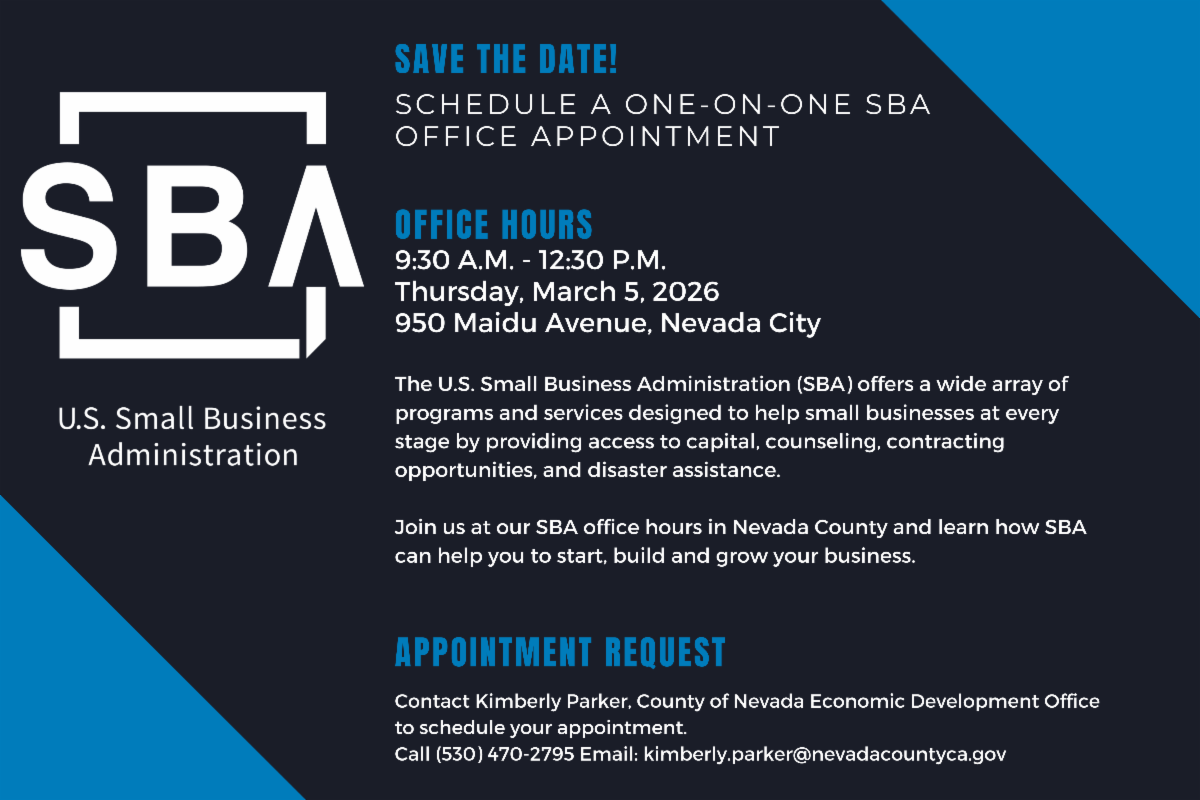
The U.S. Small Business Administration (SBA) is coming to Nevada County to offer free, one-on-one office hour appointments for local small businesses and entrepreneurs. These personalized meetings are a unique opportunity to get expert guidance on business financing, SBA loan programs, business planning, contracting and government procurement opportunities, disaster recovery resources, and growth strategies. Whether you’re just getting started or looking to expand, SBA’s one-on-one support can help you navigate challenges, access capital, and take the next step toward building a stronger, more successful business in Nevada County. See below for information on how to set up an appointment.
| |
Building a Pitch Deck to Open Doors
Kimberly Parker, Economic Development Office
Over the years, I’ve had the opportunity to sit across the table from business owners at every stage—startups bootstrapping their first product, seasoned entrepreneurs scaling up, and everyone in between. One thing is constant: when you’re asking for funding, investment, or even a community partnership, you need a clear, compelling pitch deck.
But a pitch deck isn't just a PowerPoint with your logo on it. It's your story, told with strategy, not just slides. If you're building one for the first time (or tightening it up for round two), here are a few tips I've learned from both sides of the table.
Start with the problem and don’t bury the lead. Investors and partners want to know what real-world problem you’re solving and why it matters. Be specific. Whether it’s a product that helps local builders save on materials or a service that fills a regional workforce gap, make it clear why your business matters, especially in our unique Nevada County market.
Next, show how you’re solving the problem better than anyone else. This is where your product, service, or technology comes in. Keep it simple and tangible. If possible, include a demo, a short video, or a quick story about a real customer to bring it to life.
It’s one thing to say your business will grow. It’s another to show who your customers are, what they’re doing today, and why they’ll choose you. If you're working in a niche or emerging market—like clean tech or rural innovation, call that out. Bonus points for regional data that shows the opportunity is real and growing.
Investors don’t just invest in ideas; they invest in people. Share a snapshot of your team, your experience, and why you’re the right group to build this. In Nevada County, where collaboration and community run deep, local credibility and relationships go a long way.
They will also want to understand how you make money, and what you’ve already accomplished. Include early wins, even small ones, like a pilot project, a first customer, or a grant you received. If you’re still early, that’s okay. What matters is showing momentum.
Yes, your numbers matter. Share your projections including revenues and expenses and be ready to explain the assumptions behind them. When you get to “the ask,” be direct. Are you seeking $150,000 in seed capital? A public-private partnership? A local angel investor? Be clear and tie the request to how the funds will be used.
Finally, keep it to 10-12 slides. Avoid walls of text or jargon. Use clean visuals, infographics, and simple charts. Nevada County investors appreciate straightforward communication. Respect their time and they’ll respect your pitch.
Your pitch deck is more than a tool for raising funds, it’s a reflection of how clearly you understand your business. Take time to get it right. Share it with peers, local advisors, or business support programs like those at ERC, Sierra Commons, the SBDC or my office and ask for feedback. You’ll be surprised how much stronger your story becomes with outside perspective.
Good luck—and if you’re launching or growing a business in Nevada County, I’d love to hear your story.
Click here to email the Economic Development Office.
| | |
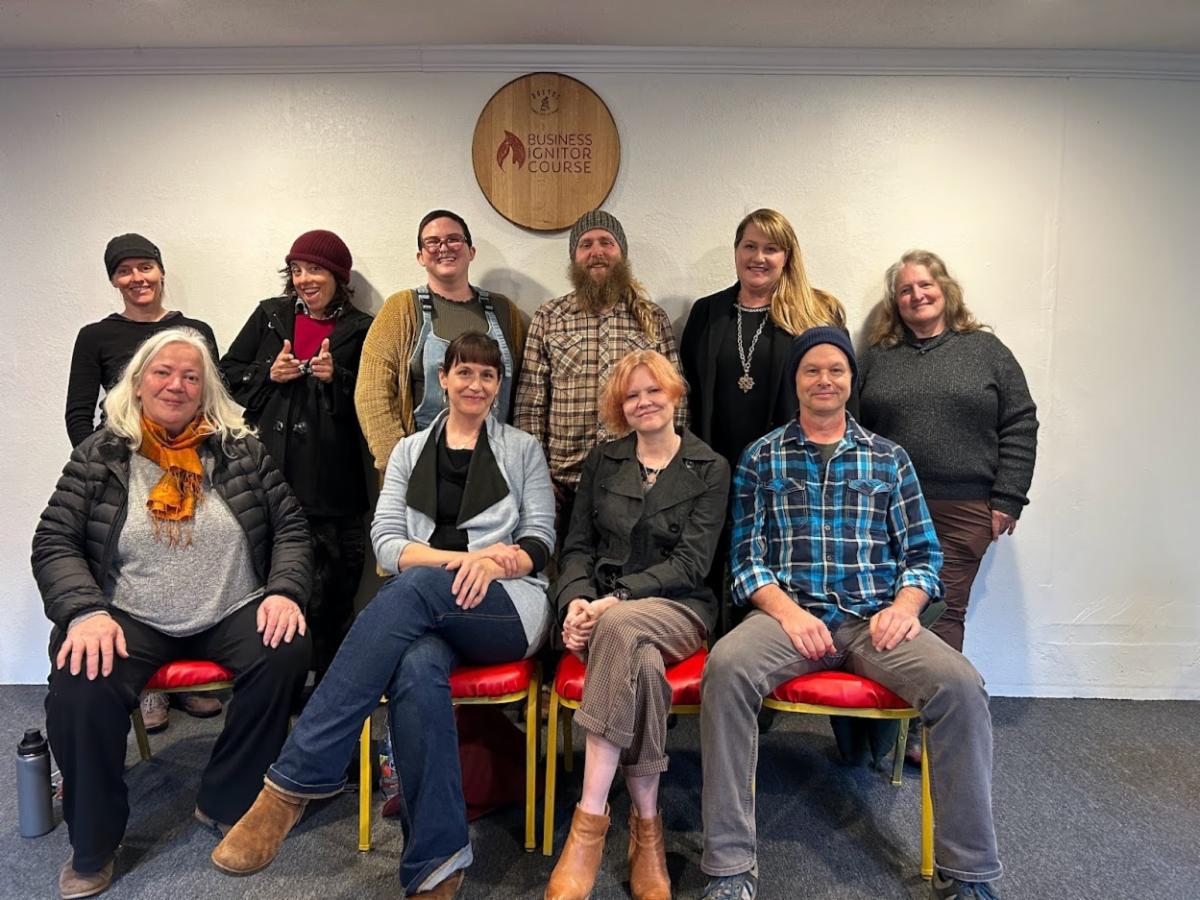
Business Ignitor Course - Now Enrolling
Sierra Commons is a nonprofit business incubator supporting early-stage entrepreneurs in rural communities. Its flagship program, the Business Ignitor Course, is designed for people in the idea stage through the first three years of business—often first-time entrepreneurs—who are ready to move from “someday” to taking real, supported steps forward.
The six-week course blends solid business fundamentals with a human-centered approach that recognizes the realities of building a business alongside full, complicated lives. Instruction is led by experienced entrepreneurs and supported by one-on-one advising (through the Sierra SBDC), peer accountability, and a strong cohort community. Participants consistently report increased clarity, confidence, and momentum by the end of the course.
Rather than offering shortcuts or hype, the Business Ignitor Course focuses on helping entrepreneurs develop an actionable plan, build confidence through guided progress, and connect with others navigating similar challenges and opportunities.
The next six-week Business Ignitor Course begins March 10 and is offered in person and in a hybrid format. Registration is now open.
Advance registration required. Click here to learn more and register for the event.
| | HAPPENING WITH LOCAL BUSINESSES | | |
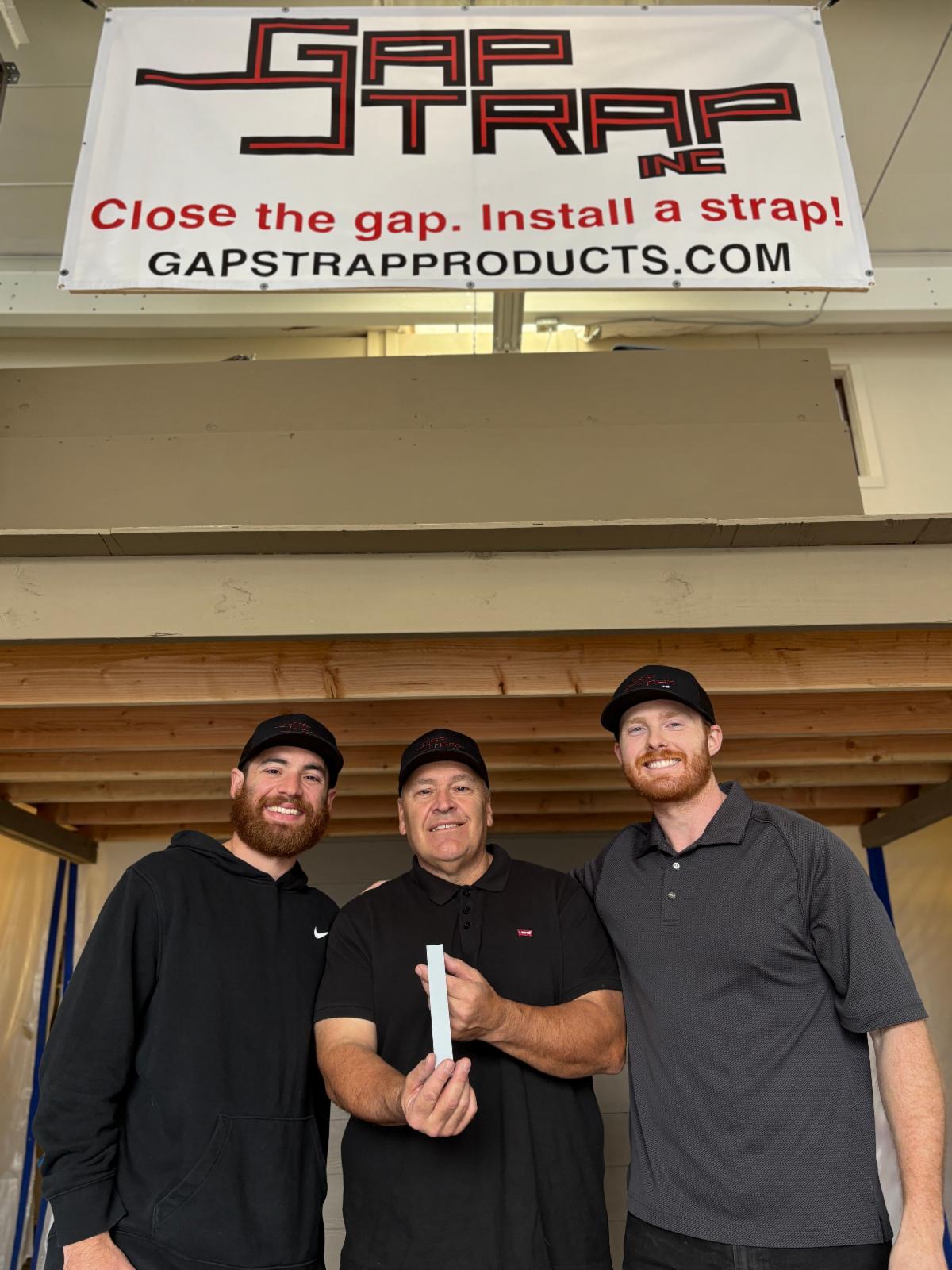
GapStrap: Local Innovation Solving a Costly Construction Problem
In fiber cement siding installations, expansion joints are a known weak point. Over time, the gaps left between boards can lead to cracking, warping, water intrusion, and eventual siding failure—creating costly maintenance and replacement issues for property owners and contractors alike. Traditional fixes such as caulking or board replacement often fail to address the underlying problem.
GapStrap, a locally developed and patented solution, was created to solve this challenge once and for all. Designed by a second-generation contractor and refined through real-world use, GapStrap is an 18-gauge sheet metal fastener that bridges and secures expansion joints by butting boards together, strengthening the overall siding system.
By reinforcing the joint itself, GapStrap improves structural integrity, prevents water intrusion, and protects against damage from wind, weather, and pests. Contractors benefit from faster installation, reduced labor and material costs, and a fully reusable product made in the USA.
GapStrap’s performance is backed by ICC testing under ASTM standards, including saltwater intrusion and high-wind conditions. On average, the product can extend the life of fiber cement siding by up to 15 years and significantly increase the time between re-siding projects for both residential and commercial buildings.
GapStrap is a strong example of local innovation with national relevance—offering a simple, durable solution that saves time, money, and materials while improving building performance.
Click here to visit the website or give them a call at (916) 276 - 6610.
| |
Natasha Johnson 63rd Assembly District Grant Writing 101
January 30, 10:00 am — 11:30 am
Join Assemblywoman Natasha Johnson and California Consulting for an informative grant writing 101 workshop focused on helping cities, school districts, special districts, nonprofits and other organizations strengthen their approach to federal and state grant applications. Participants will gain practical guidance, proven strategies, and expert tops to improve grant writing success.
To register for this free webinar, click here.
| |
2026-27 School Breakfast Program (SBP) and Summer Meal Program (SMP) Start-Up and Expansion Grant
Application deadline: 2/13/26 16:00
Expected Award announcement: July 1, 2026
Match request: none
The intent of the grant is for the California Department of Education (CDE) to award competitive grants of up to $15,000 per school site for nonrecurring expenses incurred when initiating or expanding a School Breakfast Program (SBP) or Summer Meal Program (SMP).
School food authorities (SFA) can submit the 2026-27 School Breakfast Program (SBP) and Summer Meal Programs (SMP) Start-up and Expansion Grant, known as the Breakfast Grant (BG).
Click here to go to the grant portal.
| | | |
The Polaris Trails Grant Program
Application deadline: March 1, 2026, and September 1, 2026. Notifications will be made within 30 days after the end of the month to review.
All organizations must be a 501(c)(3), 501(c)(7), governmental or non-profit organization.
The Polaris Trails Grant Program supports trail preservation, promotes safe and responsible riding, and helps protect the environment and natural resources that are a part of the off-road trail systems.
Funds can be used by organizations for off-road trail development and maintenance projects, safety and education initiatives, and other projects to increase and maintain land trail access.
Click here to go to the grant portal.
| | |
The Hind Foundation Grants Program
Hind Foundation rolling standard, supplemental, and continuing education grants support community-based projects proposed by nonprofit organizations that are at least three years old and have visible impacts in California. Areas of funding include ecosystem conservation, historical landmark restoration, plant and wildlife protection, and land conservation.
Eligibility requirements:
- a nonprofit organization with a CA 501(c)3 designation
- a majority of funding comes from the local community
- a board of directors that meets regularly
- hold or sponsor at least one fundraising event annually
- has been a CA 501(c)3 for more than three years based on the ruling date of your IRS Determination Letter and as confirmed in GuideStar.
- has not received a Hind Foundation grant in the past two years, nor have applied or been denied a grant in the past year.
Programs must:
- take place in CA
- provide a lasting benefit to its community
- falls within Hind Foundation Areas of Funding
- be able to show the organization has raised a substantial amount of the funds needed to complete the project
- be able to show the amount of the grant coupled with existing or pending support will be enough to meet the project goals.
Click here to go to the grant portal.
| | |
Don't miss the tremendous array of trainings
being offered over the next month.
| | Share the trainings with members of your team and staff. | | The following trainings are courtesy of the Sierra Small Business Development Center at: (530) 582-5022 and the Small Business of North Los Angeles | | |
Updating Your 2026 Marketing Strategy
January 21, 2026
9:00 - 10:00 am
Free
Start the new year with clarity, confidence, and a fresh marketing plan! This one-hour webinar will guide small business owners and entrepreneurs through developing a focused marketing strategy for 2026.
Participants will review what worked (and what didn’t) in 2025, explore low-cost, high-impact marketing tactics, and create an actionable plan to reach their goals in the year ahead specific for their business sector.
Register for this class here.
| | |
Jan 27 @ 12:00 pm - 1:00 pm
Free
Come ready for an introduction to the ABC Model and Cycle Counting for businesses with inventory as a critical asset.
The goal is to help reduce costs and increase profitability through improved inventory control and a reduction in stockouts. You will gain tips and insight on applying The ABC Model in manufacturing to easily classify inventory into three main categories using the Pareto Principle (80/20 rule). Cycle counting will become another tool to apply, while embracing the ABC Model logic.
Click here for more details
| | |
Starting Your Business – Part 1
February 4, 10:00 am — 11:30 am
Free
This webinar is a brief introduction to entrepreneurship and what goes into creating and starting a new business. The webinar includes a high-level overview of some of the things that will be critical to your success, including:
- Assessing how well suited you are to be an entrepreneur and how to make sure that the idea you have is practical.
- What business structures are available, and which one might be best for you.
- The permits and licenses you might need.
To register for this class, click here.
| |
Accessing Capital for Early-Stage Businesses
January 27, 10:30 am — 12:00 pm
Free
Accessing Capital for Early Stage Companies and Start-ups is designed for new companies looking to raise their first outside money. The webinar will cover equity and debt and feature a panel of experts.
To register for this class, click here.
| | The following trainings are offered by Score | |
Seven Simple Ways to Protect Yourself
Legally When Starting a Business
Pre-recorded webinar. Listen at your leisure
One hour training
Free
In this pre-recorded webinar, you will learn seven smart steps you can take as an entrepreneur to keep your business on solid legal ground, from building a foundation to maintaining compliance.
Charley Moore, CEO and founder of Rocket Lawyer will break down these simple practices that can help you confidently run your business. Instead of looking back and being weighed down by legal question marks, you can look forward to bringing your dream to life.
Learning Objectives:
- How to build the right legal foundation from the start
- How to protect yourself and your assets when starting a business
- How to ensure you are compliant in your state
Click here for details.
| | |
Save Thousands: How to Use Profit & Loss Statements and Balance Sheets
February 22, 2026
1:00 PM EST
90 minutes
Cost: $15.00
Bookkeeping isn’t just about keeping your records organized—it's a powerful tool that can save you thousands each year. By mastering the basics, you’ll gain the financial clarity to make smarter decisions, simplify tax season, and set your business up for long-term success.
In this semi-live, bookkeeping expert Phyllis Johnson will walk you through practical bookkeeping steps every small business owner should know. You’ll learn how to create profit and loss statements, balance sheets, and other essential reports, along with tips to streamline your process and avoid costly mistakes.
While the presentation plays, Phyllis will be available live to answer questions, followed by a dedicated 15-minute Q&A session to address your specific concerns.
What You’ll Learn:
- Why smart bookkeeping is essential to your business’s financial health
- How to create a profit and loss statement and balance sheet
- Best practices for accurately tracking income and expenses
- How bookkeeping can simplify tax season and save you time and money
- Proven tips and tools to make bookkeeping easier and more efficient
Click here for details.
| |
Nevada County Tourism in 2024: A Local Economic Engine
Tourism continues to be a key economic driver for Nevada County, bringing visitor dollars into local businesses, supporting jobs, and generating tax revenue that helps fund community services.
While Visit California’s 2024 Economic Impact of Travel report focuses mainly on statewide totals, it also includes county-level data showing how travel spending supports local economies across California, including rural and foothill counties like Nevada County.
In the most recent Dean Runyan Associates County summary (most recent fully published data available), visitor spending in Nevada County was estimated at around $493 million with travel-related employment supporting about 4,210 jobs and generating roughly $43 million in combined state and local tax revenue (from prior county-level reports) — demonstrating how vital visitor dollars are to the area.
Visitors come to experience Nevada County’s historic downtowns, outdoor recreation, cultural events, and scenic landscapes — from the Gold Rush towns of Grass Valley and Nevada City to Truckee and the Tahoe region. These visitors spend on lodging, food and beverage, retail, recreation, and services, creating economic activity that benefits both residents and local businesses.
Why Tourism Matters Locally
- Job Support: Tourism supports a significant share of employment in hospitality, restaurants, shops, tours, and recreation — helping sustain full- and part-time jobs that might not exist otherwise.
- Small Business Revenue: Visitor spending flows directly into local businesses, boosting sales for hotels, breweries, galleries, outdoor outfitters, and event venues.
- Tax Revenue for Services: Tourism-generated tax dollars help fund essential public services such as roads, public safety, parks, and cultural programs — reducing pressure on local residents’ tax burden.
- Community Vitality: Visitors support cultural and arts events, festivals, and community attractions that enhance quality of life for both residents and guests.
In 2024, as California tourism continued its recovery and growth, Nevada County shared in that momentum, with visitor spending and employment trends reflecting sustained demand for its natural and cultural attractions. Tourism remains a cornerstone of the County's economy, fueling jobs, supporting small business, and contributing to the regions' long-term vitality.
| | | | |