July 11, 2025

Newsletter for July 11, 2025

This Issue:

  • Urgent Community Meeting – Your Voice Is Needed!
  • Please Include Yourself In Regulation Process For Plants
  • No, Living With Wolves Is Not Free
  • USDA Launches $16 Billion in Fast-Track Disaster Relief for Farmers
  • Advocating for Nevada Agriculture in Washington, D.C.

Urgent Community Meeting – Your Voice Is Needed!

The U.S. Fish & Wildlife Service is considering listing the Tui Chub fish in Fish Lake Valley as an endangered species, which could severely impact agriculture, water use, and land access.


Join us for this important meeting to learn what’s at stake and how you can help. Experts will be on hand to answer questions, and you’ll have the opportunity to submit official comments to the US F&WS onsite.


Monday, July 14, 2025

4:00 p.m.

Fish Lake Valley Community Center

Virtual: Click Here


Deadline to comment: July 21


Spread the word—your attendance matters!


Contact: Kristene Fisher, Central NV County Farm Bureau 702-580-9982 k14fisher@gmail.com

Please Include Yourself In Regulation Process For Plants

Nevada’s Administrative Code chapter 555 covers plants. The Nevada Department of Agriculture (NDA) is going through the Administrative Code changing process and needs your input. Participation in the surveys, connected with here, is voluntary. The data provided will be used to help the NDA draft a business impact statement. This statement, created from the results of this survey, will be available as part of a future public workshop announcement. In addition to completing this survey, you may also provide public comment on these proposed changes at a future workshop, which will be announced after the survey closes.


Please review the proposed changes to NAC 555 prior to taking a survey. The deadline to complete the surveys is Wednesday, July 23, 2025.

No, Living With Wolves Is Not Free

As city people promote the idea of having wolves located in rural areas, knowing they don’t have to deal with the consequences, the burden on impacted farmers and ranchers is starting to be calculated. In a recent American Farm Bureau Federation (AFBF) Market Intel, Economist Daniel Munch adds background information on the expanding base of information.


“In addition to the loss of individual animals, the presence of wolves introduces chronic stress that can disrupt cattle health and productivity.” Munch writes. “Even without a direct attack, cattle sense predator cues, like scent, tracks or howling, which triggers a survival response. As a result, cattle spend less time grazing and more time bunched together, alert and on the move. This reduces forage intake, slows weight gain and lowers overall body condition.”

USDA Launches $16 Billion in Fast-Track Disaster Relief for Farmers

The USDA has announced the expedited rollout of $16 billion in disaster relief through the new Disaster Relief Program (SDRP), aimed at helping farmers and ranchers impacted by natural disasters in 2023 and 2024.


Starting July 10, eligible producers who previously received crop insurance or NAP payments will be mailed pre-filled applications. These can also be submitted in person at local FSA offices.


A second phase—covering shallow or quality losses—will open this fall.


This funding covers losses from wildfires, drought, floods, extreme weather events, and more. Recipients must commit to crop insurance or NAP coverage of at least 60% for the next two years or repay funds with interest.


To learn more and check eligibility, visit farmers.gov

Advocating for Nevada Agriculture in Washington, D.C.

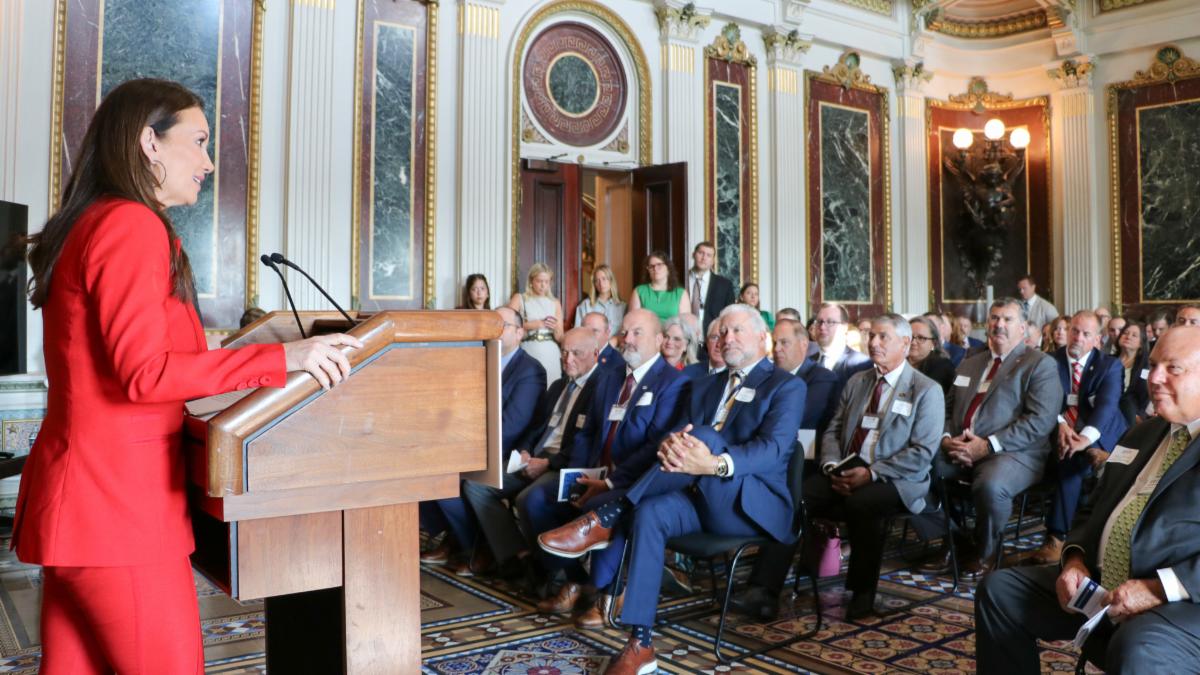
This week, Nevada Farm Bureau President Bevan Lister joined Farm Bureau presidents from across the country for important discussions in Washington, D.C. During their visit the group met with U.S. Agriculture Secretary Brooke Rollins, EPA Administrator Lee Zeldan, and key policy leaders involved in the Make America Harvest Again (MAHA) movement. The conversations focused on the future of American agriculture, regulatory reform, disaster relief, and federal support for farmers and ranchers across the nation.


Also in Washington, we were pleased to connect with the staff of Congresswoman Dina Titus to discuss Nevada agriculture and share the priorities of our state’s producers. These conversations help ensure our elected leaders understand the challenges and opportunities facing rural communities and the agriculture industry.


We are proud to have Nevada’s interests represented in these important policy discussions and will continue advocating for a strong, sustainable future for agriculture in our state.

Have a great weekend!