July 31, 2026

Newsletter forJuly 31, 2026

X Share This Email

This Issue:

  • Nevada Farm Bureau Joins Other Ag Organizations And Growers Seeking Labor Legislative Reform
  • You're Invited: Growing Together Small Farms Networking Dinner
  • Your Feedback And Policy Input For Agricultural Research Would Be Especially Useful
  • U.S. Forest Service Seeking To Fill Slots On Their Advisory Committee
  • Women in Agriculture Spotlight Series: Gracyne Backus
  • Now There Is A Senate Bill To Delist Gray Wolf From Endangered Species List

Nevada Farm Bureau Joins Other Ag Organizations And Growers Seeking Labor Legislative Reform

Nevada Farm Bureau joined a group of agricultural organizations and grower operations indicating strong support for H.R. 9535, the Securing Agriculture’s Workforce Act (SAWA).  This bi-partisan bill was introduced on June 30th by Representative G.T. Thompson of Pennsylvania.


Specifically, SAWA would work to:


  •  Remove the outdated requirement that work must be strictly ‘seasonal’ in nature, allowing farm operations that have left out of the current system to access the H-2A program as long as the job offered is 350 days or less.
  • Retain the requirement that work be ‘temporary,’ as defined as a job contract of 350 days or less.
  • Modernize the definition of ‘agricultural labor or services’ to address the full diversity of today’s farm sector.
  • Codify and further stabilize the 2025 Adverse Effect Wage Rate (AEWR) methodology, provides farmers and workers with certainty and relief from near constant regulatory changes and litigation.
  • Reduce administrative and compliance cost by simplifying program requirements.


John Walt Boatright, American Farm Bureau Federation (AFBF) Director of Public Affairs covered this legislation in his July 2, 2026 Farm Bureau Intel – “Farm Labor Bill Answers Agriculture’s Call For Reform.”

You're Invited: Growing Together Small Farms Networking Dinner

Whether you're a small farm producer, rancher, cottage food entrepreneur, local food grower, or simply passionate about Nevada agriculture, you're invited to join us for an evening of great food, meaningful conversations, and valuable connections.


As part of the 107th Nevada Farm Bureau Annual Meeting, we're excited to host the Growing Together Small Farms Networking Dinner on Thursday, November 12, 2026.


Event Schedule

Thursday, November 12, 2026

  • Networking Social: 5:00 p.m.
  • Dinner: 5:45 p.m.


This relaxed evening is designed to bring together producers from across Nevada to exchange ideas, build relationships, and discuss the opportunities and challenges facing small farms today. Whether you're an experienced producer or just getting started, you'll find a welcoming community eager to connect.


Registration

  • Nevada Farm Bureau Members: $20
  • Non-Members: $25


Come enjoy a delicious meal, meet fellow producers, and become part of the conversation as we work together to strengthen Nevada agriculture.


We look forward to seeing you on November 12 for an evening of networking, learning, and growing together!


Register here and reserve your seat!

Your Feedback And Policy Input For Agricultural Research Would Be Especially Useful

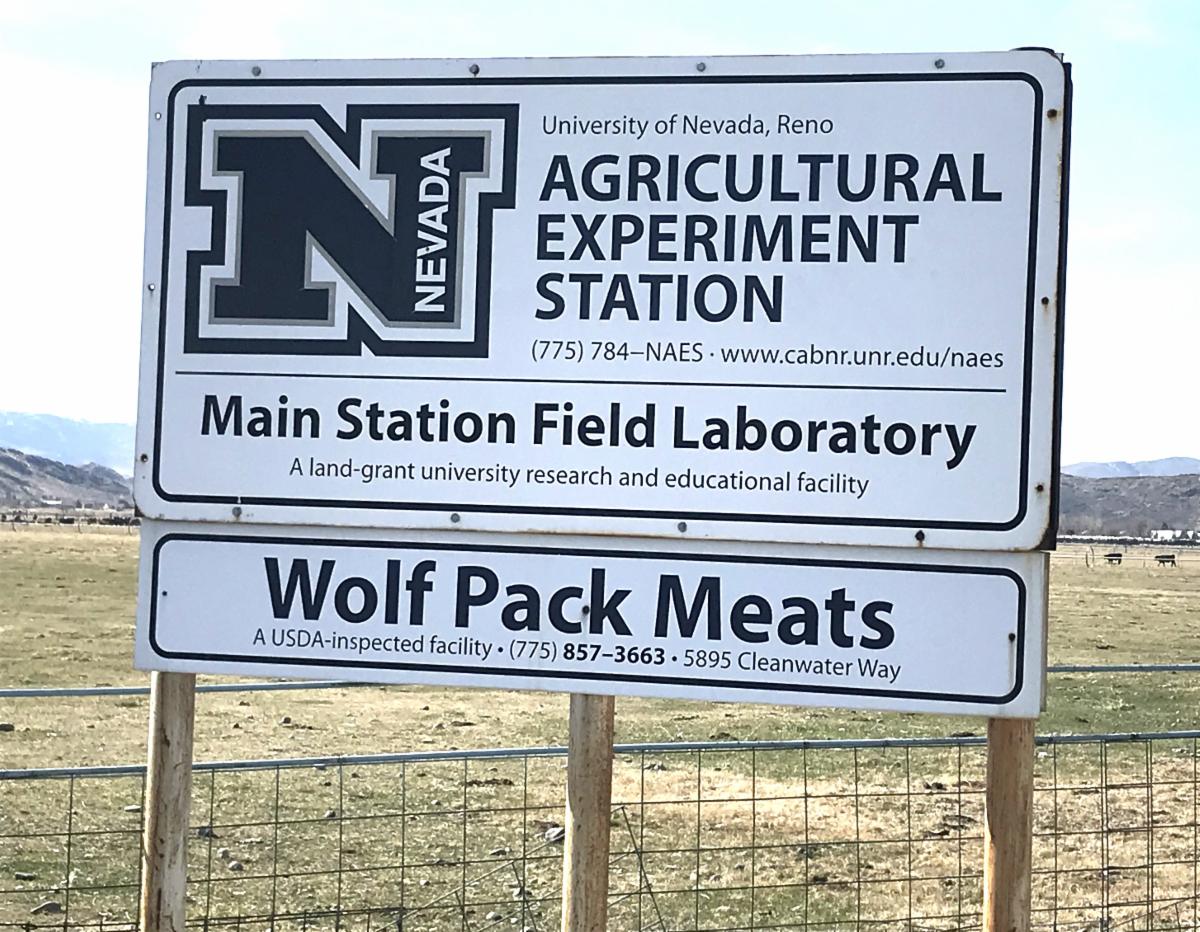
Over the past several weekly newsletters we’ve provided the current policy Nevada Farm Bureau positions with an opportunity for you to weigh in and share your thoughts on whether you still believe the policy reflects your thoughts, whether some new should be included…whether something should be deleted entirely.  This week we turn our attention the Nevada Farm Bureau policy on “Agriculture Research”.  Nevada Farm Bureau is represented on a group of agricultural advocates who are in support of agriculture, but who might be frustrated over the direction or lack of direction with the state’s Land Grant Institutions.  Earlier this year, we used this newsletter to pose the questions that the College of Agriculture, Biotechnology and Natural Resources (CABNR), Cooperative Extension and Agricultural Research we’re asking to find out from their constituents.


These were the questions that the group wanted to learn more about…


Please share your opinion (positive, negative, neutral) of UNR CABNR, NV Ag, Experiment Station, and UNR Extension.

  1. Please explain your understanding of the ties, similarities, and differences between CABNR, the Experiment Station and Extension programs.
  2. What programs, research, outreach, etc. have been useful to you and add value to your operations, interests and community?
  3. Do you know any faculty or extension agents on a first name basis?
  4. What do you believe should be the educational, research, and outreach focus in the months and years to come? In other words, what are the big concerns you have in your industry that CABNR, Experiment Station and Extension should address going forward?


After a three-week run, asking for responses/feedback – we received one comment, which basically seemed to be saying that they didn’t see the work that was being done was relevant.  With this in mind -how does your view of what is being done with Nevada Agricultural Research compare with the Farm Bureau policy highlighted above?  Should our current policy be changed, more focused or re-directed?  Should it stay the same?

U.S. Forest Service Seeking To Fill Slots On Their Advisory Committee

The U.S. Forest Service in Nevada is reaching to recruit an interest member to serve on their Nevada Secure Rural Schools (SRS) Resource Advisory Committee (RAC).  For more details of what the committee is responsible for – Click Here This committee may elect to have a portion of their funds to go into an SRS fund called Title II.  These funds can support projects with benefit National Forests and surrounding communities such as treating noxious weeds, road repairs, fuels reductions and similar activities


Nevada’s counties which qualify include Elko, Eureka, Humboldt, Lander, Mineral, Nye, and White Pine.


This link will help you to see the various qualification areas with members may come from as well as the connections to nominate yourself or someone who you believe would serve well in this capacity.


Your local contact to visit with on this program is Boyd Hatch, Nevada Resource Advisory Committee Designated Federal officer.  His email address is boyd.hatch@usda.gov.

Women in Agriculture Spotlight Series: Gracyne Backus

As we begin our Women in Agriculture Spotlight Series, the Nevada Farm Bureau is proud to recognize women whose dedication, leadership, and passion have helped shape agriculture across our state.


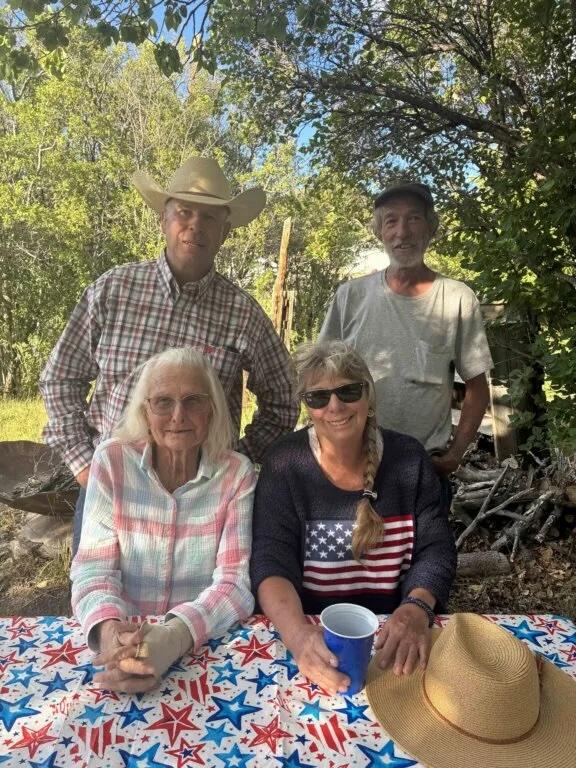
Our first spotlight honors Gracyne Backus, White Pine County Farm Bureau Women's Chair, whose lifetime of faith, perseverance, and commitment to agriculture has left a lasting impact on Nevada.


When asked what she believes is the greatest challenge facing western agriculture today, Gracyne doesn't hesitate.


"Water," she says. "Not enough of it, maintaining what we have, and conservation."


It's a challenge she knows firsthand.


Born in 1941 and raised in Happy, Texas, Gracyne grew up farming milo, corn, wheat, and cotton alongside her family. At just nine years old, her father lost his hand in a farming accident. When people questioned how he would continue operating the farm, he confidently replied that Gracyne would become his right hand and she did.


At the age of 26, Gracyne and part of her family moved to Lages Junction, about 60 miles north of Ely, Nevada. Water or the lack of it was the driving force behind the move. Through opportunities provided by the Desert Land Entry Act, the family drilled wells and transformed dry desert ground into productive farmland.


Despite the challenges, Gracyne says she immediately felt at home.


"I think God was calling me there."


She and her husband also established a Baptist mission in Curry, Nevada, where they raised their family. Their children attended a one-room schoolhouse in Curry, and until about 1975, the valley had no electrical service. The family relied on a diesel generator while building both their farm and their community.


Following the passing of her husband, Gracyne moved to Ely, where she continued farming and raising livestock. Although she recently sold the family farm to her grandson, she still lives on the property and finds great joy in watching him develop the same love for the land while continuing to improve the operation.


Today, Gracyne is the proud mother of six children, grandmother of 17 grandchildren, and great-grandmother of 21 great-grandchildren.


When asked what has kept her active throughout her life, her answer reflects the faith that has guided every step of her journey.

"My good health is simply a gift from God. He is always with me. Even as a little girl, I walked and talked to God out in the pasture when I was troubled. Anything I have accomplished in my life is from Him. How fortunate I was because I got to do what I wanted. I am one of the luckiest people in the world."

Gracyne's story is one of resilience, faith, family, and an unwavering commitment to agriculture. Her lifetime of hard work and service reminds us that the strength of Nevada agriculture is built by individuals who dedicate themselves not only to the land but also to their communities and future generations.

Thank you, Gracyne Backus, for your lifelong contributions to Nevada agriculture and for inspiring all of us through your example.


This article is part of the Nevada Farm Bureau's Women in Agriculture Spotlight Series, celebrating the remarkable women who help keep Nevada agriculture strong. Stay tuned as we continue introducing outstanding women from across the Silver State leading up to the presentation of the Nevada Woman in Agriculture Award at the 107th Nevada Farm Bureau Annual Meeting.

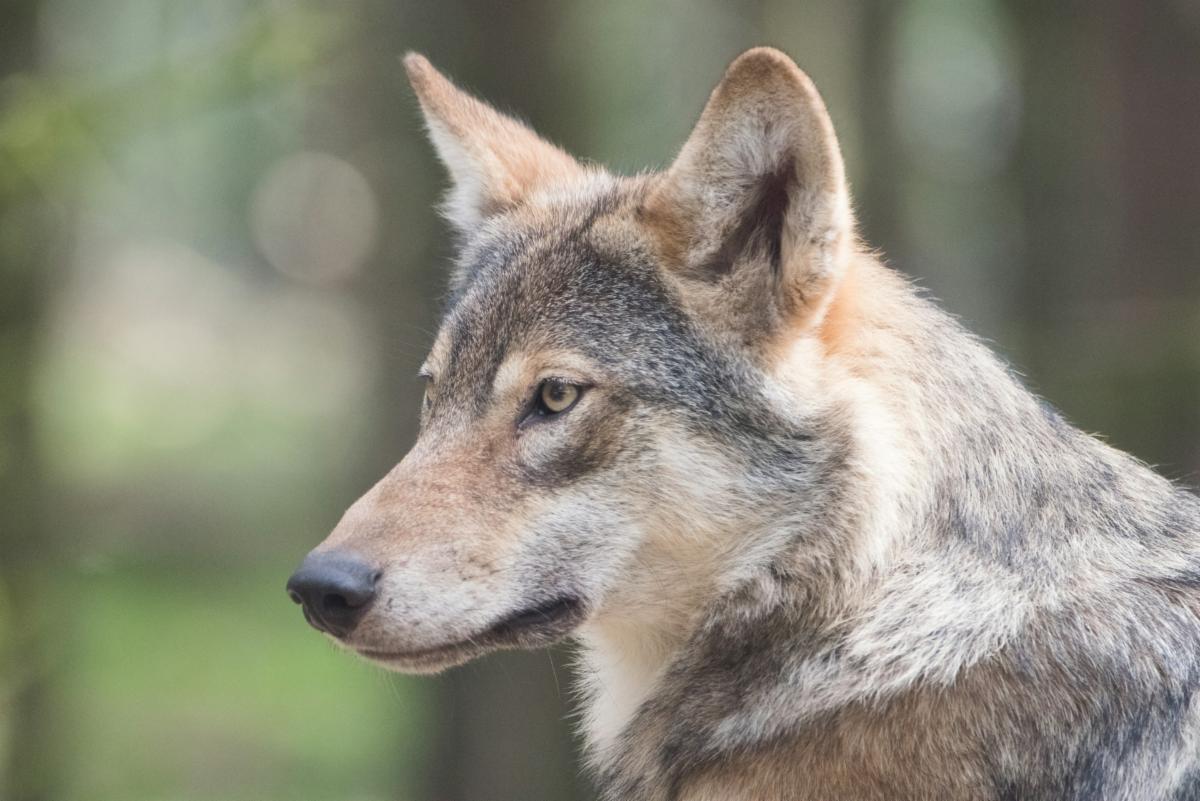
Now There Is A Senate Bill To Delist Gray Wolf From Endangered Species List

There was a recent Farm Bureau Action Request, asking you to contact your member in the U.S. House of Representatives to support a bill (H.R.845).  That bill passed the House on a bi-partisan vote.


Attention now turns the to the U.S. Senate and another opportunity to pass legislation which would delist the gray wolf from of the lower 48 states.  S. 1306 would:


  • Returns management authority to state wildlife agencies  
  • Provides certainty by preventing repeated court challenges  
  • Helps protect livestock and rural communities  


Gray wolf populations have exceeded recovery goals, but current federal protections limit effective management. This has created real challenges for livestock producers who are having to deal with having their livestock herds threaten and being depredated on a daily basis.


Even though Nevada does not officially have any wolves in the state, neighboring counties in neighboring states do have significant issues with wolves killing their livestock.  As things stand now, if wolves were to come into Nevada, U.S. and Wildlife would take control and nothing would be done to respond.  Passage of legislation to delist the gray wolf is the solution.


When you use the Farm Bureau Action Link, provided above, we encourage you to personalize the email header and throughout the sample email.