Economatrix-logo-450.png

White Paper Series | Summer 2025

From the desk of Dr. Patrick Gaughan, Ph.D.

Key Issues in Assessing

Business Interruption Lost Profit Claims

When lost profits are in dispute, the stakes are high and the margin for error is small. It is essential to understand the proper methodology for how lost profits should be measured and how to deal with the many common types of cases in business interruption lawsuits.


In this white paper, Dr. Patrick Gaughan reveals the 10 most common mistakes he’s seen in his 30+ years as an expert witness in commercial litigation — and how to avoid them.

Lost Revenues are Not Lost Profits


One of the most common mistakes and misunderstandings about business interruption lost profits claims is that lost revenues are the measure of loss. This is wrong. It is an error often made by plaintiffs who own closely held and small businesses. Lost profits are the lost revenues less the costs that would have been incurred to achieve those lost revenues. The size of the difference between the lost revenues and the lost profits can vary greatly depending on the cost structure of the business. 

Converting Lost Revenues to Lost Profits

This part of the process involves some financial analysis and maybe some cost accounting. The financial analysis would differentiate between costs that are fixed and ones that vary with output. It is the latter, sometimes called incremental costs, that should be deducted from lost revenues.

📄 Key Issues in Assessing Business Interruption Lost Profit Claims 


Download Full White Paper Here and learn about all 10 expert missteps and how to avoid them.

Mitigation

A key concept in damages measurement is mitigation.


Did the plaintiff exercise reasonable efforts to mitigate its damages?

If, for example, the plaintiff alleges that the defendant did not honor a contractually agreed upon supply agreement, were other sources of supply readily available? Was the issue just a price difference?

If so, that difference might be the extent of the damages.

Expert Credentials

Litigants need to be sure that the expert has the proper credentials and expertise. These may include a graduate degree, preferably a Ph.D. in economics, as well as having a tenured, full professorship teaching graduate level economics and finance at an accredited university.


In addition, the expert should also have a significant publication record, including books published by major publishers (not self-published) and peer-reviewed scholarly journal articles. Ideally, such articles should be related to the field of litigation economics and finance.

With 30+ years of experience, our team applies these insights daily in high-stakes litigation.

A Trusted Reference in

High-Stakes Economic Litigation

Featured Resource: 

Dr. Gaughan’s Expert Guide on Damages

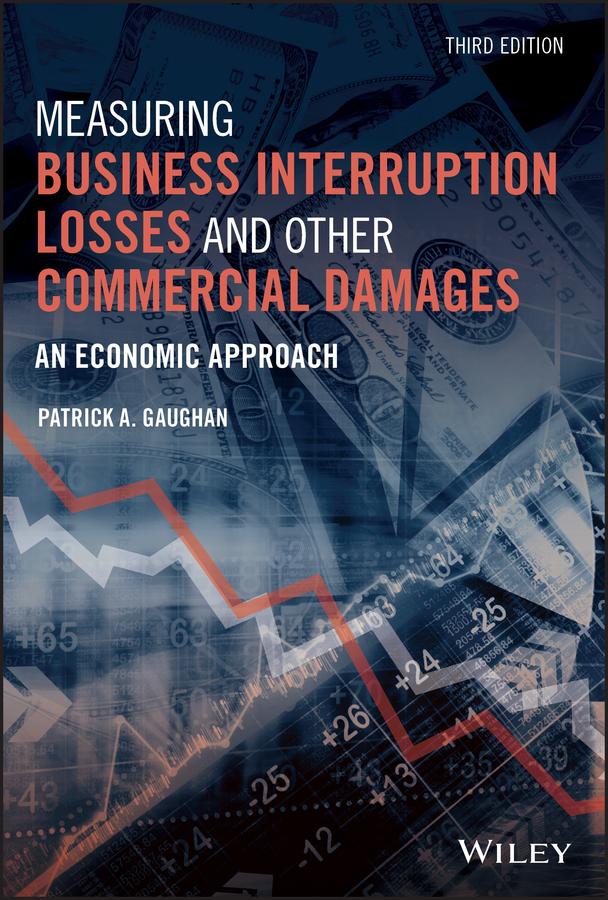
Gain a courtroom-tested advantage with Dr. Patrick Gaughan’s Measuring Business Interruption Losses and Other Commercial Damages.


Now in its 3rd edition, this trusted reference helps attorneys, insurers, and forensic experts translate complex macroeconomic shifts into clear, defensible damage models.


Whether you’re litigating commercial loss, valuing a business, or assessing economic exposure, this book provides a practical framework used in high-stakes cases across the U.S.

Additional White Papers and Expert Resources

Visit our growing library of white papers and litigation-focused resources, including guides on commercial damages, market volatility, rate shifts, valuation strategies - and explore Dr. Gaughan’s published works.

What Topic Would Help Your Next Case?

Select a topic you’d like us to unpack — we’ll cover it in an upcoming issue:

We analyze trends daily —

your input helps us prioritize what matters most to your practice.

Economatrix-logo-450.png


Delivering expert economic insights

LinkedIn  X  Facebook