The Georgetown Lombardi Arts & Humanities Program


October 24, 2023 | Vol. 98


View as Webpage

Browse previous issues

Click to Subscribe

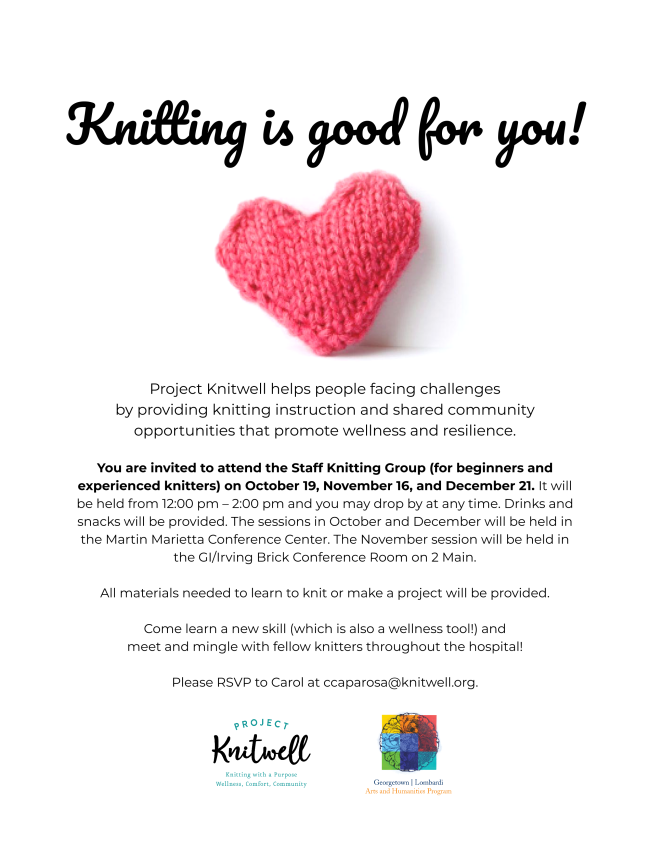
Welcome to the Georgetown Lombardi Arts & Humanities Program (AHP) newsletter. In this week's issue, we spotlight a new art exhibit honoring the memory of scientist and painter, Dr. Alicja Brown. Dr. Julia Rowland shares information about new integrative care guidelines for treating depression and anxiety. Also, AHP and Project Knitwell invite MGUH staff to attend a knitting group now meeting once per month through December!

"Faces of Resilience” Honors Dr. Alicja Brown, Scientist, Artist and Advocate for Colorectal Cancer Awareness

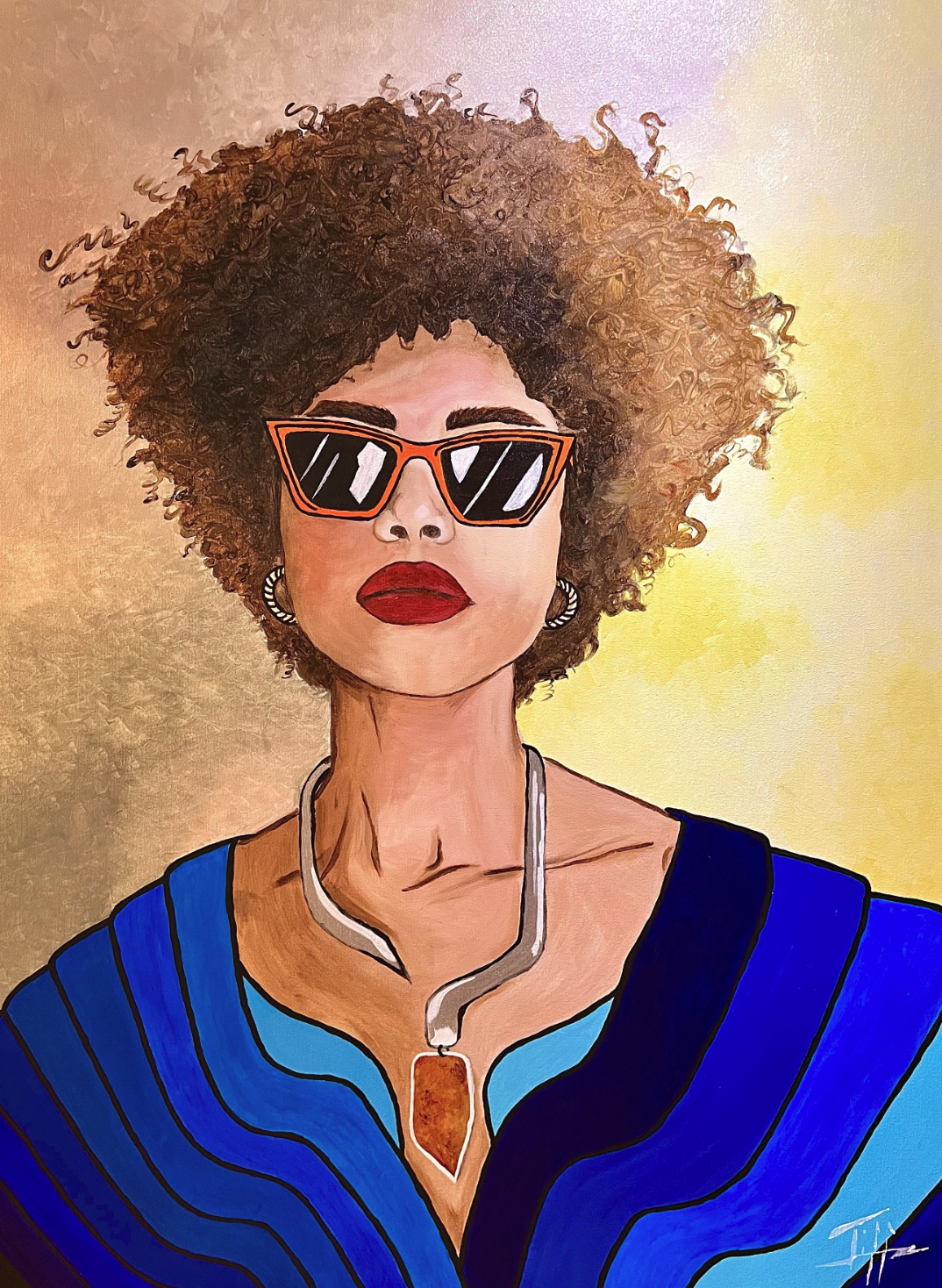
Alicja Brown, Breakthrough

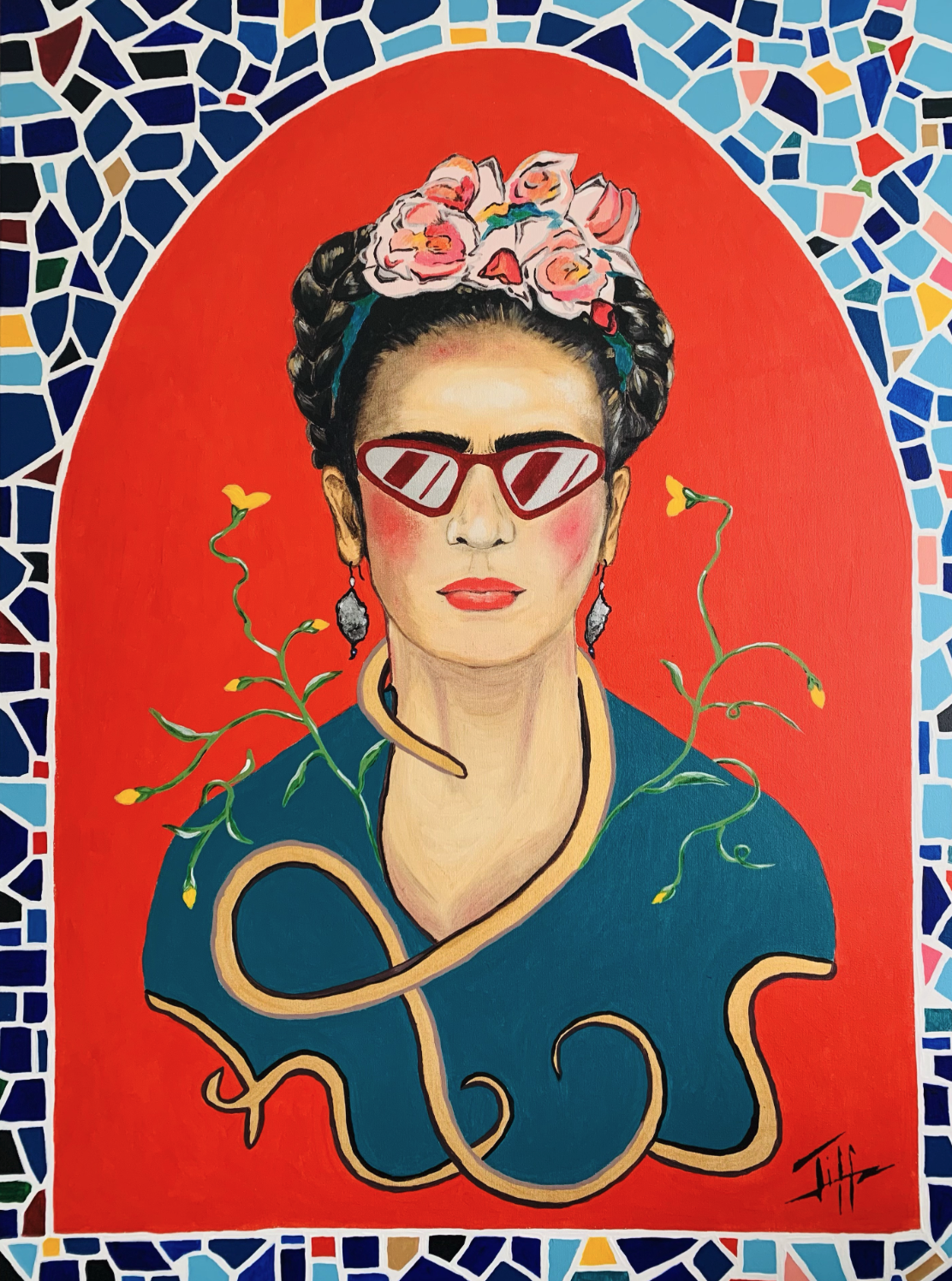
Alicja Brown, Break Free

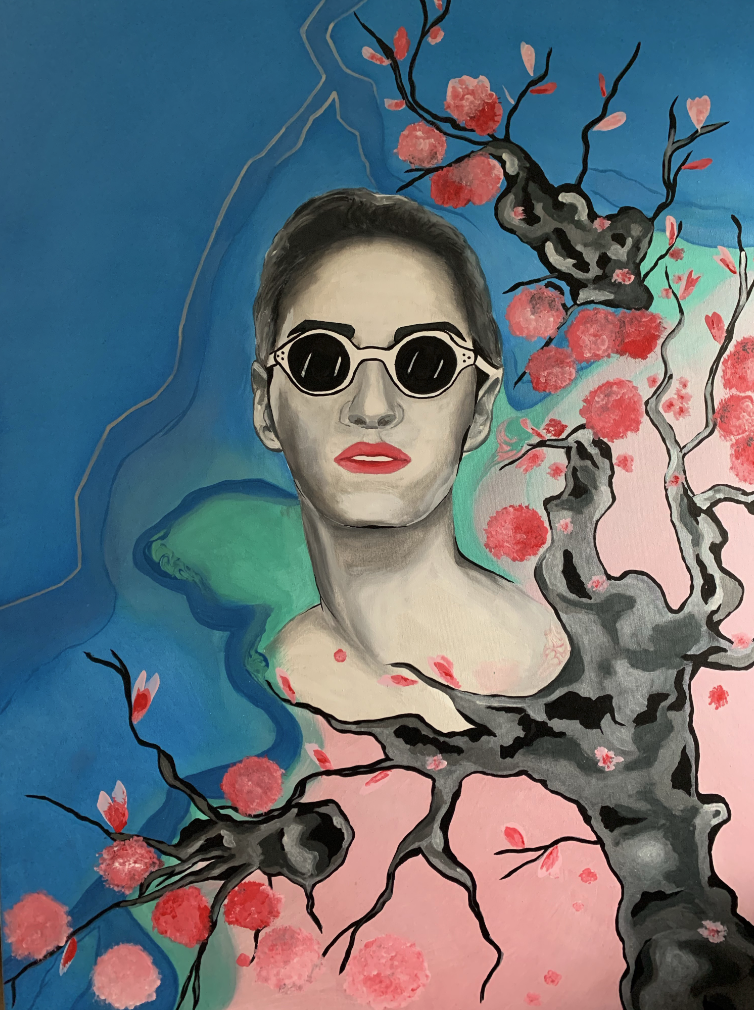
Alicja Brown, Hold On

Dr. Alicja Brown loved both art and science. As a scientist with a Ph.D. in human physiology and molecular biology, she expressed many of her ideas and feelings through artwork, according to her husband, Crystofur Brown. Three of Alicja's paintings are now being exhibited in the clinic waiting area at the Lombardi Comprehensive Cancer Center. The collection is called “Faces of Resilience” and was inspired by her experience with colorectal cancer, which took her life in May 2023. Her artwork reveals her intelligence, humor, love of color and attention to detail. In an interview with Crystofur, he talks about his wife's passion for art and science. He also shares how he keeps supporting her work as an advocate for raising awareness about colorectal cancer - in particular promoting much earlier colonoscopy screenings.


Could you describe how Alicja blended her love of art and science?

I first met Alicja when she was a postdoc at Harvard, and she loved to paint in her free time. She found it cathartic in a way to channel many emotions and ideas into art mediums, which went hand in hand with her work as a scientist. She worked in a number of roles over the years at different pharmaceutical companies, overseeing development for yellow fever, anthrax and malaria vaccines. More recently, with AstraZeneca, where she oversaw the development of women's oncology drugs and led initiatives with universities and hospitals for collaboration, research and drug development. In parallel over the years, she worked on many different artistic ideas and themes. Her paintings and sculpture work often reflected phases in her life, but at moments her works was simply in the pursuit of fun and novelty.


How would Alicja feel about having her pieces on display in the hospital’s clinic waiting area?

She would have loved it! As that was an ambition of hers while alive because it reflected her individual urgency as a patient to have a more favorable outcome, but for other patients too to remain resilient throughout their medical journey. Alicja was always thrilled to have the opportunity to exhibit her art, and to champion causes that were personally meaningful to her. At AstraZeneca, she started an initiative for employees to showcase their artworks or any extracurricular pursuits during their free time called "On My Own Time” to help stimulate employee camaraderie within a very intense pharmaceutical industry. Even after her passing, this annual showcase will continue at the company. It had been going on for four years before her diagnosis in 2021, and it gained more participants annually.


Could you tell us more me about the three paintings? What inspired her to create them?

The painting titled “Breakthrough” depicts a woman (perhaps our daughter in the future) in blue with sunglasses. Alicja painted that throughout her first cycles of treatment received at Lombardi. In “Breakthrough” the blue gown represents layers of the colon, and the shades of blue color represents colorectal cancer awareness. Overall, what that painting meant to Alicja is that every patient should have breakthrough therapies. “Break Free” Frida Kahlo's portrait served as inspiration for Alicja to rid herself of cancer. The portrait pays homage to an artist who faced medical challenges herself and was always a personal favorite of Alicja’s. The third painting on display at Lombardi depicts Alicja herself. Titled “Hold On” She painted it after her residual tumors were removed, and a reconstructive internal surgery at Georgetown Hospital in January 2022. “Hold On” meant to Alicja a celebration of life, her hope for better days, and the desire to put her running shoes back on again in time for the cherry blossoms. After Alicja’s diagnosis in 2021, she advocated for earlier colorectal screenings regardless of age as far more younger people are being diagnosed with colorectal cancer. I myself, will continue to advocate for earlier colonoscopy screenings at the target age of 35 honoring Alicja and her patient journey, and for the many other patients stricken by this cancer.


Why do the people in Alicja’s paintings wear sunglasses?

My family always loved going to the beach, and Alicja did sport many pairs of sunglasses during those moments. And while painting those portraits she felt that the sunglasses would be a suitable yet cool connecting feature on the women. Wearing sunglasses at times shows a sense of strength and determination, or it conceals the worry and pain one may have. The viewer is invited to interpret what does the woman’s face reveal behind the sunglasses and to pick out nuances within the painting, all the while hopefully reminding us to always look towards those beach days. Alicja did, and I do also hope that the paintings serve to inspire resilience, to distract one’s mind from an overwhelming situation, or to enrich one’s appreciation for finding beauty wherever possible - always reminding patients to hold yourself high, and to feel that you can get through this.

New Integrative Care Guidelines for Treating Anxiety and Depression in Adults with Cancer

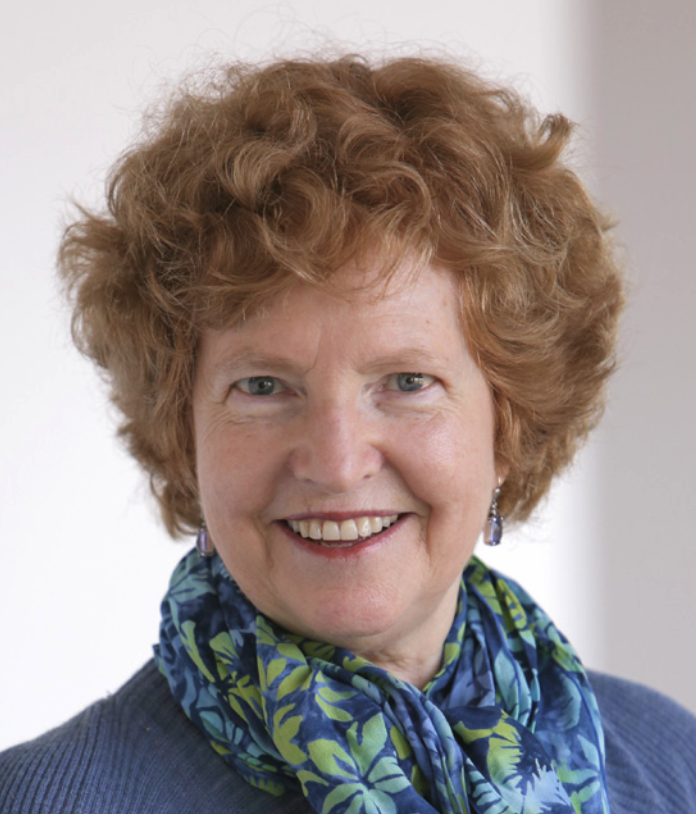
Julia Rowland, PhD, is a psycho-oncologist by training; someone who studies cancer patient’s social, emotional, psychological and behavioral health. An experienced clinician, researcher and teacher, she is the Senior Strategic Advisor at Smith Center for Health and the Arts. Before that, she served as the National Cancer Institute’s first full-time Director of the Office of Cancer Survivorship and earlier, was founding Director of the Psycho-Oncology Program at Georgetown University and the Lombardi Cancer Center. Recently, Dr. Rowland co-chaired a panel to develop new integrative care guidelines for treating anxiety and depression in adults with cancer. In this interview, she shares information about this project, a collaboration between the American Society of Clinical Oncology (ASCO) and the Society of Integrative Oncology (SIO), and some key findings.


Could you tell me more about how the guidelines were developed?

In 2014, ASCO released its first set of recommendations for managing anxiety and depression in adults treated for cancer. The guideline was based on an adaptation of pre-existing Canadian recommendations for this care. Both guidelines, in their review of the science, focused on standard methods of treating anxiety and depression, specifically psychological, behavioral, and pharmacologic treatments, the interventions most commonly used by doctors and mental health professionals. As is their custom, ASCO sought to update their guidelines in 2023. A new panel was convened to review the literature published from 2014 to 2022 to see if any changes should be made. At the same time, the Society of Integrative Oncology (SIO) reached out to ASCO to co-develop evidence-based guidelines for use of integrative practices for managing anxiety and depression in adult cancer survivors. These latter guidelines would focus on such modalities as mind-body practices, meditation, music, yoga, etc., therapeutic techniques already available in many cancer settings. The good news is that with these two new and highly complementary publications, we now have an expanded set of interventions, both conventional and integrative, that can be used to address anxiety and depression in cancer.


When many of us think of medicine, we think of medication. Why is it important to consider other ways of treating anxiety and depression?

Anxiety and depression are increased in individuals diagnosed and treated for cancer. Left untreated, these symptoms can lead not only to poor physical health, function and quality of life, but also to increased risk of mortality. For those experiencing these conditions, intervening quickly and effectively is important. With the two new guidelines, we now have a variety of therapies that can be tailored to patients’ needs and recommended. The updated ASCO guideline does not say don't use medication. In some cases, it is needed. Further, sometimes providers may want to combine it with other interventions. Rather, the two guidelines emphasize that before turning to medications, clinicians should think first about offering non-pharmacologic options. Aside from the proven efficacy of an array of these, many cancer survivors are reluctant to take medications. Why? Drugs often have interactions with other medications being used when combined. Side effects of medications can be undesirable. In addition, a number of people prefer not to take more drugs or be labeled/seen as having a mental illness after cancer. By contrast, non-pharmacologic interventions have low risk of harm, build on healthy life-style behaviors, and especially appealing, provide cancer survivors with a way to take control of their well-being, a sense frequently lost in the wake of cancer. Most importantly, the new guidelines expand our tools for treating anxiety and depression. Is research still needed? Yes. Especially in integrative studies where we need more researchers involved.


Who are the guidelines intended for and how are they meant to be used?  

The guidelines were intended primarily for use by any healthcare provider delivering care to someone with cancer or a history of cancer. However, it is also hoped that the recommendations provided within them will be shared broadly with cancer patients, survivors and their loved ones. By having clearly delineated pathways for assessing anxiety and depression, coupled with therapies to treat these conditions, we hope to reduce barriers to timely and effective care. Important to the success of this effort, is knowing which therapies are provided locally or in the community to which cancer survivors can be referred. While they may not be responsible for doing or providing treatment for anxiety and depression, healthcare professionals do act as gatekeepers. In the greater DC area, links can be made with places like the Smith Center, Hope Connections, the Life with Cancer Program, the International Arts + Mind Lab at Johns Hopkins, and the Lombardi Arts and Humanities Program.  


How do you view the role of the arts as a form of care? 

A key point highlighted in the SIO/ASCO integrative care guidelines is that many programs that fall under the arts umbrella, such as music, dance/movement, art therapy, can help address symptoms of anxiety and depression. Underuse of the arts in healing is the result for some of being turned off from the arts as kids; for not coloring within the lines, for a lack of imagination, being self-conscious about moving their bodies, told they have no sense of pitch or cannot play an instrument. Helping individuals rediscover these buried skills can have a powerful influence on well-being. What I find exciting is there is a growing body of science behind why these interventions are effective, a realization that we are actually wired for art!


Two companion Q & A articles for each of the 2023 guidelines, these can be found at the following links:

ASCO - https://pubmed.ncbi.nlm.nih.gov/37406256/

SIO/ASCO - https://ascopubs.org/doi/full/10.1200/OP.23.00358

The Georgetown Lombardi Arts & Humanities Program (AHP) promotes a holistic approach to healthcare for patients, caregivers, physicians, nurses, staff members, and students through the use of music, dance, expressive writing, and visual arts. These therapeutic modalities are normally provided throughout the MedStar Georgetown University Hospital in Washington, D.C., and online through Eventbrite courses. The AHP is a program of the Georgetown Lombardi Comprehensive Cancer Center.

Donate

Please consider making a gift of any size to support the AHP so we may continue to grow and provide arts and humanities programming for our wonderful communities.

Facebook      Instagram      Email      Web      YouTube

Copyright © 2022 Georgetown Lombardi Arts & Humanities Program, All rights reserved. You are receiving this message because you opted in on our site.