|
New Congress, New Housing Outlook?
Greetings!
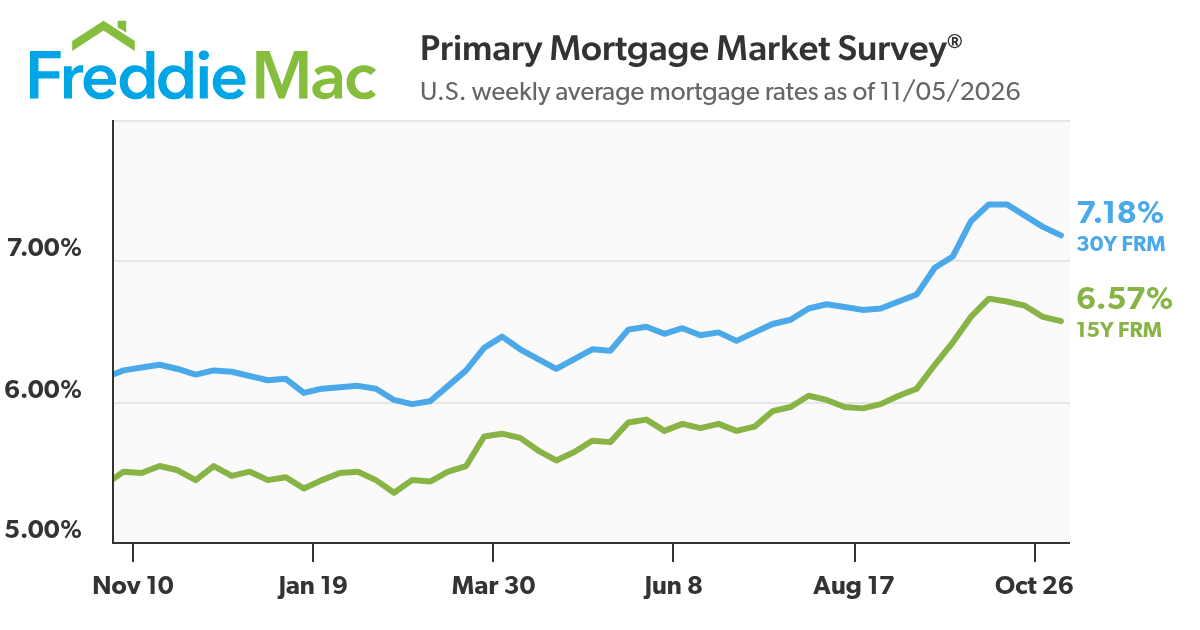
Tuesday’s election changed the balance of power in Washington, but will it change the outlook for interest rates and housing? Democrats won control of both the House and Senate, creating divided government for the final two years of President Trump’s term. Investors initially pushed Treasury yields lower, partly because divided government could make additional federal spending and borrowing more difficult. That matters for housing because mortgage rates are influenced more by longer-term bond yields than by the Federal Reserve’s benchmark rate.
Still, economists caution against assuming the election suddenly changes the economy. Christopher Hodge, Chief U.S. Economist at global investment bank Natixis, said, “Economically, we still don’t think the direct implications are huge.”
Inflation Still Drives the Fed
The bigger issue for the Fed remains inflation. Last week, policymakers held the federal funds rate at 3.75%–4%, but two members wanted another quarter-point increase. The Fed also said inflation remains elevated and economic activity continues at a strong pace.
This week’s Job Openings and Labor Turnover Survey, or JOLTS, reinforced that picture. Job openings rose by 333,000 to 7.5 million in September, hiring increased and layoffs remained low. There are now slightly more job openings than unemployed workers, a notable change from a year ago and another sign that demand for workers remains relatively strong. Matthew Martin, Senior U.S. Economist at Oxford Economics, called it “a solid labor market” and said it should keep the Fed focused on inflation. Oxford Economics expects the Fed to raise rates again in December, a view shared by all 100 economists surveyed in a Reuters poll conducted last month.
For housing, a strong job market has both benefits and drawbacks. Steady employment gives buyers confidence to purchase a home. But with inflation still elevated, a strong job market gives the Fed less reason to lower interest rates. That leaves buyers balancing job security against the difficulty of affording a home at today’s mortgage rates.
The next major clue arrives Friday, when the Bureau of Labor Statistics releases its October employment report. Strong job and wage growth could reinforce the Fed’s inflation concerns, while a weaker report could give policymakers more reason for caution.
The election changed Washington, but inflation and employment remain central to the economic and housing outlook. Friday’s jobs report will offer a clearer picture of where things stand. If you’re considering buying or refinancing, contact us to discuss what current conditions mean for your plans.
|