|
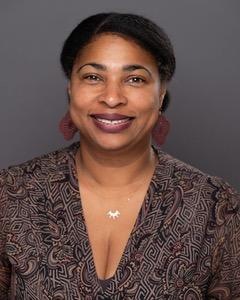
Luckisha Phillips
9 years of board service
Federal Way Public Schools & WSSDA Legislative Committee Member
When I first stepped into my role as a school director in October 2018, I brought passion, a deep commitment to equity, and more than 20 years of experience with children and families. What I did not fully anticipate was how much there was to learn about the structure and culture of board service.
Here is what I would tell my 2018 self.
The Distinction Between Governance and Operations Is Everything
One of the most important lessons I had to keep relearning is the difference between setting policy and running the district. As board directors, our role is governance: establishing direction, approving budgets, and holding the superintendent accountable to the board's vision. Early on, my instinct as an advocate was to fix things immediately and directly. Learning to work within the governance model did not diminish my advocacy; it made it more effective and sustainable.
Board Logistics Have a Steep Learning Curve
Parliamentary procedure, consent agendas, executive session protocols, and legislative timelines are just a few of the structures you will need to understand quickly. I wish someone had told me to lean into orientation trainings and not feel embarrassed about asking clarifying questions. Nobody arrives knowing everything, and the directors who serve scholars best stay humble and keep learning. As a professional association, WSSDA exists to support your growth, so use them early and often.
Relationships Are Your Infrastructure
The relationships you build with fellow board members, district leadership, school communities, and legislative partners are what allow your work to move forward. Trust is built over time through consistency, transparency, and showing up even when it is not convenient. Before you can lead change, people need to know you are in it for the long haul.
Your Lived Experience Is a Resource, Not a Conflict of Interest
Coming in as a parent, social worker, and early childhood educator, I sometimes wondered whether my perspectives were too personal for a governance role. Over time, I realized my experiences were exactly what the board needed. The key is channeling personal knowledge into policy thinking rather than individual intervention.
Be Patient With the Pace of Systems Change
Public education is a large, complex system, and progress is often slower than you want it to be. But incremental, well-grounded policy work creates lasting change. Remember that you are one district in a larger fabric of public education and leadership that impacts us all. The decisions made in Olympia, in neighboring districts, and in school board rooms across the state are interconnected. Stay engaged beyond your own district boundaries, because what happens at home shapes what is possible elsewhere. Trust the process, invest in the relationships, and never lose sight of the 1.1 million students we serve.
|