|
Funding Opportunities for
Municipalities
| | |
|
We are halfway through the Bipartisan Infrastructure Law (BIL)/Infrastructure Investment and Jobs Act, a time when Federal funding is at a level we may not see again. New national priorities and abundant funds present opportunities to dust-off prior grant applications, or reach for the stars on a new project in your community. As I was reminded at a recent grants workshop, "be relentless." You might get what you ask for this time around!
CRCOG is here to help by providing technical assistance for your grant applications. If you have questions or would like to discuss priority projects in your community, and how to fund them, please contact Elizabeth Sanderson.
| |
|
Highlights This Month:
-
There is still about half the funding available for CT DOT's Active Transportation Microgrants Program!
-
Federal Funding Resource Fair - Congressman Joe Courtney brought dozens of local, regional, State, and Federal representatives together earlier this month to review available funding opportunities. Links to some of the documents shared are posted in the "Overview" section of the BIL Webpage.
-
EPA’s Community Change Grants represent a great opportunity to fund clean energy and climate resilience projects – eligible applicants include either 1) two nonprofit community based organizations; or 2) a unit of local government and a community based organization.
| |
|
This edition includes information about the following funding opportunities and events:
- U.S. DOT Reconnecting Communities Pilot Program (RCP)
- CT DOT Active Transportation Microgrant Program
- U.S. DOT Financing Programs - TIFIA and RRIF
- U.S. DOT Charging and Fueling Infrastructure (CFI)
- U.S. DOT FHWA National Culvert Removal, Replacement, and Restoration..(Culvert AOP)
- U.S. DOT FHWA Wildlife Crossings Pilot Program
- U.S. DOT FRA Railroad Crossing Elimination Grant Program
- U.S. DOT Bridge Investment Program for Bridge Project Grants
- U.S. DOT Safe Streets and Roads for All
- CT DEEP eBike Incentive Program
- CT DEEP Open Space and Watershed Land Acquisition Grant Program (OWAS)
- CT DEEP Urban Green and Community Garden Grant Program (UGCG)
- U.S. EPA Solid Waste Infrastructure for Recycling (SWIFR) and Recycling Education Outreach (REO) Grant Programs
- U.S. EPA Environmental & Climate Justice Community Change Grant Program
- USDA NRCS Composting and Food Waste Reduction (CFWR) Pilot Program
- Brownfields Redevelopment
- CT DECD Round 20 Grants
- U.S. Department of Housing and Urban Development (HUD) Discretionary Funding Opportunities
- Connecticut Children's Healthy Homes Program
- Event: Upcoming - CRCOG Micromobility Workshop and Demonstration
- Event: Recap - Elective Pay/Direct Pay Tax Credits for Clean Energy Projects
Keep scrolling to learn about these featured programs and other open and upcoming opportunities. Remember, CRCOG is here to help! We can provide technical assistance for your grant applications. If you have questions or would like to discuss priority projects in your community, and how to fund them, please contact Elizabeth Sanderson.
| | |
Transportation-Related Funding Opportunities | | |
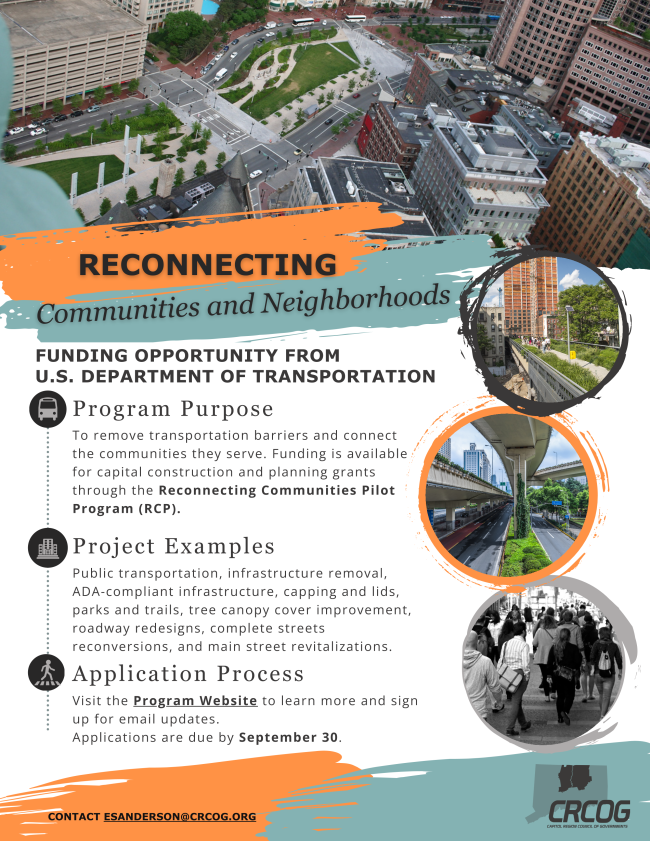
U.S. DOT Reconnecting Communities Pilot Program
Application Deadline: September 30, 2024
U.S. DOT's Reconnecting Communities and Neighborhoods Grant Program is now accepting applications. This is the final round of funding for this program, which makes up to $607M available to remove transportation barriers that have divided communities for decades, impairing mobility, access and economic development.
Learn more and signup for updates at the Program Webpage. Explore the program's FY23 RCN StoryMap to get inspired!
Applications will be accepted through Valid Eval:
| | |
CT DOT Active Transportation Microgrant Program
Application Deadline: Rolling Basis until funds are exhausted - half the funds are available.
The Connecticut Department of Transportation (CTDOT) has created a new Active Transportation Microgrant Program to work in conjunction with the Safe Routes to School Program. The purpose of the program is to provide eligible applicants with up to $5,000 for non-infrastructure resources that advance safe, accessible, sustainable, and equitable walking, biking, and rolling.
Eligible applicants include schools, school districts, municipalities, and 501(c)(3) nonprofit organizations. Eligible items include bicycle helmets; bicycle locks; bicycle fleets; safety vests; bicycle maintenance training and materials; League Cycling instructors training; and programs, events, and materials for bicycle and pedestrian safety education.
Up to $500,000 is available for this program, which will be administered and distributed by COGs until utilized. Applicants may apply for up to two grants per 12-month period. View the Program Guidelines.
Apply online using this Application Form and send to Mike Cipriano, CRCOG's Representative, once complete. Since this is a rolling application process with limited funds available, applications will be reviewed on a first-come, first-served basis.
| | |
U.S. DOT Financing Programs - TIFIA, RRIF
In addition to the numerous discretionary and formula funding programs, U.S. DOT offers flexible loan programs like TIFIA and RRIF to finance large transportation projects. Funding for Transit-oriented Development (TOD) projects is now also available for eligible areas. The TOD Eligibility Map for TIFIA and RRIF identifies the following CRCOG municipalities as eligible: Berlin, Rocky Hill, Glastonbury, Hartford, Windsor, Windsor Locks, and Enfield.
Important to note: the map does not identify all potentially eligible TOD areas in our region. Just because your municipality is not listed above or highlighted on the map does not mean you cannot pursue this loan program.
| | |
 |
U.S. DOT Charging and Fueling Infrastructure Grant Program (CFI)
Application Deadline: New Applications are due by September 11, 2024
note this new, extended deadline.
U.S. DOT is now accepting applications for Round 2 of the Charging and Fueling Infrastructure Discretionary Grant Program (CFI). This program was developed to strategically deploy publicly accessible electric vehicle and alternative fueling infrastructure. Up to $1.3B is available for new and previously submitted applications. If you applied last year, but were not awarded, your prior application can be reconsidered if you notify FHWA by July 1. View CRCOG's Summary and the Program Webpage to learn more.
View the Public Electric Vehicle (EV) Charging Infrastructure Playbook, developed by the U.S. Joint Office of Energy and Transportation (Joint Office) in partnership with the U.S. Department of Energy’s Clean Energy to Communities (C2C) program. The playbook offers interactive resources to help communities plan and build infrastructure that supports a zero-emission transportation system. The book is geared towards communities, planning organizations, local and state governments, Tribal Nations, and other decision makers to help them navigate important considerations when planning and deploying EV charging infrastructure.
Apply online.
| | |
U.S. DOT FHWA National Culvert Removal, Replacement, and Restoration Grants Program
Application Deadline: September 23, 2024
U.S. DOT is now accepting applications for the National Culvert Removal, Replacement, and Restoration Grants Program (Culvert Aquatic Organism Passage (AOP)). This program seeks to improve passage of aquatic organisms through the removal, replacement, or restoration of culverts. CRCOG's Summary from FY2022 provides more information, including a list of waterways in Connecticut that may be eligible for this funding opportunity. Visit FHWA's Program Webpage to learn more.
Access the Notice of Funding Opportunity (NOFO) and apply online.
| | |
Railroad Crossing Elimination Grant Program
Application Deadline: September 23, 2024
U.S. DOT Federal Railroad Administration (FRA) has over $1B available to make highway- and pathway-rail crossings safer, and to improve the movement of people and goods.
Eligible projects for the Railroad Crossing Elimination Grant Program (RCE) include:
- Grade separation or closure, including through the use of a bridge, embankment, tunnel, or combination thereof;
- Track Relocation;
- The improvement or installation of protective devices, signals, signs, or other measures the improve safety, provided that such activities are related to a separation or relocation project described in paragraph (i) or (ii);
- Other means to improve the safety and mobility of people and goods at highway-rail grade crossings (including technological solutions);5
- A group of related projects described in paragraphs (i) through (iv) that would collectively improve the mobility of people and goods; or vi. The planning, environmental review, and design of an eligible project described in paragraphs (i) through (v).
A minimum 20% non-Federal cost share is required. Applications will be accepted for projects in different Lifecycle Stages, or Tracks, as follows:
Track 1—Project Planning;
Track 2—Project Development;
Track 3—Final Design (FD)/Construction.
Visit the Program Webpage, read the NOFO, and watch FRA's recorded webinars. Cooperation between Applicants and Infrastructure Owners is required.
Apply online.
| | |
 |
U.S. DOT Bridge Investment Program
Large Bridge Application Deadline: Rolling-basis
Planning Grant Application Deadline: October 1, 2024
Bridge Project Application Deadline: November 1, 2024
There is still time to apply for Federal funding from FY2023 and FY2024 for Bridge Project Grants (under $100M) through FHWA's Bridge Investment Program.
This is an excellent opportunity for municipalities to improve existing bridges or culverts that are listed on the National Bridge Inventory. The goal of this program is to improve bridge condition and the safety, efficiency, and reliability of the movement of people and freight over existing bridges.
There are two funding categories in this program: (1) Planning; and (2) Bridge Project grants (with total eligible costs not greater than $100M).
-
Planning Grants: Up to $80M is available for FYs 2023 through 2026. There is no maximum or minimum grant award amount; however, grant awards must not exceed 80% of total eligible project costs (a 20% non-Federal cost share is required).
-
Bridge Project Grants: Up to $9.62 B is available for FYs 2023 through 2026 for projects with total eligible costs of $100M or less. Minimum grant awards of $2.5 M, and maximum grant awards of 80% of total eligible project costs (a 20% non-Federal cost share is required).
-
Large Bridge Project Grants: Funding available for projects with total eligible costs greater than $100M.
The Notice of Funding Opportunity (NOFO) for Planning and Bridge Project Grants establishes a “rolling application” process. The schedule, requirements, and selection process for applications is provided for the remaining available amounts of BIP funding.
View CRCOG's three static maps and/or interactive online map depicting bridges rated in poor or fair condition based on data from the Connecticut Department of Transportation. Some of the bridges have been allocated funding through state or other programs, while others have not.
See CRCOG's Summary and FHWA's Program Webpage for more information. FHWA provides application templates (Planning and Bridge Project) and a Benefit-Cost Analysis Tool to assist applicants.
If you have a bridge that is listed on the National Bridge Inventory, and it is rated in poor or fair condition, then please contact Elizabeth Sanderson to learn more about how a Planning Grant or Bridge Project Grant through the Bridge Investment Program could be used to improve road safety and connectivity in your town or city. Project bundling is encouraged. More information about this innovative practice is provided by FHWA More information about this innovative practice is provided by FHWA.
Applications will be accepted at Grants.gov on a rolling basis.
| | |
U.S. DOT Safe Streets and Roads for All Grant Program (SS4A)
Planning and Demonstration Grant Deadline: August 29, 2024
Today is the deadline to apply for U.S. DOT's Safe Streets and Roads for All Grant Program (SS4A). This is an excellent opportunity to fund projects and develop strategies that will prevent deaths and serious injuries on roadways.
If you missed applying this year, there is time now to think about what your municipality wants to include in the Regional Comprehensive Safety Action Plan that CRCOG is updating. Let’s work together to prioritize goals and coordinate efforts to take full advantage of FY2025 funds once they become available.
Learn more about SS4A on the Program Webpage. CRCOG has guidance documents available, upon request.
Apply online through ValidEval.
| | |
CT DEEP eBike Incentive Program
Launch Date: September 17, 2024
The Connecticut Department of Energy and Environmental Protection (CT DEEP) has announced a second round of the eBike Incentive Program.
This popular program offers point-of-sale rebates to CT residents over age 18. In the last round, rebates ranged from $500 - $1,500. Share the word, and/or register and attend CT DEEP's webinar on September 11, 3 - 4 pm, to learn more about how residents can apply to receive incentive vouchers.
You may also be interested in registering for CRCOG's Micromobility Workshop and Demonstration (see more in the "Events" section below).
| | |
Environment and Energy-Related Funding Opportunities | | |
CT DEEP Open Space and Watershed Land Acquisition (OSWA) Grant Program
Application Deadline: December 2, 2024
The Connecticut Department of Energy and Environmental Protection (CT DEEP) is providing financial assistance to municipalities, non-profit land conservation organizations (e.g., land trusts) to acquire land for open space, and to water companies to acquire land to protect, preserve and secure state water supply. The amount of funding provided is dependent on several project specifics.
This is an excellent opportunity to conserve and preserve land for open space and natural resources while making it publicly accessible for non-intensive development, such as for trails/pathways for pedestrians, motorized wheelchairs or nonmotorized vehicles.
Visit the Program Webpage and Guidelines and FAQs to learn more. Applications and required/supporting documents will be accepted via e-mail to Allyson Clarke, CT DEEP.
| | |
U.S. EPA Solid Waste Infrastructure for Recycling (SWIFR) and Recycling Education and Outreach (REO) Grant Programs
Coming this Fall!
The U.S. Environmental Protection Agency expects to announce another round of the Solid Waste Infrastructure for Recycling (SWIFR) and Recycling Education and Outreach (REO) grant programs in Fall 2024. These programs are focused on strengthening America’s recycling infrastructure and advancing the circular economy to promote a more sustainable future.
Visit the SWIFR Program Webpage and the REO Program Webpage to learn more and to sign up for updates.
Learn about past recipients here to get inspired.
| | |
USDA NRCS Composting and Food Waste Reduction (CFWR) Pilot Program
Application Deadline: September 4, 2024
The U.S. Department of Agriculture (USDA) Natural Resources Conservation Service (NRCS) is accepting applications for funding requests for the Composting and Food Waste Reduction (CFWR) Pilot Program.
$7.8M is available for grants ranging between $75,000-$400,000.
Visit the Program Webpage to Learn more and Apply online.
| | |
U.S. EPA Environmental & Climate Justice Community Change Grant Program
Application Deadline: Rolling Basis until November 21, 2024
The EPA is making $2B available to fund community-driven projects to address climate challenges and reduce pollution through the Community Change Grants. The program will enable communities and their partners* to overcome longstanding environmental challenges and implement meaningful solutions to meet community needs now and in the future.
There are two funding tracks:
-
Community-Driven Investments for Change will fund about 150 large, transformational community-driven investment grants of $10 million - $20 million to meaningfully improve the environmental, climate, and resilience conditions affecting disadvantaged communities. A review of the EPA IRA Disadvantaged Communities Map reveals that 19 CRCOG Member Municipalities contain Census Tracts that meet EPA's definition of disadvantaged community: Berlin, Bloomfield, Columbia, East Hartford, Enfield, Hartford, Manchester, Mansfield, New Britain, Newington, Plainville, Rocky Hill, Simsbury, Southington, Vernon, West Hartford, Wethersfield, Windsor, and Windsor Locks.
-
Meaningful Engagement for Equitable Governance will fund about 20 meaningful engagement grants of $1 million - $3 million.
Grants may be used for:
- Air and other pollution monitoring, prevention, and remediation, and investments that help reduce greenhouse gas emissions1 and other air pollutants;
- Mitigating climate and health risks from urban heat islands, extreme heat, wood heater emissions, and wildfire events;
- Climate resiliency and adaptation;
- Reducing indoor toxics and indoor air pollution;
- Facilitating engagement of disadvantaged communities in state and federal advisory groups, workshops, rulemakings, and other public processes; or
-
More, as detailed in the Notice of Funding Opportunity (NOFO).
Funds must be used within three years. You may be eligible for technical assistance for pre- and post-award activities. More information about this program am is available here.
Apply online at Grants.gov.
*Partners are expected to comply with competitive procurement contracting requirements. More information about partner selection is in the NOFO.
|  | | |
Brownfields Redevelopment
Application Deadline: Varies
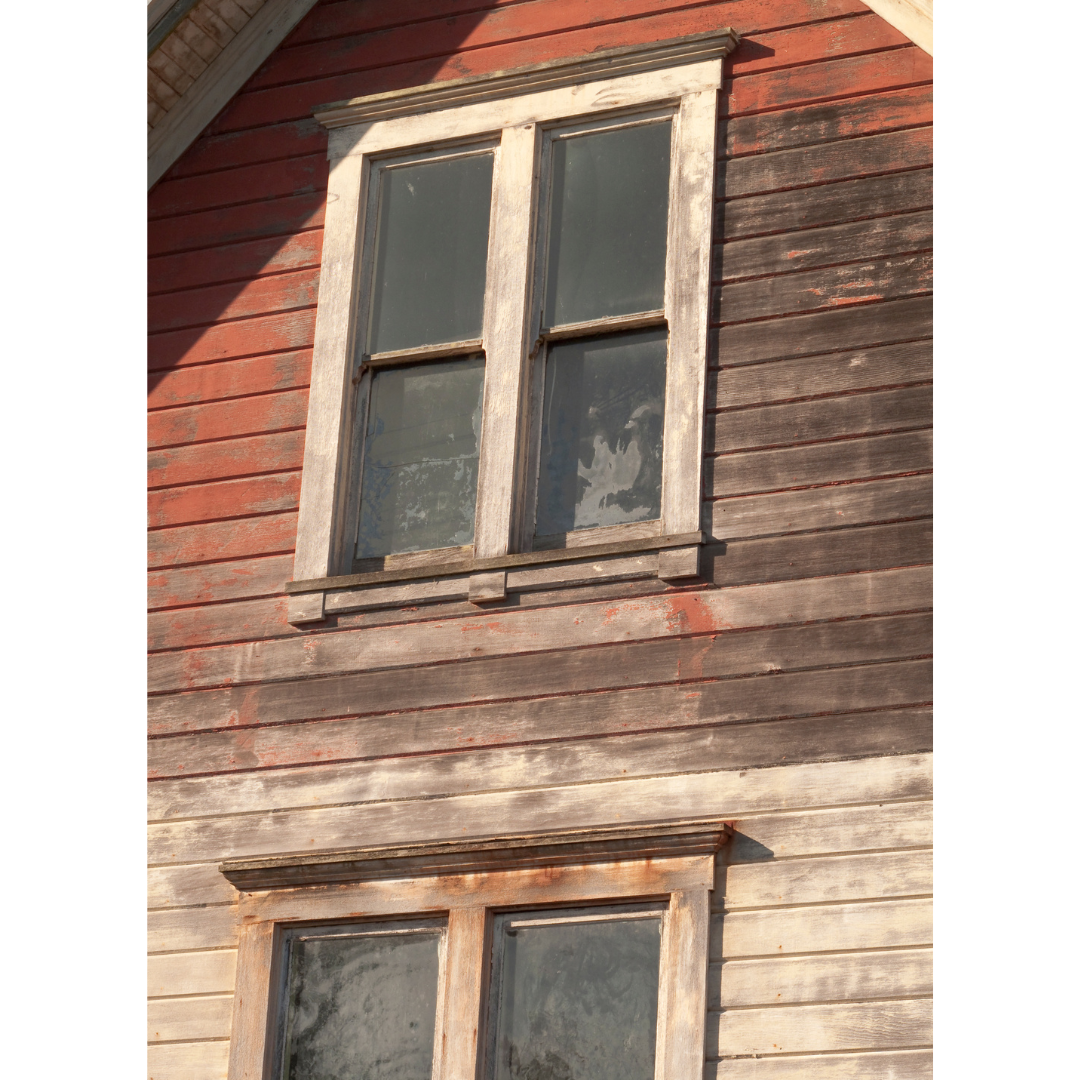
In Connecticut, a brownfield is defined as “any abandoned or underutilized site where redevelopment, reuse or expansion has not occurred due to the presence or potential presence of pollution in the buildings, soil or groundwater that requires investigation or remediation before or in conjunction with the redevelopment, reuse or expansion of the property.”
Such properties are common in Connecticut, due to our long-history and industrious roots. Brownfields are common contributors to blight, and it is important to take action to assess environmental conditions, identify pollutants, and establish a plan to remediate them so that these opportunity properties can return to productive re-use.
Federal, State, and local programs exist to incentivize redevelopment. Let's talk about options that may be available to address blight and pollution in your community.
| | |
Housing and Community Development-Related Funding Opportunities | | |
HUD Discretionary Funding Opportunities
Application deadlines vary by program.
HUD has over 20 discretionary grant programs available that support agency initiatives such as Affordable Housing Development and Preservation, Community and Economic Development, Environment and Energy, Fair Housing, Homelessness, Homeownership, Rental Assistance, Supportive Housing and Services:
FY2023 and FY2024 Authority to Accept Unsolicited Proposals for Research Partnerships
Deadline: June 30, 2025
FY2024 Pathways to Removing Obstacles to Housing (PRO Housing)
$100M is available for grants between $1M and $7M to develop, evaluate, and implement housing policy plans, improve housing strategies, and facilitate affordable housing production and preservation. Applicants may need to indicate that their current policies are in fact barriers to housing production. Learn about FY2023 Awardees and visit the Program Webpage.
Deadline: October 15, 2024
More information is available on Grants.gov or HUD's Grant Information webpage.
| | |
Connecticut Children's Healthy Homes Program
Applications accepted on a rolling-basis.
The Connecticut Children's Healthy Homes Program, developed with support from the U.S. Department of Housing and Urban Development (HUD) and the Connecticut Department of Housing, offers grants to improve the well-being of children. Funds can be used to address the toxins and hazards often found in older or poorly maintained homes. This program is eligible to homeowners and tenants of all income levels. Learn more and apply.
You may also be interested in HUD's Healthy Homes Program and other efforts in the State of Connecticut to address lead poisoning, like the CT Department of Public Health Childhood Lead Poisoning Prevention Program.
| | |
|
Upcoming: CRCOG Micromobility Workshop and Demonstration
Date: September 18, 2 - 3:30 pm
Location: CRCOG's Office
Don’t miss this opportunity to be part of the future of transportation!
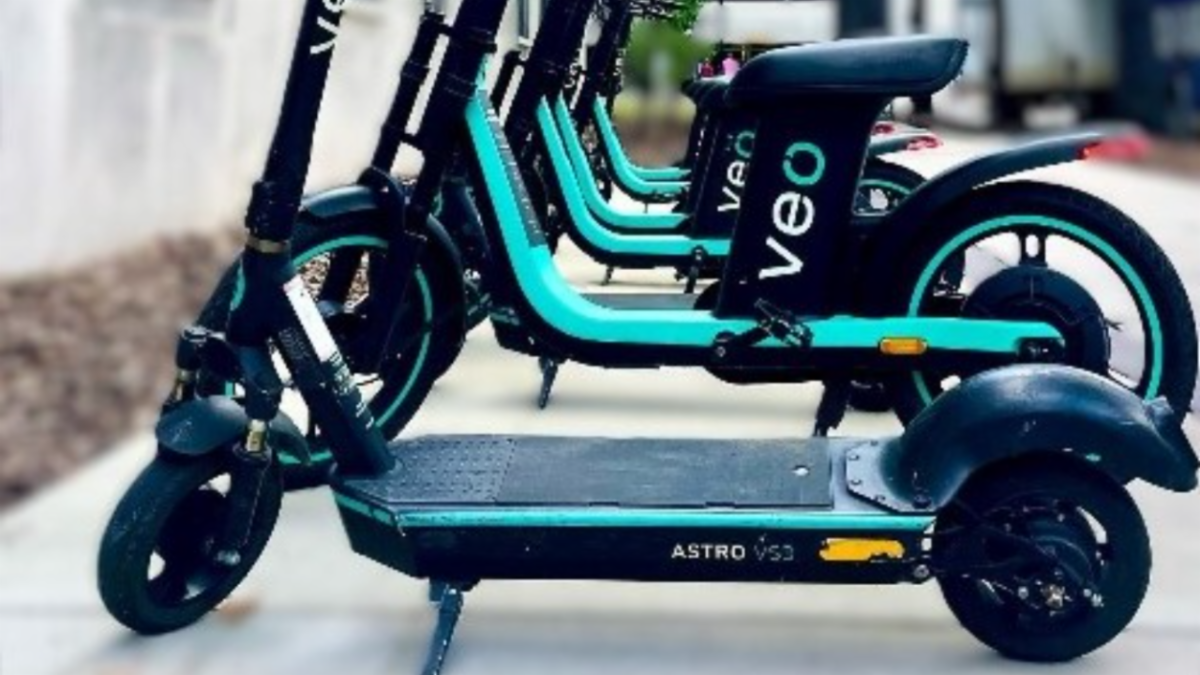
CRCOG, in collaboration with our selected vendor, Veo, will share information about CRCOG's shared micromobility program and how it can work in your community. The event will include the opportunity to test Veo's vehicles (weather permitting).
Learn more and:
|
| |
|
Recap: Elective Pay/Direct Pay Tax Credits for Clean Energy
Date: August 27, 2024, 11 am - 12:30 pm (Event ended)
Location: CRCOG's Office
Earlier this week CRCOG was pleased to collaborate with CT's Bipartisan Infrastructure Law Team (CTBILT) to host representatives from U.S. Department of the Treasury and U.S. Department of Energy to review Elective Pay/Direct Pay tax credits available for clean energy projects.
One of the biggest takeaways? This is not a discretionary grant program, and if you are a municipality, or other eligible applicant, that has an eligible project, then you will receive a tax credit. The percent tax credit varies based on location and other project specifics. Projects completed during the current tax year may be eligible.
To learn about the program's benefits visit CRCOG's Workshop Webpage, which includes links to the presentations, program webpage, and other relevant resources. A recording of the session will be posted once complete.
| | |
|
Discretionary Grants Awarded to the CRCOG Region
Learn more about discretionary grant awards coming to our region. CRCOG's GIS Team has developed an Interactive Online Map of Federal Discretionary Grant Awards. This map is updated quarterly with available information about awards in our region. As of June 26, 2024, over $58M has been awarded to CRCOG and its Member Municipalities. Additional funding has been awarded to non-municipal entities.
More information about these grant awards is available on the map.
| | |
|
A Reminder About ARPA Funds
Time is running out to obligate and spend ARPA funds. If you have unobligated funds, consider the expanded uses now available. This is further explained in the U.S. Department of Treasury Interim Final Rule of the Coronavirus State and Local Fiscal Recovery Funds (SLFRF, a.k.a. ARPA Funds), which was published on September 20, 2023, and CRCOG's Summary. The 2023 Interim Final Rule expands eligible uses of SLFRF to include:
- Emergency relief from natural disasters;
- Projects eligible under certain Surface Transportation Projects; and
- Projects eligible under Title I of the Housing and Community Development Act of 1974.
Restrictions and timelines apply. Watch U.S. Treasury's webinar on YouTube.
| | |
|
- Connecticut Department of Energy and Environmental Protection (CT DEEP) offers many funding opportunities each year. Explore CTDEEP's grants portal, signup to receive municipal updates from DEEP, and subscribe here to receive the Municipal Connection and other DEEP newsletters and updates.
-
Visit CRCOG's BIL Webpage for more information about many of the grants and funding opportunities featured in this newsletter.
| | |
|
We Moved!
350 Church St., 3rd Floor
Hartford, CT 06103
| | | | | |