DONATE

Foundation Seed Grant for Study of Novel Target in H. pylori-Driven Gastric Cancer

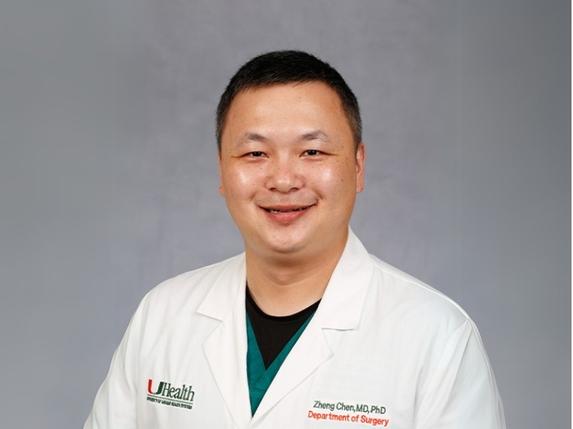
Scientists have long been aware that the gut bacterial infection Helicobacter pylori (H. pylori) raises the risk of gastric cancer, but the molecular mechanisms behind this phenomenon are still a mystery. University of Miami researcher Zheng Chen, MD, PhD, is zeroing in on a specific protein signaling axis – WEE1-STAT3 – that’s known to be particularly active in H. pylori-driven gastric cancer, in the hopes of developing a novel therapeutic approach.


The Gastric Cancer Foundation awarded a $100,000 seed grant to Chen, assistant professor of surgery at the University of Miami’s Miller School of Medicine, to advance his research in WEE1-STAT3. It was one of two seed grants awarded by the foundation this year, with the other going to Yale researcher Raghav Sundar, who is studying early-onset gastric cancer.

“In China, I took care of patients every day. I treated them with medicine and surgery during their stay in the hospital. I felt their pain... That motivates me in my research, because I know how important it is to find more efficient and personalized ways to treat future patients.”


Zheng Chan, MD, PhD

University of Miami

An important part of the Gastric Cancer Foundation’s mission is to bridge the funding gap for researchers in the early and mid-stages of their careers. These grants are designed to support the early development of novel diagnostics and treatments, allowing researchers to gather valuable data they can use to apply for larger grants.


Chen’s project centers on the hypothesis that WEE1-STAT3 signaling creates an immunosuppressive tumor microenvironment that promotes the growth of gastric cancer cells. During the first phase of his project, his team aims to define how H. pylori infection induces WEE1 to drive stomach cancer. Read More >>

Shape the Future of Gastric Cancer Research

Your experience matters.


Enroll in the Gastric Cancer Registry to drive discoveries in diagnostics and treatments.

Learn More

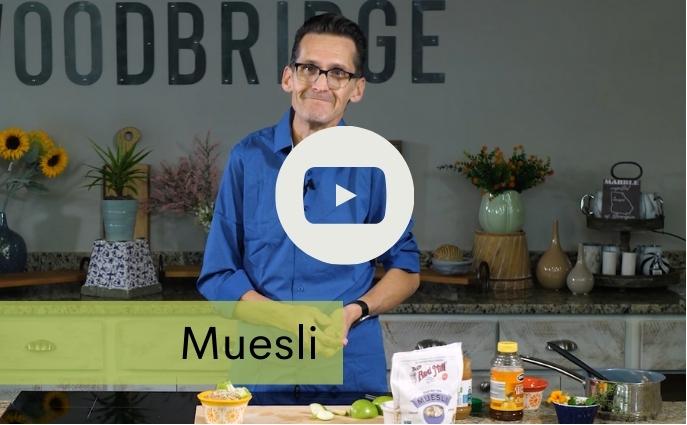
What can you do on a chilly morning when you don’t know what to eat? Grab a bag of muesli – a food that’s rich in both nutrients and fiber. Hans shares a basic recipe that leaves lots of room for creativity and customization to meet your personal preferences and digestive needs. Remember: Making these recipes your own is the key to getting good nutrition without getting bored!

Download Recipes
Watch the Episode

Research Roundup

Recent research news in gastric cancer includes new treatment regimens for existing drugs, an AI approach to improve the understanding the disease and the discovery of a novel treatment target.


Adding the immunotherapy drug Keytruda (pembrolizumab) to chemotherapy after surgery for gastric cancer, and then treating with Keytruda alone, significantly improved overall survival in a phase 3 study. Overall survival rates in the pembrolizumab group were 65% at 36 months and 54% at 60 months, vs. 59% and 48% among patients taking a placebo. 


Researchers in China used artificial intelligence to map the trajectory of gastric cancer development, showing the complex steps that cause inflammation to evolve into gastric cancer. They believe their findings could help refine strategies for preventing the disease.


Researchers at the University of Texas MD Anderson Cancer Center discovered an enzyme, SMYD5, that fuels cancer growth by stimulating the production of certain proteins. They found that in mouse models of gastric cancer, targeting SMYD5 slowed down tumor growth and improved the efficacy of CAR-T cell therapy. They hope to develop an SMYD5 inhibitor and move it into clinical trials within five years. 

Quick Links to Resources
JOIN THE REGISTRY
FIND CLINICAL TRIALS
OUR ONLINE COMMUNITY
Special Thanks to Our
National Sustaining Sponsors
Facebook  Twitter  Linkedin  Youtube  
Spread the word. Share the Gastric Cancer Foundation Newsletter.
X Share This Email
LinkedIn Share This Email