|
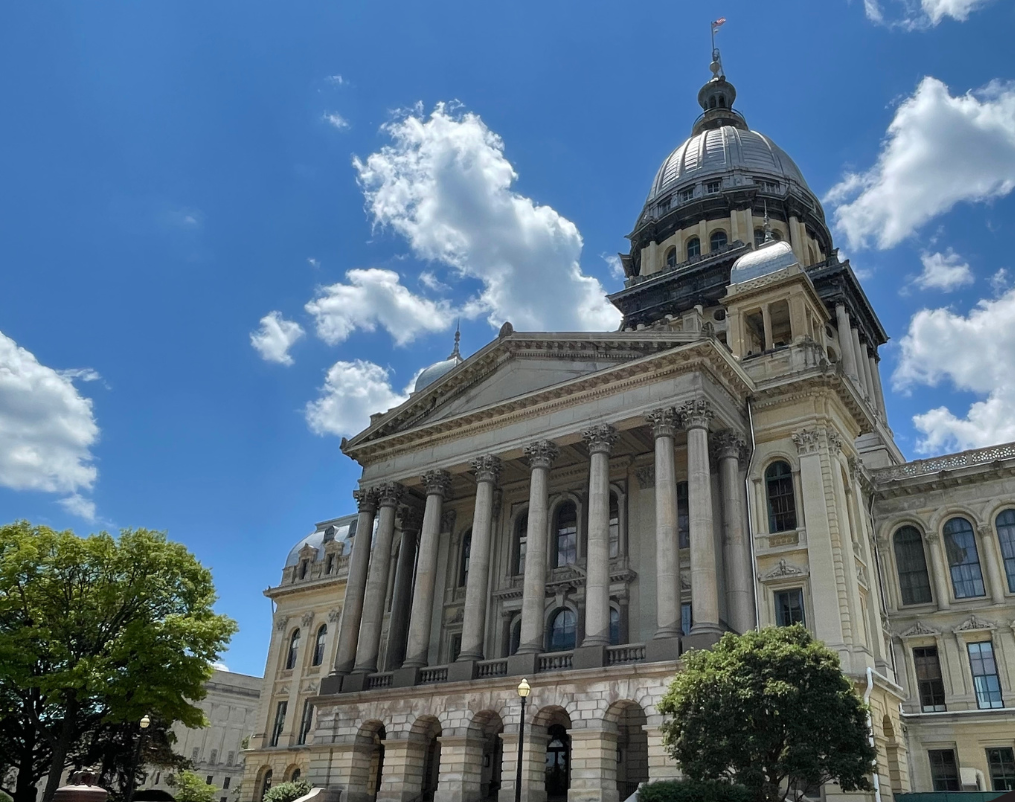
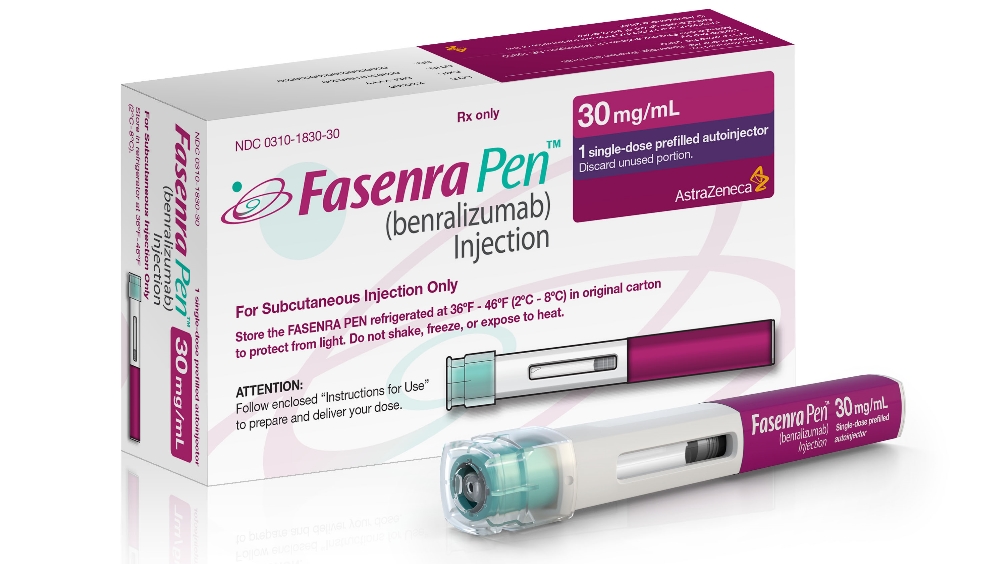
Patients with severe asthma in five states covered by Blue Cross Blue Shield (BCBS) are facing new treatment challenges. As of this April, BCBS is requiring these patients to self-administer biologic medications administered by injection pen at home unless their healthcare provider obtains prior approval.
This mandate applies to patients in Illinois, Texas, Oklahoma, New Mexico, and Montana, but not to those with Medicare or Medicaid. This change aims to promote convenient and effective treatment, according to the Health Care Service Corporation, which owns the BCBS plan.
The affected medications include Fasenra, Tezspire, Nucala, and Xolair, all biologics given via injection. An estimated 5% to 10% of asthma patients have severe asthma, characterized by frequent flare-ups. In Illinois, the estimated 860,000 asthma patients could mean between 43,000 and 86,000 with severe asthma may be impacted.
Clinics are already overwhelmed with prior authorizations, leading to delays in care. Priya Bansal, MD, a pediatrician and asthma and allergy physician in St. Charles, Illinois, noted that the requirement disrupts the patient-provider decision-making process regarding treatment options.
“These are the patients that have failed at other therapies,” said Bridgette L. Jones, MD, MSCR, a pediatric allergy and immunology physician at Children’s Mercy Hospital in Missouri. “Once you’re getting to a biologic, it means that your asthma is not under control, having frequent flare-ups.”
Many families are hesitant to administer biologics at home, and clinics serving higher-need populations may struggle with the added administrative burden. A study from Massachusetts General Hospital found that in some states, the proportion of asthma patients with severe conditions could be over 10%, with Texas reporting about 23% of patients having severe uncontrolled asthma.
Learn More
|