Newsletter - January 2023 |
|
President's Message
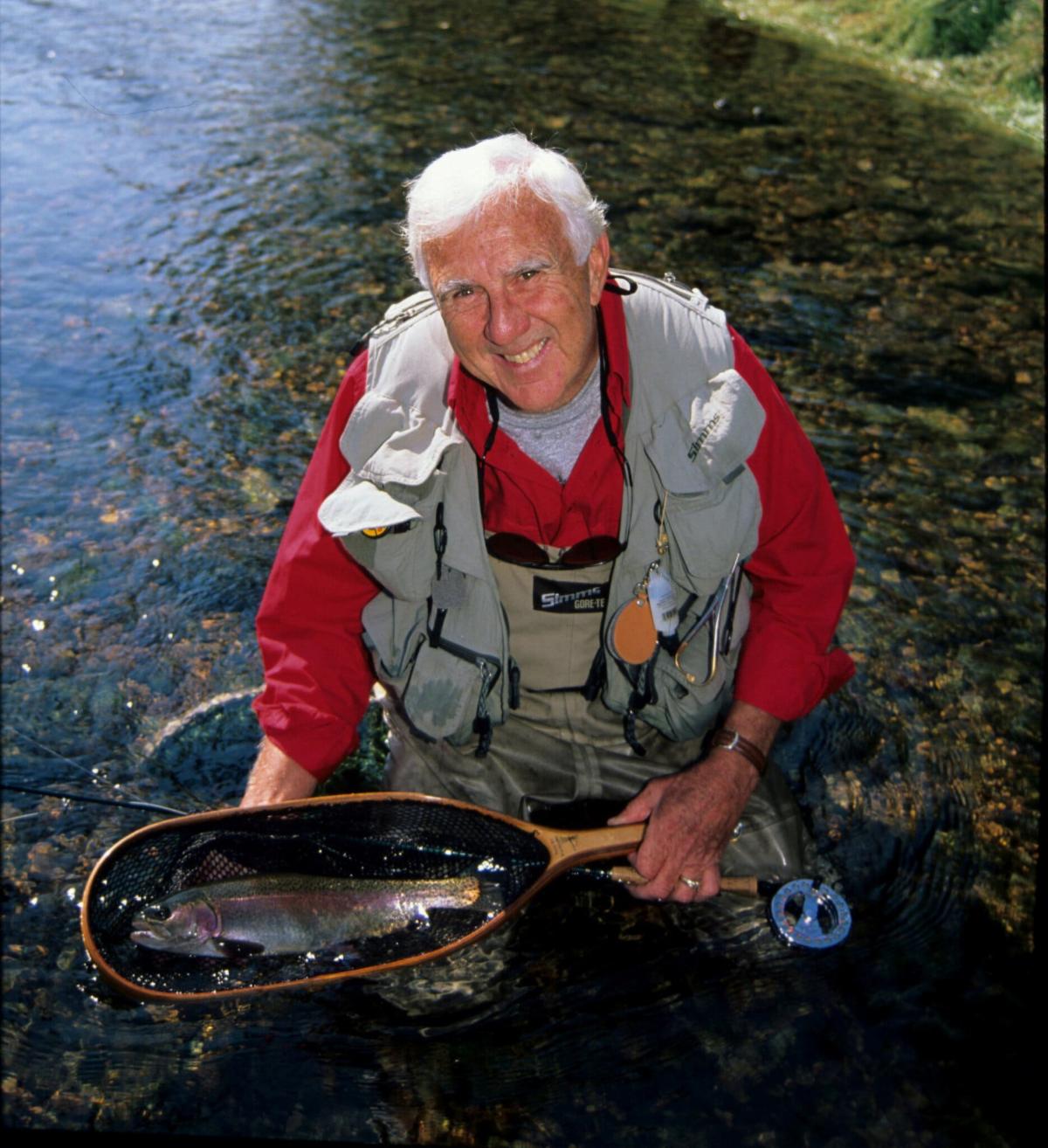
Dave Marsh
|
Why Join New Mexico Trout?
I’ve been thinking, not necessarily a good idea according to my wife Linda, but…I’ve been doing it anyway and want to share my thoughts about why someone should join New Mexico Trout.
I’ve heard a number of times “what do you get as a member of NMT”, or “why should I join
NMT”. So…why do I think NMT is important and worthy of my time, and by extension your time?
Well, that is not a straightforward answer. It certainly is not for the tangible benefits; you don’t
get swag, or fly fishing gear, or anything else, other than a decal if you ask for one:) or win the
raffle at a general meeting. However, the intangibles are great.
I love to fly fish; my favorite places are small streams where you don’t see many other fishermen, and I learn about those places at our meetings from our speakers and our members. These are places that if I catch a large fish or a number of fish, that is just a bonus to an otherwise wonderful day.
I appreciate the beauty of the outdoors that we get to use for our fly fishing adventures, and the mountains of New Mexico and Colorado are exceptionally great places to fish. I want to do my part to support fisheries and their habitat so that my grandchildren will have a chance to enjoy fly fishing as much as I do.
I enjoy the camaraderie of both our board meetings and our general meetings. I
appreciate the insight provided by our general meeting speakers, it is varied, informative, and
useful. I think we do “good stuff” as an organization; Guadalupe clean-up, fly fishing introduction at the Valles Caldera, temperature data loggers, information signs, vehicle barriers, fish stocking, and many more events make our club a worthy partner with the USFS, USFWS and NMDGF in habitat maintenance and restoration.
So…the answer to “what do I get from NMT” is multifaceted. Whether you are an outdoorsman, conservationist, environmentalist, or whatever you may call yourself, being a member of NMT means that you are more than just a fisherman. While the answer may not be straightforward, it is there. The nuggets we parse out of our membership make our lives better and more meaningful. You are a contributing member of your community in so many ways others cannot fathom or even realize. I know I am enriched by what we do and am grateful for the support NMT gives our the worthy causes it supports.
Tight Lines,
David Marsh
President
|
|
Vice President's Message
Bruce Newton
|
|
As we begin 2023 and I begin my first term as New Mexico Trout Vice President, I am thinking about what is the purpose of New Mexico Trout (NMT).
Our By Laws state:
"The mission of New Mexico Trout is to preserve and restore trout and their associated watersheds in New Mexico. New Mexico Trout is organized and operated exclusively for charitable, educational or scientific purposes, including, but not limited to:
|
|
|
1. Educating the public about the benefits and value of restoring, preserving and enhancing cold water fisheries in New Mexico.
2. Promoting awareness, knowledge and ethics in activities that support trout fishing and fisheries in New Mexico.
3. Promoting and supporting research and fish management activities that benefit cold water fisheries in New Mexico.
4. Preserving and protecting habitat and environmental conditions necessary to support trout fishing and fisheries in New Mexico.”
My priorities as Vice President are to attract new and diverse members, align our actions with our mission and purpose, provide great speakers and HAVE FUN!
Please contact me at (505) 250-7977 as I welcome all your ideas and suggestions. Please invite a guest to all our meetings! Watch for some new twists with the raffle at the meetings.
I am looking forward to working with all NMT members to achieve our mission and purpose.
Get out there and fish!
Bruce
|
|
Membership Chairman
Dave Klosterman
|
|
|
|
Hello Members!
I am happy to be here as the newly elected Membership Chairman for New Mexico Trout.
We as members should invite anyone we know to the New Mexico Trout Meetings who likes to tie flies or is interested in conservation.
We also welcome new people who simply like to fly fish, want to learn more about it and love to share their fishing stories with others of like mind.
Come to the New Mexico Trout General Meeting on Tuesday, January 10th at 7:00 pm at the North 4th Street Art Center. I will be talking about lake fly fishing: figuring out lakes and lake fishing tips.
Bring a friend! Attendees gets a chance to win door prizes!
Looking forward to meeting you!
Dave
|
|
"ANGELING MAY BE SAID TO BE SO LIKE MATHEMATICS THAT IT CAN NEVER BE FULLY LEARNED."
Izaac Walton
|
"ANGLING IS A TRAINING IN MYSTERY"
Thomas McGuane
|
|
"AS THE FISH GO SO GOES THE FISHERMAN."
John Gierach
|
"ANY ENTERPRISE CENTERED ON ANGLING AUTOMATICALLY FORFEITS ANY PRETENSE TO SERIOUSNESS IN THE ORDINARY WORLD."
Ted Leeson, Inventing Montana
|
|
“ANGLING: INCESSANT EXPECTATION AND PERPETUAL DISSAPOINTMENT."
Arthur Young
|
"ANY PROPERLY OBSESSED FLY FISHERMAN CARRIES RIVERS AND TROUT INSIDE HIM"
Harry Middleton
|
|
|
|
Beavers, Beaver Dam Analogs,
and Trout
Ron Loehman
Conservation Chairman
|
Introduction
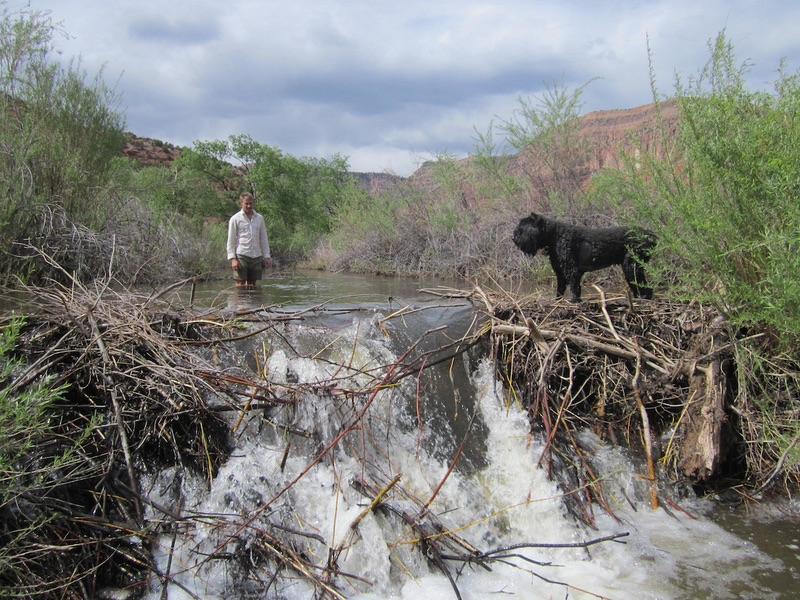
In previous newsletter articles I have written about how beavers can restore riparian ecosystems and of efforts
to reproduce those benefits using human-constructed beaver dams, known as beaver dam analogs, or BDAs.
Those BDAs are becoming a standard tool used by public land management agencies to manage and
potentially reverse damage to streams caused by past unwise practices, such as overgrazing on cattle
allotments, erosion from poorly designed access roads, overuse from dispersed public camping, wildfires, and pollution from all sorts of sources.
|
|
This increased attention to the use of BDAs as a restoration technique is reason to revisit the subject here and to remind New Mexico Trout members why we enthusiastically support BDA installation on our coldwater streams.
Environmental Benefits of Beavers
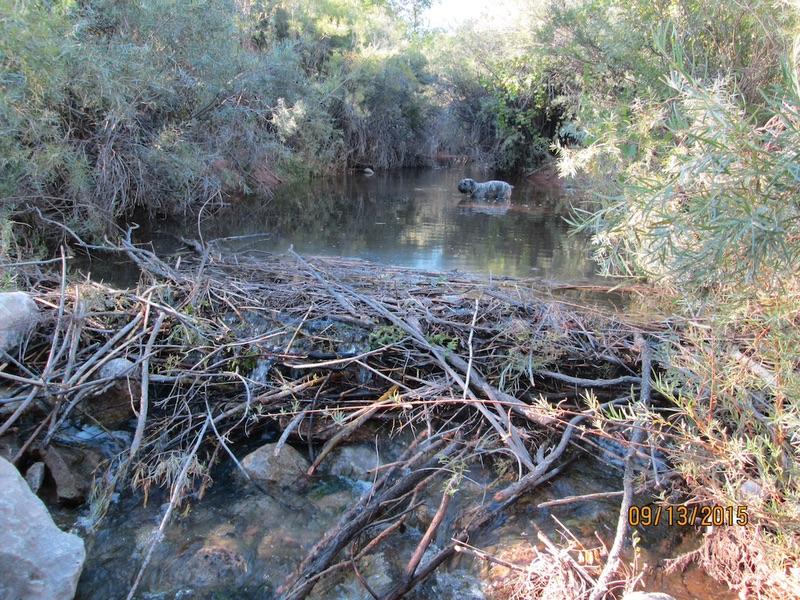
One relatively recent development is the availability of strong scientific evidence that BDAs provide many of the same environmental benefits as beaver dams. There is a scientific consensus, supported by strong peer-reviewed research, that beavers provide very significant benefits to stream and river ecosystems. Beavers build dams that impound water and create marshes and wetlands. The canals they dig out from their ponds reshape the surrounding floodplains by wetting a much larger area. Beaver dams and marshes spread and retain water, which slow its release, buffers runoff, recharges stream aquifers, and keeps springs running later in the season. Their dams reduce turbidity downstream. The raised water table favors growth of riparian plants and shrubs such as rushes, sedges, cottonwoods, aspen, willow, and alders that shade the stream, lower water temperature and provide habitat for all sorts of animals and insects. The pools behind beaver dams provide habitat for fish and other aquatic organisms. Vertical temperature stratification in the dam pool may provide cooler water near the stream bottom as a refuge for cold water organisms on hot summer days. Because of all these effects, many consider beavers to be “nature’s environmental engineers”.
Personal Observations of Beaver Dam Evolution
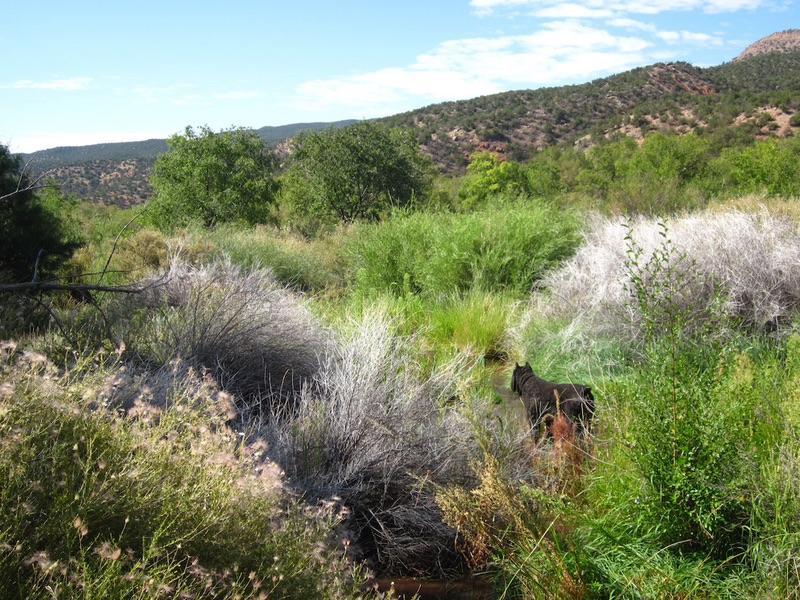
For a number of years, I have followed the evolution of two beaver dams on the Rio Guadalupe downstream of the Gilman Tunnels that were separated by about three river miles. My observations are completely consistent with the description in the paragraph above. In each case some beavers moved into a reach of the Guadalupe that is shielded from view from SR 485/FR 376 and that has a low gradient with a narrow, dense growth of willows along the banks. Each family group built their dams from local material, raising them over several years until they were about chest high on the downstream side. Upstream, sediment retained behind the dam reduced the summer water depth to about two feet, which was the depth in the stream below the dam. In each case the beavers dug water channels that flooded the surrounding banks and converted them to a several-acre wetland. Water-loving plants such as willows, cattails, and rushes replaced upland species such as Apache Plume that were drowned by the high water table. The backwater created by the lower dam increased the water depth in the creek by several feet over its pre-dam depth. An extreme runoff several years ago blew out that upper dam. It wasn’t rebuilt, which leads me to believe that the beaver family was killed or trapped. The lower dam is still intact, as far as I know. The beaver engineers created such a dense growth of willows and other vegetation that I haven’t gotten back to that site. These attributes of beavers are supported by extensive scientific research. I have included a number of references at the end of this piece for readers who want to learn more detail.
A Little History
Before European contact, North America is estimated to have been home to some 400 million beavers. Early settlers reported that most reaches of streams that fell within favorable flow regimes and gradients were completely occupied by beaver dams. In 1804 the Lewis and Clark expedition explored long stretches of Missouri River tributaries without finding any that were free of beaver dams. Some researchers believe that all streams with suitable habitat were completely occupied by beaver colonies before European contact. This high density of beavers had a profound influence on the geomorphological characteristics of rivers and their
associated riparian surroundings all across North America. This situation began to change as European exploration and settlement pushed westward across the continent. Trapping beavers for their pelts by the French in the 1700s and later by the Americans extirpated
beavers from much of their original range by the mid 1800s. Without beavers and their dams and ponds, the geomorphology of river courses, particularly in the western US, began to change to what we see on most of our rivers today. Some landowners, highway engineers, and public officials do not like beavers because their dams sometimes flood fields, roads and other property and beavers fell desirable trees to haul back to their dams. There are nonlethal ways to prevent property damage from beavers, but that is beyond the scope of this article.
Construction and Benefits of BDAs
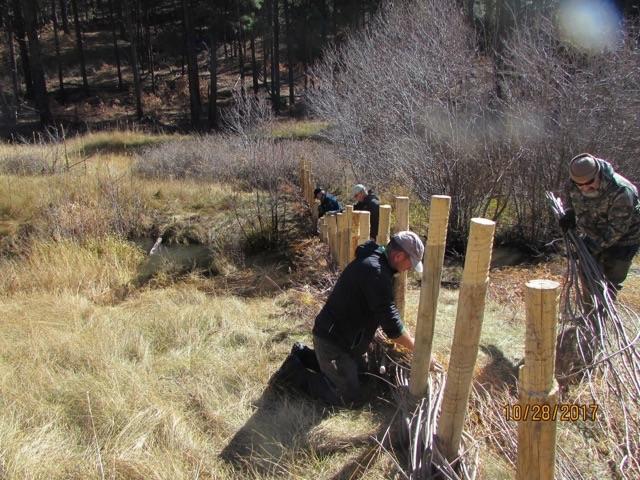
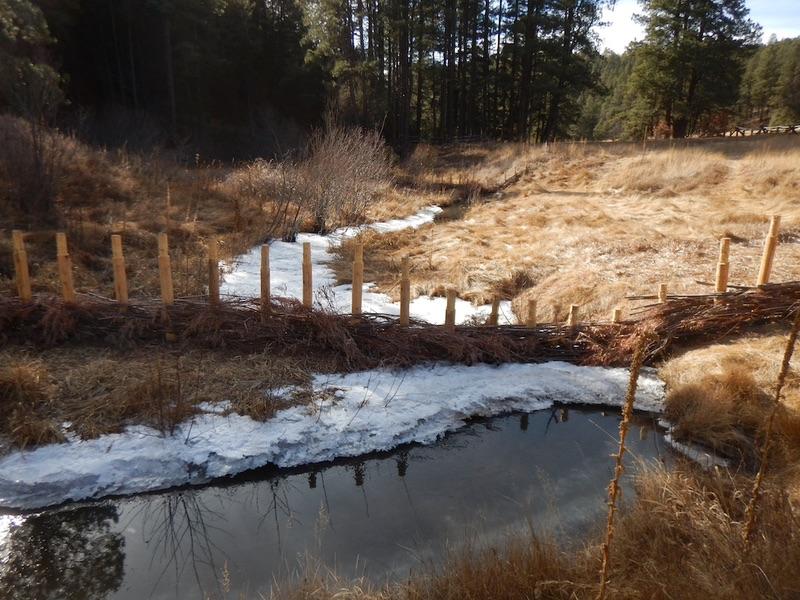
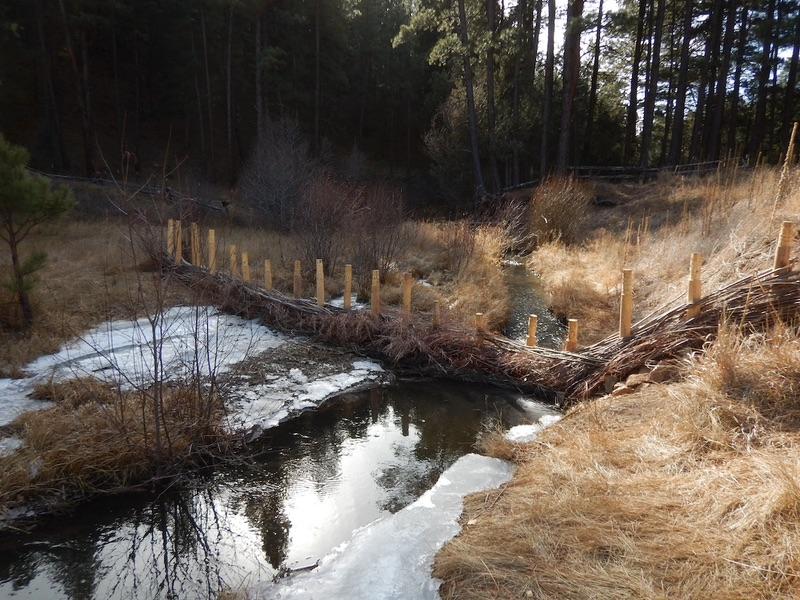
By now, most NM Trout members are familiar with BDAs, as they have been constructed on a number of the streams that we fish. Briefly, BDAs are leaky, flow-control devices installed across smaller, low gradient streams, just the sort that would be attractive to beavers. To make them, wooden posts are pounded vertically into the stream bed, in a row across the stream and up the banks beyond the level reached by any anticipated runoff. Willow stems or other similar branches are woven through the posts to complete the dam. The BDA restricts the stream flow without entirely stopping it, which provides some resiliency in the structure. The water level rises behind the BDA, sediment drops out, and most of the benefits described in the paragraph above start to occur.
BDAs Can be Templates for Beaver Dams
BDAs have shorter life spans than beaver dams, which are actively maintained and repaired by their busy engineers. Some BDAs I have seen on Jemez streams have been degraded by runoff flows but are still at least partially functioning. There are numerous reports on western rivers of beavers finding BDAs and adding to them to make their own dams. Obviously, this only works if beavers are in the area and if the BDA site is near sources of beaver food and dam building materials, such as willows, alders, aspen, cottonwoods, etc. The BDAs on the Rio Cebolla and the Rio San Antonio in the Jemez, for example, are in areas lacking such vegetation, so they have not attracted beavers to provide long-term maintenance. This is
why BDA project plans frequently include willow planting. There is a bit of a chicken and egg element to this issue. BDAs are most beneficial on sites that have been degraded by overgrazing or other consumptive use. Those stream reaches are typically downcut and lacking in streamside vegetation. It can take some time before the BDA can raise the water table and wet the riparian area sufficiently to allow willow plantings to root and survive. Thus, there can be a lag of several years between BDA construction and when the site is wet enough to support willow growth. For example, willows that we planted as part of a BDA project on the Rio Cebolla below Lake Fork Canyon did not survive. It is probably worth revisiting those
sites to determine if they now can support willows and alders.
BDAs and Trout
One can find lots of anecdotal reports of BDAs creating favorable trout habitat. There have been others who believe that the dark silted ponds behind the BDAs are effective solar collectors that raise stream temperatures beyond where trout can survive. We (NM Trout) have helped USFS personnel install temperature loggers in parts of the Cebolla and San Antonio that should help answer the BDA-temperature question for those streams. A web search titled something like, “Do BDAs benefit trout?” returns many hits, most of them with the conclusion that the answer is “yes”. You will find some recommended references
below.
Some Selected References
1. Beavers Rebooted, Ben Goldfarb, 8 JUNE 2018 SCIENCE sciencemag.org • VOL 360 ISSUE 6393 1061
3.Using Beaver Dam Analogues for Fish and Wildlife Recovery on Public and Private Rangelands in Eastern Oregon, Rachael Davee, Hannah Gosnell, and Susan Charnley, US Forest Service Research PaperPNW-RP-612 Pacific Northwest Research Station, July 2019
4. Ecosystem experiment reveals benefits of natural and simulated beaver dams to a threatened population of steelhead (Oncorhynchus mykiss), Nicolaas Bouwes, Nicholas Weber, Chris E. Jordan, W. CarlSaunders, Ian A. Tattam, Carol Volk, Joseph M. Wheaton2 & Michael M. Pollock, SCIENTIFIC RepoRts |6:28581 | DOI: 10.1038/srep28581
5. Alteration of stream temperature by natural and artificial beaver dams, Weber N, Bouwes N, Pollock MM, Volk C, Wheaton JM, Wathen G, et al. (2017) PLoS ONE 12(5): e0176313.
|
|
FLY OF THE MONTH
The Mop Fly
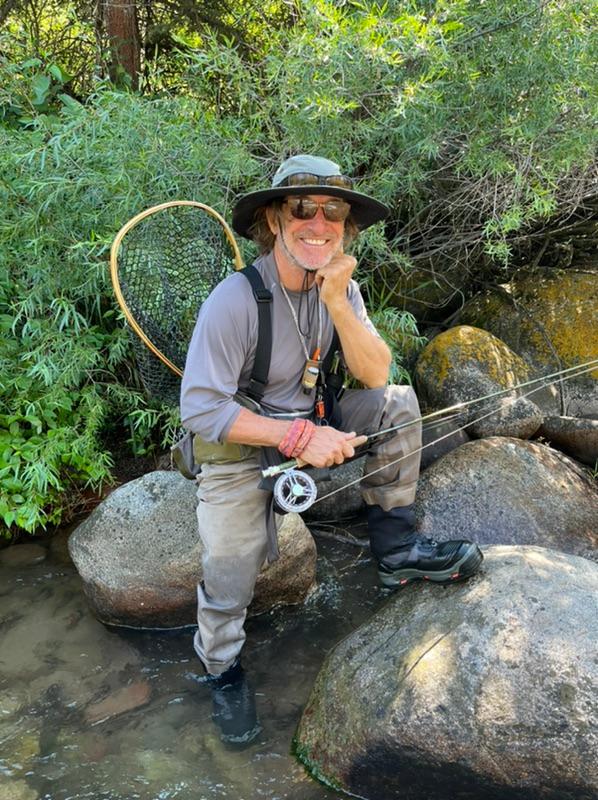
Joe Raymond
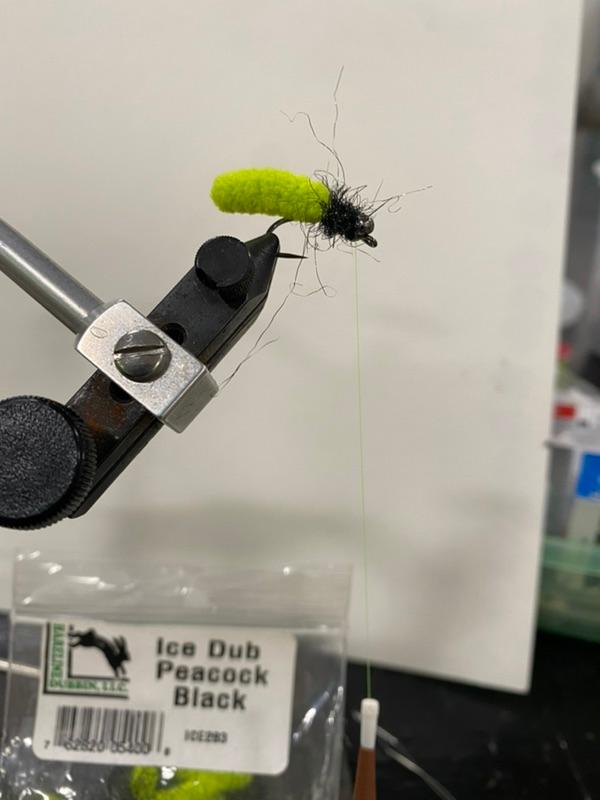
The Mop Fly is a fly that I have never used before, never owned and never had one in any of my boxes!
However I was recently invited to fish on the San Juan where my friend was catching BIG trout on these often scoffed at flies.
This is a fly I have never imagined could catch any fish especially on the San Juan.
|
|
|
My friend offered me a fly from his box after he caught a 20" fish but I declined. His second fish was bigger! After his third 24" fish I began to reassess my stubborn pride.
"Alright... I'll give it a go" .... And he graciously handed me a green MOP fly.
As we all know, the San Juan is notorious for finicky trout that have been caught hundreds of times and are generally only tricked by a size 24 or 26 midge. So this MOP fly proved to be an unexpected winner and I managed to catch a few that day.
|
|
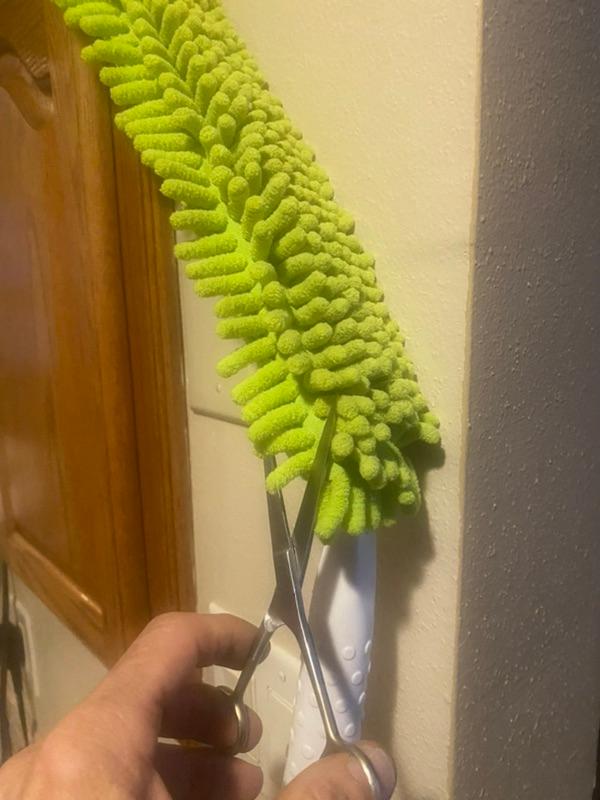
I decided to tie a few later that week
and pillaged my wife's dusting mop.
|
|
She was not so happy after finding
a bald spot in her mop!
|
|
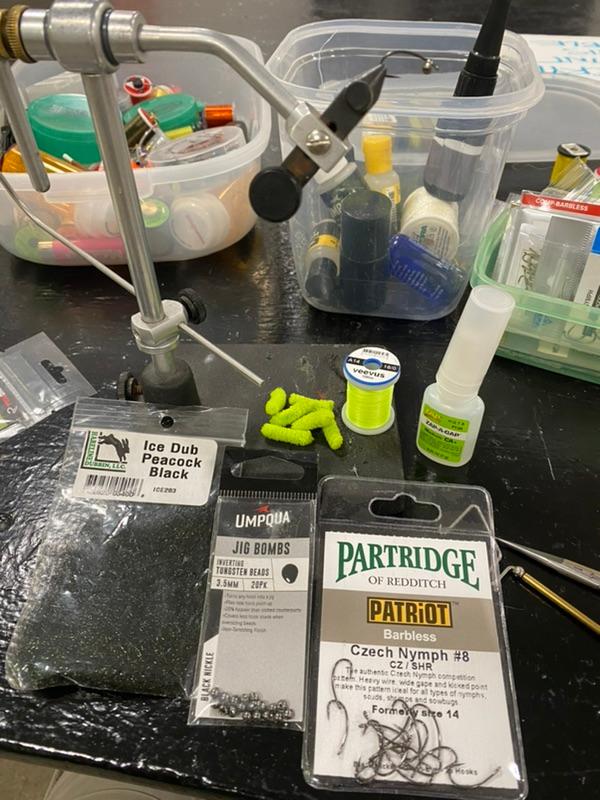
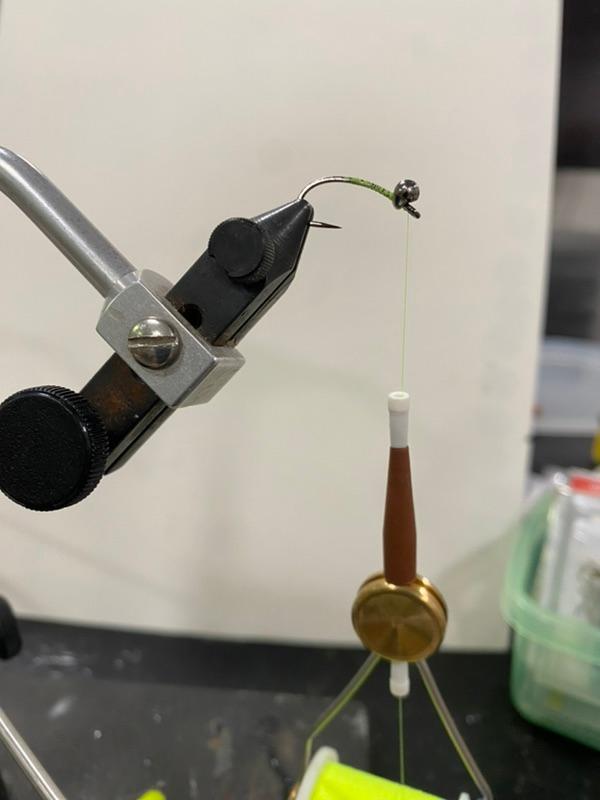
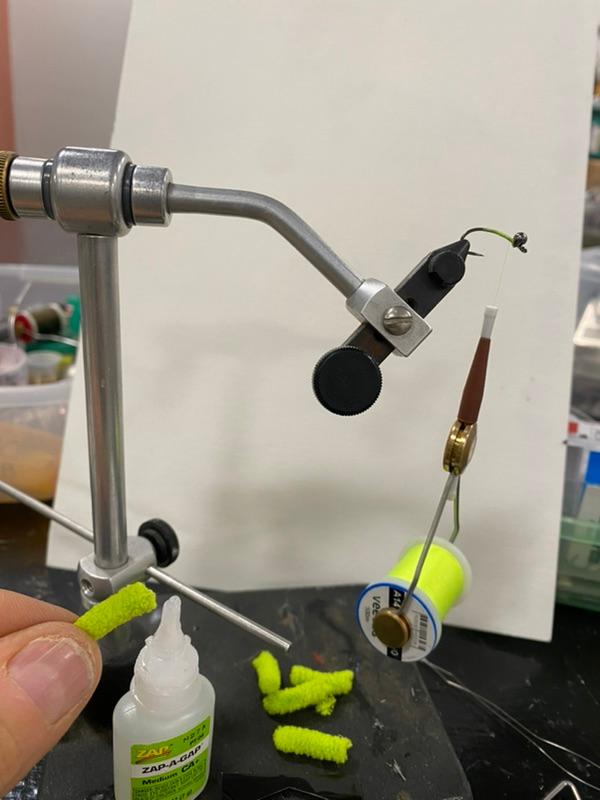
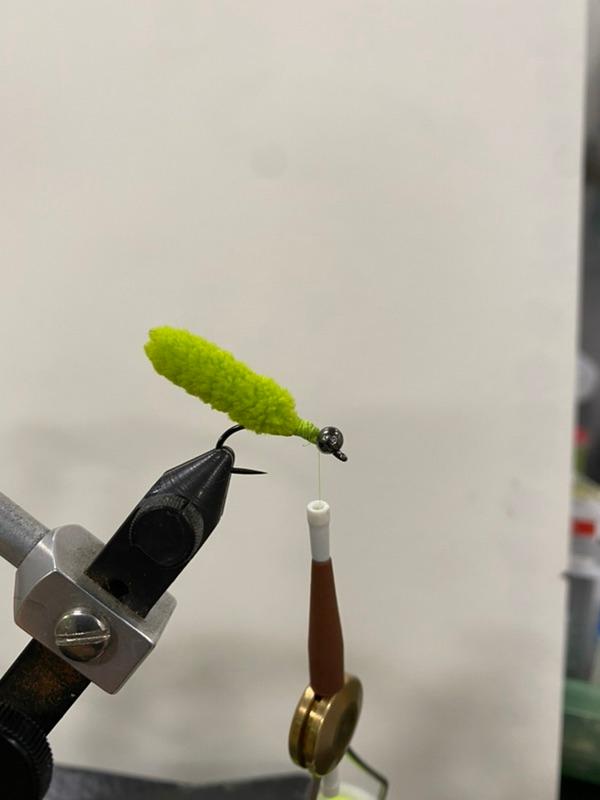
Its a simple patterns and these pictures tell the story .
Try various colors and sizes
I believe you will get some in the net!
|
|
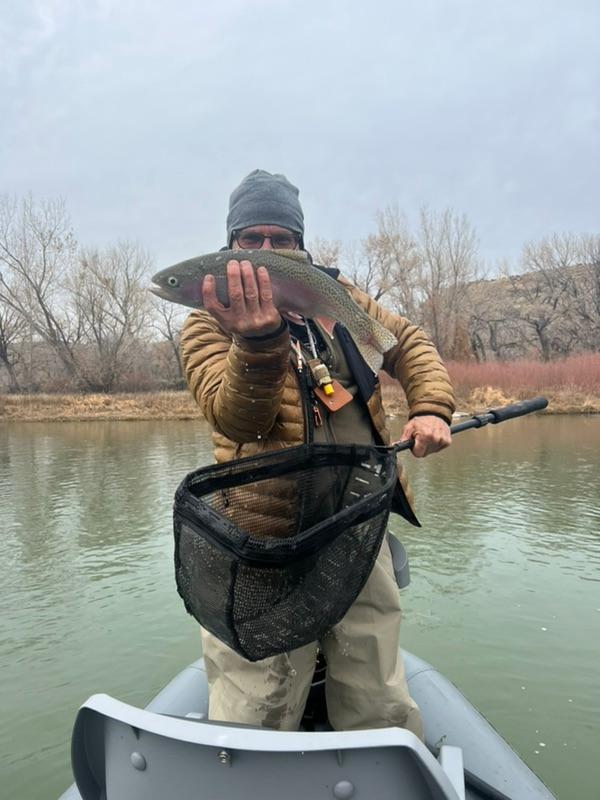
One of the awesome fish I recently caught on the San Juan that day with a MOP fly!
Who would have thought?
Come to the Fly Tiers Roundtable
And punch out a dozen of these in an hour to try out for yourself!
The first and third Tuesday of each month 6:00-8:00 pm at the
North 4th Street Art Center.
See you there!
Joe Fly Raymond
|
|
|
Board Member Highlight
Meet Bruce Newton
New Mexico Trout Vice President
|
I love New Mexico. New Mexico has been my home since 1952, aside from a few years off at the University of Michigan attaining a Master of Social Work. I worked 20 years for ARCA, a private not-for-profit organization opening doors for children and adults with intellectual, developmental and cognitive disabilities to help them live great lives, right here in Albuquerque. Then I worked 17 years as a financial representative and regional director of training for a financial firm. |
|
|
I fell in love with fly fishing when I was a teenager spending summers with my great uncle and aunt in Pagosa Springs catching trout in the San Juan River with worms, eggs and corn.
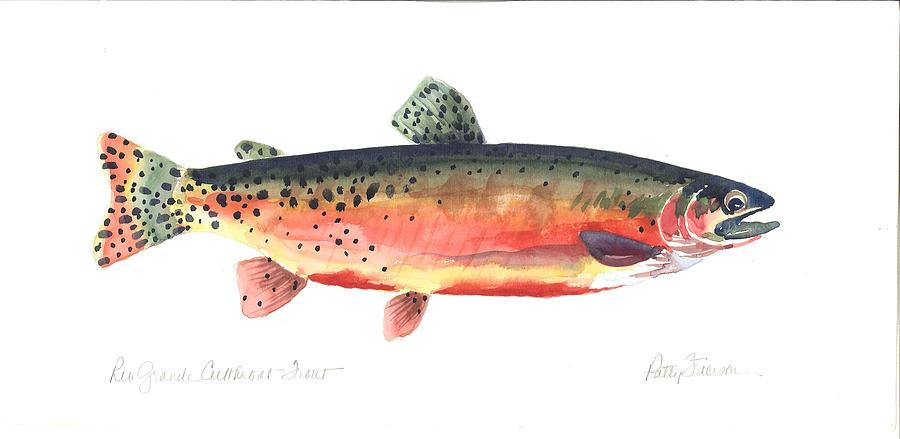
One evening I saw a fisherman land a fish on a fly. The next morning I went to the hardware store and bought two Rio Grande King flies. That evening using my casting rod to cast the fly from the bank, I caught my first trout! I have been “hooked” ever since that summer, 57 years ago. I love the hunt of streamer fishing, casting dries to rising fish, euro fishing and nymphing.
Whether I am fishing the Rio Grande, Jemez, Pecos, Cimarron, Rio Chama, San Juan or any of the great waters in New Mexico, Colorado, Wyoming, Arkansas, NZ or anywhere there are fish, I just enjoy “time on the water”. I also love saltwater fishing for tarpon and bonefish. I love it all! I hope to see you on the water.
|
|
New Mexico Fishing Conditions & Trip Planner
|
|
If you have a helpful, fun or interesting tip, trick or tidbit to share please let me know! |
|
_______________________________________________________________________________ |
|
 |
New Mexico Trout Merchandise
Get Some Swag!!
Wear With Pride!!
New Mexico Trout has arranged with Albuquerque-based Rowan Apparel to embroider items with the distinctive NMT logo.
You can get your NM Trout gear in the following ways:
- Go to the store and select from items in stock (or they can special order them)
Address: 7400 Montgomery Blvd NE #3,
Albuquerque, NM 87109
Phone: (505) 344-9939
- Take your own items into the store and they can add the logo.
Rowan Apparel has a wide variety of shirts, hats and jackets in stock, and you can special order other items. Embroidery adds about $20 to the cost of any item (or you have your own item embroidered for the same amount). If you order online, just leave a comment to use the New Mexico Trout logo artwork.
|
|
|
|
2023 Fishing Licenses
Available April 2023
|
|
|
|
FISHING LICENSES!
Available On-Line
While fishing in New Mexico, anglers 12 years and older must possess a valid New Mexico Fishing License or Game-hunting & Fishing License. Licenses are valid April 1 through March 31 of the following year. A New Mexico Fishing License is not required on tribal reservations and private Class-A lakes.
|
|
|
|
New Mexico Trout Business Sponsors |
Yearly business membership entails the sponsor to a link and an ad in the NMT Newsletter and website. Contact the membership chair for more information if you or a business owner you know would like to become a sponsor, or visit our website at newmexicotrout.org.
|
|
|
|
|
|
Fish on New Mexico!
Your Editor,
Elizabeth Noyes
|
|
|
|
|
|
|