Introducing our first grant LOI process, plus updates on programs, partnerships, and investments across Nebraska
News and Updates
A Message from Our CEO
There is a great deal of momentum at Clarkson Institute, and this edition of our newsletter offers a glimpse of the many ways our work continues to grow and evolve.
From expanding Bridges to Mental Health into new communities to elevating young voices through our Youth Wellness Initiative and investing in the next generation of physician leaders through the Canedy Scholar Program, these efforts reflect the many dimensions of our commitment to improving health across Nebraska.
While the programs may look different, they are united by a common purpose—and an ambitious vision: to make Nebraska the healthiest state.
We also recognize that achieving this vision requires far more than any one organization can accomplish alone. Across our state, individuals and organizations are developing creative solutions, addressing longstanding challenges, and finding new ways to strengthen the health and well-being of their communities. Supporting that work is an equally important part of who we are.
With that in mind, I'm especially pleased to share that Clarkson Institute is opening its first-ever Letter of Inquiry (LOI) process, formalizing a channel for organizations to bring forward their ideas, initiatives, and needs that align with our mission. This represents an exciting step in broadening our reach, building new relationships, and identifying opportunities to make a meaningful difference together.
As you explore the stories that follow, I hope you'll see not only the progress being made, but also the possibilities ahead. We are energized by the work underway, encouraged by the partnerships taking shape, and committed to the shared goal of a healthier Nebraska.
Thank you for your interest in and support of Clarkson Institute.
From student storytelling to community engagement, Clarkson Institute is supporting youth mental health and investing in prevention
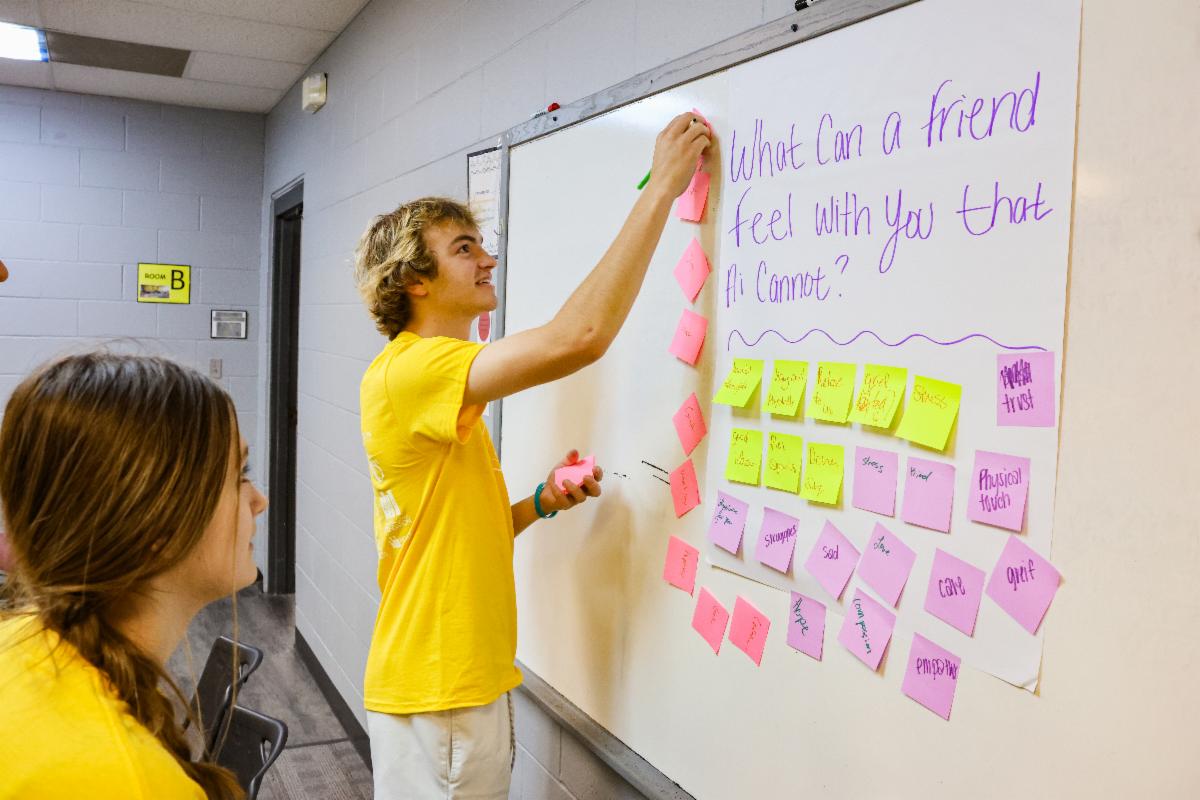
Using Disconnected as a prompt, high schoolers across Nebraska explore the value of human connection
in an increasingly digital world at The Kim Foundation's EmPOWER Youth Summit. Photo courtesy The Kim Foundation
What does it mean to improve health? Improving long-term health and well-being requires us to look beyond traditional health care and consider the everyday pressures, habits, and experiences we've come to accept as normal—and whether they're truly serving our young people well.
That thinking is helping shape Clarkson Institute's Youth Wellness Initiative,which focuses on reaching young people where they are, bringing their perspectives into conversations about the challenges they face, and equipping the adults and communities around them to offer support earlier.
At the heart of this work is The ConNEction Project, an initiative that uses student storytelling to open conversations about youth mental health, technology, and human connection. What began as a statewide student script competition has grown into a broader effort to engage students, parents, educators, health care professionals, and communities across Nebraska.
The winning concept from the first competition became Disconnected,a short film exploring depression following deep grief, isolation, and the complicated relationship between technology and human connection. Written by an Auburn High School student, the film has served as a starting point for screenings, expert panels, workshops, and facilitated conversations since its premiere this past spring--with the overall message to encourage audiences to consider the pressures young people face and how we can better support them. You'll read below how one student even organized an entire event to bring the conversation to his school.
The ConNEction Project's reach continues to grow, with 15 events across 14 communities, 14 distinct community partners, and more than 900 people engaged so far. Its impact extends beyond the screen: Through relationships developed in communities across the state, the initiative has also created opportunities for young people to connect in new, perhaps neglected ways, including a TreeRush Adventures experience for youth from Norfolk's The Zone Afterschool Program that emphasized confidence, teamwork, and resilience.
We also have just selected the winner of our second statewide script competition, asking students to explore the intersections of mental health with the realities of growing up in an increasingly tech-connected world. We are excited for what comes next.
Building a broader network of support
That same emphasis on earlier engagement extends to the adults young people encounter every day. Bridges to Mental Health for Educators, an extension of our established training program for healthcare professionals, helps teachers, administrators, and school staff better recognize behavioral health concerns, respond with greater confidence, and connect students with appropriate support. We will be offering this program again this coming January.
Additional efforts are bringing conversations about technology and well-being into everyday settings, including a collaboration with UNMC's uBEATS digital learning module addressing technology addiction and a collaboration with Project Reboot, whose work encourages young people and families to develop more intentional relationships with technology. Please stay tuned for upcoming announcements.
These efforts go beyond the intersections of technology and youth mental health to create opportunities for connection, strengthen the network of trusted adults around them, and help communities recognize where they can make a difference. By looking beyond traditional healthcare settings and investing in prevention, Clarkson Institute is working to create the conditions for healthier young people today—and healthier communities tomorrow.
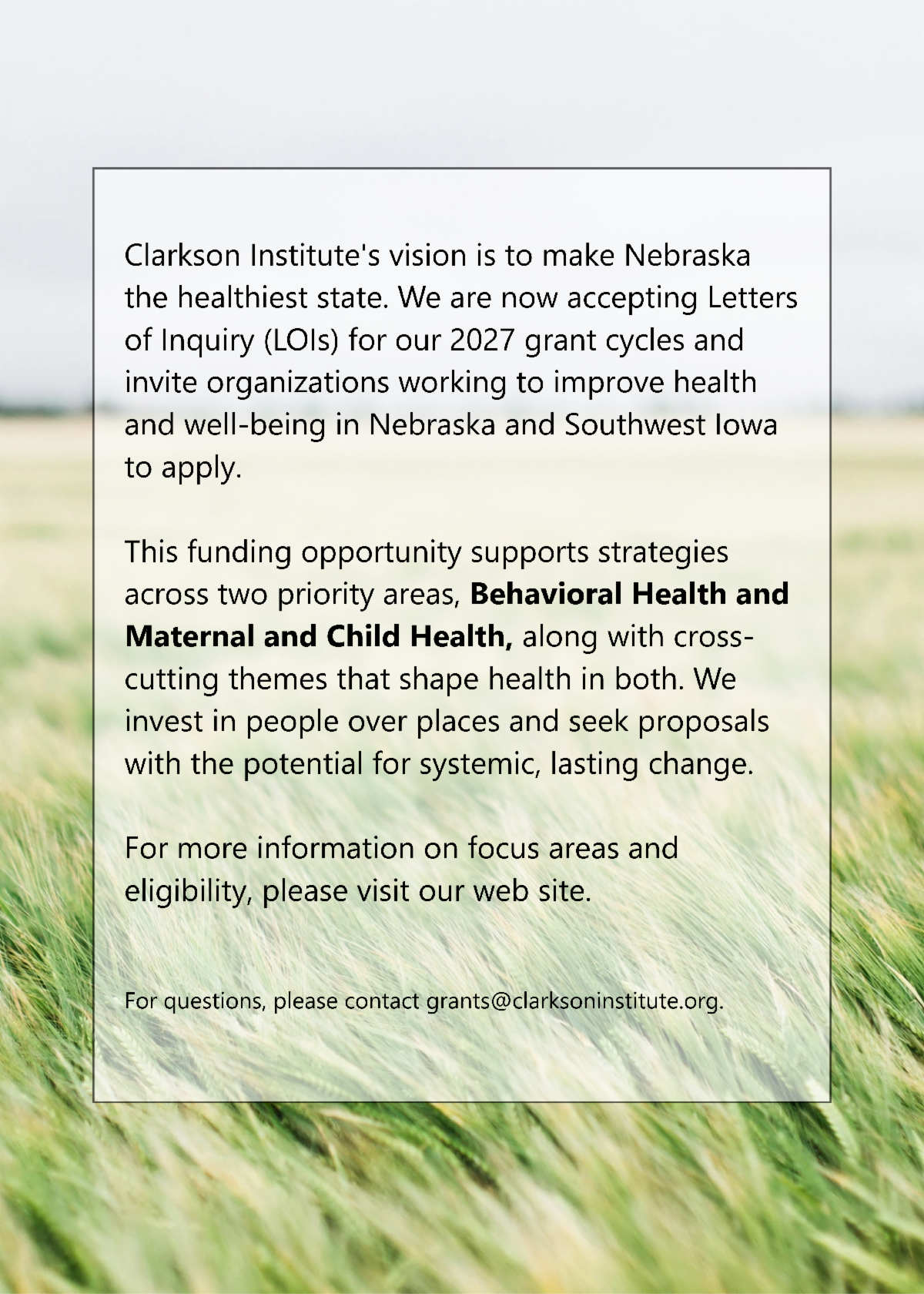
Clarkson Institute Opens 2027 Grant Cycles
Now Accepting Letters of Inquiry
2027 LOI Deadlines
LOIs are reviewed on a rolling basis, so we encourage early submission. Organizations whose LOIs align best with our priorities will be invited to submit a full application.
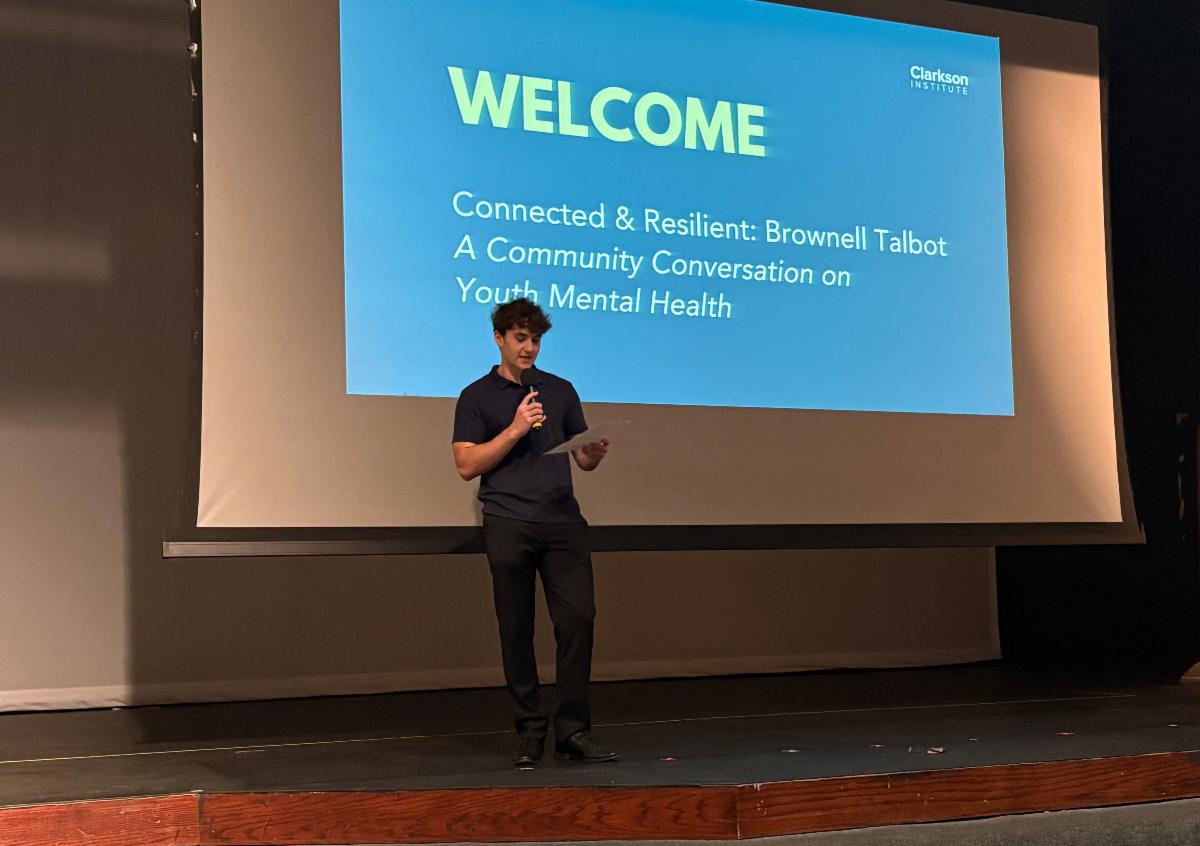
Brownell Talbot senior Ben Militsakh welcoming the crowd in attendance at the school event he organized
to spur conversation around tech intentionality and youth mental health, September 19, 2026
By Ben Militsakh, Summer 2026 intern
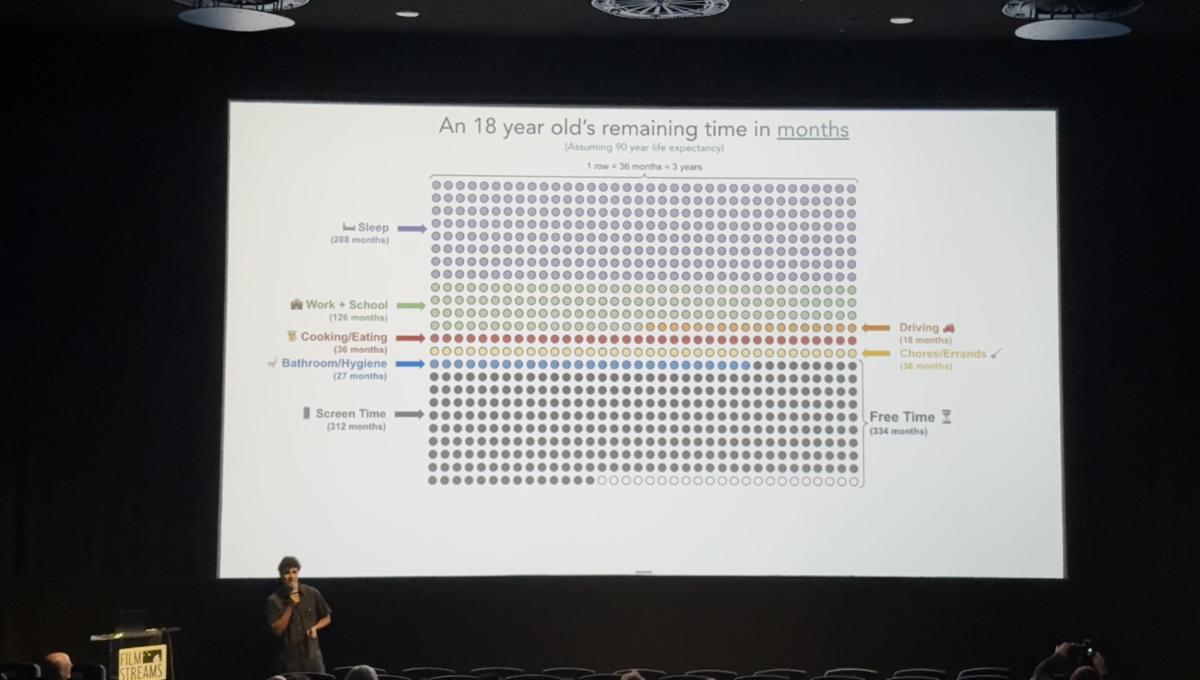
A few months before my internship began, I attended Clarkson Institute’s Connected and Resilient: A Community Conversation on Youth Mental Health event at Film Streams in Omaha. At first, I did not want to go. I expected it to be boring and only attended because my dad made me, but I tried to keep an open mind. As the event continued, I became more interested in the information being shared. The turning point came when Dawson Kelly from Project Reboot showed a graph filled with hundreds of small circles, each representing one week in an average person’s life. I first noticed familiar patterns, such as the time people spend sleeping, working, or going to school. Then the many black circles caught my attention. They represented weeks spent on devices based on screen time. Dawson explained that today’s teenagers are projected to spend 26 years of their lives on devices. After screen time and other required activities are accounted for, the average 18-year-old may have only about two years of truly free time left--to pursue hobbies, to travel, to experiment.
I was speechless.
That moment changed how I thought about screen time. I realized this was not just a statistic about other people. It was about my generation, my friends, my classmates, and my community. I began thinking about how often students reach for their phones without noticing and how much harder it can be to build real friendships, stay focused, or enjoy quiet moments when a screen is always nearby. In fact, I thought about all the times I’ve felt that way. The issue suddenly felt personal and urgent. I knew something needed to change, and I decided the best way to help was to bring a similar event to my school.
I began having conversations and meetings to explore the idea. Once I learned that Clarkson Institute wanted to help and that my school was open to support, I asked whether I could complete a summer internship to plan the event. My internship began at Clarkson Institute in June 2026. Over the course of the summer, I planned a event for my school community featuring carnival games, food trucks, and prizes as well as programming around youth mental health and technology. This included Clarkson Institute's short film Disconnected, a panel of local experts, and the same keynote presentation from Project Reboot that captured my attention back in March.
I also created a guide for other student leaders or schools to use to organize a similar experience, which pushed me to think beyond my own school and consider how the same message could reach students in other communities.
Since I was young, I have wanted to help people. I have done this by tutoring middle school students after school, coaching flag football for children, and setting up games and activities for my PE teachers. But this internship gave me the opportunity to help people in new ways, teaching me lessons I will carry for the rest of my life. It has bolstered my plans to become a doctor so I can make an even bigger difference within my community.
Ben Militsakh is a senior at Brownell Talbot College Preparatory School in Omaha. Inspired from the "Connected & Resilient" event he attended at Film Streams, he pursued an internship with Clarkson Institute this past summer to bring the same conversation to his school, which took place on September 19, 2026. After college, Ben hopes to attend medical school. Dare we say we knew him when...
Dawson Kelly of Project Reboot shares a graphic depicting how an average 18-year-old will spend their remaining lifetime in months—
the visual that inspired Ben Militsakh to rethink his relationship with technology. Data from Common Sense Media
Amplifying Our Mission: Supporting Local Solutions for A Healthier Nebraska
Across Nebraska, organizations are developing thoughtful, community-driven approaches to some of the state's most pressing health challenges. Clarkson Institute is proud to support a range of these efforts through investments that strengthen and improve health outcomes.
Rooted in the belief that those closest to a community's health challenges are often best positioned to address them, these investments reflect both the diversity of Nebraska's needs and the ingenuity of those working to meet them.
Together, these projects represent just some of the many ways organizations across Nebraska are working toward healthier communities—and the collaborative efforts that will continue to move our state forward.
Children's Nebraska
Unites five statewide associations to align school mental health practices, train up to 1,000 professionals, and standardize evaluation within Nebraska’s Multi-Tiered System of Support
Completely KIDS
Expands trauma-informed mental health services for children and caregivers across 16 sites while strengthening the workforce through internships and specialized training
Monen Healthcare Clinic at Heart Ministry Center
Supports greater access to integrated mental health care for uninsured Spanish-speaking patients by adding a bilingual therapist
Jesuit Academy
Funds Resilient Minds, a school-based program that provides on-site counseling, mental health screenings, and social-emotional skill building
The Kim Foundation
Supports expansion of Brighter Tomorrows program, a statewide youth and family suicide prevention framework that includes trainings, peer-led Our Minds Matter clubs, the EmPOWER Youth Summit, and post-crisis supports
Madonna Rehabilitation Hospitals
Expands mental health support for brain injury survivors through stronger community referrals, rural telehealth counseling, and trauma-informed staff training
NAMI NE
Strengthens peer support and mental health education through regional leadership, peer training, a statewide data system, and outreach to at least five additional rural communities
OneWorld Community Health Center
Expands integrated medical, behavioral, and social support for approximately 200 high-risk maternal health patients annually, particularly Latina, immigrant, and uninsured women
University of Nebraska at Kearney
Creates a Behavioral Health Academy track within UNK's Health Science Explorers Academy that introduces high school juniors and seniors in central Nebraska to behavioral health careers
University of Nebraska Foundation
Supports EMBRACE, a statewide maternal health program at UNMC to reduce maternal mortality and morbidity, with emphasis on rural communities and populations experiencing disparities
University of Nebraska Medical Center-Nebraska Medicine
Facilitates development and deployment of Nebraska's first contingency management program to address stimulant use disorder--particularly methamphetamine use, which has a higher-than-average rate of use in Nebraska as compared to national data
Investing in the Next Generation of Physician Leaders
Applications are now open for the 2027-28 Canedy Scholar Program
The 2027-28 Canedy Scholarship application is open through
January 15, 2027.
The Canedy Scholar Program equips physicians with the tools of healthcare leadership through a fully funded Executive MBA in Health Administration program at the University of Colorado-Denver.
We are seeking physicians with at least three years of practice who have a growth mindset, a demonstrated track record of leadership, a spirit of working across silos, and a long-term vision to improve the health landscape in Nebraska. Past scholars have included both physicians in private practice and academic physicians.
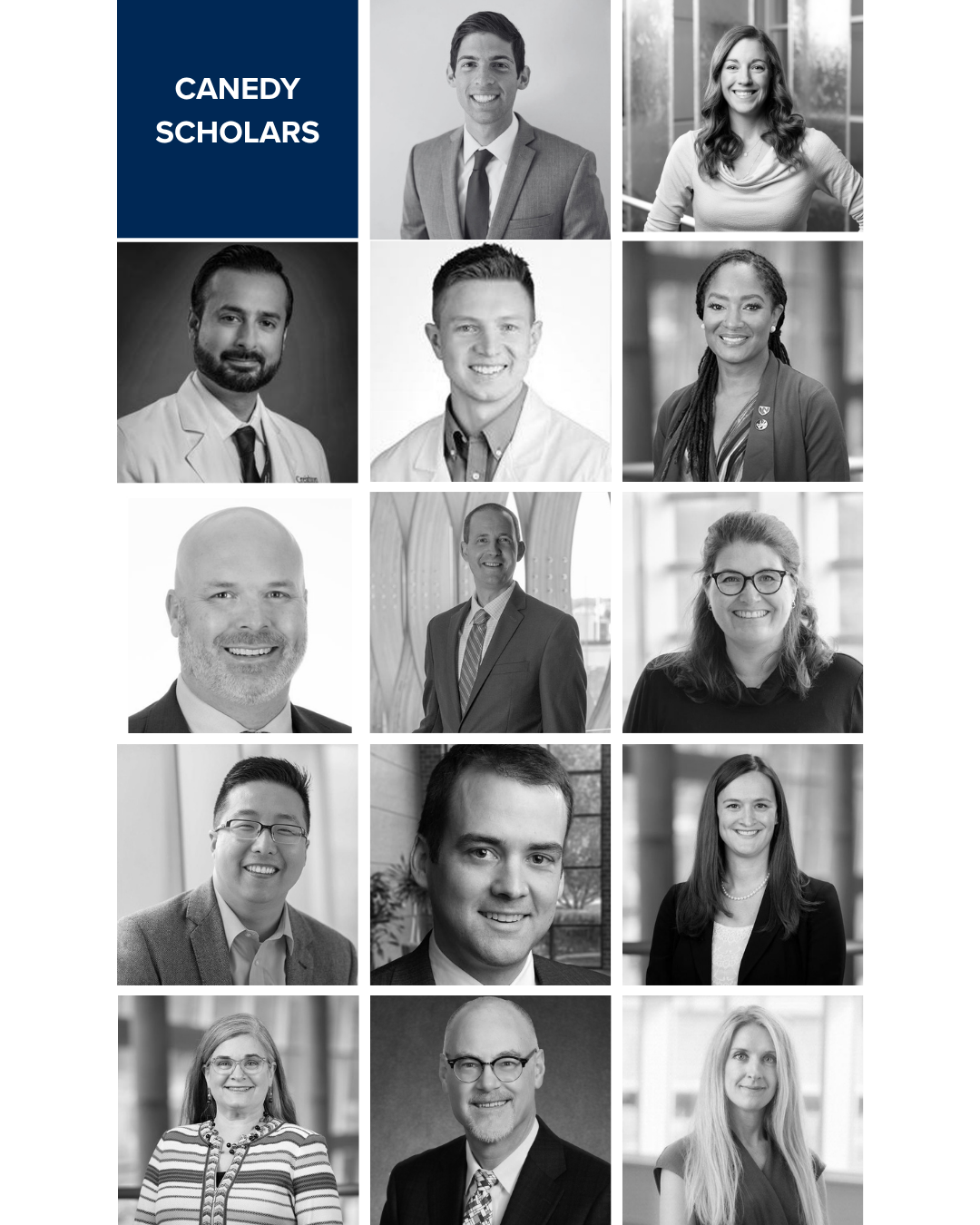
Canedy Scholars from 2014 (bottom right) through present
Bridges to Mental Health: Growing Footprint Includes New Educational Consultation Line
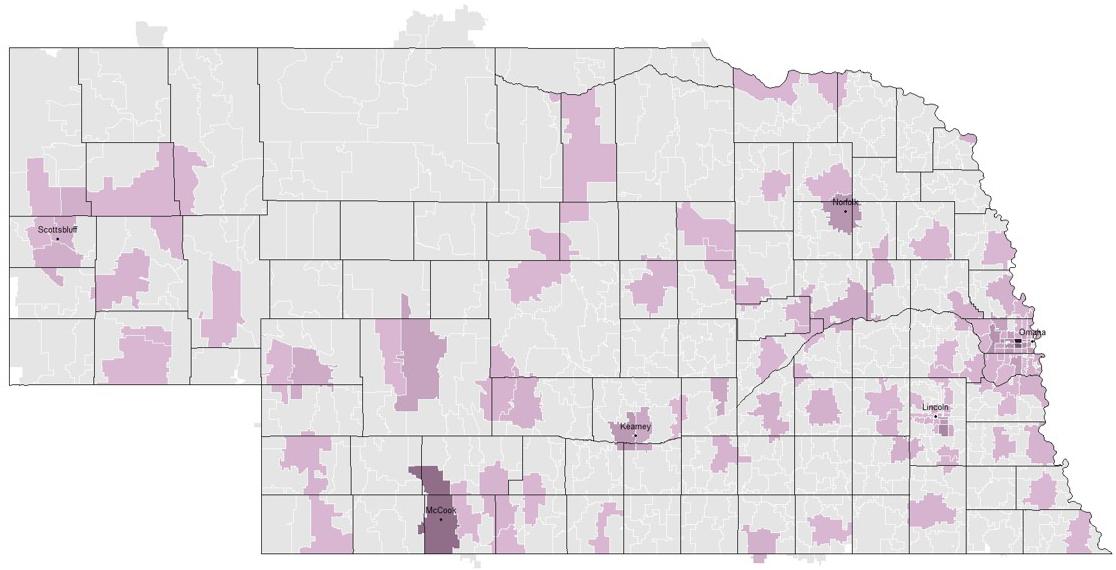
This map visualizes the growing footprint of Bridges across Nebraska, highlighting the distribution of Bridges-trained
providers based on their primary practice ZIP code. Darker shading indicates a higher concentration in that ZIP code
With 800 healthcare professionals trained across Nebraska and the region, Bridges to Mental Health has established a growing network of providers better equipped to address behavioral health needs. Now, the program is building on that foundation with ongoing access to psychiatric expertise through its Consultation Line—and more opportunities to participate in 2027.
The free educational Consultation Line connects healthcare professionals with licensed psychiatrists (trained in adult, pediatric, and perinatal psychiatry) for guidance on assessment, diagnosis, medication management, and other behavioral health questions.
The service was designed with busy providers in mind. After connecting first with a navigator, callers speak directly with one of the psychiatrists within about 30 minutes or at their preferred callback time--helping providers deliver care in the same setting where patients are already seeking care. The navigator can also connect providers to community resources for the patient's specific needs.
The training experience continues to grow, too.
Since launching in 2023, Bridges has trained 800 healthcare professionals across Nebraska and the region. In 2027, the program will reach new communities across the state and introduce a training program geared toward pediatric populations.