|
Daily Transportation News
March 31, 2026
| | | Chag Sameach to all celebrating Passover. May the holiday bring joy, peace, and moments of connection with family and community. | | New Platform Launches in London Combining Taxi Demand from Multiple Optional Operators | |
|
Curb has launched its Curb Flow platform in London, marking an expansion of the North American taxi technology provider into one of the world’s biggest regulated cab markets.
The company said the system aggregates ride requests from multiple demand channels into a single driver platform, with the aim of helping licensed black cab drivers cut idle time and pick up more metered fares during the day.
The London rollout is starting with a 0% commission model, according to the company, meaning drivers keep the full fare from trips completed through the platform. Curb said drivers will be able to choose which demand sources they accept work from and can opt in or out without penalties or acceptance quotas.
Curb said the network will include requests from its own consumer app and from third-party providers such as Uber, with the platform open to further additional partners.
The company said its booking volume has grown around fourfold since Curb Flow was rolled out in 2023 across US markets including New York, Chicago, San Francisco and Los Angeles. It added that drivers using the system in some markets have seen earnings rise by as much as 40%.
Source: TaxiPoint UK
| | The Yellow Thread That Connects a City | |
|
Anna Maria Julianelli
Taxi Regulatory Specialist
Sun Line Transit Agency
| |
Picture this: It’s midnight in a city you’ve never visited before. The streets are quiet, the air is cool, and you’re standing on the curb with your suitcase. You glance around—no friends, no family, no familiar landmarks. Then—out of the darkness—a yellow light appears. A car pulls up, the driver rolls down the window, and says, “Where to?”
In that moment, you’re no longer stranded. You’re connected. That’s the magic of the taxicab—a humble vehicle that has been quietly stitching together the fabric of our cities for over a century. Taxicabs have been around for more than 100 years, long before rideshare apps, GPS, or even traffic lights in some cities.
In the late 1800’s, they were horse-drawn carriages that were known as “cabriolets” for hire. By the 1920s, the iconic yellow paint became standard and chosen because it was the most visible color from a distance, even in fog or rain.
- Fun fact: The first motorized taxi service in the U.S. started in 1907 in New York City, with gasoline-powered cars replacing horse-drawn cabs.
- Did You Know: Training to be a “cabbie” in London can take up to4years.
- Why it matters: Taxis were the original “on-demand” transportation, long before smartphones and algorithms.
Think about it—before Uber, before Lyft, before Google Maps—there was a person, a car, and a knowledge of the city streets that could rival any GPS.
A taxi isn’t just a vehicle—it’s a moving microcosm of human connection.
- From the driver’s seat: Taxi drivers have seen the city at its best and worst—rush hour chaos, late-night celebrations, early morning commutes, and even the occasional wedding party that piles in, still singing.
- From the passenger’s seat: A taxi ride can be a moment of relief after a long flight, a quiet space to gather your thoughts, or a spontaneous conversation that changes your perspective.
A driver once told me, “Every passenger is a story. My job is to get them to their next chapter.” That stuck with me—not just as a poetic line, but as a philosophy for life.
-Anna Maria Julianelli, Taxi Regulatory Specialist, SunLine Transit Agency
| | |
Will Illinois Uber and Lyft Drivers Unionize? Here’s What We Know
An Illinois bill that would allow ride‑share drivers for companies such as Uber and Lyft to unionize advanced Thursday out of a House committee, despite opposition from some stakeholders and unresolved negotiations.
Click Here to Read More
Uber Escalates Fight over Philadelphia's Proposed Rideshare Tax
Uber is launching an aggressive campaign to defeat Mayor Cherelle Parker's proposed rideshare tax — tapping a high-powered Philadelphia lobbying firm and warning riders how the fee will hit their wallets. The fight is shaping up as Soda Tax 2.0, reminiscent of the bruising battle the beverage industry waged against former Mayor Jim Kenney's signature initiative to fund universal pre-kindergarten, plus renovations to parks and recreation centers.
Click Here to Read More
Brooklyn Rideshare Startup Launches As BLOC, Taking Aim at Competitors with a Driver-First Model
A Brooklyn-based rideshare startup is stepping into the spotlight under a new name. The company, which began building and gathering early waitlist signups in January 2026 under the name Rivo, today announced it is rebranding to BLOC - a name its founders say better captures what they're actually building: a rideshare platform rooted in neighborhood identity, driver fairness, and community. The decision to rebrand came early and deliberately. As the company developed its product and mission, it became clear the original name wasn't built to scale alongside the vision BLOC represents.
Click Here to Read More
| |
Where B.C. Stands on Self-Driving Cars and What Recent Incidents Reveal about Safety, Rules
A recent incident involving a Tesla driver, who police say appeared to be asleep at the wheel, has renewed questions about how self-driving technology is being used and regulated in B.C.
It happened on Highway 1 in Coquitlam during rainy, rush-hour traffic, prompting B.C. Highway Patrol to remind drivers to remain attentive, even in an autonomous vehicle.
Click Here to Read More
Laval Transit Agency Resumes Full Service after Three-Week Bus Shortage
The Société de transport de Laval announced Monday a parts shortage that forced it to reduce bus service for three weeks has finally been resolved. “A rigorous analysis of the situation enabled the STL to implement short-term measures,” the agency said in a statement.
Click Here to Read More
Chaotic Transit and Effects on Communities Raise Concerns for Canada’s World Cup Host Cities
As Canada prepares to host the World Cup in 2026, concerns are mounting regarding the messy transportation systems in its host cities—Vancouver, Toronto, and Montreal. Scheduled for June 2026, this celebration of international football aims to unite fans and cultures, but inadequacies in public transit and infrastructure raise questions about equitable access to events. Officials from key cities are scrambling to find effective strategies to mitigate these challenges, especially as the tournament promises to attract millions of visitors.
Click Here to Read More
| |
Taxi Amsterdam Schiphol Releases New Study Identifying Europe's Most Expensive Airport Taxi Journeys
Taxi Amsterdam Schiphol has released a new study highlighting the most expensive airport taxi journeys in Europe. The report identifies pricing trends and the cities with the highest taxi fares for airport transfers, providing valuable insights for travelers and industry professionals alike. The findings reveal notable variations in pricing across major European airports, shaped by factors such as travel distance, traffic conditions, and local fare structures.
Click Here to Read More
Brussels Proposes to Lower Speed on Motorways and Boost Teleworking to "Save Fuel"
The European Commission has sent a clear message to the governments of the Union: reducing fuel consumption is urgent. The Commissioner for Energy and Housing, Dan Jorgensen, has sent a letter to the 27 capitals proposing a decalogue of voluntary measures, with a special focus on transport. Among the initiatives, Brussels suggests reducing the maximum speed on motorways by at least 10 km/h, a measure that, according to Jorgensen, immediately reduces fuel consumption in cars, vans, and trucks. This measure recalls the one adopted by Spain in 2011 under the Government of José Luis Rodríguez Zapatero.
Click Here to Read More
Here’s Why Electric Transportation in Spain Is a No-Brainer
The electrification of heavy-duty transportation is still largely regarded as science fiction, typically rolled out for trade shows, corporate presentations and promotional videos. But the simple reality is that it makes no sense for a country like Spain to still depend on diesel trucks to move the vast majority of its goods over relatively short distances, burning imported fuel, poisoning the air and accepting externalities like supply and cost beyond our control.
Click Here to Read More
| |
Australia Makes Public Transport Free in 2 States As Fuel Prices Surge amid West Asia Crisis
The state of Victoria, home to Melbourne, announced free travel across trains, trams, and buses throughout April. Meanwhile, Tasmania will waive fares from Monday until the end of June. The move is aimed at reducing reliance on private vehicles as petrol costs surge globally following disruptions tied to the conflict involving the US, Israel, and Iran, and the effective closure of the Strait of Hormuz which is a critical route for global oil and gas shipments.
Click Here to Read More
Japan Targets Flying Taxi Services by 2027-28
Japan is positioning itself at the forefront of urban air mobility, with new government planning documents and regional initiatives indicating that commercial advanced air mobility services could begin operating across selected routes as early as 2027 to 2028. Advanced air mobility, often described as the next step after drones and conventional helicopters, is being treated in Japan as a strategic transport and tourism asset rather than a futuristic curiosity.
Click Here to Read More
Singapore Land Transport Authority Opens New 19-Km Bike Path in the City
The Land Transport Authority (LTA) recently added 19 kilometres of new bicycle lanes in the city centre, in hopes of improving the links between nearby cities and towns. Furthermore, this upgrade seeks to encourage more residents to travel by bike and experience a much healthier and greener way of transportation from one place to another.
Click Here to Read More
| | Uber Buys Chauffeur Booking App Blacklane As It Courts High-End Riders | |
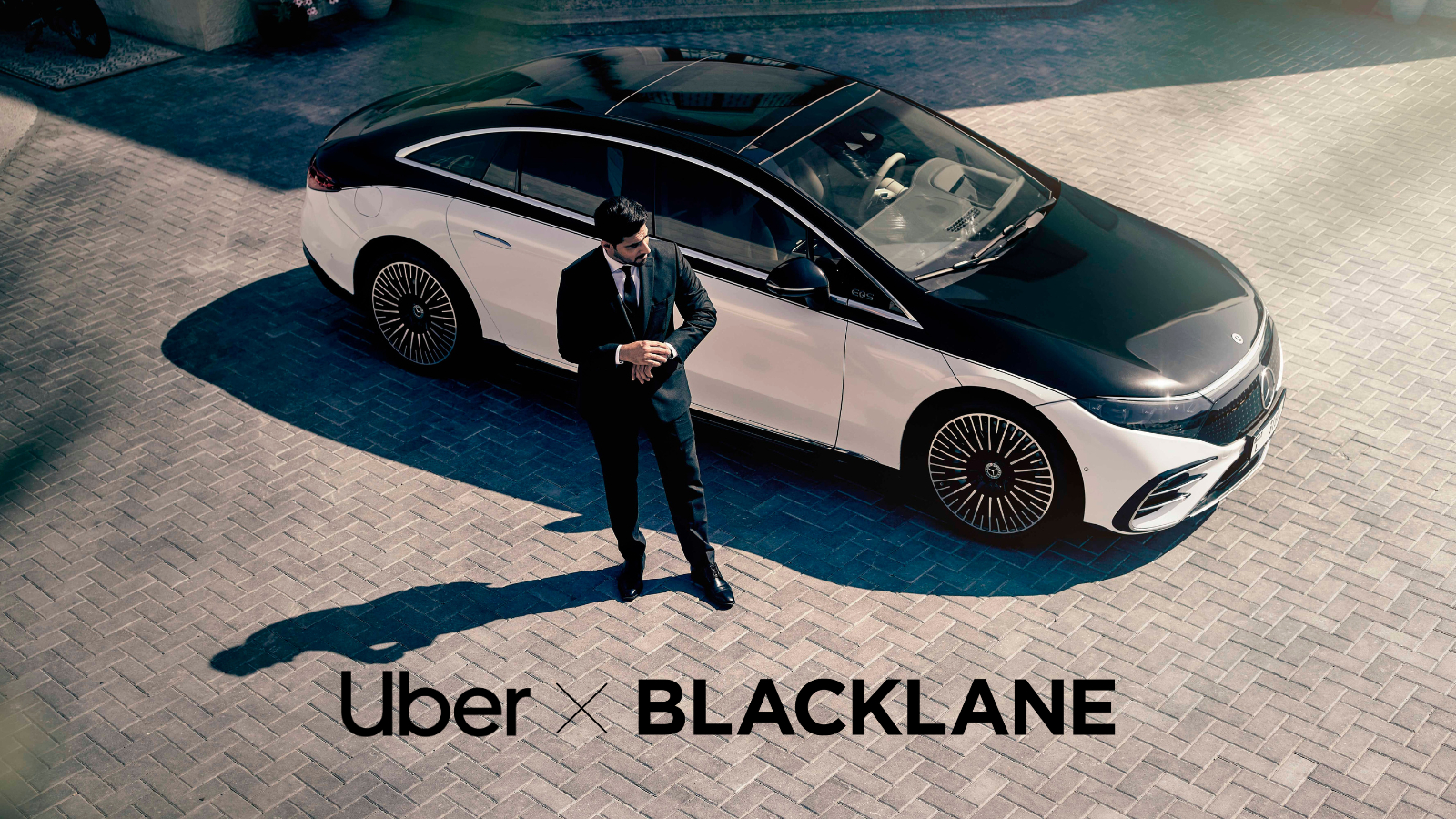
Uber Technologies Inc. has acquired the chauffeur booking app Blacklane, the company’s latest move to court a high-end clientele.
The deal will expand Uber’s offerings targeting business executives and wealthy consumers, a fast-growing segment of the business, the company said in a statement on Monday. The transaction is expected to close by the end of 2026. Financial terms were not disclosed.
Competition is heating up at the luxury end of the ride-hailing market. Uber just a few weeks ago introduced a new chauffeur ride option called Uber Elite. Last week, London-based Wheely, which specializes in serving business elites and high net worth individuals, announced that it is expanding to New York City, its first US market. And in a move similar to the Blacklane acquisition, Lyft Inc. bought TBR Global Chaufferuing five months ago for $110 million.
Berlin-based Blacklane, whose backers include Mercedes-Benz Mobility AG, operates in more 500 cities across more than 60 countries through a mobile app and web booking platform. The purchase is set to bolster Uber Elite, which the rideshare giant is so far offering to frequent Uber Black riders and corporate account customers in Los Angeles and San Francisco. It is planning to expand the service soon to New York City.
Uber’s premium ride options, which include Uber Comfort, SUV and Black, already account for more than $10 billion in annualized gross bookings, the company said last year, representing a 35% increase from the prior year.
Blacklane was founded in 2011 and was valued at more than €500 million ($574 million) after a 2024 funding round, Bloomberg reported at the time. Its investors include Tasaru Mobility Investments, a subsidiary of Saudi Arabia’s Public Investment Fund, as well as Gargash Enterprises LLC, Al Fahim Group and RI Digital Ventures.
Source: Bloomberg News
| |
|
Message from IATR President Matthew W. Daus
At the International Association of Transportation Regulators (IATR), our regulators are at the forefront of addressing both the challenges and opportunities facing the mobility paradigm. Our IATR members, partner organizations, and regulated industries will continue on our shared quest to fulfill the mission of our non-profit educational organization - to bring about Multi-Modal Mobility Innovation for All! This mission can best be accomplished through information sharing, collaboration, identifying and promoting best practices, and educating our membership. These educational updates and electronic media clips are affectionately known as “IATR snips” and endeavor to cover all aspects of mobility around the globe - especially news and developments involving safety, technology innovation, multi-modal integration, automation, sustainability, electrification, accessibility, regulatory modernization, and equity.
If you would like more information about the IATR, you can visit our website at www.iatr.global. Current members can renew their memberships when you log in to your IATR portal on the top right-hand side of our website, or click here. If you forgot your membership password, please email our Membership Director, Eric Richardson, at erichardson@iatr.global.
| | | | | |
|
RENEW YOUR MEMBERSHIP FOR 2026:
Weekly news snippets
Access to the membership database
Videos and files from recent conferences
Discounted rates for future conferences, and more!
Renew your membership at http://www.iatr.global or email info@iatr.global for any questions!
| | | | |