July 2026

CRN

Newsletter


CRN Spotlight: Community Food Bank


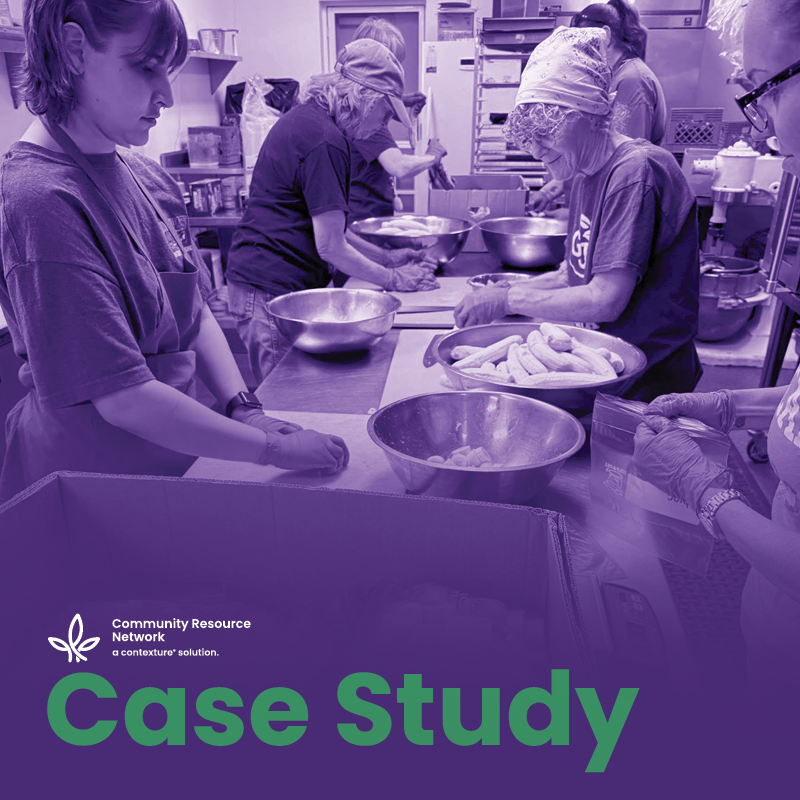
For nearly five decades, the Community Food Bank of Grand Junction has been a steady force in Mesa County, working not just to provide food, but to strengthen the overall health and stability of the community. Their work is rooted in a simple but powerful belief: everyone deserves access to fresh, nutritious food and the opportunity to thrive. Through initiatives like mobile markets, home delivery, food recovery, and bilingual resource navigation, they are helping build a more equitable, resilient local food system. 


At the center of that work is a focus on connection, connecting people to food, resources, and support when they need it most. As their Development & Community Relations Director, Jessica Mays shared, her role is about building those bridges: creating partnerships, engaging the community, and ensuring the organization has the resources to meet growing needs. 


“What means the most to me is seeing the direct impact of our work—knowing that through collaboration and compassion, we’re not just providing meals, but dignity, stability, and hope during some of life’s most challenging moments.” 


That impact is growing. In the past year alone, the organization has nourished more than 11,000 neighbors, distributed over 800,000 pounds of nutritious food, and conducted more than 22,000 service visits. Behind those numbers are real people, families navigating tough circumstances, individuals seeking stability, and a community rallying to support one another. 


The team continues to expand that impact through both day-to-day services and community-driven initiatives like Dancing with Western Slope Stars, an annual event that brings local leaders together in a high-energy, meaningful way to raise awareness and resources. It’s not just a fundraiser—it’s a reflection of the strong, connected community they’re helping to build. 


As their work has evolved, so has their ability to support people more holistically. Through their partnership with Community Resource Network (CRN), the Community Food Bank has strengthened how they connect individuals to critical services beyond food access, helping address broader needs like healthcare, housing, and financial support. 

“CRN has significantly strengthened our resource navigation program by creating a more consistent, streamlined way for partners to refer clients to us and improving how we track those connections.” shared Chelsea Crane, Program Director. 


That visibility has made a measurable difference. The team has conducted more than 4,500 resource navigation sessions, helping individuals apply for programs like SNAP and WIC while connecting them to additional community services. With better insight into gaps and needs, they’re able to respond more effectively and meet people where they are. 


“It’s allowed us to go beyond immediate food needs and provide more holistic support, connecting people to the resources that can truly change their situation.” 


This combination of compassion, data, and coordination is what drives their success. By pairing strong community relationships with tools that improve visibility and connection, the Community Food Bank is not only expanding access to food—they’re helping create lasting stability for the people they serve. 

And as they continue to grow, one thing remains clear: their impact goes far beyond what’s on a plate.


Welcome to CRN!

Join us welcome the following organizations and community champions to CRN! 

Summit Healing


Summit Healing is a wellness housing program in Colorado; or sober living, composed of a team of experienced and trained wellness coaches, we work with community partnerships to equip and empower individuals with mental and/or co-occurring dual diagnoses with the necessary skills to live lives free from the grips of mental illness.


How Summit Healing Will Use CRN: Receive email referrals from CRN 


Region(s) Served: Denver, Greater Denver East, Greater Denver West


Care Options for Kids


Our in-home care services help children and adults stay safe, comfortable, and supported at home with their families. In the Grand Junction, Colorado area, we specialize in Family Caregiver Services that empower loved ones to step into a professional caregiving role.


Through these programs, caregivers receive free, hands-on training and certification—along with the opportunity to get paid to care for their loved one. This allows families to provide high-quality care at home while earning income and gaining valuable healthcare experience.


Colorado offers two state-funded programs through Medicaid and HCBS Waivers:

  • Family CNA Program
  • In-Home Support Services (IHSS)


How Care Options for Kids Will Use CRN: Receive email referrals from CRN 


Region(s) Served: Delta County, Denver, Greater Denver East, Greater Denver West, Gunnison, Larimer County, Mesa County, Montrose, Northeast CO, Northwest CO, Southcentral and Southeast CO, West Mountain


University of Colorado - Strong Start Colorado


Strong Start Colorado is a program that helps to support pregnant Coloradans to quit smoking, vaping, and/or using cannabis.


We provide telehealth counseling services at 12 personalized sessions that help to support habit-changes and mental health. Participants are not required to quit to join the program. We meet people where they are at to help support their goals during pregnancy.


How Strong Start Colorado Will Use CRN: Receive email referrals from CRN 


Region(s) Served: Statewide Colorado

Silver Thread Public Health


Public Health agencey that provides clinical/medical Services, mental health and behavioral wellness, family and aging support, environmental and emergency services, environmental health guidance.


How Silver Thread Will Use CRN:

  • Sending referrals  
  • Participating in Care Teams


Region(s) Served: Gunnison

Gunnison County Health & Human Services - Family Advocate & Support Team (FAST)


FAST directly works with children, youth, and families. We are able to help create better access and coordination to services and assistance for overcoming educational, legal, mental, and/or health challenges. FAST works and fosters collaborative process with partners to identify community needs, support teamwork and education, and brainstorm solutions for issues that impact children, youth, and families. We also foster community by providing connection events, training, and workshops.


How FAST Will Use CRN:

  • Receiving referrals  
  • Participating in Care Teams 


Region(s) Served: Gunnison

Gunnison County Health & Human Services - Multicultural Resource Services (MRS)


The MRS Program helps clients with low English Proficiency connect to and access services such as: health care, health insurance, safety net programs, basic needs assistance, economic mobility services, such as drivers license applications, passport applications, and tax identification numbers. Services are offered in person, over the phone, and through WhatsApp. Services include help filling out applications, making appointments, and interpretation. The MRS Program also does outreach and education to the Spanish speaking community related to health and basic needs.


How MRS Will Use CRN:

  • Sending referrals  
  • Receiving referrals
  • Participating in Care Teams  
  • Utilizing Case Management tools 


Region(s) Served: Gunnison

Gunnison County Health & Human Services - Behavioral Health Navigation Services


The Behavioral Health Navigation Services Program provides individual support to women, children, and youth seeking mental health and substance use treatment and support services. The program offers assessments and individual one-on-one assistance to identify needs, set personal goals, and provide connection to behavioral health resources. Follow up is provided.


How Behavioral Health Navigation Services Will Use CRN:

  • Sending referrals  
  • Receiving referrals
  • Participating in Care Teams  
  • Utilizing Case Management tools 


Region(s) Served: Gunnison


💡 Strengthening Food Access Through Collaboration:

Key Findings from Recent Research


On behalf of Contexture (formerly Quality Health Network), we are pleased to announce that the final report from a research project that we partnered on with Andrea Nederveld, MD, MPH, Elena Broaddus, PhD, MSPH, and Elizabeth Bell has been released. The research was conducted between January 2024 and July 2025 examining patient experiences with food insecurity screening, referral, and resource utilization at two federally qualified health centers in western Colorado.


This study sought to better understand how patients who screened positive for food insecurity experienced the screening process, their interactions with referral services, and their ability to access food resources within their communities. The findings provide valuable insights into both the successes and challenges of connecting individuals and families to needed food assistance services.


As valued community partners we wanted to share some Key Takeaways with you. We hope the findings contribute to ongoing conversations about strengthening referral pathways, improving resource accessibility, and enhancing collaboration across healthcare and community-based organizations.


Key Takeaways:

  • Screening can identify Food Insecurity, but existing resources may be insufficient to meet the need.
  • Providing information can help many people, but sometimes people have already accessed available resources or do not have practical ways to get access to resources.
  •  Healthcare and community organizations may need to deepen collaboration and communication in order to advocate for policies and funding that increase accessibility of food assistance resources.


Please feel free to contact us if you want to receive the full report.


Connect with us today!
Facebook  Linkedin  X  YouTube