Culture Change
A New Sermon Series
The other day I was having one of those honest conversations that goes far beyond the surface. We weren’t talking about politics or personalities. We weren’t looking for someone to blame. We were talking about some of the very real challenges facing our community, our nation, and even our churches.
As the conversation deepened, someone finally said what everyone else was beginning to realize: “The culture has to change.”
That simple statement has stayed with me.
We often think that if we can just find the right program, the right strategy, or the right leader, everything will improve. Those things certainly matter. But anyone who has led a family, a business, a school, or a church for very long knows they are not enough.
Management expert Peter Drucker is often credited with saying,“Culture eats strategy for breakfast.”
Whether or not he phrased it exactly that way, the principle is undeniably true.
I’ve experienced it in ministry over and over again. You can introduce outstanding ideas, launch exciting initiatives, and develop detailed strategic plans, but if the culture remains unchanged, those efforts rarely produce lasting transformation.
So what exactly is culture?
Culture is more than what we say we believe. It is the collection of assumptions, habits, attitudes, and expectations that quietly shape how we actually live together. It’s the unwritten rules. It’s the air we breathe. Often, we don’t even notice it until someone from the outside points it out.
Leadership experts sometimes distinguish between our stated values and our lived values.
For example, almost every church would sincerely say, “We want everyone to feel welcome,” or “We want to reach our community for Christ.” Most people would pass a lie detector test saying those words because they truly believe them.
But beneath those stated values can sometimes be another message we never say out loud: “I hope the church grows… but not so much that it changes.”
“I want new people… as long as they fit comfortably into what I’m already used to.”
No one intends to think that way, yet those hidden assumptions often shape a church far more than the words on its mission statement.
The same is true in our families, our workplaces, our schools, and our communities.
Every culture has strengths worth celebrating and weaknesses that need to be transformed.
The question is not whether we have a culture.
The question is whether our culture is becoming more like the Kingdom of God.
That’s what this new sermon series is about.
Over the coming weeks, we’ll explore how Jesus changes cultures—not primarily through rules or programs, but by changing hearts, renewing minds, and teaching ordinary people to live in extraordinary ways. We’ll discover that lasting transformation happens when God’s people begin to embody the values of God’s Kingdom in their everyday lives.
Join Us for Culture Change
July 12 – Good Dirt
Matthew 13:1–23
July 26 – How God Changes the World
Matthew 13:31–52
August 2 – Nobody Gets Turned Away
Matthew 14:13–21
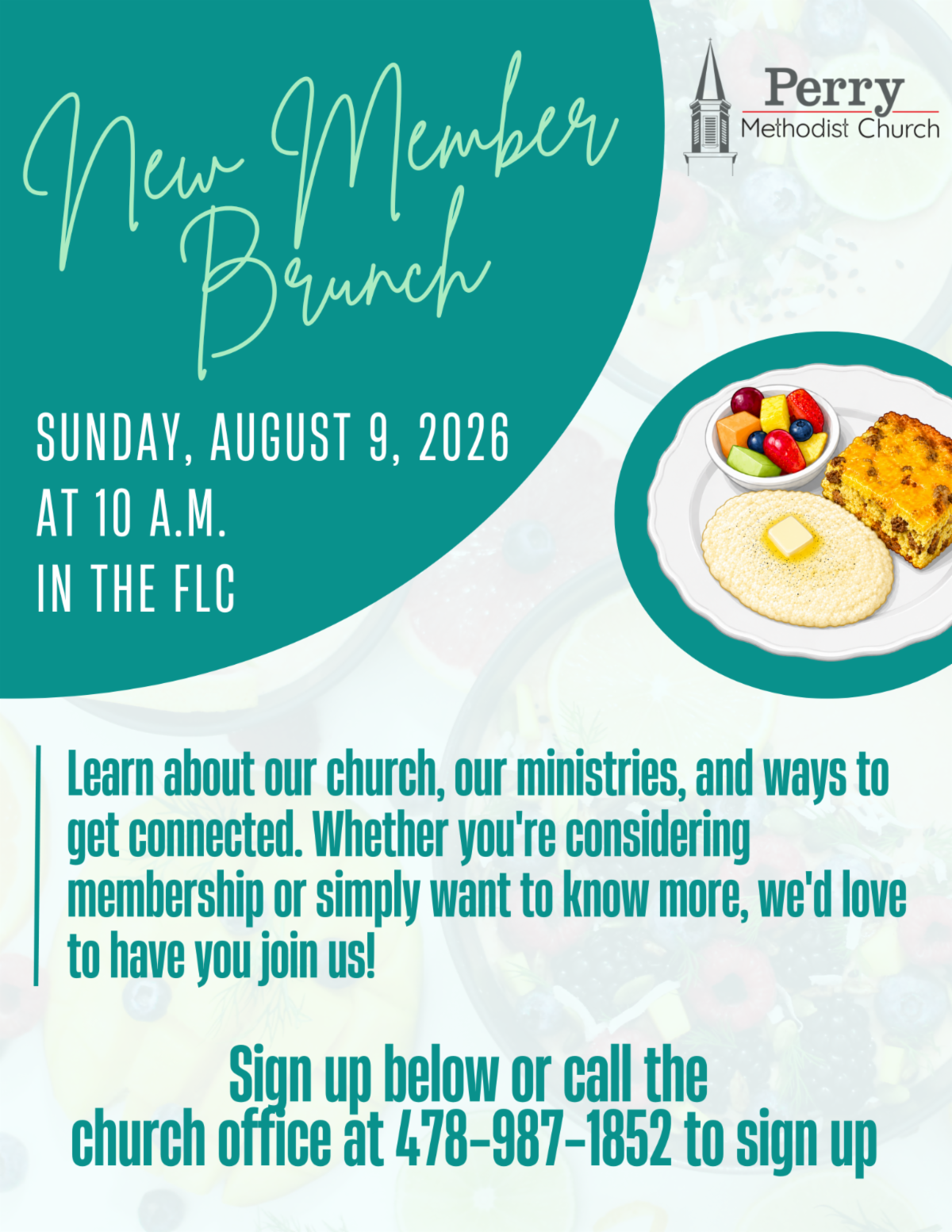
August 9 – Eyes Up
Matthew 14:22–33
August 16 – Saying the Quiet Part Out Loud
Matthew 15:10–20, 21–28
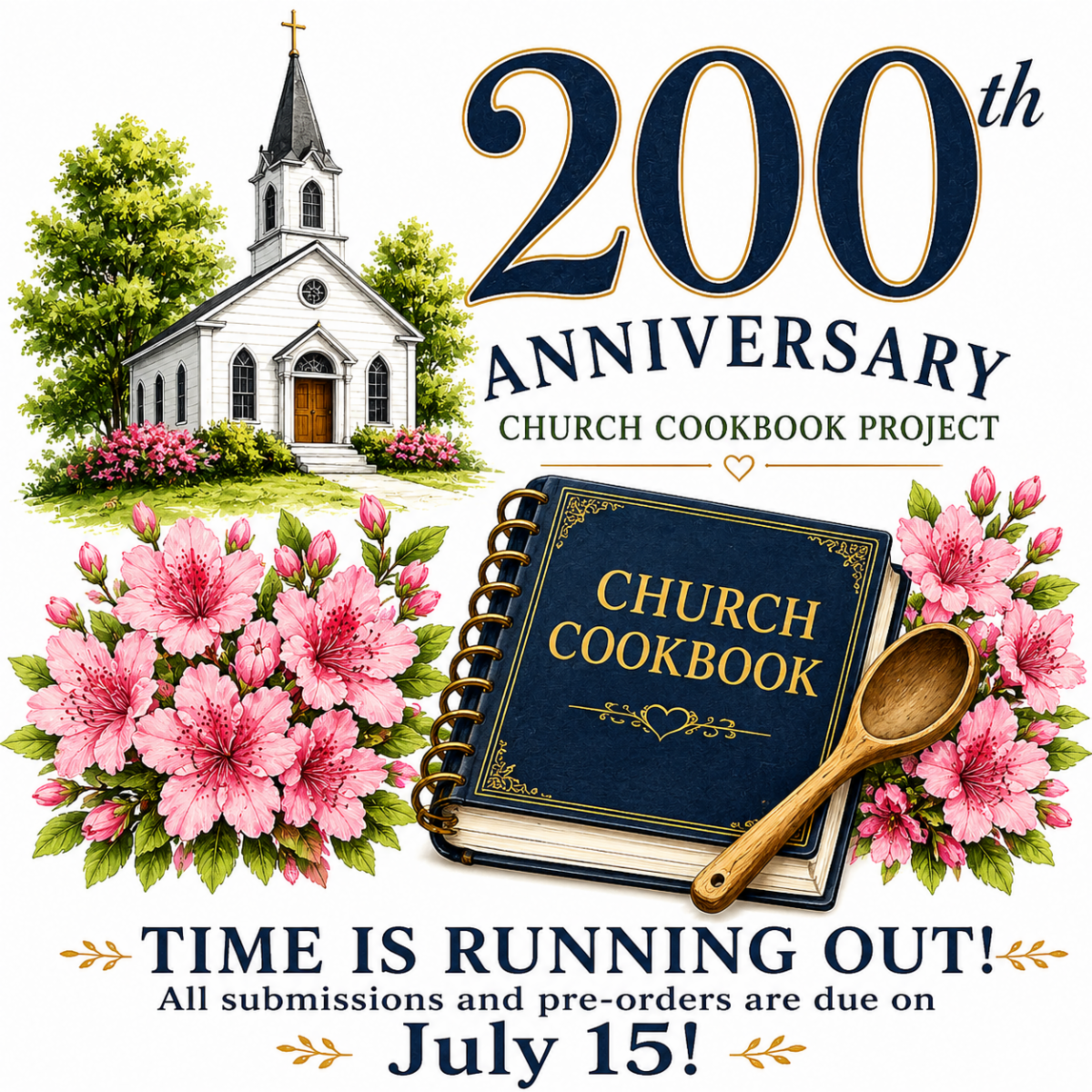
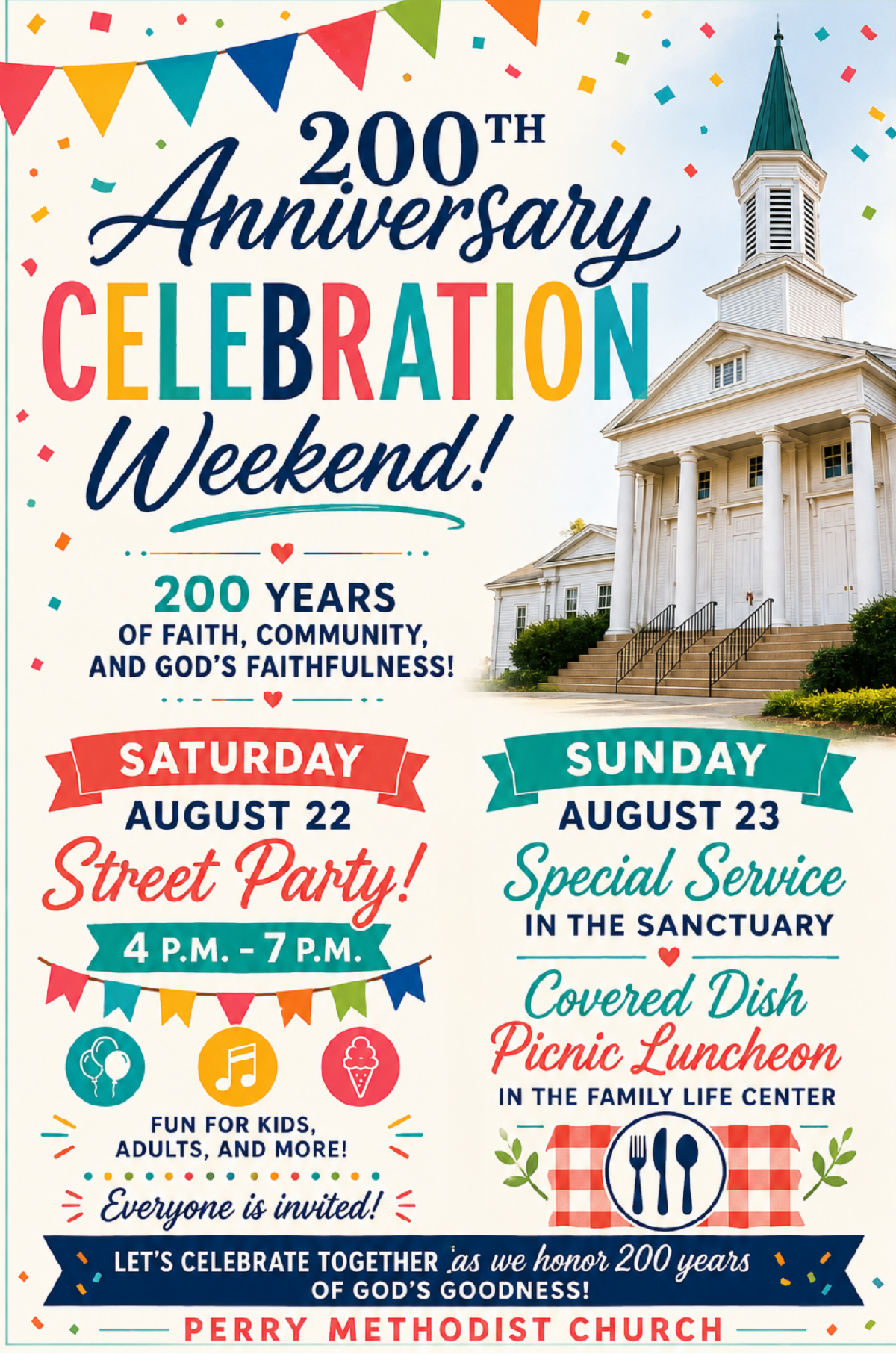
August 22-23 – We Get to Do This!
200th Anniversary Celebration
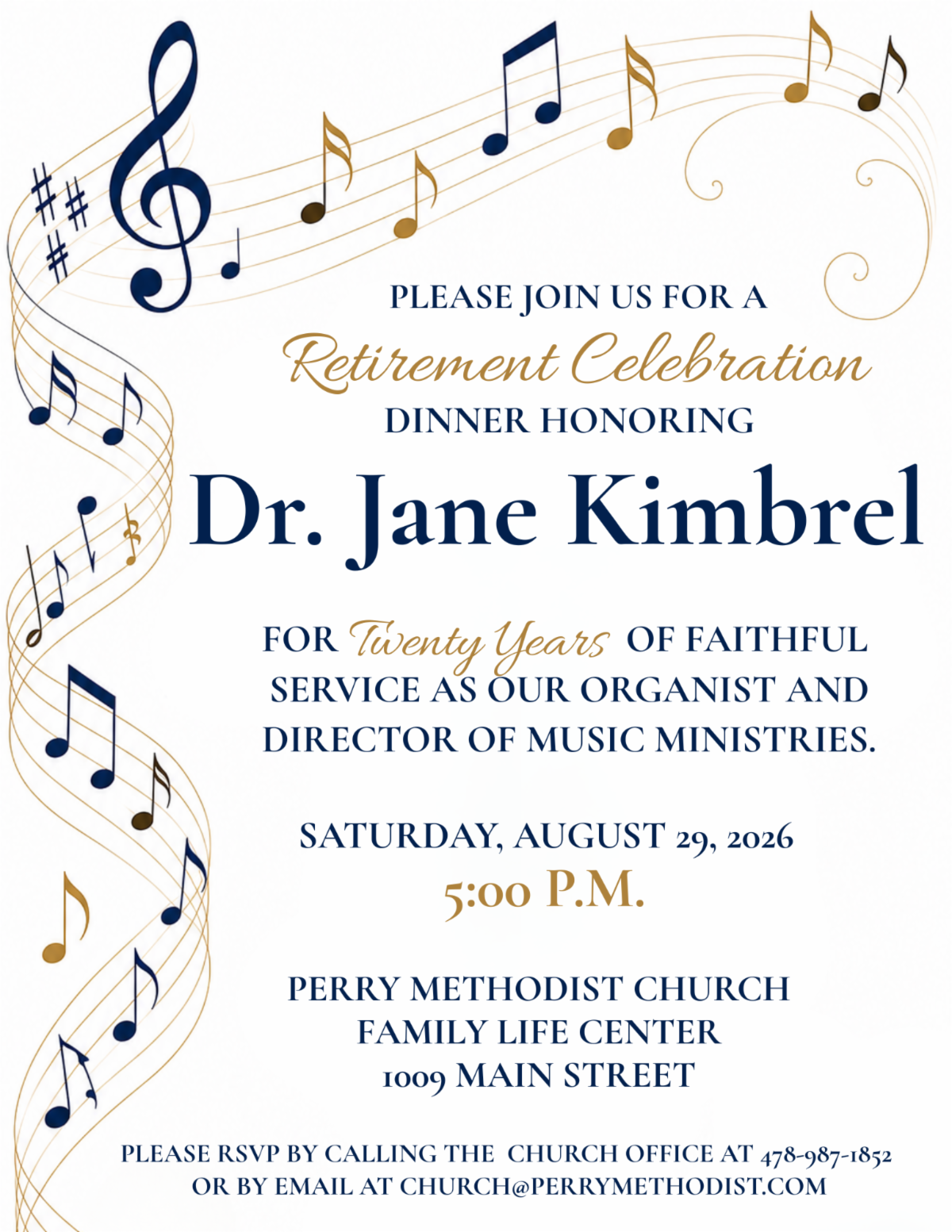
August 29-30 – When In Our Music God Is Glorified
Bidding Farewell to Dr. Jane Kimbrel
September 6 – Healing What Hurts
Matthew 18:15–20
September 13 – Grace Pays the Bill
Matthew 18:21–35
Everyone Belongs Sunday
If culture really does eat strategy for breakfast, then perhaps the most important thing we can do is allow Christ to reshape the culture of our own hearts, our homes, and our church.
Because when the culture changes, everything else begins to change with it.
I hope you’ll join us for this important journey. I believe God wants to do something deeper than simply helping us do church better. I believe He wants to shape us into the kind of people whose lives reflect the love, truth, grace, and holiness of Jesus Christ.
As Perry Methodist Church enters its third century of ministry, there could not be a more important question for us to ask:
What kind of people is Jesus calling us to become?
I hope you’ll come discover the answer with us.
|