Health and Safety News • January 2026 Special Issue For Drone Users
Important Update on UAS Regulations and Restrictions
Drone users should be aware of recent regulatory changes affecting unmanned aircraft systems (UAS) and related components. These updates may impact procurement and usage within Princeton University projects.
The FCC added all foreign-produced UAS and critical components to its Covered List. This means that they are deemed to pose an unacceptable risk to the national security of the United States
Impact:
No new FCC authorizations for foreign-made UAS or components. All future imports and sales will be blocked with possible exemptions granted by DoW or DHS.
The regulation applies broadly and is not limited to specific countries.
Existing foreign-made UAS already in the U.S. remain legal to use.
The U.S. National Science Foundation prohibits the purchase or use of certain foreign-made UAS in NSF-funded projects. Prohibited sources include restricted parties from various countries and specific entities from the People’s Republic of China.
Applies to awards issued on or after December 8, 2025.
This restriction is separate from FCC rules and applies even if equipment is FCC-authorized.
Action Items
Continue using existing UAS equipment as permitted.
For NSF-funded projects, confirm compliance with the new NSF supplement.
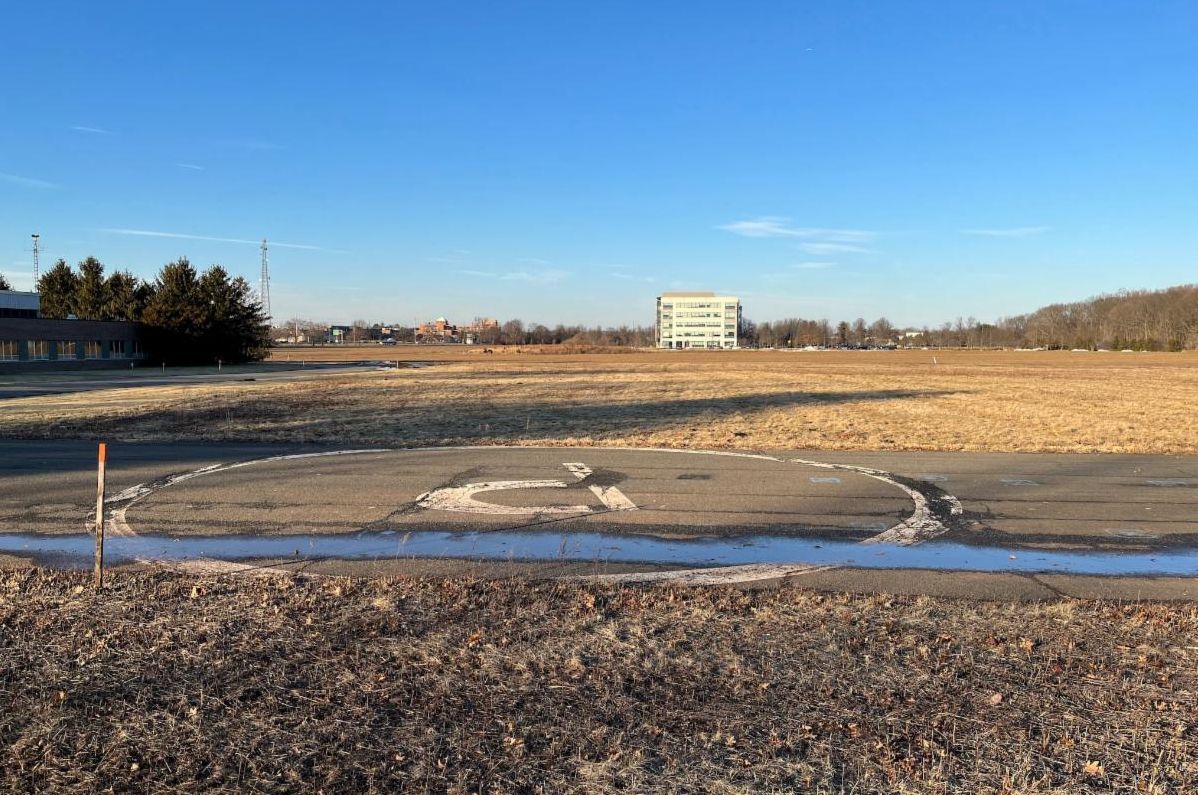
The FRIA includes parking at 701 Forrestal and is near the Tiger Transit Route 3 bus line. It provides a safe location for students, staff and faculty to conduct flights as part of their education and independent research. Learn More »
Princeton Requires Advance Notice for all flight requests. Approval must be sought at least a week, and ideally two weeks, prior to sUAS use. The Princeton drones website has more information on what is needed to fly a drone at the University.
EO Calls For Normalizing UAS Operation Beyond Line-of-Sight. A rule to enable the operation of drones at low altitudes beyond visual line of sight has been proposed by several federal agencies in response to a June executive order, “Unleashing American Drone Dominance."
Spotlight on Safety is the official newsletter of the Princeton Office of Environmental Health & Safety and the best way to stay informed about important health and safety topics, timely issues affecting the Princeton community, safety training and other EHS initiatives.