|
It all started with the humble poppy. The plant that gives us poppyseeds and the pretty red flowers handed out at Veteran’s Day is also used to produce opium, a narcotic that has been in use at least 7,000 years. In more recent history it was purified into morphine, then chemically processed to create heroin. Today, thousands are addicted to synthetic opioids like oxycodone. But arguably the poppy’s most dangerous legacy is fentanyl, the synthetic opioid that is up to 50 times more potent than heroin and 100 times more potent than morphine. Fentanyl is the leading cause of drug overdose deaths in the United States, with 48,422 people dying in 2024 according to the Centers for Disease Control.
All the opioids originally had medical uses, and some are still in use. They are used for acute pain after surgery, and for palliative care. Many people have used the weak opioid codeine combined with acetaminophen after dental surgery. Fentanyl has legitimate medical uses in anesthesia and pain management.
But as a street drug, it is problematic in several ways. Fentanyl is often mixed with other drugs because it is fast acting and relatively cheap. A user expecting heroin or cocaine might find themselves taking fentanyl too without their knowledge. Drug users build up tolerance over time, and might know how much of one drug they can use without overdosing. But since fentanyl is so much stronger than they are expecting that it could kill them.
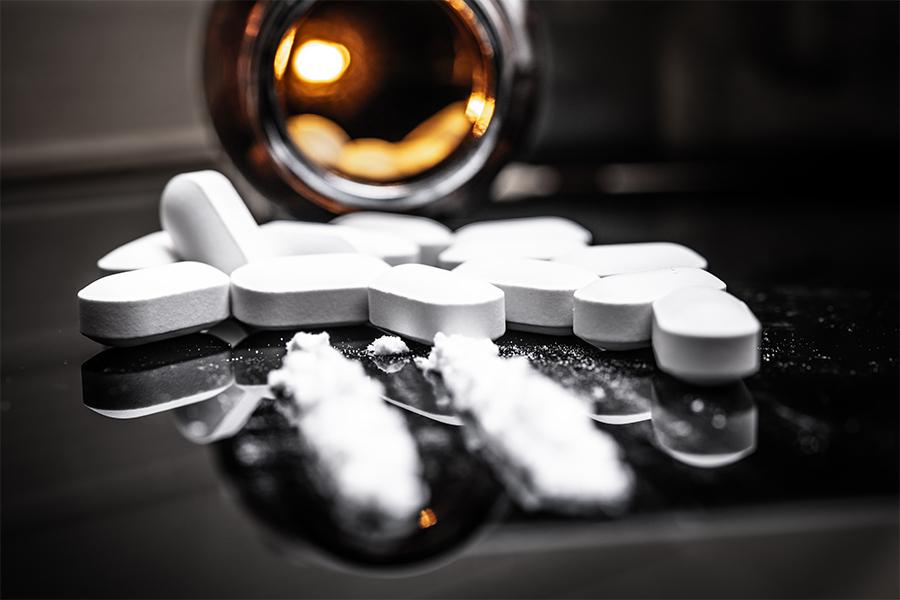
Fake pills containing Fentanyl are also a big problem. In the recent Operation Snow Storm, detectives found tens of thousands of fake Oxycodone pills containing fentanyl, and fake Adderall pills containing methamphetamine. According to Sheriff Bob Gualtieri, a criminal ring was using a pill press and commercially available pill binder to press the pills to look like blue oxycodone 30mg pills. They were selling between 6,000 and 10,000 pills a month.
“They make it look like a legitimate oxycodone pill you’d get at a pharmacy,” Sheriff Gualtieri said at the press conference. “That’s the danger of it. Sometimes people get addicted because they got it for legitimate reasons, they got a prescription for it. Then they can’t get off it, they aren’t getting more prescriptions, so they get it on the street.” Instead of getting the real thing – which is addictive and dangerous enough – they’re getting a deadly drug in uncontrollable doses. “They don’t really care what they’re selling so long as they can sell drugs and make money.” People are dying from it.
“The Florida legislature has strengthened the penalties for fentanyl trafficking,” Sheriff Gualtieri said. “Selling four grams or more of fentanyl will result in a 25-year minimum mandatory sentence in state prison.”
Although deaths from fentanyl overdose are still a major public health issue, there is good news – fentanyl deaths appear to be on the decline. Overdose deaths from all drugs dropped by 27 percent, and deaths from fentanyl dropped from 76,282 in 2023 to 48,422 in 2024. The numbers are even more encouraging for younger people. According to a recent paper in the journal Pediatrics, in 2024, teen deaths from fentanyl fell a dramatic 40 percent. These declines might be from a variety of contributing factors, including public education, a shift in drug use trends, law enforcement efforts, and the availability of addiction treatment, but one big reason is the prevalence of Naloxone, a medication sold under the name Narcan which can reduce or reverse the effects of opioids. Narcan is widely available – every deputy carries it – and it brings people back from the brink of death every day. It is available for the public to purchase, and has saved lives in cases of accidental fentanyl ingestion or overdose.
Though fentanyl is extremely dangerous when ingested, there are some misconceptions about the dangers of incidental fentanyl exposure. According to the Drug Enforcement Agency’s safety recommendations to first responders, skin contact with fentanyl is not likely to produce any harmful effect. Fentanyl is poorly absorbed through the skin, and would have to be in place for hours to penetrate. Although fentanyl patches may be used in a medical setting, those have been specially designed for absorption and still take hours to take effect. The Washington State Department of Public Health says there are no confirmed cases of overdose from touching fentanyl powder or pills. However, if fentanyl gets in the mouth or touches mucus membranes such as the eyes it can cause symptoms or overdose. If you suspect you’ve gotten fentanyl on your skin, wash your hands with soap and water right away. (Don’t use hand sanitizers – they won’t help.)
Fentanyl can be dangerous when inhaled, but fentanyl does not easily become airborne or stay suspended in the air for long. According to stopoverdose.org, there would have to be large amounts of fentanyl powder in the air to cause an overdose. They also say that the risk of overdose from secondhand fentanyl smoke is extremely low.
Fentanyl causes drowsiness, euphoria, and slowed breathing and pulse. Signs of an overdose include very slow or stopped breathing, extremely slow pulse, low blood pressure, pinpoint pupils, blue lips and fingernails, and unresponsiveness. If you think someone was exposed to fentanyl, especially if they have any of those symptoms, call 911.
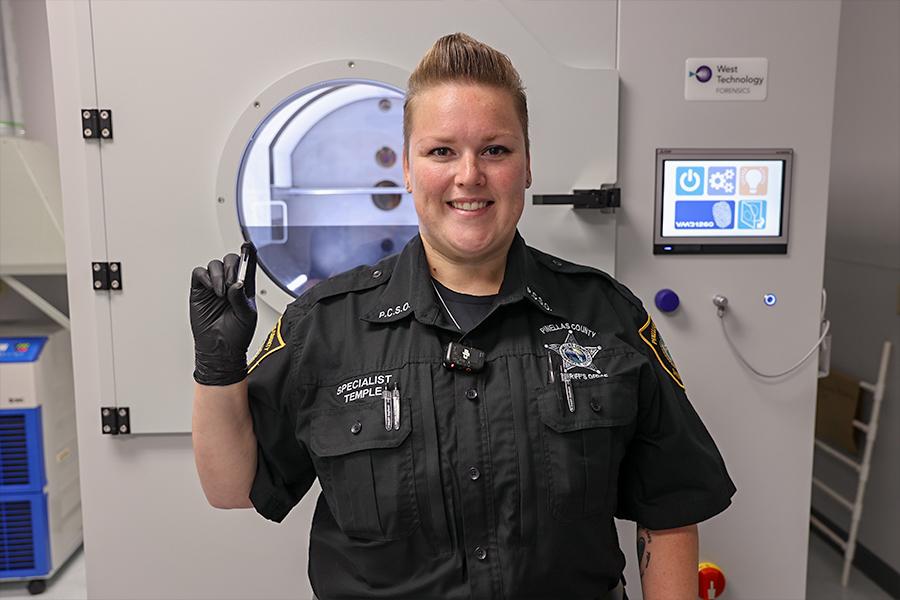
According to NOPE (Narcotics Overdose Prevention and Education) Pinellas, someone in our county dies of a drug overdose every 32 hours. It’s not just addicts who are dying, but people in search of a recreational high, people looking to self-medicate, or even innocent children exposed to narcotics. PCSO is working every day to stop dealers and get fentanyl off the streets.
|