New Year, New Energy Information Sources! | | |
As rewarding as teaching about energy is, one challenging aspect can be finding reliable, up-to-date, and geographically relevant energy information. The pace of change in the energy sector can be dizzying, even for us as energy educators.
While we encourage students to research energy assumptions and think critically about different energy ideas, it remains important to remind students to find reputable sources for their arguments. “I saw it on TikTok” or “ChatGPT told me” aren’t great sources. But what is a good source?
We live in a polarized moment where the question of reputable sources is itself a source of some contention. But we wouldn’t be in education if we didn’t believe in finding and disseminating the best, most accurate information we can.
| | Have a site you’d recommend we add to the collection? Let us know! | | Renew Our Schools Announces Fall Winners | | |
We are excited to announce the winners of the Fall 2025 Renew Our Schools energy conservation competition. EAGLE School of Madison won the Novice Cohort and Golda Meir School Upper Campus of Milwaukee won the Alumni Cohort. Congratulations to both schools on their outstanding achievements and commitment to energy conservation!
Both winning schools embody the mission of Renew Our Schools - empowering students, educators, and families to use data, collaboration, and creativity to modify habits and plan energy conservation and efficiency upgrades in the buildings they inhabit.
| | |
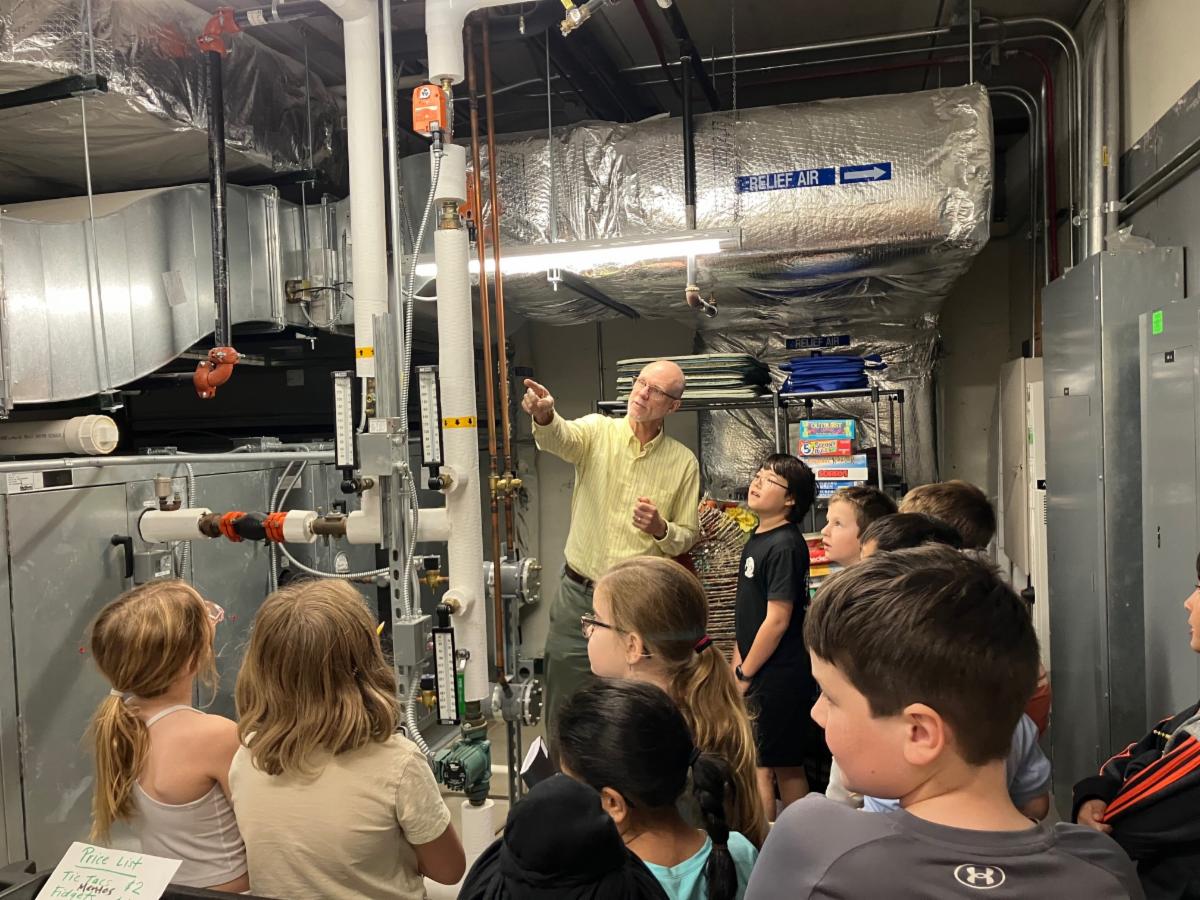
EAGLE School of Madison earned it's title through hands-on investigation, careful observation, and student-driven energy problem solving. Using the results of their energy audit, EAGLE School set clear, measurable goals and made great progress on them by the end of the competition.
| |
Competition Goals
- Identify at least three “hot spots” and three cooling spots across campus. Hot spots included unshaded parking lots near doors, south-facing windows, and the dark roof. Cooling spots included shaded windows, lighter-colored entrances, tall grassy areas with moist soil, and fully shaded areas near entrances.
- Identify at least 20 appliances that use phantom (standby) power within the school by the end of week two. Sixteen were identified and this effort became part of the school’s new energy policy – unplug devices when not in use.
- Identify at least 10 areas where heat is lost through the school’s membrane due to wind exposure, leaks, or exposed surfaces by the end of the competition. They did this and ranked them in order of importance for future maintenance improvements.
| | |
Golda Meir School Upper Campus earned the Alumni Cohort title through thoughtful analysis of their energy data and a clear, actionable plan to educate students and conserve energy throughout their building. Golda Meir Upper Campus set ambitious goals focused on education, family engagement, and building-level change.
| |
Competition Goals
- Teach lessons in high school classes introducing the eGauge and helping students identify impactful actions they can take at school and at home. This effort got underway during the competition and there are plans for continued classroom visits.
- Increase the number of families ordering and using Focus on Energy savings kits, with demonstrations and discussions at monthly PTO meetings and in classrooms.
- Initiate a plan to reduce energy use by redesigning hallway lighting—either by reducing the number of fixtures or transitioning to more sustainable lighting options. The team plans to work with the building engineer to explore removing excess hallway lights.
| | Congratulations to the six teams receiving Green Team Mini-Grants this fall! | | Amherst Middle School Team Cyclepaths | |
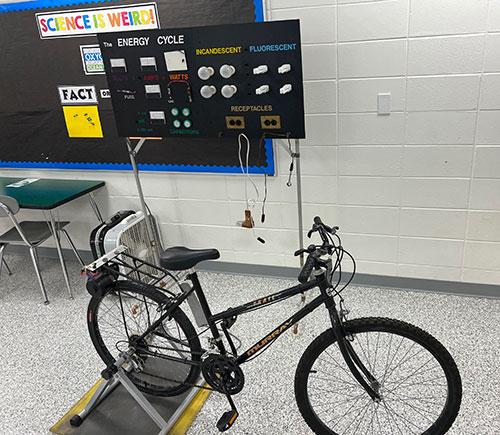
“The Cyclepaths would like to retro fit an existing pedal power bike display to also be used as a Chromebook charging station. This bike will be available to all current and future 5-7th grade students. Because it doesn’t cost much to charge a Chromebook, this will be more of an educational piece. Students will be able to see the calculations used to determine a percentage of a charge for their Chromebook, and 'feel' how much effort they need to create electricity.”
| | |
Interested in learning how your school can get involved?
Another round of Mini-Grants is available this spring!
Join a virtual information session on February 2 or 4, 2026, at 4 p.m.
| | | Evansville High School Green Team | |
“Our project uses a thermal imager to find heat leaks around school doors and windows. We’ll install new weather stripping and apply caulk to seal gaps. These fixes will reduce energy loss, lower heating and cooling costs, and shrink the school’s carbon footprint while improving comfort for everyone.”
| Glen Hills Middle School NASA STEM Club | |
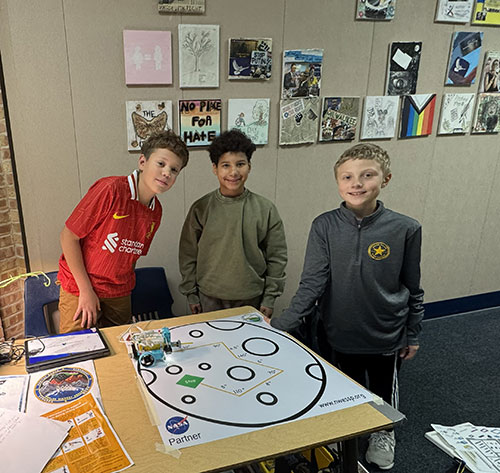
“NASA STEM CLUB students would like to use the LEGO SPIKE kits to brainstorm and develop creative solutions for a sustainable environment. It is a great way to educate hundreds of students on renewable energy sources, as the digitized processes help reduce paper consumption and use reusable LEGO parts and smart devices to manage energy use.”
| Homestead Academy Zimmers | |
“We plan on creating a solar house that is a good representation of a modern country. The idea of that is so people, both kids and adults can really put the use of solar in perspective, to what is very similar to their house. We are also making a windmill and our goal is to again teach others about how powerful these types of powers can be. Along with us teaching is also learning, which I’m sure our team, will learn lots more about solar and wind, and whatever else comes with such a project.”
| Mount Horeb High School Green Team | |
“This Anti-Idling campaign is aimed to reduce car idling in the student parking and staff parking lots, but also in the student pick up lines! We intend to create sustainable and long-lasting signs in this campaign to spread the message for classes to come. We also hope to spread awareness through daily announcements, social media posts, videos, lessons to the high school students, as well as lessons to elementary and middle school students. This way we can spread our message to people of all ages.”
| Randolph High School Educators Rising Club | |
“Traditional power strips provide multiple outlets, but lack energy management features. Replacing Randolph teachers’ main computer power strips with smart models will allow automatic shutoff or timed scheduling of devices, ensuring energy is used only when necessary. Smart power strips reduce greenhouse gas emissions. Decreasing electricity use by just 1,000 kilowatt-hours can prevent nearly 1,500 pounds of carbon dioxide from entering the atmosphere.”
| | Upcoming Professional Development Opportunities | | Last month, we shared how KEEP is working to bring energy education to pre-service educators. Want to dive deeper? In November, we presented about this initiative at the North American Association for Environmental Education (NAAEE) virtual conference. During the session, we showcased a video highlighting how we inspire future teachers to integrate energy topics into their classrooms. | | Did someone forward you this email? | | The KEEP program is funded with generous support by Alliant Energy, Madison Gas and Electric, We Energies, Wisconsin Public Service, WPPI Energy, and Xcel Energy. | | | | |