News from the Watershed 

February | 2026

New York’s steepest river is rich in history, recreation, working landscapes and habitat. BRASS is working to enhance them all.

New projects, Conservationist of the Year, & our first Exec Director, Robin Ulmer

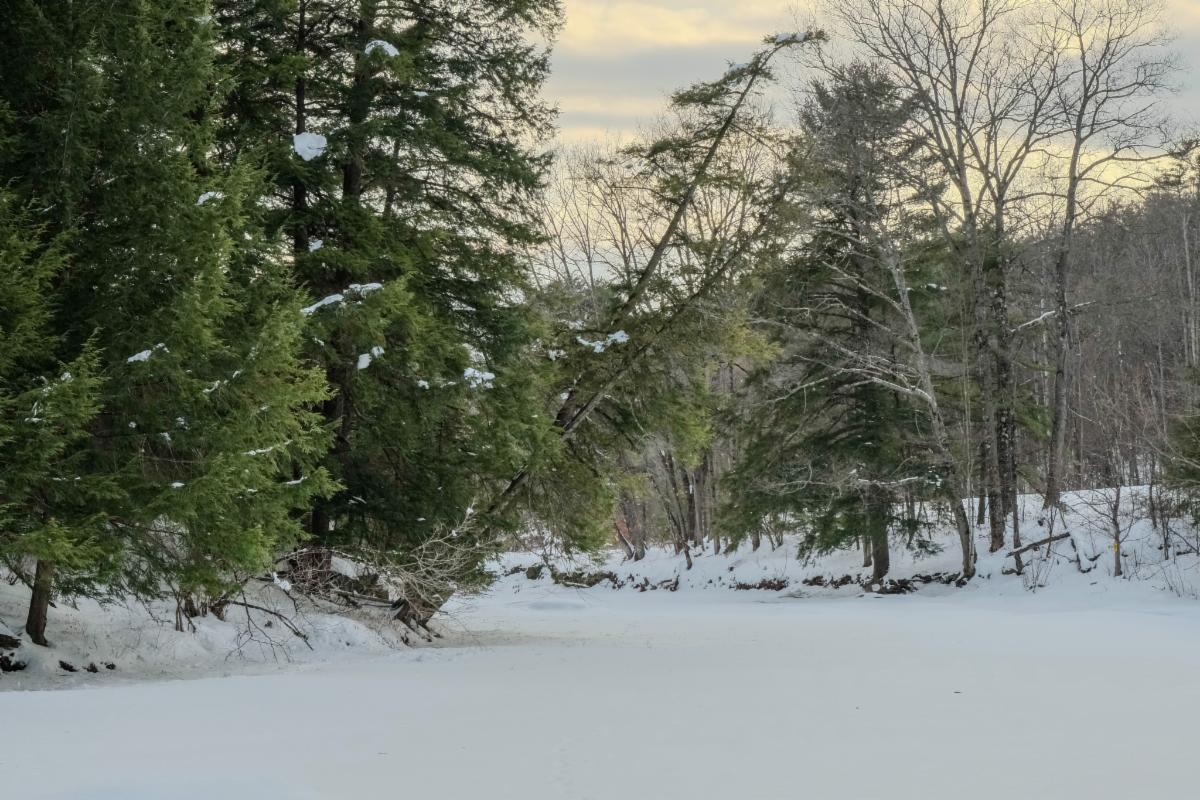
Our river is thriving under ice & snow!

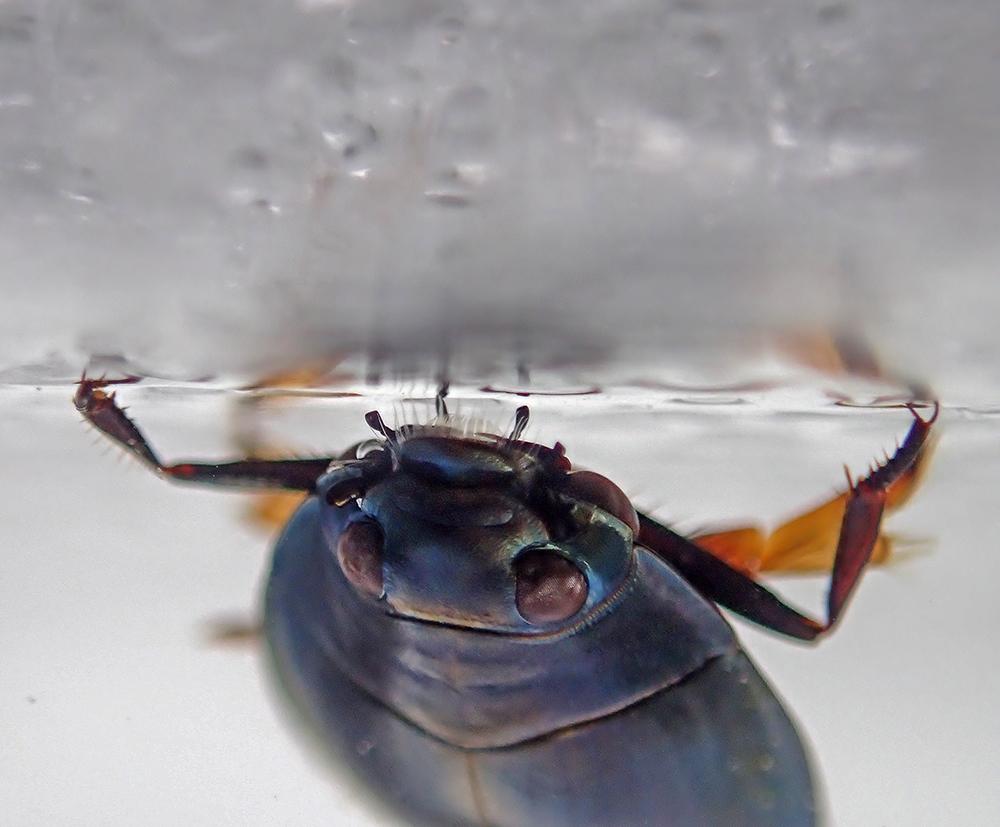
Underneath the ice, the amphibians, fish and aquatic insects are biding their time, with their oxygen intake and metabolic rates dramatically slowed down. Beavers, otters, and mink alternate their travel above and below, keeping a watchful eye out for predators who can move quickly over winter's thick ice. Insects like this beetle were photographed under a Maine lake by a naturalist keen to discover what happens in the "upside down". Click those links for a deeper dive.

A whirligig beetle (family Gyrinidae) on the ice undersurface shows off its split eyes for looking above and below the water at the same time. (Photo by Edwin Barkdoll)

A whirligig beetle (family Gyrinidae) on the ice undersurface shows off its split eyes for looking above and below the water at the same time. (Photo by Edwin Barkdoll)

New projects!

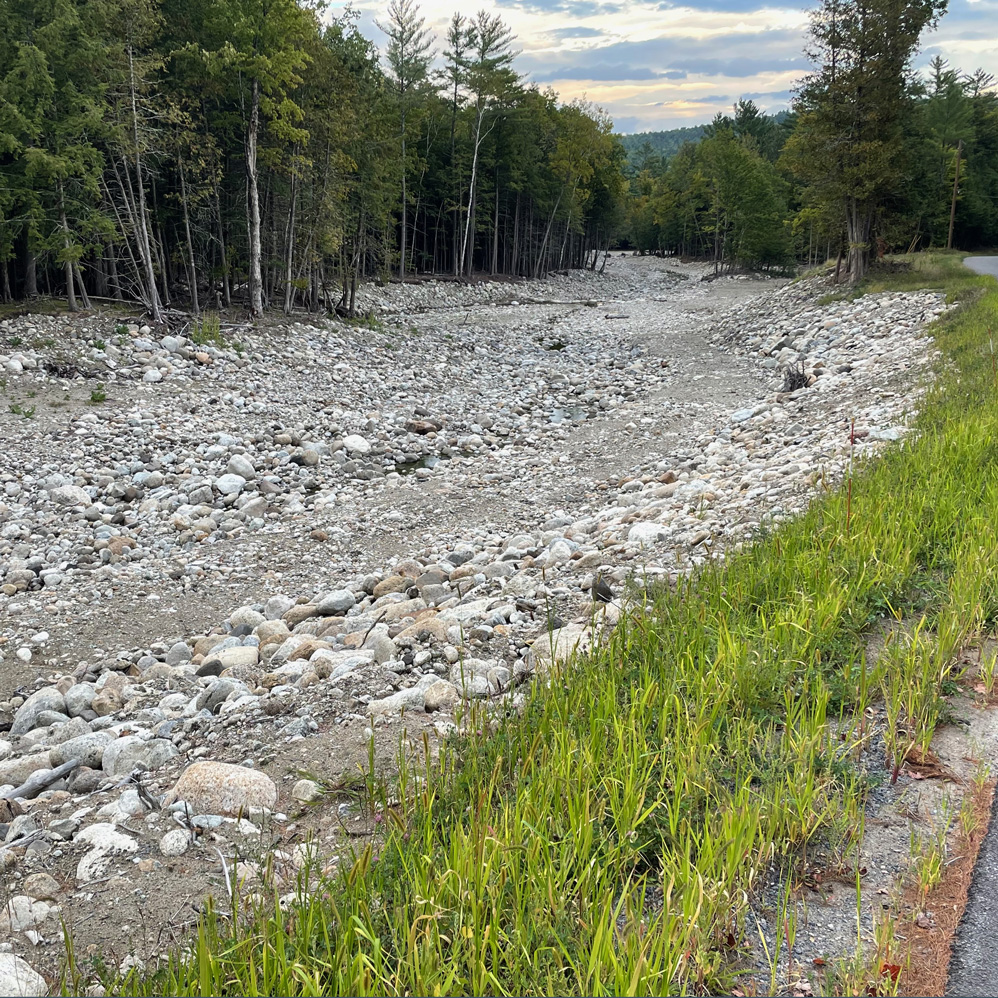
Roaring Brook where 2024 floods wiped out forest and left a "moonscape" behind.

Roaring Brook


BRASS has secured funding from the Lake Champlain Basin Program to revegetate the banks of Roaring Brook in New Russia where floods in 2024 tore out hundreds of mature trees and sent topsoil spinning down the river. This work will span 2026 and 2027 with help from our partners at Essex County Soil & Water Conservation District, the Town of Elizabethtown and the US Fish & Wildlife Service.

Thrall Dam Park & Beaver Brook


Building on the recent grant from the Town of Lewis, BRASS was awarded further funding from NYS DEC to conduct habitat and stream assessments, manage invasive species, repair eroded trails and restore fish and game habitat in the brooks and in the riparian areas around them. The Beaver Brook work extends our projects on the Westport/Essex line near Split Rock Wild Forest.

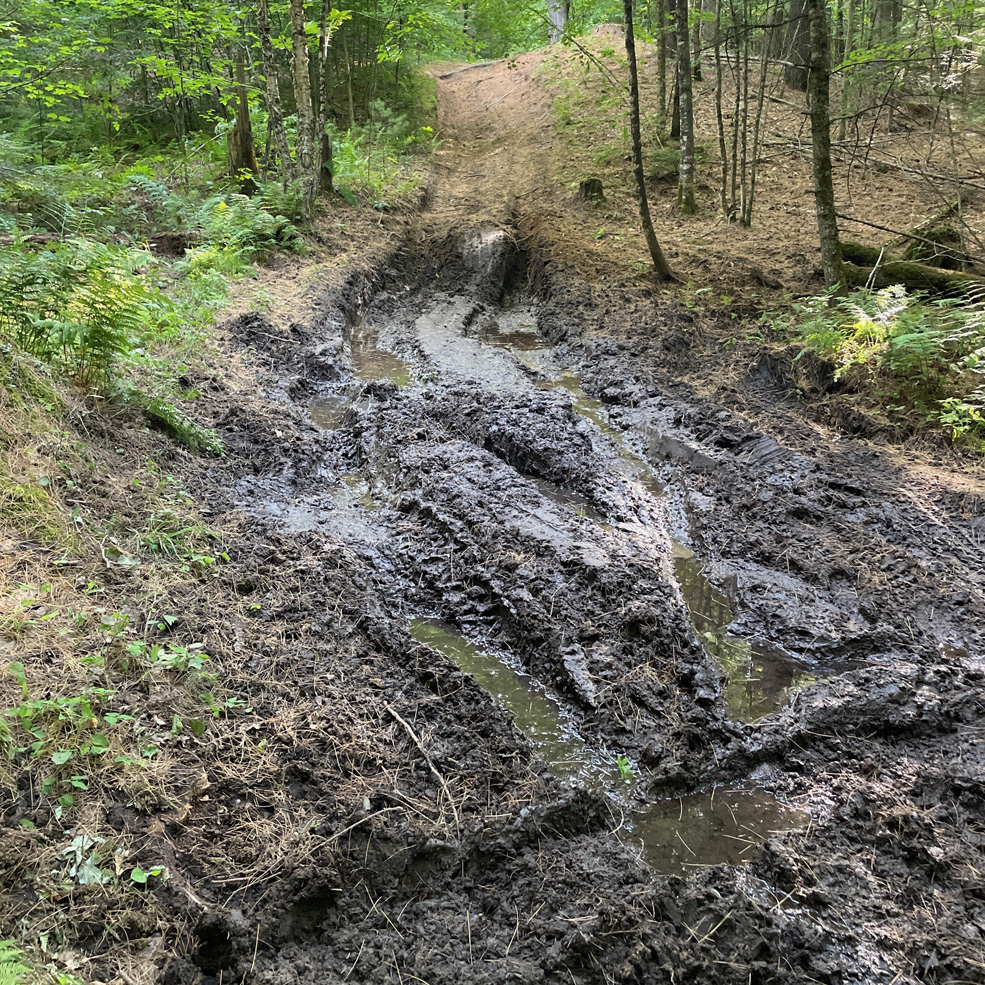
Eroded trails in Thrall Dam Park contribute to water quality issues in Burpee Brook.

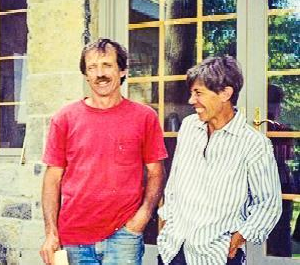
Robin and Al Ulmer at their Essex home.

BRASS' unstoppable first Executive Director


Robin Ulmer, the first Executive Director of our organization passed away on December 29th, 2025. She was the driving force for our organization for 15 years, planting trees with Moriah Shock workers (270,000 of them!), running erosion and invasive species projects, publishing bicycling, hiking and canoeing guides, hosting trashy art contests, leading canoe rambles, creating trail and park plans in our communities and more. She showed us what fearless leadership and a tiny, community-centered nonprofit can do for the river and its inhabitants.


We've collected wonderful remembrances from our Board members and her daughter, Spring that you can read here: Remembering Robin Ulmer

Vic Putman - Conservationist of the Year

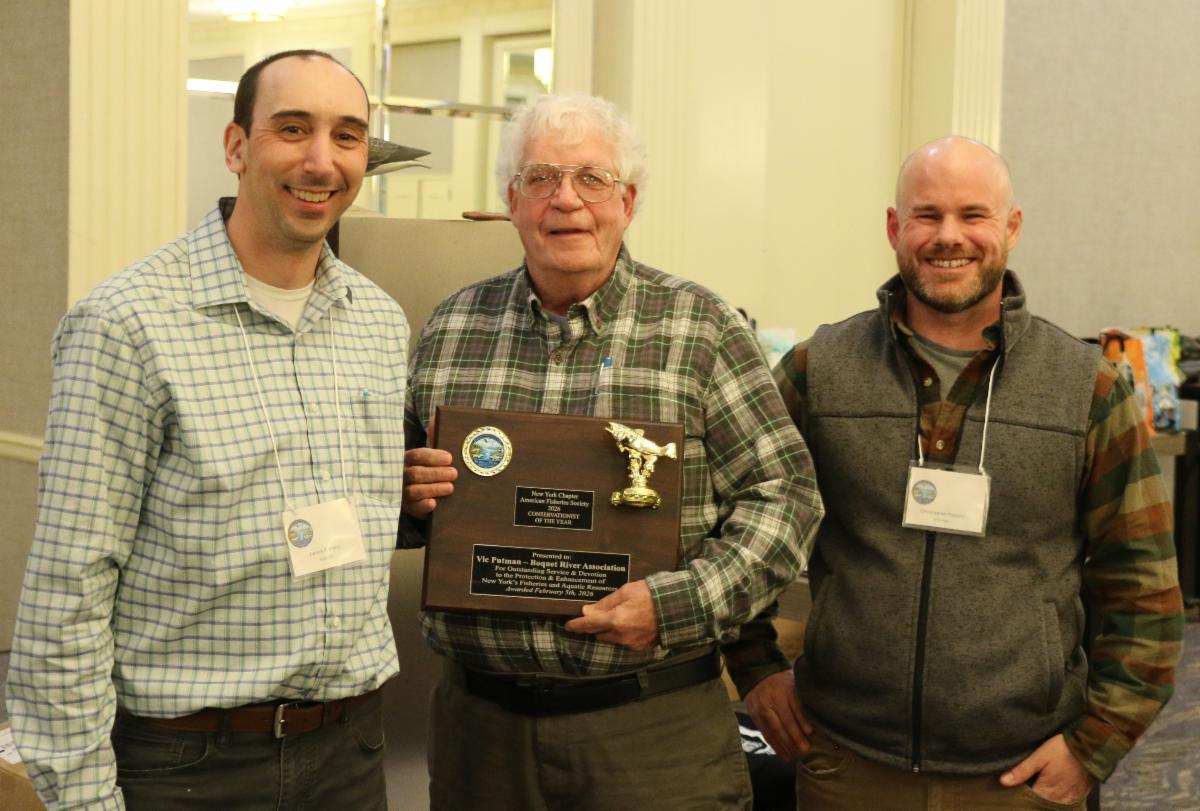
Vic with Jim Pinheiro (L) and Christopher Powers (R) from the American Fisheries Society and NYSDEC Fisheries team.

BRASS President Victor Putman received the American Fisheries Society "Conservationist of the Year Award" in February for significant achievements by an individual not in the Fisheries field. The award cited Vic's service on both the Greater Adirondack Resource Conservation Development Council and the Champlain Watershed Improvement Coalition of New York. Those organizations improved trout and salmon fisheries by reducing erosion and removing dams including the Willsboro Dam in 2015. More importantly, the Society recognized Vic's time volunteering with BRASS since its inception in 1984 and, in particular, his role in revitalizing the organization over the last five years. BRASS' resurgence has led to multiple stream restoration and aquatic reconnection projects in all five towns of the Boquet watershed. We couldn't agree more with the AFS's appraisal of Vic's tireless efforts on behalf of the river and our communities. We're very lucky to have him at the helm!

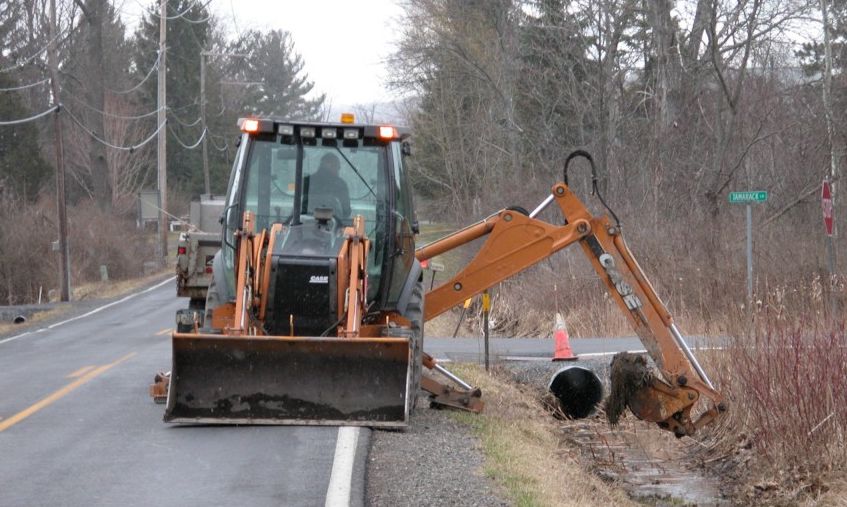
Best practices for roadside ditches? Yes! BRASS is thinking about this.


Did you know that those ditches beside every road double the number of stream miles in your town? That's right, for every mile of river or creek, there is a mile of straight-line ditch channeling runoff to the nearest water body. Ensuring that those ditches function correctly for road maintenance and for water quality is the responsibility of our Town, County and State Highway Departments. (They have sometimes been called the "Department of Public Water" for their critical role maintaining surface and drinking water quality.) BRASS is happy to be hosting a Cornell Local Roads Program workshop for Essex County road crews to bring us all up to speed on the latest best practices for ditching. This will mean less sediment reaching our streams, rivers and lake. If you want to take a dive deep into the water quality implications of ditches, we heartily recommend Rebecca Schneider's video called "Replumbing Roadside Ditches". (She gives a great overview of watersheds and flood risk in the first 14 minutes, but if you're eager to get to ditches... start after that.)

What we're reading (and watching) now


lcbp.png
neiwpcc1.jpg
Facebook  YouTube