|
|
Thursday, February 13, 2025
| |
Twice the impact...
A $3000 challenge grant gives you the opportunity to make twice the impact with your support of the MDF eNewsletter and keep it free for everyone! Click here to contribute today and learn how you can help us reach our goal!
| | | |
Direct nose-to-brain delivery of dopamine is company’s goal | | |
|
|
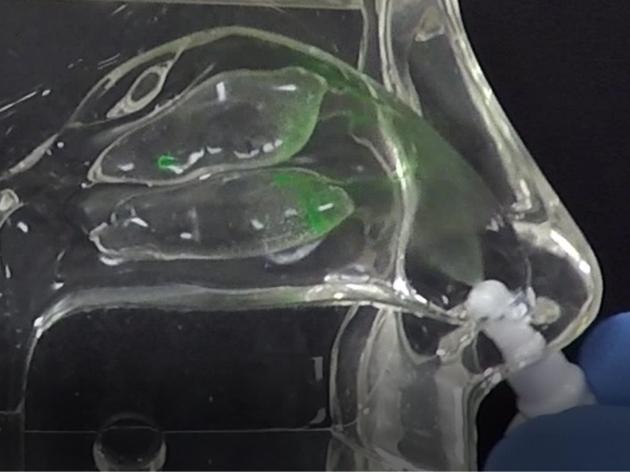
An Australian company announced that it is working on a direct, nose-to-brain way of delivering dopamine that might more effectively treat Parkinson’s disease.
PreveCeutical anticipates that this approach, based on what it calls a sol-gel solution that turns into a gel once in contact with mucosa tissue — the inner layer of the nasal cavity — will be safe and effective at getting dopamine or levodopa, a standard disease treatment, directly into a person’s brain.
| |
The approach, using the company’s proprietary Nose to Brain Sol-Gel delivery platform, also is expected to be longer lasting and to have fewer of the side effects associated with systemic oral delivery. “Once the program has successfully infused Dopamine and/or L-Dopa into the Sol-Gel platform, with [proof of concept] demonstrated in a preclinical model, we will explore partnerships with corporations and/or organizations who specialize in the field of Parkinson’s disease,” said Stephen Van Deventer, PreveCeutical's chairman and CEO. Click here to learn more. | |
New study reveals how DNA repair genes play a major role in Huntington’s disease | |
|
A new UCLA Health study has discovered in mouse models that genes associated with repairing mismatched DNA are critical in eliciting damages to neurons that are most vulnerable in Huntington’s disease (HD) and triggering downstream pathologies and motor impairment, shedding light on disease mechanisms and potential new ways to develop therapies.
A longstanding enigma in Huntington’s disease is how the mutated protein derived from the huntingtin gene is present in every cell of the body, but the disease appears to selectively affect certain types of neurons in a few brain regions. The new study reveals that a distinct subset of mismatch repair genes are key drivers of HD and how the disease affects specific types of neurons.
“We demonstrate the same DNA mismatch repair genes that are modifiers in [HD] patients can drive fast-paced disease processes only in the most vulnerable neurons in a mouse model, leading to a cascade of disease phenotypes,” said lead author Dr. X. William Yang. Click here to learn more.
| |
Evaluating new treatment approach for Tourette syndrome | |
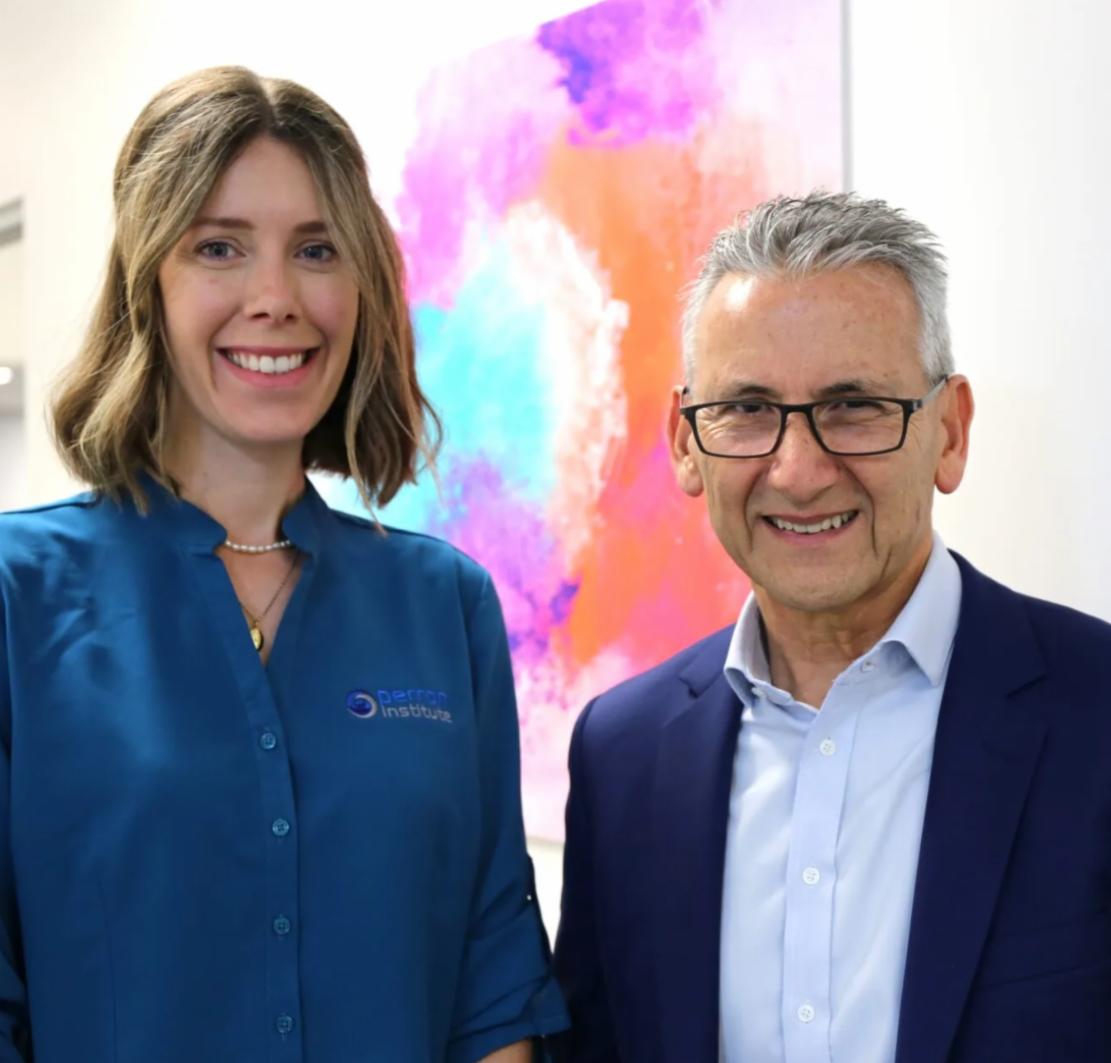
A pilot study conducted at Western Australia’s Perron Institute investigated the effectiveness of a novel behavioral intervention to reduce symptoms in Tourette syndrome. “The approach taken in our study combined elements of Habit Reversal Therapy (HRT), a well-known and effective behavioral intervention known to improve tic symptoms, with Acceptance and Commitment Therapy (ACT), an acceptance and mindfulness-based psychological intervention” said Perron Institute Research Psychologist Jennifer Eisenhauer. “Combining these two existing therapies is novel and has only been investigated in one other study. | |
|
“In our pilot study involving 11 participants recruited through outpatient neurology clinics in Perth, we found that the HRT + ACT intervention effectively reduced tic severity among participants, with benefits lasting 12 months,” continued Eisenhauer. “The study will provide data for a future randomized controlled trial.” Click here to learn more. | |
Plant compound eases motor, cognitive symptoms in mice | | |
|
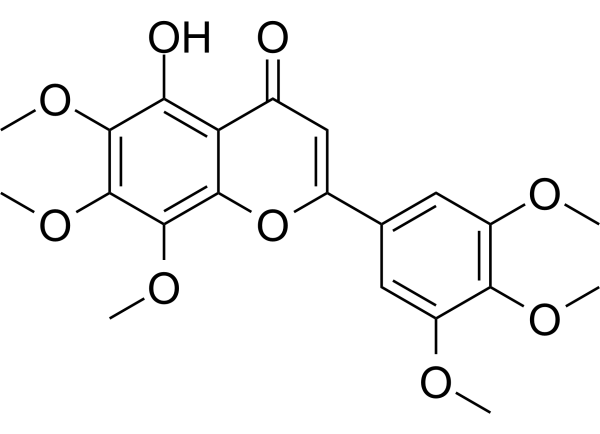
Gardenin A, a compound found in a common South Asian shrub, lessened both cognitive and motor symptoms of Parkinson’s in a mouse model of the disease, according to a new study. The compound reduced the loss of dopaminergic neurons — nerve cells that are gradually lost in Parkinson’s— and decreased the levels of phosphorylated alpha-synuclein. Gardenin A seemed to work by increasing antioxidant responses and lowering brain inflammation, the researchers said. | |
|
A previous study from the same team tested a range of flavonoids — naturally occurring compounds found in various plants, fruits, and vegetables — in a toxin-induced fruit fly model of Parkinson’s disease. “Much of the [study's] focus was on flavonoids, but we didn’t know why they provided [a] protective effect,” said Lukasz Ciesla, PhD, professor at the University of Alabama and senior author of the study.
Researchers then found that gardenin A, a flavonoid found in gardenia, a type of flowering shrub common in South Asia, reduced the loss of dopaminergic neurons in flies. A similar compound, gardenin B, did not induce neuroprotection. Click here to learn more.
| |
New research uncovers brain changes in Parkinson’s disease | |
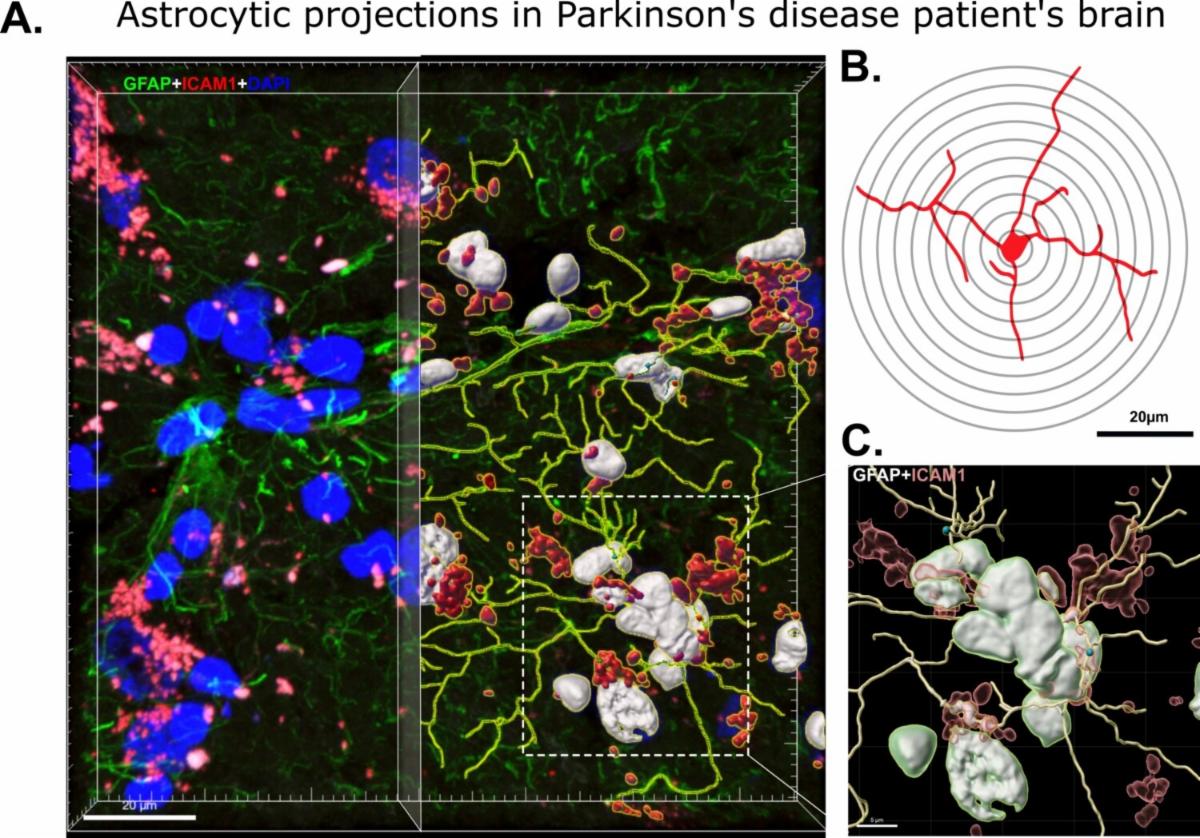
A recent study by scientists at Karolinska Institutet has provided new insights into brain changes in Parkinson’s disease (PD). The research focused on reactive astrogliosis, a process involving changes in brain cells called astrocytes. Reactive astrogliosis is a response of astrocytes to brain injury and inflammation. Despite its importance, the role of reactive astrogliosis in Parkinson’s disease is not well understood due to a lack of specific biomarkers. | |
|
|
The research team, led by Amit Kumar, examined brain tissue from PD patients and healthy individuals. They used techniques like radioligand binding and postmortem brain imaging to study how recently developed brain imaging tracers BU99008 and Deprenyl showed distinct binding patterns in Parkinson’s patient’s brains compared to healthy controls.
“These findings are crucial as they provide a better understanding of the role of reactive astrogliosis in Parkinson’s disease,” says Kumar. “By using these novel tracers, we can now study these changes in greater detail, which could lead to new diagnostic interventions and treatments.” Click here to learn more.
| |
|
|
Missed an issue? Click here to access our online archive of eNewsletters.
Forward MDF eNews to friends and family. Click here to receive future issues and learn more about MDF!
| | | | | | |