|
International Civil Liberties Monitoring Group
Coalition pour la surveillance internationale des libertés civiles
April 25, 2026 - 25 avril 2026
| Bimonthly news round-up about national security's negative impact on civil liberties in Canada and abroad | | Civil Society to Parliament: Kill Bill C-22 | | More than 25 leading rights and privacy organizations and experts call for full withdrawal of the Lawful Access Act, warning it would be “the most expansive invasion of Canadian privacy rights in modern history.” | | |
ICLMG et al. 21/04/2026 - Today, a group of 14 civil liberties, refugee rights, academic, and digital rights organizations — joined by 15 of Canada’s most prominent privacy scholars and legal experts — delivered an open letter to Prime Minister Mark Carney and every Member of Parliament, calling for the full withdrawal of Bill C-22, the Lawful Access Act. Bill C-22 updates and reintroduces controversial law enforcement powers first proposed in last year’s Bill C-2, the Strong Borders Act. On April 20, C-22 was referred to the House of Commons Standing Committee on Public Safety and National Security (SECU) for detailed study. During the 2nd Reading debate, several MPs from across the political spectrum raised concerns about the bill’s impact on privacy and civil liberties.
Today’s letter sounds the alarm on sweeping new powers in Bill C-22 that would let the government force any digital service — telecoms, messaging apps, cloud services, AI tools, even “smart” devices — to record and retain up to a full year of detailed metadata on every person in Canada and abroad, including physical location data and who they interact with online.
The group warns that Part 2 of Bill C-22 remains, at its core, a mass surveillance capability regime. It would compel an enormous and poorly defined set of “electronic service providers” to build surveillance backdoors into their products. Backdoors significantly weaken everyone’s digital safety, and their use cannot be limited to Canadian law enforcement alone. Hostile states, cyber criminals and anyone equipped by increasingly capable AI hacking capabilities will use the same backdoors. The 2024 Salt Typhoon attack on U.S. telecommunications networks — declared a “national defence crisis” — succeeded by targeting exactly the kind of government-mandated backdoors Bill C-22 would now require.
The letter acknowledges narrow improvements over the bill’s predecessor, Bill C-2, but concludes they do not address Bill C-22’s fundamental flaws, while also introducing new threats to privacy. The signatories are calling on all MPs to reject Bill C-22, and on the government to commit to meaningful, evidence-based public consultation before bringing forward future lawful access proposals.
Letter signatories include the British Columbia Civil Liberties Association, the Canadian Anti-Monopoly Project, the Canadian Association of University Teachers, the Canadian Civil Liberties Association, Canadian Muslim Public Affairs Council (CMPAC), the Canadian Council for Refugees, Centre for Free Expression, Clinique pour la justice migrante, the International Civil Liberties Monitoring Group, la Ligue des droits et libertés, Migrant Workers’ Alliance for Change, OCASI, OpenMedia, and individual experts including Ron Deibert (Director, Citizen Lab), Teresa Scassa (Canada Research Chair in Information Law and Policy), and Michael Karanicolas (Dalhousie University).
Press quotes
“This legislation presents one of the greatest threats to privacy in Canada of the past two decades. Its provisions will weaken the rules governing police access to personal information, all while facilitating a vast expansion of government surveillance. This is another clear case of the decades-long trend of governments using national security as an excuse to erode civil liberties and human rights, just as we saw throughout the so-called ‘war on terror.’ We are encouraging all members of parliament to oppose these new powers,” said Tim McSorley, national coordinator of the International Civil Liberties Monitoring Group, a Canadian coalition devoted to defending civil liberties in the context of anti-terrorism and national security.
“Bill C-22 is even more dangerous than the bill it replaces. The government has quietly added a requirement for hundreds of digital services to build a year-long record of where you go, who you talk to, and when you do it — on millions of people who aren’t suspected of anything. Canadians were never asked about this, and they deserve much better than having it slipped in under the radar.” – Matt Hatfield, Executive Director of OpenMedia, Canada’s grassroots advocacy community that fights for an open, accessible and surveillance-free Internet. Source
Letter in English: Joint Call for the Withdrawal of Bill C-22
Lettre en français: Appel conjoint au retrait du projet de loi C-22
UPDATED ACTION Tell the SECU committee to Stop Bill C-22 and its expansion of the surveillance state!
ACTION MISE À JOUR Dites au Comité SECU : Arrêtez C-22 et le renforcement de l’État de surveillance!
Lawful Access is back: All about Bill C-22 (Spoiler alert: Part 2 is very troubling.) - Video by Privacy Lawyer David Fraser
| | LDL: De nombreuses voix s’élèvent contre le projet de loi fédéral liberticide C-9 | | |
Le Soleil 14/04/2026 - En septembre 2025, le gouvernement fédéral a déposé le projet de loi C-9, Loi visant à lutter contre la haine, qui est maintenant à l’étude par le Sénat.
La haine et l’intolérance envers des groupes historiquement discriminés au sein de notre société est un problème grave auquel il est urgent de répondre. Mais le projet de loi C-9 porte en fait un nom trompeur, car il ne permet pas de lutter efficacement contre la haine.
C-9 crée plutôt de nouvelles infractions criminelles qui risquent de porter gravement atteinte aux libertés civiles protégées par les chartes québécoise et canadienne, et de criminaliser des manifestations pacifiques.
Au Québec, plus de 90 organisations de la société civile s’inquiètent du projet de loi C-9 et en demandent le retrait. Sur le plan international, le Comité des droits de l’homme des Nations unies s’est récemment dit préoccupé par les conséquences de C-9 sur l’exercice des libertés d’expression et de réunion pacifique.
C-9 criminalise le fait de «fomenter volontairement la haine» par l’exposition publique (dans la rue, les réseaux sociaux, etc.) d’un symbole qui est «principalement utilisé par une entité inscrite à la liste des entités terroristes» ou «à ce point semblable à un tel symbole qu’il est susceptible d’en être un».
Des termes aussi vagues laissent une grande place à l’arbitraire dans l’application de la loi, d’autant plus que le processus d’inscription sur la liste canadienne des organisations terroristes manque de transparence et répond entre autres à des motifs politiques. Cette liste comprend 90 organisations et elle ne cesse de s’allonger.
Si C-9 est adopté, exhiber un symbole associé à une lutte de libération nationale dans une manifestation pacifique, par exemple celui d’une organisation tamile, kurde ou palestinienne, pourrait injustement exposer les manifestant·es à des accusations criminelles.
À ce sujet, le Comité des droits de l’homme des Nations unies a déclaré qu’il s’inquiète d’une «éventuelle instrumentalisation d’une définition vague de ce qui constitue un symbole terroriste et de son utilisation abusive potentielle pour réduire au silence les militants dissidents».
C-9 criminalise aussi le fait «d’agir de quelque manière que ce soit dans l’intention de provoquer la peur chez une personne afin d’entraver son accès» à plusieurs lieux dont ceux servant principalement à des fins de culte religieux, à un cimetière, ou à des lieux utilisés principalement par un groupe identifiable. Il serait également criminel « d’empêcher ou de gêner intentionnellement» l’accès à ces lieux.
Ces nouvelles dispositions ouvrent la porte à la criminalisation de manifestations pacifiques à proximité de dizaines de milliers de lieux au Canada.
La nouvelle infraction d’intimidation est définie de manière si large et vague qu’elle pourrait viser des paroles et des rassemblements pacifiques protégés par nos chartes.
Cette nouvelle infraction pourrait empêcher des travailleur·euses de manifester près de leur propre employeur. Cela les priverait également de la possibilité d’exprimer leur désaccord dans des situations où elles sont confrontées à des déséquilibres de pouvoir. Des manifestations qui se déroulent à un endroit donné, non pas en raison de la nature du lieu, mais d’un événement qui s’y déroule, pourraient aussi être directement visées par la nouvelle infraction créée par C-9.
Pensons, par exemple, à des manifestations survenues en 2024 qui dénonçaient des mises aux enchères de terres palestiniennes en Cisjordanie occupée organisées dans des synagogues. Ces manifestations, tenues à l’extérieur de l’événement, avaient pour objectif de dénoncer des pratiques illégales en vertu du droit international. Le lieu de la manifestation était choisi en raison des activités illicites qui se déroulaient à l’intérieur, et non du fait qu’il s’agissait d’un lieu de culte.
Des pressions inquiétantes
La recrudescence de l’antisémitisme et d’autres discours haineux est un problème réel qui requiert des interventions.
Mais il est très préoccupant que l’ambassadeur d’Israël à Ottawa, Iddo Moed, ait récemment déclaré qu’il faut réduire les libertés civiles au Canada pour mieux lutter contre l’antisémitisme.
Cette déclaration s’inscrit dans une perspective qui confond et amalgame les critiques à l’égard d’Israël à de l’antisémitisme, une posture partagée par d’autres groupes au Canada qui font pression pour l’adoption de C-9. Ces interventions font craindre que l’un des objectifs de C-9 est de faire taire des voix critiques des crimes commis par Israël, dont le génocide en cours du peuple palestinien.
Des exemples alarmants
En matière de dérive sécuritaire, le Royaume-Uni offre un exemple saisissant. Les défenseurs des libertés civiles s’inquiètent du fait que la police s’appuie sur de larges pouvoirs de maintien de l’ordre public pour détenir des personnes (parfois jusqu’à trente par jour) qui publient des tweets «offensants». Les autorités laissent les citoyen·nes dans l’ignorance quant aux propos prononcés, publiés ou «likés» qui leur valent d’être conduit·es derrière les barreaux.
Par ailleurs, après avoir désigné «entité terroriste» le groupe d’activistes Palestine Action en juillet 2025, qui avait perturbé les installations du fabricant israélien d’armes Elbit Systems, le Royaume-Uni a procédé à l’arrestation de centaines de citoyen-nes pacifiques, dont des personnes âgées, des personnes en situation de handicap et des vétérans, pour le simple fait d’avoir affiché une bannière ou un vêtement avec la mention « I oppose genocide, I support Palestine Action ».
Le projet de loi C-9 représente un recul injustifié pour la liberté d’expression et le droit de manifester au Canada et au Québec.
Ce projet de loi doit être retiré, et les parlementaires devraient s’atteler à de véritables mesures pour lutter contre la haine. Source
ACTION Le Sénat doit bloquer C-9 et protéger nos droits!
ACTION Senators must stop C-9 and protect our rights!
Cops keep showing up to arts events about Palestine. What can organizers do?
| | Canada is cancelling thousands of asylum claims. It’s leaving this man and many other migrants stuck in limbo here | | |
The Toronto Star 23/04/2026 - With uncertainty hanging over his refugee status in the U.S., Jean left behind his wife and their months-old baby in December to seek asylum in Canada.
The 33-year-old Haitian man found a place to stay and secured a delivery job for a bakery in Montreal. His family was going to cross the border and join him in late March.
Little did he know a storm was coming that would not only jeopardize his own status in Canada but also his hopes of reunification.
Although Jean had made a refugee claim here in January, it has been terminated under Canada’s new asylum eligibility rules that took effect on March 27, designed to reduce pressure on the refugee system and deter temporary residents with expiring status from claiming asylum as a shortcut to immigrating.
Just hours before the rules became law, his wife — unaware of the imminent changes — and their nine-month-old son arrived at a Canadian official port of entry in Quebec to seek admission based on his pending claim. They were held overnight for paperwork but sent back to the U.S. the next day because Jean is no longer a qualifying claimant.
“I was really excited to be able to reunite with my family,” said a distraught Jean, who says he fled lawlessness and gang violence in Haiti for protection in the U.S. in early 2024. The Star is withholding his last name for the safety of his mother and siblings back home. “Unfortunately it didn’t work out that way.”
Under the Strengthening Canada’s Immigration System and Borders Act, which applies to all refugee claims made on or after June 3, 2025, claims must be made within a year of a claimant’s first arrival in Canada. Anyone who first arrived after June 24, 2020, is subject to the changes, regardless of whether they left and returned. Irregular migrants like Jean entering Canada from the U.S. between official land ports of entry on or after June 3, 2025, are denied the right to asylum.
Those deemed ineligible under the one-year ban are given 21 days to prove their eligibility, while the ones subject to the rule against irregular migrants are told outright their claims have been cancelled.
The number of new refugee claims Canada receives yearly surged in the last decade to 190,000 in 2024, though it dropped significantly to 107,800 last year as a result of the new visa requirement for Mexican travellers, tightened border enforcement regarding irregular migrants and heightened scrutiny of visa applications.
The Immigration Department said the new rules are meant to “address challenges such as sudden increases in asylum claims and situations where existing processes may be used to circumvent regular immigration pathways.” An estimated 30,000 of the 300,000 existing claimants are being notified they may now be ineligible. “You must leave Canada as soon as possible and confirm your departure with the Canada Border Services Agency,” warned the notice sent through their refugee application portal.
“If you do not leave Canada, a deportation order may be issued against you ... You may be eligible to apply for a Pre-Removal Risk Assessment (PRRA). If so, you will be issued an exclusion order, which means that once you have left Canada you will not be able to return for one year.”
The risk assessment is a review of an person’s circumstances, based on written submissions rather than an independent tribunal hearing, to determine if it’s safe for the person to return to the country they fled. Advocates were caught off guard by how speedily authorities have acted on these files, concerned that the letter fails to clearly explain the affected claimants’ rights to the risk assessment under Canada’s Charter of Rights and international law.
“Individuals should be better informed that they do not need to leave Canada as soon as possible,” said Adam Sadinsky of the Canadian Association of Refugee Lawyers. “They are entitled to and will be invited to this (risk assessment) process. And they should know that they are able to remain in Canada until that process plays out, and not encouraged to self-deport.”
A pre-removal risk assessment can only be initiated by the border agency. However, the agency does not invite people to the process if they come from one of the 22 “moratorium countries” that are deemed too dangerous to return to; there’s no point assessing their risk if they can’t be immediately removed. A quarter of the new asylum claims last year were made against these countries.
What it means is if an ineligible claimant is from Afghanistan, Haiti, Iran, Venezuela or elsewhere on this list, they will neither get a refugee hearing nor a risk assessment, but be stuck in limbo in Canada, said Jenn McIntyre of the Canada-US Border Rights Clinic.
“Jean is an example,” she said. “He is going to be in Canada for years, potentially decades without having the ability to have his risks assessed, then he will be indefinitely separated from his family in the U.S.” if his wife and child don’t get deported under President Donald Trump’s administration.
The only other option for him, added McIntyre, is to apply for permanent residence under the humanitarian and compassionate grounds, a process that currently takes more than 10 years.
In a statement to the Star, the Immigration Department said individuals whose claims are deemed ineligible and who cannot be removed will continue to have access to interim federal health coverage as well as work and study permits.
But Jean said those don’t matter if he cannot be with his wife and child, who are staying in Massachusetts.
“I did everything possible not to have to leave my home country,” said Jean, whose mother now is living in a church in Haiti, where she’s seeking refuge from violence. “I don’t know how to live without them. All we want is to make a new life in peace.” Source
Parliamentary petition: Cancel the Safe Third Country Agreement as the United States no longer meets the requirements for designation as a safe third country
Plan to bring 10,000 Uyghur refugees to Canada has little progress amid China détente
| | Canadians oppose the Middle East war. The federal government doesn’t | Canada has consistently refused to condemn the illegal and aggressive actions of the United States | | |
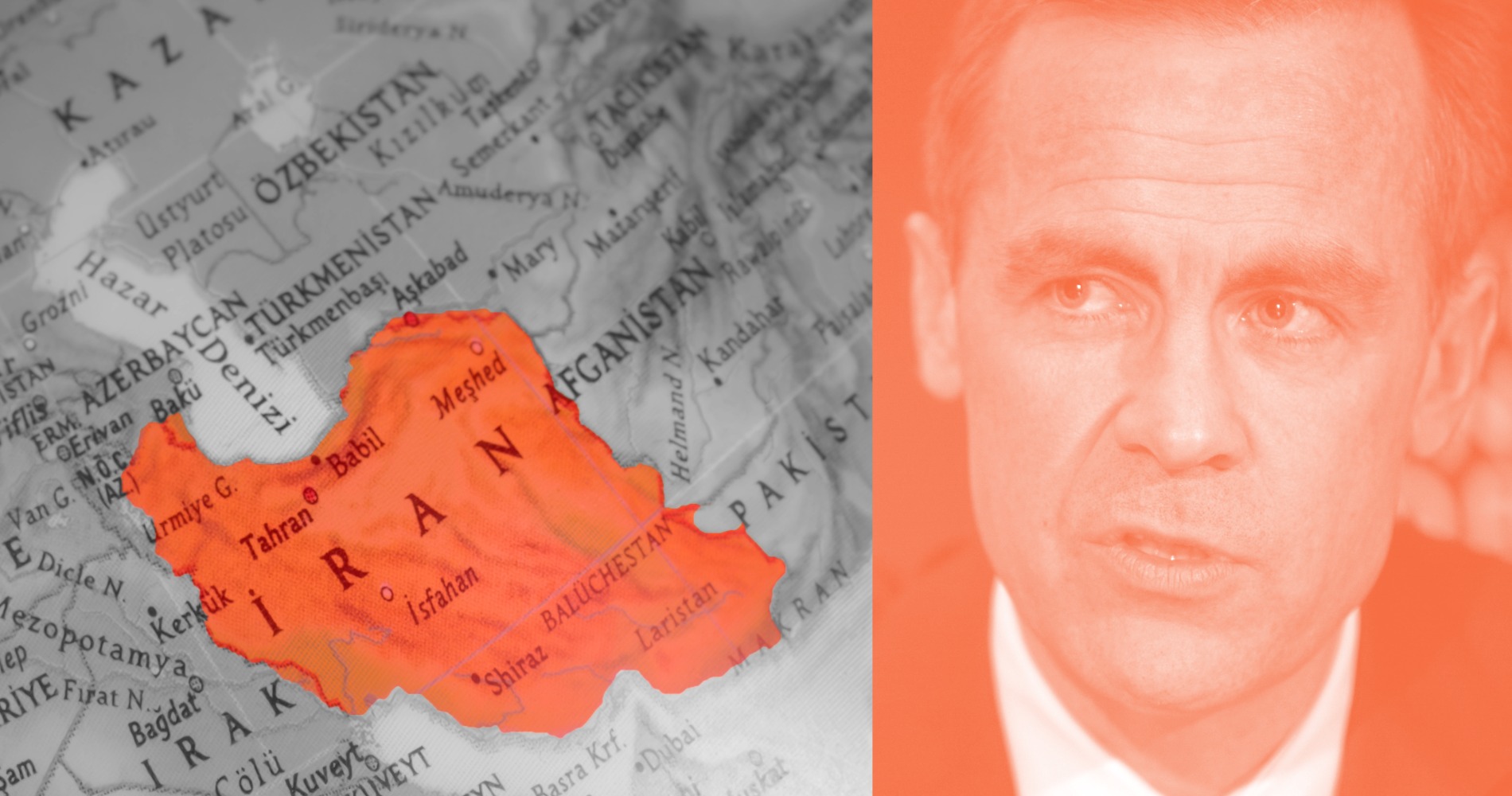
CCPA 17/04/2026 - The war that the U.S. and Israel launched against Iran on February 28 has once again put Prime Minister Mark Carney and his foreign affairs team to the test. Having previously refused to take any meaningful action against the ongoing genocide in Gaza, Carney has again declined to stand on what many see as the right side of history.
On the first day of the war, as news broke of a U.S. and Israeli attack on a school in the southern Iranian city of Minab that killed more than 150 students, Carney did not condemn the assault. Instead, in an official statement, he said: “Canada supports the United States acting to prevent Iran from obtaining a nuclear weapon.”
This position came despite U.S. President Donald Trump’s and his Department of War’s assertion in June 2025 that all of Iran’s nuclear facilities had been destroyed. Moreover, the International Atomic Energy Agency has never confirmed that Iran was seeking to acquire nuclear weapons.
In the days that followed, while visiting East Asia and Australia, Carney reiterated, “We will stand by our allies.” His criticism of the war, when it came, was muted and limited to concerns about the U.S. lack of consultation with allies and international institutions.
Carney’s support for the U.S.-Israeli colonial war comes at a time when public opinion in Canada is moving in the opposite direction. A Leger poll in March found that nearly six in 10 Canadians (58 per cent) oppose the U.S. and Israeli bombing of Iran, while only 25 per cent support it.
When a majority of Canadians oppose this war, the question is whether Carney and his government will listen to the people or continue to support a U.S. president who has repeatedly expressed interest in annexing Canada and annihilating Iranian civilization. Israeli Prime Minister Benjamin Netanyahu, America’s partner in this war, is also wanted by the International Criminal Court.
Carney’s record is not encouraging, as the experience of Gaza and the West Bank suggests that Canada’s political leadership has consistently ignored public demands.
Over two years of Israel’s genocide in Gaza, human rights groups and anti-war activists repeatedly called on the federal government to halt all direct and indirect military support for Israel.
On March 11, the Arms Embargo Now Coalition condemned the Liberal government after the House of Commons voted down Bill C-233, the No More Loopholes Act, that would have closed a major loophole allowing Canadian military exports to reach Israel if they first transit through the United States.
Calling the vote a “litmus test,” Rachel Small, a spokesperson for the Arms Embargo Now campaign, said the Carney government had an opportunity to align arms exports with international law and human rights, but “instead chose to align itself with Trump … fueling Israel’s wars.”
Now, once again, Carney and his administration are standing with whom they call their “allies” instead of their own people. The “ally” Carney invokes most often is Donald Trump, who launched a tariff war against Canada and repeatedly referred to the Canadian prime ministers as his “governor.”
Given this, Canadians may reasonably ask what Carney’s response would be if Trump’s threats against Canada turn into action.
Carney has, so far, supported U.S. actions in Iran, including the assassination of its political and military leadership. He also called the U.S. kidnapping of Venezuela’s Nicolas Maduro “good news”. And on Cuba, he has remained silent about the U.S. fuel blockade, despite its role in sparking a humanitarian crisis on the island.
What image of Canada is he projecting globally by affirming colonial wars and genocides?
Carney and his team should not forget that history will judge the events unfolding today. Just as we now judge the genocide during World War II and the silence of those who failed to act. Standing on the right side of history is not always easy. But it is what many Canadians expect from their government.
Canada would not be alone. Spain has already demonstrated that it is possible to oppose U.S. colonial policies. France did not allow Israel to use its airspace to transport American weapons to be used in the war against Iran.
These examples show that, at a time of growing danger in global politics, alternatives exist. The Carney government can choose to take a clear stance, rather than supporting the actions that have brought widespread destruction . Condemning those who started a war that has killed thousands of civilians and devastated infrastructure in Iran, Lebanon and Gaza should not be too much to ask. Source
These American Weapons Used In Iran Are Partially Made In Canada: Despite all of that talk, Carney’s actual agenda is about moving Canada closer and closer to the U.S. militarily
Global Affairs Met With Israeli-Arms Subsidiary Before Parliament Vote
CMPAC: The loss of a Canadian life in southern Lebanon requires action. Canada has a duty to protect its citizens abroad and must pursue accountability for Israeli actions, including potential war crimes.
“Scorched-Earth Campaign”: Israel Uses “Gaza Playbook” to Turn Southern Lebanon into Rubble
ACTION Stop the Global War Bank: Canada must not host or join the DSRB
NDP Urges Action on Study Permits for Gazan Students
ACTION End the Genocide Behind Bars: Canada Must Demand the Release of Palestinian Prisoners
Canadian military fail to get ‘elbows-up’ memo about US
Mark Carney said Canada's close ties with the USA are a weakness. Meanwhile, his government gives millions to American arms companies, and is still considering plans to buy even more American F-35 jets
| | Canadian Coast Guard tests Arctic surveillance drone as air force delivery stalls | | |
CBC News 14/04/2026 - An Israeli-made surveillance drone, once owned by Transport Canada but now the property of the Canadian Coast Guard, will conduct routine test flights over the Arctic this summer, says the Department of National Defence.
The fate of the Elbit Systems Ltd. Hermes 900 Starliner remotely operated aircraft has been in limbo since Prime Minister Mark Carney launched a massive reorganization of the federal government last year.
Its introduction into the coast guard is a milestone. The Royal Canadian Air Force (RCAF) has — for decades — been pursuing its own drone capability and has ordered 11 MQ-9B SkyGuardian remotely piloted aircraft systems (RPAS) from General Atomics Aeronautical Systems, but their delivery is delayed until 2028. That means the coast guard gets the capability before the military.
Transport Canada purchased the Hermes 900 Starliner in 2020 for its National Aerial Surveillance Program (NASP) specifically for Arctic surveillance. Last summer, the department was forced to reduce its monitoring of the Far North because the drone had not been delivered and fixed-wing aircraft that usually shoulder the load faced a myriad of mechanical challenges. The new drone was delivered to Transport Canada in September.
As part of Carney's reorganization, the Department of National Defence (DND) has since taken over responsibility for Transport Canada's surveillance aircraft. The change was part of the federal government's drive to meet NATO's two per cent of gross domestic product benchmark. The coast guard, which was also absorbed by DND, assumed responsibility for the civilian surveillance planes and systems, which are meant to track pollution and other hazards off all three coasts.
"The aircraft services directorate was entirely transferred to the Canadian Coast Guard, including its assets and personnel," said DND spokesperson Craig Macartney in a statement. "This includes the Elbit Starliner drone, which will conduct flights in the Arctic this summer as part of the final testing before the drone can be accepted into our fleet." Read more - Lire plus
ACTION Shut Elbit Down: Tell Procurement Canada to end all contracts with and procurement from Elbit Systems
ACTION Shut Elbit Down: Tell Canadian banks and pension plans to divest from Elbit Systems
Webinar: Stop Using Drone Warfare to Perpetrate Genocides in Palestine and Sudan, May 9th at 3 PM ET
| | Council passes bubble bylaw despite potential future legal challenges | | |
Ottawa Citizen 22/02/2026 - Ottawa’s controversial “bubble” bylaw passed through city council with overwhelming support despite warnings of potential overreach and unintended consequences and the possibility of future lawsuits and legal challenges.
The safe access to vulnerable infrastructure bylaw will take effect Aug. 1 and will prohibit demonstrations within 50 metres of schools, hospitals, long-term care centres and community health facilities.
Councillors approved the bylaw by a 20-4 vote, with Capital Coun. Shawn Menard, Knoxdale-Merivale Coun. Sean Devine, Gloucester-Southgate Coun. Jessica Bradley and Somerset Coun. Ariel Troster casting the dissenting votes.
Two motions that sought to amend the bylaw to roll back some of its restrictions were defeated by council.
Bradley introduced a motion to limit the bylaw to apply “only during periods when the social infrastructure is being used for its primary operational purpose and not during periods when the facility is being used for unrelated third-party activities.”
Bradley said the motion was about bringing “balance and clarity” to the bylaw. “We all agree that people should be able to access essential services, schools, health care, places of worship safely and without intimidation. At the same time, we also have a responsibility to uphold the right to lawful, peaceful demonstration in a free and democratic society,” Bradley said.
“This isn’t about monitoring content or expression. It’s about ensuring that it is applied when it is appropriate,” Bradley said. Councillors narrowly defeated that motion by a margin of 14-10.
Councillors also defeated a motion from Devine that would have addressed the “categorical prohibition on demonstrations” by removing a clause that “no person shall conduct or participate in a demonstration” within a safe access zone. Devine said the bylaw represented a “slippery slope” and cited experts on constitutional law who previously warned committee members about the bylaw’s potential overreach.
“Today it is schools and places of worship, tomorrow it is convention centres, then city facilities. Eventually, anything that makes people uncomfortable becomes a reason to move dissent out of sight,” Devine said. “History shows us we do not become safer by gagging dissent.” Devine’s motion was defeated 18-6.
Menard said expressing dissent is “fundamental” to democracy — particularly in the nation’s capital — and said it was already illegal to block safe access to a vulnerable place without invoking a bylaw. “It would be naive to think that this restriction of free speech and dissent is about safe access,” Menard said. “This is about silencing dissent where legitimate peaceful assembly is both necessary — sometimes uncomfortable — and essential.”
Menard cited protests over “deplorable” conditions for seniors in long-term care homes, the sale of weapons of war, cuts to education funding, residential schools and abuse of church power. “The city is about to ban dissent of these things, for more than half a football field, of the very institutions and actors that require checks and balances,” Menard said. [...]
Facilities in Ottawa will have to apply for the safe-access zone status, which would be valid for one year with a chance to renew it. The designation would apply 24/7 to residential-care facilities and would be in effect between one hour before opening and one hour after closing time at others. The bylaw does not apply to labour union strikes, information pickets or activities related to a labour dispute. Read more - Lire plus
| | Assembly of First Nations head rejects RCMP 'regret' for secret Indigenous surveillance program | AFN urges release of all intelligence files and public inquiry into federal policing and surveillance | |
CBC News 16/04/2026 - An apology isn't enough.
That's the message the head of the Assembly of First Nations (AFN) has sent the prime minister this week, rejecting the RCMP's recent statement of regret for a secret surveillance program that targeted hundreds of Indigenous people starting in the late 1960s.
In an April 13 letter to Mark Carney demanding greater accountability, National Chief Cindy Woodhouse Nepinak said a recent CBC Indigenous investigation into the RCMP Security Service's so-called "Native extremism program" has angered First Nations across the country.
"Canada’s efforts to suppress our rights and our voices clearly constitute extremely serious violations of the most basic collective and individual civil and political rights," Woodhouse Nepinak wrote in the letter obtained by CBC News.
"It is also clear that Canada’s domestic laws, policies and practices have long failed to protect the rights of First Nations when we assert and exercise our rights." The RCMP Security Service was Canada's domestic intelligence agency until 1984, when it was replaced by CSIS, which revived the Native extremism investigation in 1988.
A CBC News review of 6,000 pages of declassified documents revealed the Security Service was casually monitoring Indigenous political activity as early as 1968, amid concerns about outside influences from radicals and communists.
Its posture changed in 1973, after being caught unprepared by the arrival of the Red Power movement, and the Mounties' Indigenous surveillance efforts evolved into a sprawling dragnet that used physical observation, electronic eavesdropping and paid informers to infiltrate legitimate groups into the early 1980s.
Call for class action lawsuit
Prominent targets included future national chiefs like Noel Starblanket, Dave Ahenakew, Georges Erasmus and Phil Fontaine. Future national chief Ovide Mercredi also appears in the files. "For me, this is deeply personal. It's a form of intimidation, I think, on the part of the Crown," Mercredi said Thursday in Winnipeg at a news conference hosted by the Assembly of Manitoba Chiefs (AMC).
Mercredi, who led AFN from 1991 to 1997, has numerous questions about when the surveillance began and when it ended. "I am prepared to take legal action for the violation of my own personal security, but also the violation of my right to privacy," he said. "Ideally, it would be good if other leaders who have been spied on would join me and we do a class action."
In her letter, Woodhouse Nepinak expressed concerns that the Carney government's focus on major project development could put First Nations at risk of similar methods today. "Consequently, mere statements of regret from the RCMP, or promised apologies from Canada, are not a sufficient response to this massive pattern of severe human rights violations," the letter continued. "Apologies will not end the actual problem which has a name — 'systemic racism.'" Read more - Lire plus
Amnesty International supports call for public inquiry into 1970s RCMP spying program
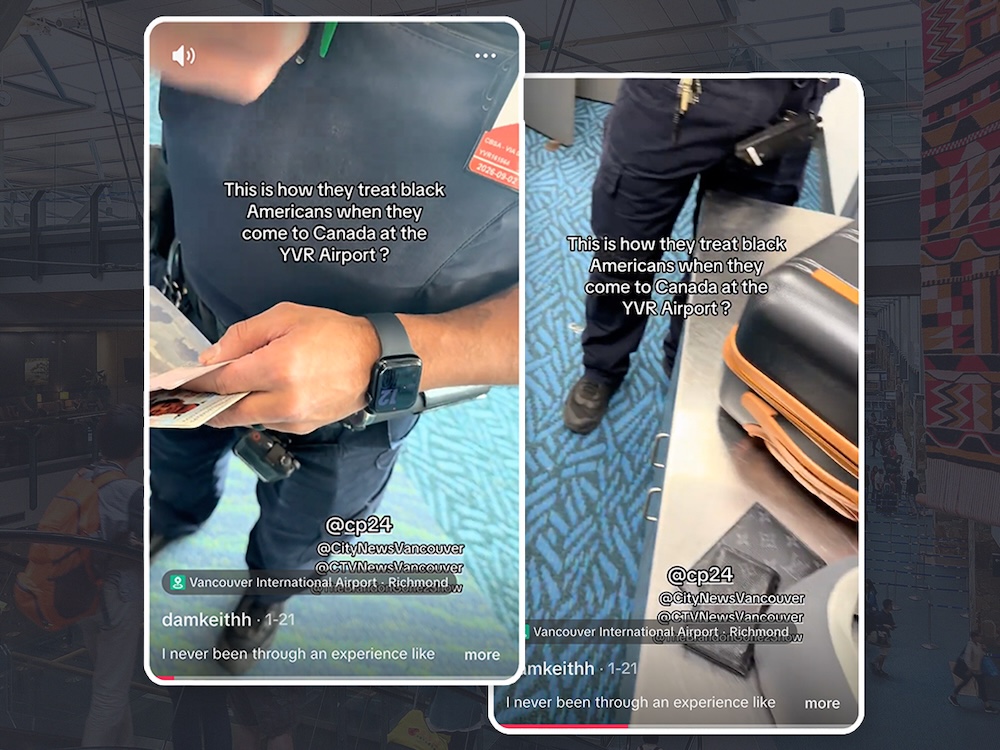
| | A Traveller Accuses Vancouver Airport Border Agents of Racial Profiling | Advocates point to a flawed complaint process and lack of promised independent oversight. | |
The Tyee 17/04/2026 - Brian Keith Leonard Jr. was excited to catch his next flight from Vancouver International Airport to Japan.
Leonard, a Black man from Sacramento, California, had cleared Canadian customs earlier and just left the American Express lounge to make his way to join a friend on the next stage of their journey to Japan on Jan. 21.
But at his gate Leonard noticed a border services officer staring at him. He decided to look back.
“If you’re gonna look at me, I’m gonna look at you, right, and see what type of intentions you have,” he said.
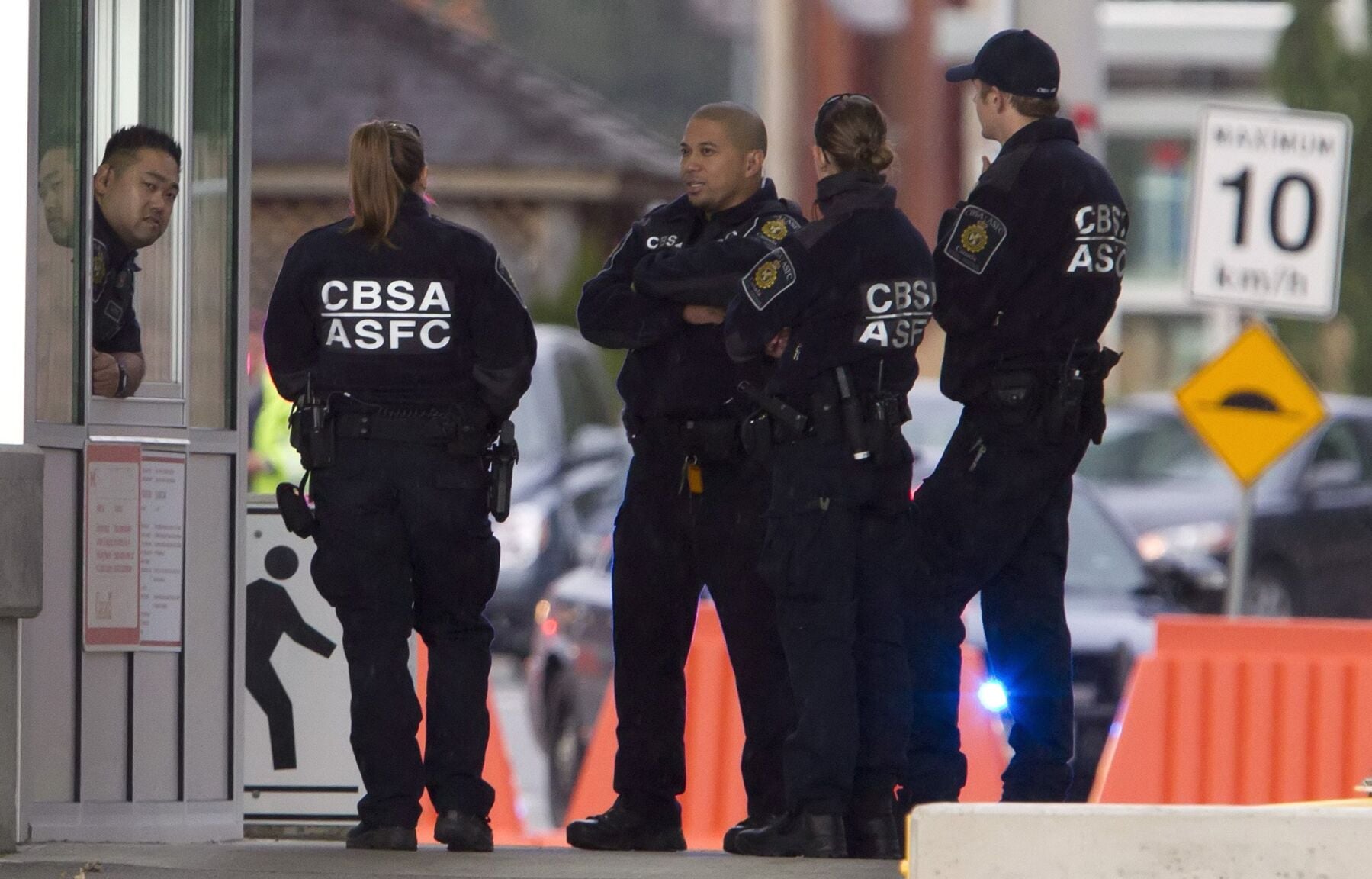
That led to an interaction that left Leonard feeling racially targeted and to his decision to file a complaint with the Canada Border Services Agency, or CBSA. The results of the complaint, which he received March 31, were another disappointment. The six-page letter stated that his claims of being racially targeted are unsupported. The incident took about 10 minutes, most of which Leonard recorded, and ended with him being released just before his flight left.
The Canada Border Services Agency officer, whose ID is pictured briefly in the video of the incident that Leonard recorded and uploaded to TikTok, started asking him questions. “He turned around and started questioning me,” Leonard said. “I looked at him like I need to record this, because I’ve never experienced this before and, out of all people, why did you come to me.”
The officer asked when his ticket was booked and explained that he does “export checks for currency” and that if Leonard had over $10,000 in Canadian currency, he had to report it. Leonard didn’t have any cash. When he told the officer this, the agent took the questions in a new direction. He asked Leonard how long he would be in Japan, “specifically where” he would be spending his time and what sight he wanted to see, while flipping through his passport.
Finally, after asking about Leonard’s baggage, the officer said he was just going to verify his declaration, telling him, “Just come with me.” When he got to the interrogation room, the first officer was joined by two others: one male CBSA officer who joined in the questioning and one female CBSA officer who Leonard recalls stood to the side, observing.
Leonard put his phone down on a table in the room. Just as he steadied it so the camera had him in frame, an officer’s gloved hand can be seen reaching towards it and turning it over. Throughout the rest of the video and interrogation, the male officers search through his baggage, asking him a series of questions, including whether he had any marijuana in his possession and whether he smoked cannabis.
A few weeks later Leonard filed a complaint with the CBSA. The “letter of disposition” he received said the CBSA considered the case closed and it did not find any evidence of racial discrimination. Two of the officers were identified through the letter of disposition as Supt. Sanjit Dhillon and border services officer Tyler O’Malley.
The investigation was conducted by Chief Bryce McRae and signed off on by the Canada Border Services Agency director for the Vancouver International Airport, Nicole Goodman. According to the letter, the questions both Dhillon and O’Malley posed about cannabis were valid under the CBSA’s mandate. “In addition to currency, officers may examine a traveller to identify any goods, including narcotics, the exportation of which is prohibited, controlled or regulated under any Act of Parliament.”
It adds that it was within their legislative authority to escort Leonard to a separate room for verification. The Proceeds of Crime (Money Laundering) and Terrorist Financing Act states an officer may search any person who has arrived in Canada or is about to leave Canada on the basis of “reasonable grounds,” though it’s not clear what counts as “reasonable.” And the report rejects the claim Leonard was singled out based on race, noting the officer said he had already approached other passengers.
Meghan McDermott, who works for the BC Civil Liberties Association as policy director, pointed out several red flags in the interaction. “If I saw this gentleman being singled out and then walked to an examination room I probably would have followed and I would have recorded, as is my right.” The Canadian Charter of Rights and Freedoms protects freedom of expression, which has been interpreted by courts to include recording information about government officials performing public duties. [...]
In 2020, the CBSA surveyed frontline employees and found that one in four border officers had witnessed colleagues discriminating against travellers. Leonard’s experience came less than two months after the CBSA’s first annual misconduct and wrongdoing report was published on Dec. 18, showing that CBSA employees had been involved in 259 founded misconduct cases in 2024-25.
It said the agency completed 364 investigations of alleged misconduct in the fiscal year, involving five executives, 30 managers and 332 other employees. Of these investigations, 259 cases of misconduct were found. The corrective measures include 14 cases where “employee left agency,” 24 cases where there was no discipline due to “mitigating factors,” 59 cases of written reprimand and only four cases of termination. Four cases were pending resolution.
Within these total 259 cases of founded misconduct, 21 are cases of harassment, sexual harassment, discrimination and violence in the workplace, and 203 are misconduct in “accountability and professional conduct,” which include instances of providing false statements and interfering in immigration processing as well as the use of a personal cellphone while the officer is on duty.
The civil liberties association’s McDermott considers cases like Leonard’s to be profiling. “It’s really disappointing that we don’t have a third-party impartial agency that investigates these complaints. You actually do have to go through the CBSA itself. And their process is not transparent. Sometimes they’ll report out on some complaints at the end of the year, but for the most part, it’s just like a kind of black box.”
She explained that the BC Civil Liberties Association, alongside many other organizations, has been lobbying to have a third party or some kind of review board to look into how the CBSA would resolve complaints like this. The organization had hope when Bill C-20, legislation that would have created an independent review body for the agency, was announced in 2024.
“So, the law was passed, but it’s one of those laws that doesn’t come into force until cabinet makes it come into force. It’s really up to the prime minister and his cabinet ministers,” McDermott said. “At any time, they could do that. But, unless and until they do that, somebody like this gentleman is going to have to submit a complaint into the black hole of CBSA and there’s no timeline about when you’ll hear back.”
On Oct. 17 Prime Minister Mark Carney announced new measures to “keep Canadians safe,” including hiring 1,000 new Canada Border Services Agency officers, increasing CBSA’s recruit stipend from $125 to $525 per week and adding some additional benefits for officers. There was no update on the establishment of an independent review body for the CBSA. Read more - Lire plus
| | Bombshell development in Iain Hunt case with national security concerns | |
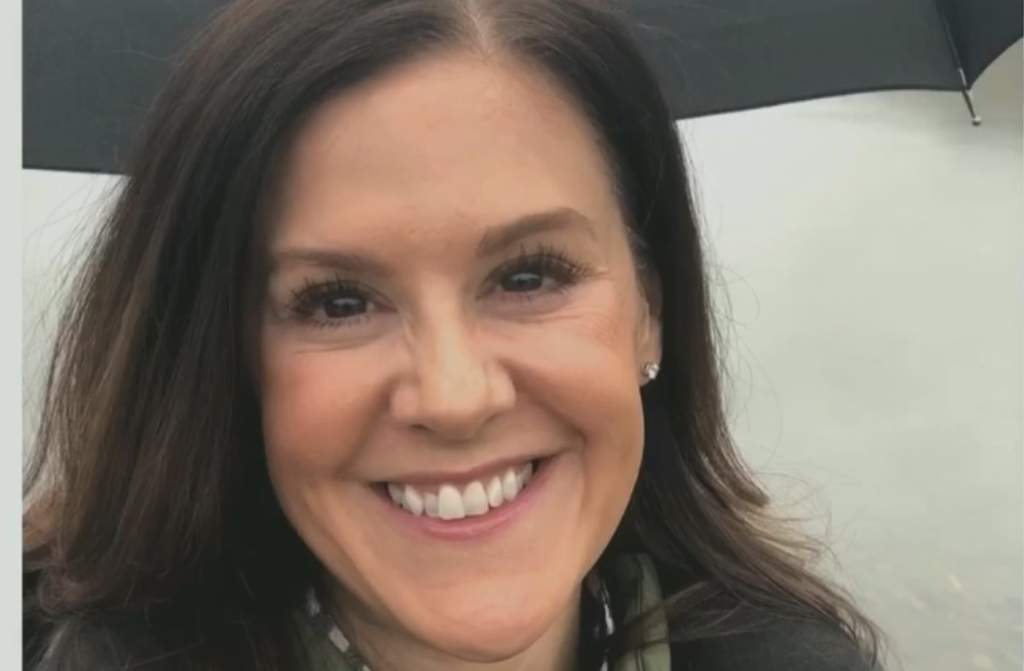
Global News 22/04/2026 - It was a cold Monday morning on March 29, 2021, when Trina Hunt’s remains were discovered near Hope. More than five years later, a bombshell development.
"Honestly, a complete state of disbelief," Stephanie Ibbott, Trina Hunt’s cousin-in-law, said. "It makes no sense."
The Attorney General of Canada filed an application in federal court in Ottawa last month under subsection 38.04 (1) of the Canada Evidence Act, seeking to withhold “sensitive” information in the case against Trina’s husband — Iain Hunt — because, if revealed, it would threaten national security.
"It is extremely rare," Michel Juneau Katsuya, a former CSIS intelligence officer, told Global News. "Obviously here, somebody wants to protect some sensitive information that individuals, somewhere, somehow, represent a risk to the federal government.”
Iain Hunt was charged in February 2025 with one count of indignity to human remains for allegedly disposing of his wife’s body, two days before he reported her missing from Port Moody in January 2021.
No one has been charged with the 48-year-old’s death.
Nine months after Iain was charged, an unidentified person notified the Attorney General of Canada “that they believe sensitive or potentially harmful (injurious) information may be disclosed…” in connection with the case against Iain.
A month later in December 2025, the Attorney General of Canada refused to authorize the release of the secret content, stating… “Disclosure of the information in question would be injurious to national security.”
"Certainly never seen it in this kind of case," Patrick McCann said.
He is part of a special group of Canadian lawyers with top secret security clearance for national security proceedings. In more than 40 years in criminal law, McCann has only been involved in two section 38 applications. "Defence may not know what the rationale is for withholding it is," he said.
"They would know what they are looking for, but they would not know the context that created the national security issue. They may; they may not.”
A spy, confidential informant, or sensitive technology are all examples of what can be captured in a rare section 38 application, which is specifically invoked to protect information that could harm: national security, national defence, or international relations if the content is disclosed in court.
“I’ve never seen anything like this," Rob Dhanu, K.C., a criminal lawyer and former Crown prosecutor, said.
“Ultimately, if a judge decides that our national security interests are at stake, it could lead to a stay of proceedings.”
Trina’s family and the public are in the dark about when the confidential hearing will take place. The Department of Justice will only say a date has not been confirmed.
"We’re nowhere close to justice and yet there’s the potential that the whole case, so far, as we know it, could get thrown out, so honestly, where’s the accountability?” Ibbott said. Iain Hunt is not in custody. His lawyer, Greg Delbigio, has declined to comment because the case is before the courts.
Iain’s provincial court trial on one count of indignity to human remains is set for October 2027, but this is hinging on the outcome of the national security application in federal court. Source
ICLMG: This kind of situation is not unprecedented: Stop Silencing Survivors: Ban National Security Secrecy in Violence Against Women Cases
| | US Launches Another Airstrike in Somalia as Trump Continues Ramped Up Bombing Campaign | The US has launched at least 58 airstrikes in Somalia this year and is on track to break the record for annual bombings Trump set last year | |
Antiwar.com 23/04/2026 - US Africa Command said in a press release on Wednesday that its forces launched another airstrike in Somalia as the Trump administration continues an escalated bombing campaign in the country that receives virtually no media coverage in the US.
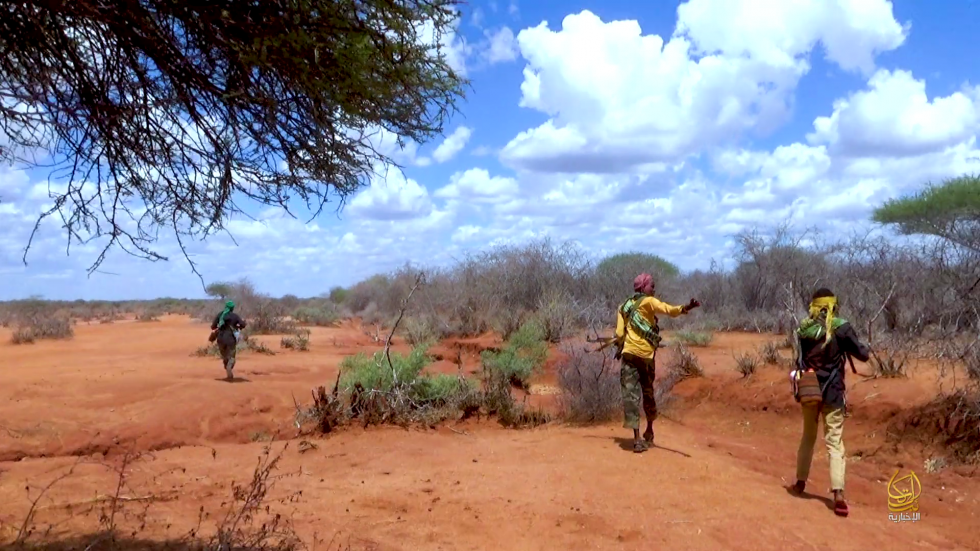
AFRICOM said the strike was launched on April 21 and that it targeted al-Shabaab near a village about 55 miles southwest of the southern port city of Kismayo in Jubaland, Somalia’s southernmost region.
As usual, AFRICOM offered no further details about the strikes, as it has stopped sharing information on casualties and assessments of potential civilian harm. The US-backed Somali government has been claiming major operations against al-Shabaab, but has not announced any operations on April 21.
Through its propaganda channels, al-Shabaab claimed that its fighters engaged in significant battles against US-backed Somali government forces on Sunday, and the group released photos and videos purporting to show the combat and its aftermath. Al-Shabaab said the government forces were backed by “enemy warplanes,” but it’s unclear if the US launched any airstrikes that day, as AFRICOM hasn’t announced any.
Besides bombing al-Shabaab in southern Somalia, the US has also been targeting an ISIS affiliate based in caves in a remote mountain region of Somalia’s northeastern Puntland region, where the US backs local forces. The Puntland Counterterrorism Operations claimed this week that it found the bodies of eight alleged ISIS fighters who were killed in operations that involved US airstrikes.
The April 21 airstrike against al-Shabaab brings the total number of US airstrikes in Somalia this year to at least 58, a number based solely on what AFRICOM has announced. The rate of US airstrikes slowed somewhat during the US-Israeli bombing campaign against Iran, but it has picked back up amid the very fragile ceasefire.
If AFRICOM keeps up the current pace, it’s on track to break its annual record of bombings in the country, which President Trump set at 124 last year, breaking a previous record of 63, which he set in 2019. Since returning to office last year, Trump has overseen the most dramatic escalation of airstrikes in Somalia in US history.
According to New America, an organization that tracks the air war, the US launched more airstrikes in Somalia in 2025 than were conducted during the administrations of Joe Biden, Barack Obama, and George W. Bush combined. Read more - Lire plus
| | The U.S. Is Still Routinely Killing Civilians in Boats | The Trump administration has hit a grim milestone with its 50th strike on a civilian boat in the waters off Latin America. | |
The Intercept 14/04/2026 - The Trump administration is ramping up its boat strike campaign, conducting three strikes in the space of three days. The U.S. has now conducted 50 strikes in its campaign of targeting civilian vessels in the Caribbean Sea and Pacific Ocean. The death toll now exceeds 170.
On April 11, the U.S. conducted attacks on two boats in the Pacific Ocean, killing two people in the first strike and leaving one shipwrecked. The search for that survivor has been abandoned and that person is presumed dead. Three people were killed in the second strike that day. These attacks were followed by another strike in the Eastern Pacific on April 13 that killed two more people.
As part of Operation Southern Spear, the U.S. military has now destroyed 51 vessels and killed 171 civilians. The Trump administration claims its victims are members of at least one of 24 or more cartels and criminal gangs with whom it claims to be at war but refuses to name.
The boat strikes recently moved to land as so-called “bilateral kinetic actions” along the Colombia–Ecuador border. “The joint effort, named ‘Operation Total Extermination,’ is the start of a military offensive by Ecuador against transnational criminal organizations with the support of the U.S.,” Joseph Humire, the acting assistant secretary of war for homeland defense and Americas security affairs, announced last month.
“There’s a danger that these lawless killings just become background noise,” Brian Finucane, a former State Department lawyer who is a specialist in counterterrorism issues and the laws of war, told The Intercept in the wake of the 50th boat strike. “The U.S. Congress remains the institution best situated to bring these to halt — if not now, then at least after the midterms. And members of Congress and 2028 hopefuls should be vowing accountability for those who participated in unlawful killings.”
Finucane and other experts in the laws of war, as well as members of Congress, from both parties, say the strikes are illegal, extrajudicial killings because the military is not permitted to deliberately target civilians — even suspected criminals — who do not pose an imminent threat of violence. The summary executions are a significant departure from standard practice in the long-running U.S. war on drugs, in which law enforcement agencies detained suspected drug smugglers and brought them to trial on criminal charges. Read more - Lire plus
Update: UN Special Rapporteur denounces 180 killed in 52 lawless attacks as of April 22, 2026
Rare Survivors of Pacific Boat Strikes Allege U.S. Forces Kidnapped and Tortured Them
State Department Tells Human Rights Watchdog to Ignore Trump’s Extrajudicial Killings
| |
Death by A.I.: New "Autonomous Warfare Center" will automate targeted killings
| |
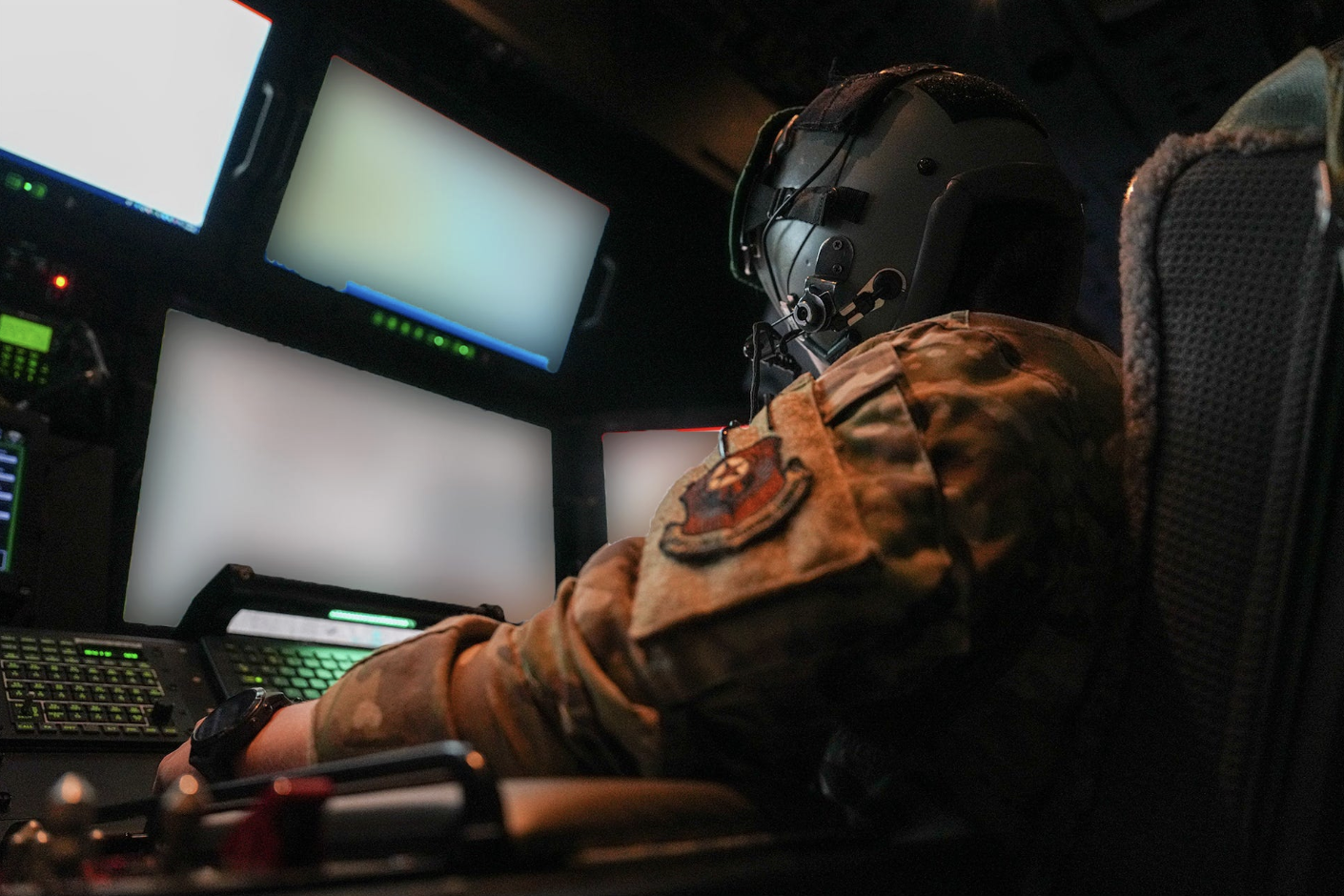
Ken Klippenstein 22/04/2026 - The U.S. military’s secretive Special Operations Command plans to establish its first-ever center for AI-driven missions like targeted assassinations.
Autonomous warfare is all the rage at the Pentagon, where computers and artificial intelligence process intelligence data, select targets and then transmit kill orders to a waiting robot, or a “loitering” missile or airplane.
The new “Special Operations Autonomous Warfare Center” is referenced in the $1.5 trillion Department of War budget request to Congress this week.
Special Operations Forces refers to commando units like Navy SEAL Team, Army Green Berets, Marine “Raiders” and others who support “unconventional” warfare, and since 9/11, targeted killing. SEAL Team 6 and Delta Force of the Army are two of the most infamous of the secret units, and have been central to capture and decapitation operations like those in Venezuela and Iran.
One can say a lot of things about the rapid and chaotic adoption of artificial intelligence in the American military. But in this context, the term “autonomous warfare” is a euphemism for automated killing. (Autonomous intrinsically means acting independently, governing internally, or operating without external control.) [...]
Welcome to the era of CombatGPT. The Pentagon has since 2022 used AI in quarterly exercises for “target detection” involving personnel from all six military service branches. The computers pull together the ocean of information pieces that are collected every day — every minute — and extract the most important, according to the AI program, aggregating and geolocating the blips and dots into a potential target.
During the most recent Iran War, Middle East commander Adm. Brad Cooper felt it necessary to give assurances that the use of AI still includes a “human-in-the-loop” to make decisions. “Humans will always make final decisions on what to shoot and what not to shoot, and when to shoot,” he said. That statement, of course, contradicts the very idea of “autonomous.”
Cooper’s assurance echoes a long line of similar promises. The Air Force said the same thing about drones before the unmanned kill chain was compressed to the point where the “decision” became a rubber stamp. The pattern is consistent: a new capability is introduced with human-in-the-loop safeguards, the speed and scale of operations make those safeguards a bottleneck, and the bottleneck becomes the “Agree to terms” button on your computer most people click without thinking.
(Note that the FY 2027 budget request also zeroes out funding for Pentagon work in civilian harm “mitigation,” eliminating the element that might also be able to “autonomously” warn of direct civilian casualties and damage.)
The budget document doesn’t say what the Autonomous Warfare Center’s initial budget will be, but it doesn’t need to be large. The infrastructure already exists. Two decades of decapitation strikes have produced the targeting architecture, the intelligence pipelines, the kill chains. What AI does is remove the last friction — the human time spent correlating down to attacking a target.
Much of what the Special Operations Autonomous Warfare Center will be working with is already there. Both in Ukraine and in Iran, the military sees its challenge as dealing with “swarms” of low-cost enemy weapons, from one-way attack drones to relatively rudimentary ballistic missiles.
The Miami-based Southern Command, which is responsible for the shooting part of the drug war, has also established its own autonomous command to automate the tracking and killing of drug shipments where the speedboats and mini-submarines serve as the low-cost targets.
Nobody in Congress has so far asked about the creation of “autonomous” killing commands. The budget line item will likely pass without a hearing, buried in a special operations (and mostly classified) budget that receives less oversight than virtually any other part of the Pentagon. By the time the public learns what the Autonomous Warfare Center actually does, it will have been doing it for years. Read more - Lire plus
The Tech Oligarch's Republic: A look at the Palantir manifesto, a logical conclusion of the War on Terror
Using AI to stop dissent before it even starts
Joint open letter to EU members: Safeguard the AI Act
AI Data Center Resistance: Maine Passes Nation’s First Statewide Moratorium — Will Gov. Mills Sign It?
| |
What are "Nihilistic Violent Extremists"? | Meet the new internal enemy | |
Ken Klippenstein 15/04/2026 - The arson attack on Pennsylvania governor Josh Shapiro’s home has unified the national security state around a broader threat it sees in the American people.
Inside the government, sources tell us, officials are scrambling to define the moment. They’re exploring if there’s any connection between the attempts on Donald Trump’s life; Luigi Mangione and his sympathizers; Tesla vandalism; and even earlier attacks, like the one on Nancy Pelosi’s husband.
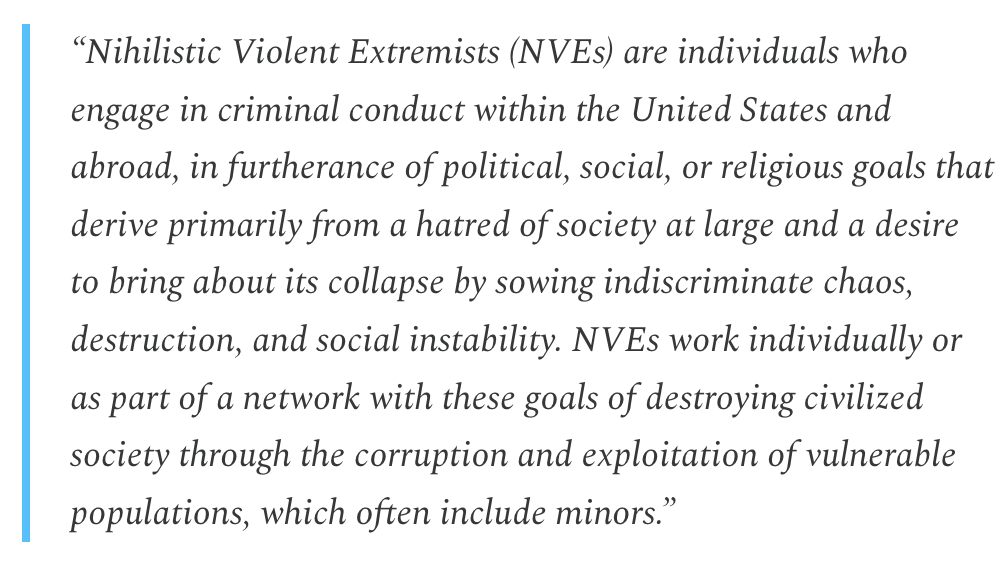
The Trump Justice Department and the domestic terrorism fighters think they have an answer: Nihilistic Violent Extremists. They’ve already got an acronym — NVEs.
The brand new term was invented to replace the Biden administration’s focus on anti-government and “anti-authority” extremism adopted after January 6. It also has the side benefit of appearing to be non-partisan, shifting the attention away from MAGA and white supremacism while pretending not to be focusing on anti-Trump activism.
But here’s the beauty for any government bureaucrat or lawyer: Everyone and anyone can be NVEs, like pedophiles, according to court documents filed this month and reported here for the first time.
Nihilism, philosophy 101 graduates will recognize, was most famously explored by Friedrich Nietzsche, the 19th century German philosopher who wrote about declining belief in the meaning of life, morality and society.
In a country where mass shooters routinely target complete strangers, including schoolchildren, it’s hard to see how targeting a top elected official represents a rejection of meaning. The real purpose of the clunky term is to replace “terrorism,” a loaded word that also has limitations in the law.
The term NVE also has the beauty of being elastic enough to apply to individuals and groups who are the focus of the administration’s war on all kinds of Americans. Nihilism also avoids all of the rusty and problematic words of the past: subversive, dissident, insurrectionist, revolutionary, or even “anti-government” (the Biden term).
“Violent extremism” has the benefit of having already been in government usage. Thus the news media reporting on these very court cases completely missed the NVE label, perhaps because it sounds vaguely official.
So now we have yet another term, one that’s even broader, applying to anyone who would like to undermine the ruling order. Read more - Lire plus
Pre-Teen Terrorists: FBI’s New Target
Luigi-Inspired Arsonist Threatened “Our Way of Life,” Feds Say
Trump Team Prepping New Strategy for Domestic Terrorism
FBI and IRS Concretize Implementation of NSPM-7
| | OTHER NEWS - AUTRES NOUVELLES | | ICLMG ACTIONS DE LA CSILC | | The Justice Minister must end the injustice against Hassan Diab! | | |
In April 2023, despite clear exculpatory evidence, the French Court of Assize conducted an in absentia trial that unjustly declared Dr. Hassan Diab guilty and sentenced him to life in prison. The proceedings amounted to a sham trial and a mockery of justice.
Since that ruling, Dr. Diab and his family have lived in constant uncertainty, facing the ongoing threat that a second extradition request could be made at any time.
Please click below to send a new letter demanding that Justice Minister Sean Fraser categorically refuse any future extradition request and put an end—once and for all—to this ongoing miscarriage of justice.
| |
Canada: Abolish rights-violating terrorist entities list!
| | |
On October 15, 2024, the Canadian government placed the Samidoun Palestinian Prisoner Solidarity Network on Canada’s terrorist entities list. While ostensibly a tool to protect the safety and security of people in Canada and internationally, the list is an arbitrary political tool that undermines freedom of association, of expression and due process in the courts. Its effectiveness as a national security tool has never been demonstrated in a manner that justifies its use.
Due to these deep flaws, and more, the ICLMG has consistently called for the list to be abolished since the Canadian coalition’s founding in 2002. Please join us in urging the Canadian government to abolish the rights-violating terrorist entities list once and for all. Thank you!
| | Canada must repatriate all Canadians detained in NE Syria/Iraq now! | Every day the government fails to bring these Canadians home, it places their lives at risk from disease, malnutrition, violence, and ongoing military conflicts. United Nations officials have even found that the conditions faced by Canadians in prison are akin to torture. Please click below to urge the federal government to repatriate all Canadians illegally and arbitrarily detained in northeast Syria without delay. | | 23 years of fighting deportation to torture: Justice for Mohamed Harkat! | | CSIS isn't above the law! | | |
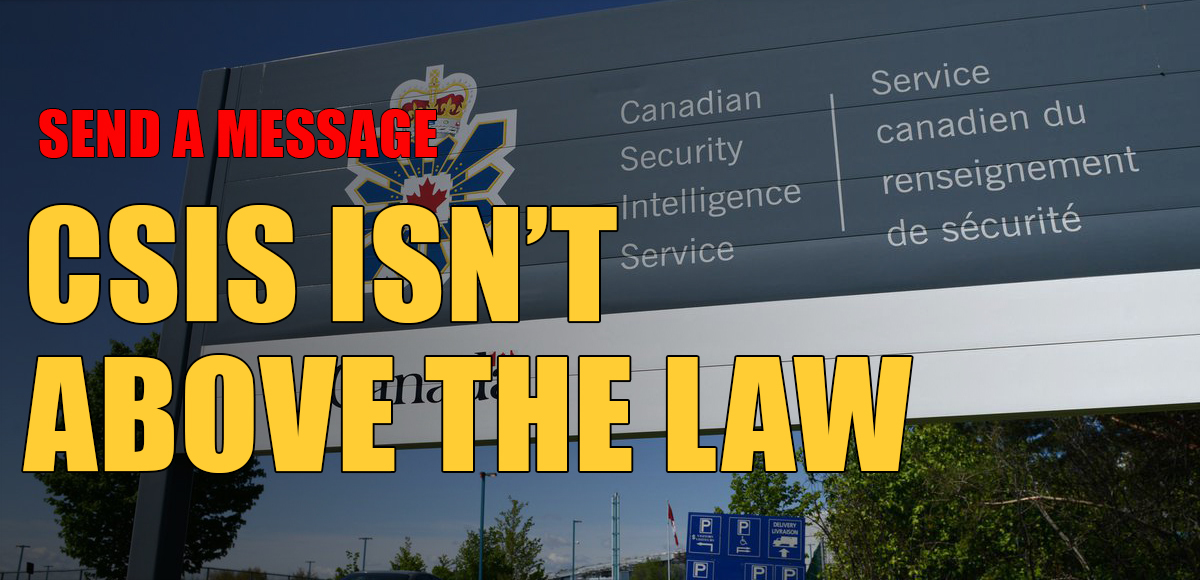
In recent years, at least three court decisions revealed the Canadian Security and Intelligence Service (CSIS) engaged in potentially illegal activities and lied to the courts. This is utterly unacceptable, especially given that this is not the first time these serious problems have been raised. CSIS cannot be allowed to act as though they are above the law.
Send a message to the Public Safety Minister demanding that he take immediate action to put an end to this abuse of power and hold those CSIS officers involved accountable. Your message will also be sent to your MP and to the Minister of Justice.
| | Reform Canada's extradition law now! | |
Canada’s extradition system is broken. One leading legal expert calls it “the least fair law in Canada.” It has led to grave harms and rights violations, as we’ve seen in the case of Canadian citizen Dr Hassan Diab. It needs to be reformed now.
Click below to send a message to urge the Prime Minister, the Minister of Justice and your MP to reform the extradition system before it makes more victims. Thank you!
Version française: Le Canada doit réformer la loi sur l'extradition!
| | Canada must protect encryption! | |
Canada, with other G7 nations, continues to push to weaken our access to strong, reliable encryption, after decades of being supportive of strong encryption. We need encryption to safeguard our data, our online transactions, our communications, and to protect the lives of journalists and human rights activists.
Please send a message to the Prime Minister of Canada, the Minister of Public Safety, as well as your Member of Parliament, to urge them to reverse course and once again commit to protecting encryption.
Regardez la vidéo avec les sous-titres en français + Agir
| | Protect our rights from facial recognition! | Facial recognition surveillance is invasive and inaccurate. This unregulated tech poses a threat to the fundamental rights of people across Canada. Federal intelligence agencies refuse to disclose whether they use facial recognition technology. The RCMP has admitted (after lying about it) to using facial recognition for 18 years without regulation, let alone a public debate regarding whether it should have been allowed in the first place. Send a message to the Prime Minister and the Public Safety Minister calling for a ban now. | | What we've been up to in 2025, and our plans for 2026! | |
ICLMG 03/12/2025 - Thanks to the support of our members and donors, we’ve been able to do a lot and work on the following since June:
- Anti-privacy and xenophobic bills C-2 & C-12
- Anti-protest and anti-freedom bill C-9
- Impacts of Countering Terrorism Financing on charities, non-profits, solidarity work and international assistance.
- Canada’s complicity in torture
- Justice for Hassan Diab
- Artificial Intelligence regulatory frameworks & national security
- The gaps in oversight and review of national security agencies
- Consultations on the UN Global Counter-terrorism strategy & definitions of “terrorism” and “violent extremism"
- We were interviewed or quoted in dozens of media pieces
- And much more!
For all details on our activities, and our plans for 2026, click here.
| | Les opinions exprimées ne reflètent pas nécessairement les positions de la CSILC - The views expressed do not necessarily reflect the positions of ICLMG. | | |
THANK YOU
to our amazing supporters!
We would like to thank all our member organizations, and the hundreds of people who have supported us over the years, including on Patreon! As a reward, we are listing below our patrons who give $10 or more per month (and wanted to be listed) directly in the News Digest. Without all of you, our work wouldn't be possible!
James Deutsch
Bill Ewanick
Kevin Malseed
Brian Murphy
Colin Stuart
Bob Thomson
James Turk
John & Rosemary Williams
Jo Wood
The late Bob Stevenson
Nous tenons à remercier nos organisations membres ainsi que les centaines de personnes qui ont soutenu notre travail à travers les années, y compris sur Patreon! En récompense, nous nommons ci-dessus nos mécènes qui donnent 10$ ou plus par mois et voulaient être mentionné.es directement dans la Revue de l'actualité. Sans vous tous et toutes, notre travail ne serait pas possible!
Merci!
| | | | |