|
News From the Field! Fall 2026
National child welfare policy, practice and research
| |
| NEWS FROM THE FIELD CONTINUED | |
FIELD CENTER PUBLISHES GLOBAL RESEARCH WITH INTERNATIONAL PARTNERS | |
| |
Following a multi-year collaboration with Children International, The Field Center has recently published the results of a qualitative evaluation of CI’s “Community Independence Initiative.” The initiative, providing cash resources alongside mutual aid networks and peer support, served nearly 400 families in Colombia, Mexico, and the Philippines. Field Center researchers worked alongside CI’s staff both in the organization’s headquarters and located in each of the 3 countries. In partnership with local communities, we conducted focus groups with 51 adult and child participants from families who had completed the program.
Findings highlighted the persistent family and economic strain on participants, the benefits of material support and collective problem-solving, and the impact of connection and resilience while facing continued economic hardship. The collaborative work suggests that anti-poverty initiatives may be strengthened by integrating flexible material support with opportunities for peer connection and collective problem-solving, while also recognizing the limits of time-limited interventions in the context of persistent structural poverty. Read the full publication “Connecting families through cash transfers and an enabling environment in Colombia, Mexico, and the Philippines: a qualitative study” to learn more.
| | TRUSTEES COUNCIL OF PENN WOMEN ANNOUNCES SUPPORT OF THE AGING OUT PODCAST – YEAR TO DATE RECAP | |
| |
The Field Center extends our deepest thanks to the Trustees’ Council of Penn Women (TCPW) for funding advancement of our work through The Aging Out Podcast. The Field Center has been the recipient of support from TCPW for over a decade, previously endorsing our Foster Care to College initiative and the Young Professionals Council. Aligned with TCPW’s grant guidelines for “individuals or organizations that promote women’s issues, the quality of undergraduate and graduate life for women, the institutional advancement of women, or the physical, emotional and psychological well-being of women,” a majority of the executive leaders featured in our podcast series are women. Furthermore, Field Center interns, alongside the student body of the School of Social Policy & Practice at Penn and the social work field broadly, largely identify as women. As often featured in our podcast, child welfare and family issues routinely overlap as intersectional with women’s issues.
The Field Center’s podcast has been live since 2025, when the Center assumed stewardship of the long-standing podcast produced by the Aging Out Institute, an organization dedicated to advancing resources and strategies that support youth transitioning out of foster care. With 18 episodes to date spanning 2025 and 2026, Field Center Staff and Interns have interviewed numerous directors, advocates, policy experts, and social service professionals leading innovative work in child welfare, specifically supporting young adults who are aging out of the foster care system and transitioning to adulthood. Stay tuned for our 20th podcast milestone!
| |
NEW BLOG POSTED FOR NATIONAL KINSHIP CARE MONTH!
By Mikayla Klein, Field Center MSS Intern
| |
|
"Kin-First” Isn’t the Problem
By Mikayla Klein, Field Center MSS Intern
October, 23, 2026
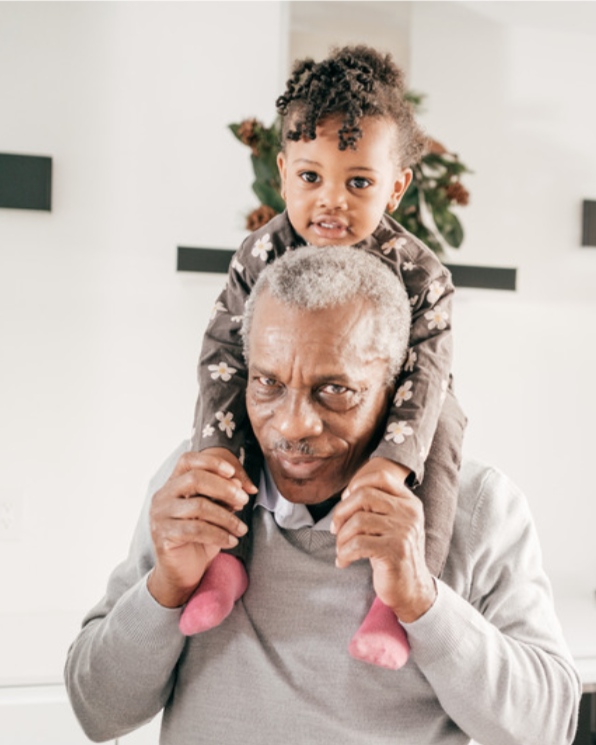
[PREVIEW] September was National Kinship Care Month, which gives us the opportunity to recognize and celebrate the relatives and close friends who care for children when their parents are unable to. While intended to raise awareness about the positive impact of kinship care on children, the month also sparks conversations among child welfare professionals, prompting an important question about kinship placements as the preferred option: Has “Kin-First” gone too far?
Kinship care means a child lives with relatives or other adults they already know. These caregivers could be grandparents, aunts and uncles, a godparent, neighbors, or the family friend who has been at every birthday since the child was born. Kinship care can be either formal or informal, and the difference between the two lies in whether the child welfare system is involved. Formal kinship care is prevalent; as of the 2024 fiscal year, 39% of children in foster care lived with relatives or kin. Some research and policy experts worry that the preference for placing children with kin has gone too far, and some of their concerns are fair. However, I think “should we prioritize kin?” is the wrong question. A more useful one is: How do we build a “Kin-First” system that prioritizes serving children well?
Using available data, I offer the following recommendations and considerations to support high-quality kinship care for child welfare-involved families:
- Assess who counts as kin
- Prioritize safety and discretion
- Consider an appropriate crisis response
- Designate payment guidelines
Kinship care offers clear benefits, including fewer placement moves and stronger ties to family and community – but we must acknowledge what we do not yet know...
Read Mikayla's full blog and recommendations here.
| | |
Through the Multidisciplinary Student Training Institute, The Field Center provides research, internship and field placement opportunities for selected students across multiple disciplines. Students receive training, career mentorship, and hands-on work experience within the field of child welfare. Meet our Fall 2026 students here:
| |
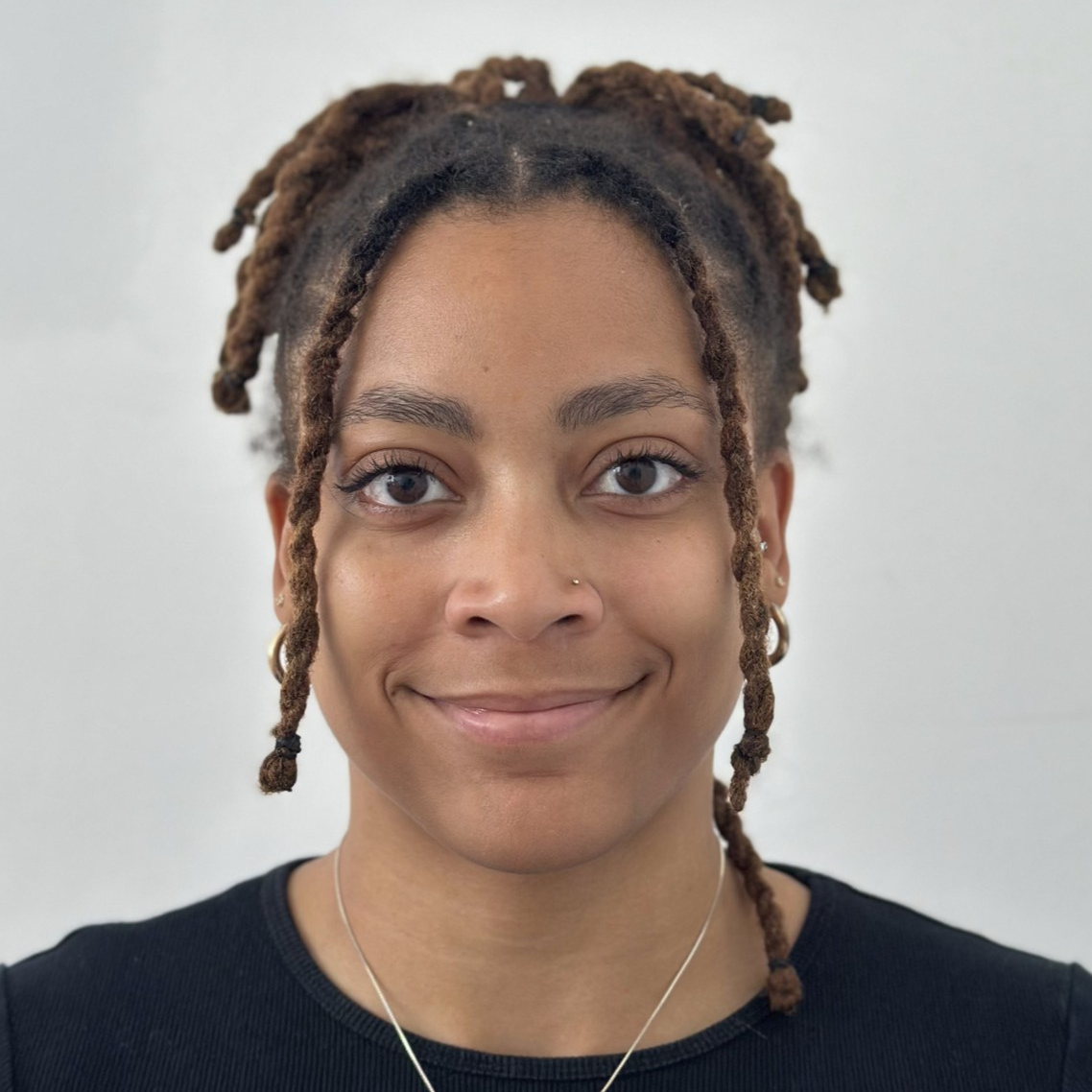
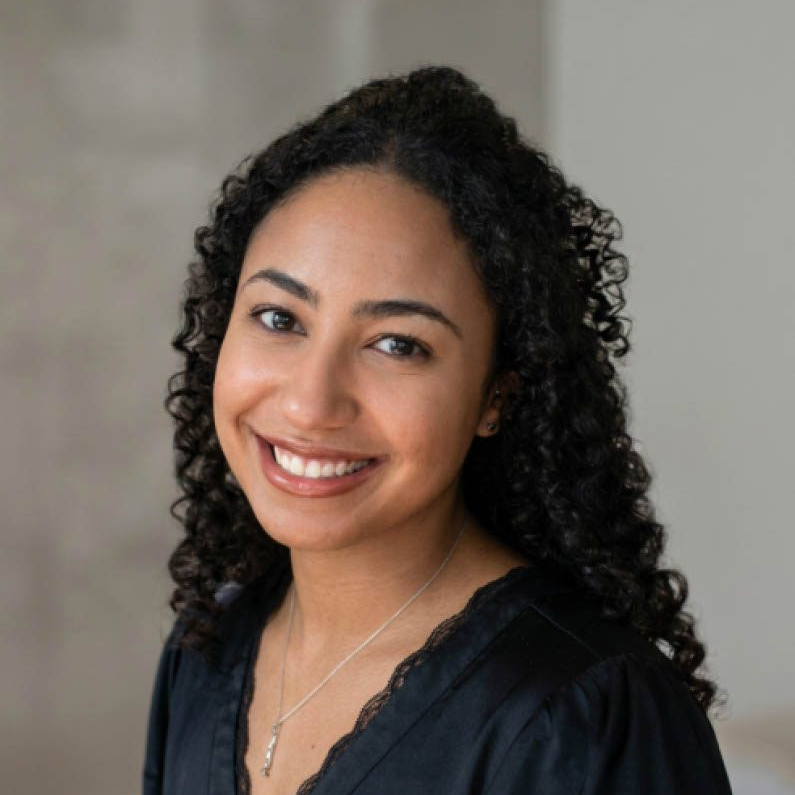
Julie (Yu) Jiang is a full-time, second year Master of Social Work Macro Student at the University of Pennsylvania. Julie originally comes from China and graduated with her Bachelor of Science in Psychology and Korean from the University of Pittsburgh in June 2024. After graduation, Julie worked as a Research Assistant at the University of Pittsburgh Medical Center (UPMC). Now Julie is shifting her focus to research, hoping to contribute to the publication of academic research papers to inform and support practice.
| |
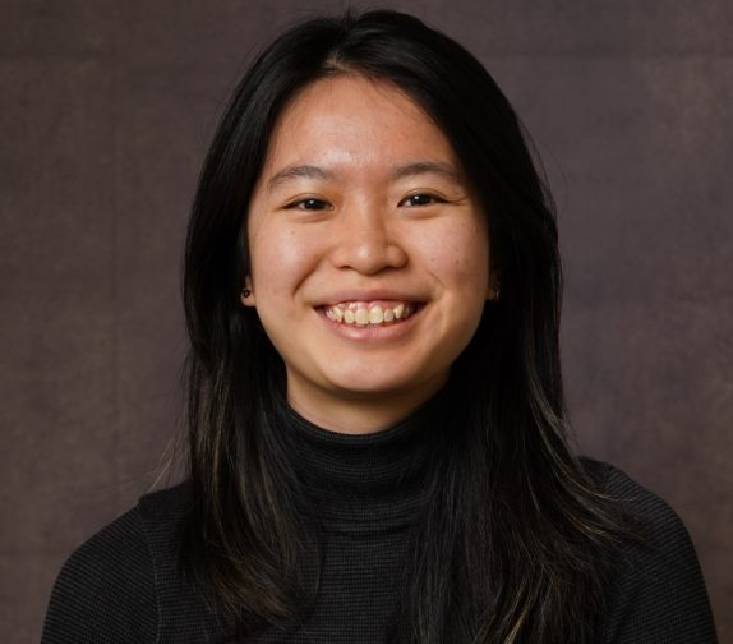
Mikayla Klein is a full-time, second-year Master of Social Service (Macro) student at Bryn Mawr College. She graduated from the University of Houston with a BA in Psychology, where she studied how stress and trauma affect the development of executive functioning in children and adolescents. After graduation, she volunteered as an academic coach with youth in or formerly in foster care. At The Field Center, she looks forward to building on this foundation and exploring how systems can better support families and children.
| |
Zhi Yi Tan is a full-time Master of Social Policy (MSSP) student at the University of Pennsylvania. Zhi Yi graduated from Durham University in the UK with a BA in Combined Social Sciences, where she studied Sociology, Economics, and Anthropology. Previously, she did an internship with the Child Protective Service in Singapore. She looks forward to better understanding how federal and state policy can shape the experiences of children and youth in the foster care system.
Read our intern's full bios on our website here.
| | FIELD CENTER RECENT PRESENTATIONS & PUBLICATIONS | |
| |
Presentations and Publications:
Associate Director Sarah Wasch presented on a webinar titled Youth In Care Transitioning to College: Financial and Transition Support, through the Philadelphia Foster Care to College Collaborative.
Affiliated Faculty Dr. Caroline Watts spoke on a panel titled “Mental Health Roundtable: Trauma-Informed Education and the Role of the School Boards” at the Pennsylvania Association of School Administrators (PASA) and Pennsylvania School Boards Association (PSBA) 2026 School Leadership Conference in Pocono Manor, PA.
Field Center experts recently published the following:
Greeson, J.K.P., Gyourko, J.R., Wasch, S., Mallory, K., Fehlig, L., Jácome, C., Yanes, N.D.L., Gutiérrez, F.A. R, & Lehman, A.R. (2026). Connecting families through cash transfers and an enabling environment in Colombia, Mexico, and the Philippines: a qualitative study. Vulnerable Children and Youth Studies, 1–27.
| | Happy, healthy, and protected children and families | |
| The Field Center is a collaboration of | | The Field Center is a member of | |
| | | |