Don't Wait for a Fall: The Best Time to Modify Your Home Is Before You Need To
By Daniel M. Lynch
Occupational Therapist, Oakley Home Access
Most of us hope to remain in our own homes for as long as possible. It's where our memories are made, our families gather, and where we feel most comfortable. Yet many Cape Cod homes were never designed with aging in mind.
One of the most common misconceptions we see is that home modifications are only needed after someone has fallen or been hospitalized. Unfortunately, by that point, families are often forced to make important decisions under pressure.
As an occupational therapist specializing in home accessibility, I've seen firsthand how a few thoughtful changes can dramatically improve safety, independence, and peace of mind.
Start with the Entrance
Many homes have several steps leading to the front or back door. Even if climbing stairs isn't difficult today, balance, strength, and endurance often change gradually over time.
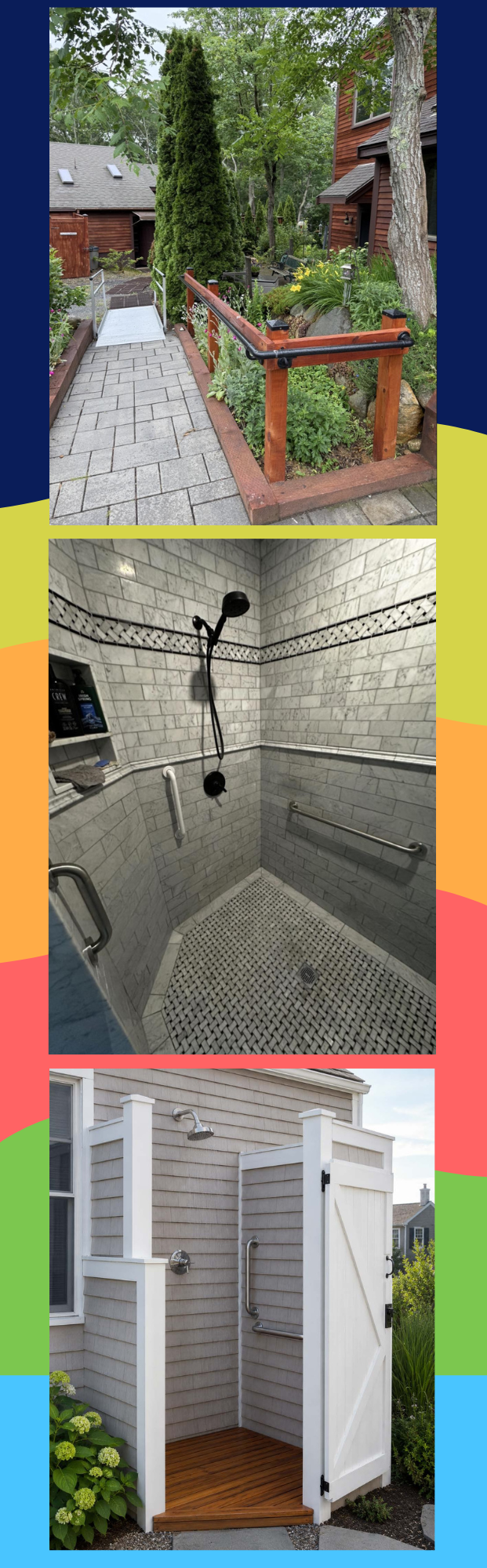
Simple improvements such as secure handrails, better lighting, non-slip walking surfaces, or a gently sloped ramp can make entering and leaving the home significantly safer
The Bathroom: One of the Highest-Risk Areas
Bathrooms are one of the most common locations for falls because of wet surfaces and limited space. Adding professionally installed grab bars, replacing a traditional tub with a walk-in shower, installing a comfort-height toilet, or using a handheld showerhead can greatly improve safety while maintaining dignity and independence.
Many of these modifications blend seamlessly into the home's design and no longer have the "institutional" appearance people often imagine.
Think Ahead, Not Just About Today
Planning ahead doesn't mean you expect your health to decline. It means preparing your home to adapt if your needs change.
For some homeowners, that may mean widening a doorway during a remodeling project. Others may choose a stairlift or a residential elevator if stairs become more challenging. Making these decisions before they become urgent often results in more options, lower stress, and better outcomes.
Every Home Is Different
No two people, or homes are exactly alike. Age, medical conditions, hobbies, and even the layout of a home all influence which modifications make the most sense.
That's why a professional home assessment can be so valuable. Rather than recommending unnecessary equipment, an occupational therapist evaluates how someone moves throughout their daily routine and identifies practical solutions that help them remain independent.
Sometimes the answer is surprisingly simple. Other times, a carefully planned renovation can allow someone to stay safely in the home they love for many more years.
Aging in Place Is About Living Well
Home accessibility isn't about giving up independence, it’s about preserving it.
The goal is to reduce fall risk, make daily activities easier, and allow people to continue enjoying their homes, families, and communities with confidence.
Whether you're planning for yourself, helping an aging parent, or simply thinking ahead, taking proactive steps today can help avoid unnecessary injuries tomorrow.
After all, the best home modifications are the ones you have in place before you ever need them.
About the Author
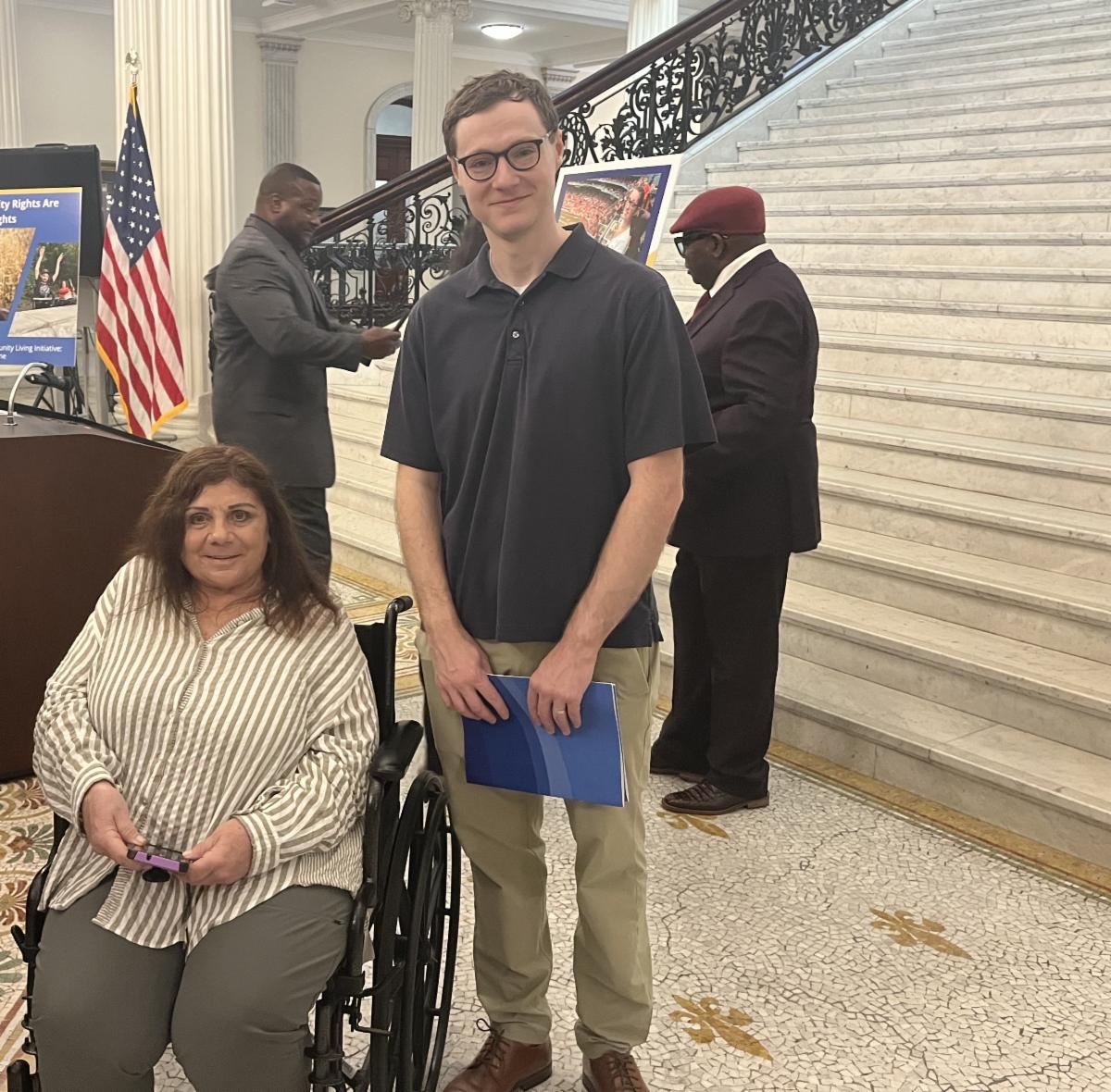
Daniel Lynch, OTR/L is an occupational therapist with Oakley Home Access, where he specializes in accessibility evaluations, aging-in-place planning, and home modifications throughout Southeastern Massachusetts and Cape Cod. Daniel works closely with homeowners, families, contractors, and healthcare professionals to create practical solutions that promote safety, independence, and quality of life.
|