News & Updates

June 2026 | Volume 4 Issue 9

Upcoming Events

Join us at the Dennis Center for Active Living's Summer Kick-Off Open House for the unveiling of their new Digital Literacy Learning Lab. Details here.

Beginning Monday, July 6, Elder Services of Cape Cod and the Islands, Inc. will once again be distributing coupons for individuals who are 60 years of age or older and low income (i.e., individuals who qualify for programs such as Food Stamps, Mass Health, fuel assistance) for the purchase of produce at local Farmer’s Markets in Barnstable, Dukes and Nantucket Counties. Learn more here.

Recent Events

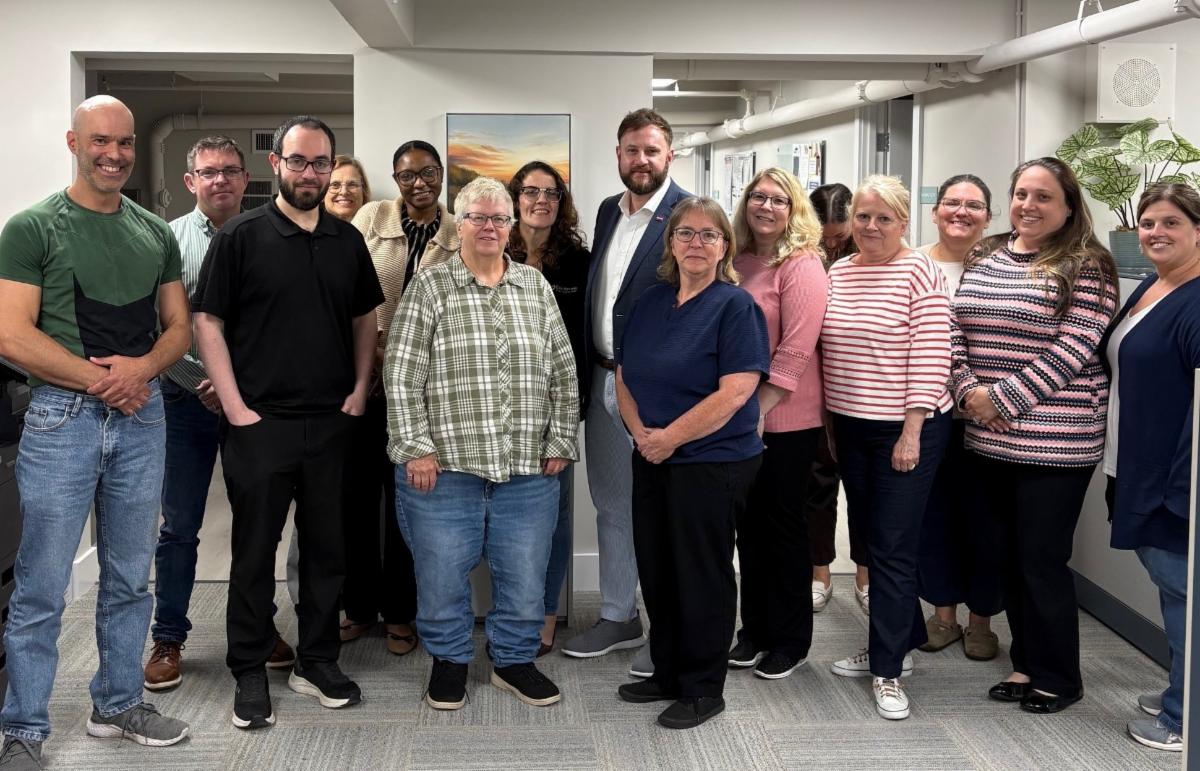
State Senator Julian Cyr recently met with ESCCI staff to discuss state funding for Meals-on-Wheels and other state-funded services of older adults. Senator Cyr has taken a leadership role in advocating for increased Meals-on-Wheels funding on Beacon Hill. If you want to take action to support this essential service, log into MAA's Take Action Center to write to your state representatives. Be sure to mention your connection to Elder Services of Cape Cod and the Islands in your email.

Ready to Lead

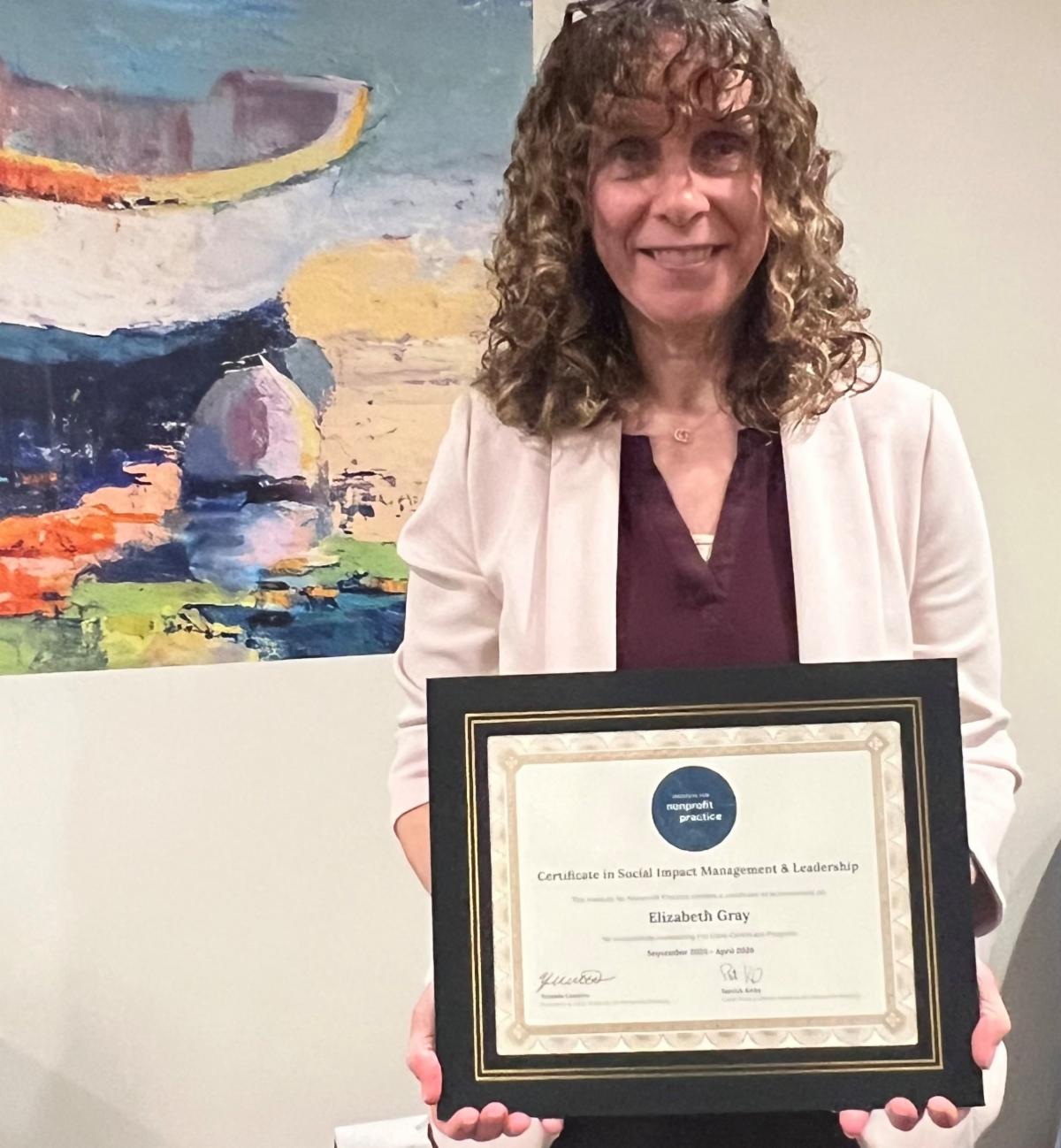
We're proud to announce that Human Resources Director Betty Gray has earned a Certificate in Social Impact Management and Leadership from the Institute for Nonprofit Practice. Reflecting on the course, Betty said, "The best part was undoubtedly the cohort of Cape Cod not-for-profit leaders it brought together. The bonds we formed were unexpected and lasting — we will continue to show up in each other's lives, supporting one another, long after the course ended. That community of relationships is truly special." And, also, so typically Cape Cod!

In Case You Missed It!

Elder Services, in partnership with the Alzheimer's Family Support Center of Cape Cod has recently begun offering Medicare's Guiding an Improved Dementia Experience (GUIDE) program to area residents living with dementia and their caregivers. Molly Perdue, Executive Director and Co-Founder of AFSC was recently interviewed by Mindy Todd on WCAI's The Point. The interview provided a platform for educating listeners about dementia and about GUIDE. Take a listen here.

June is Elder Abuse Awareness Month.


Every older adult deserves to live with dignity, respect, and safety. Elder abuse can take many forms. If you are concerned that an older adult may be at risk, don't wait for proof. Trust your instincts and reach out. A simple phone call could make a life-changing difference.


To report suspected elder abuse, neglect, or exploitation, call the Massachusetts Elder Abuse Hotline 24/7 at 1-800-922-2275. Elder Services is the designated Protective Services agency for older adults living on Cape Cod and the Islands and is here to help.


How can elder abuse be prevented?


It’s important to remember that elder abuse can happen to anyone. While we all understand that strong community supports and infrastructure are the best prevention, if you’re an older adult, there are steps you can take to protect yourself. Here is what the National Council on Aging suggests: 


  • Take care of your health.
  • Seek professional help for drug, alcohol, and depression concerns and urge family members to get help for these problems.
  • Attend support groups for spouses and learn about domestic violence services.
  • Plan for your own future. With a power of attorney or a living will, you can address health care decisions now to avoid confusion and family problems later. Seek independent advice from someone you trust before signing any documents.
  • Stay active in the community and in touch with friends and family. This will decrease social isolation, which has been connected to elder abuse.
  • Post and open your own mail.
  • Don’t give out personal information over the phone.
  • Use direct deposit for all checks.
  • Have your own phone.
  • Review your will periodically.
  • Know your rights. If you engage the services of a paid or family caregiver, you have the right to voice your preferences and concerns. If you live in a nursing home, call your Long-Term Care Ombudsman. The ombudsman is your advocate and has the power to intervene.


NCOA's role

The National Council on Aging (NCOA) is proud to champion the rights of older Americans. NCOA strives to ensure that every American can age with dignity and respect and be free from abuse or exploitation. Since 1950, their mission has been improving the lives of older adults, believing that aging well should be a right, not a privilege. Learn more about NCOS’s work to build a society where every person has the resources they deserve to age with health and financial security here.

Protect Yourself from Emerging Scams

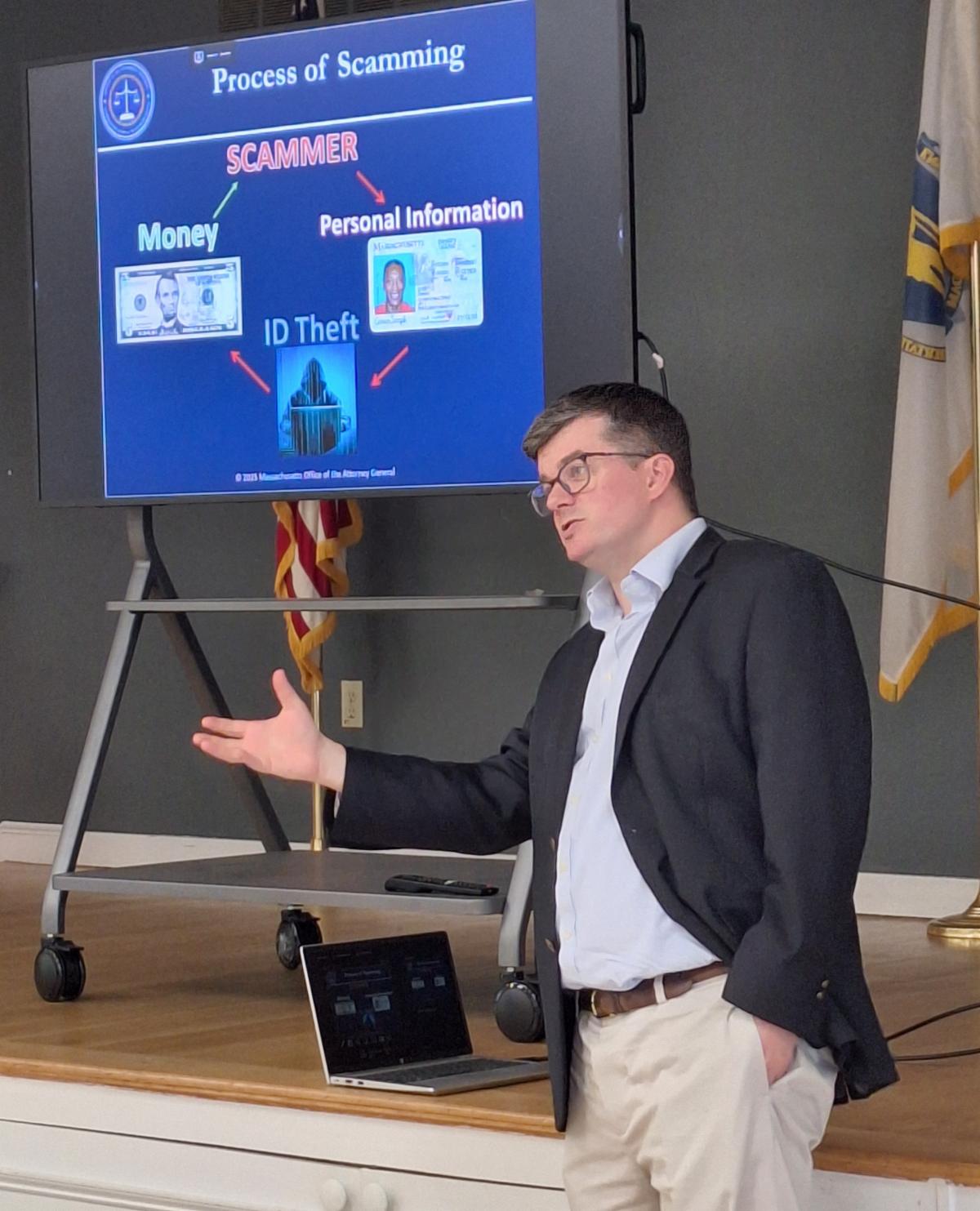
Elder Services recently invited Assistant Attorney General Andrew Musgrove from the Elder Justice Unit presented "Elders & Financial Exploitation: How to Recognize and Avoid Scams" at a recent lunch & learn event in Yarmouth.


In addition to detailing the most prevalent scams currently targeting older adults in Massachusetts, including crypto scams which are the fastest growing scams in the Commonwealth, his talk focused on the best methods for avoiding these scams and what to do if you fall victim to one. 


With the growing presence of bitcoin ATMs, cryptoscams has been a growing concern locally, as detailed in the Provincetown Independent.


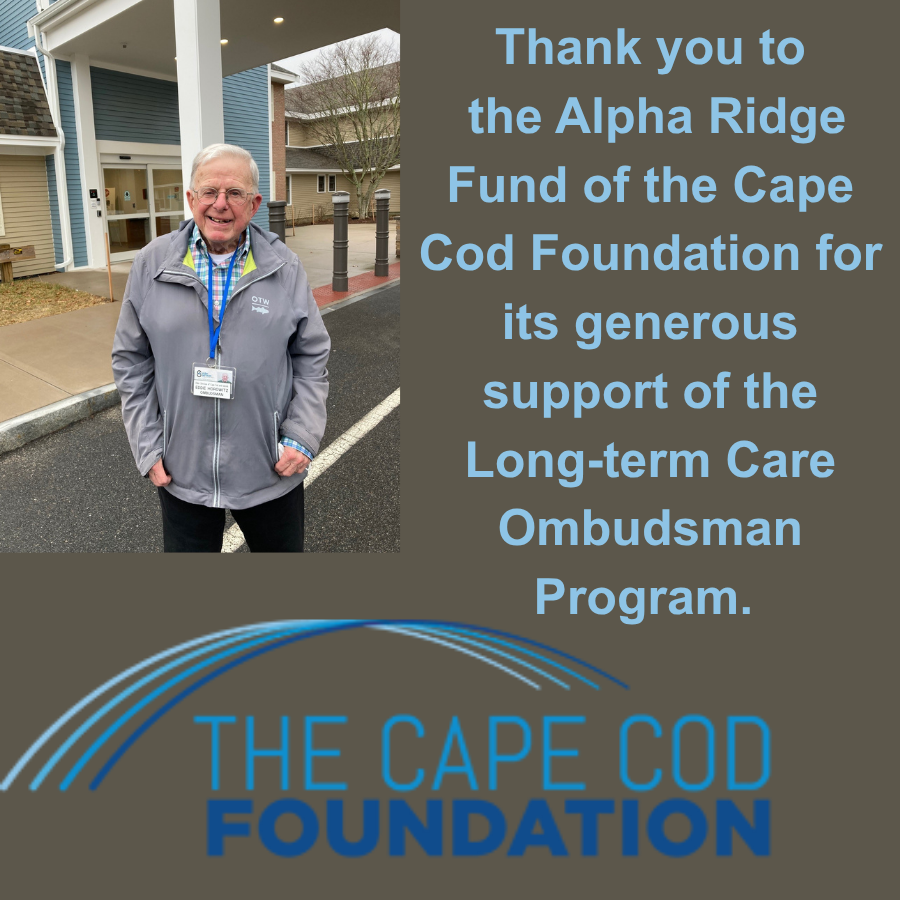
Ombudsman Program Continues to Make a Difference


By Tracy Diggs, LTC Ombudsman Program Manager


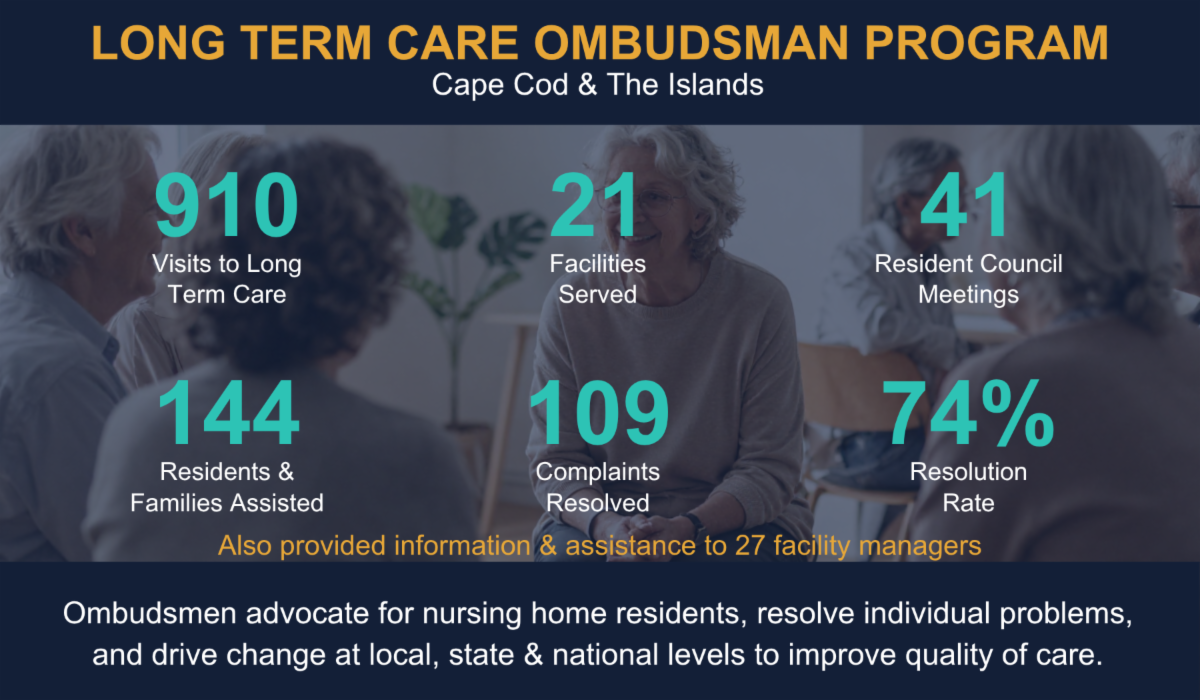
As Director of the Long-Term Care Ombudsman Program, I have the privilege of witnessing every day the profound impact our program has on the lives of residents living in nursing homes and rest homes. The Ombudsman Program exists to ensure that every resident is treated with dignity, respect, and compassion while having their voices heard and their rights protected. For many residents, especially those who may not have regular family involvement or the ability to advocate for themselves, the Ombudsman Program becomes a trusted source of support, comfort, and empowerment.


Residents in long-term care facilities deserve more than just quality medical care — they deserve quality of life. Ombudsman volunteers help make that possible. Through regular visits, conversations, advocacy, and relationship-building, volunteers become a reassuring and familiar presence in the lives of residents. They listen to concerns, help resolve issues, educate residents about their rights, and work collaboratively with facilities and families to improve care and communication. Sometimes the smallest act — taking time to listen — can make the greatest difference in reducing loneliness and restoring a sense of dignity and independence.


The importance of our volunteers cannot be overstated. They are truly the heart of the Ombudsman Program. Without dedicated volunteers giving their time, compassion, and energy, it would be impossible to reach the growing number of residents who need advocacy and support. Volunteers serve as the eyes and ears of the community within long-term care facilities, helping identify concerns and ensuring residents never feel forgotten or alone.


As our aging population continues to grow, so does the need for strong volunteer involvement. Sustaining the Ombudsman Program depends on compassionate individuals who are willing to stand up for vulnerable residents and make a meaningful impact in their communities. Volunteers come from all walks of life, but they share one common purpose: improving the lives of others.


The Long-Term Care Ombudsman Program is more than an advocacy service — it is a lifeline for residents and families. Our volunteers bring kindness, hope, and reassurance to those who need it most. Their commitment strengthens not only our program but also the quality of care and humanity within long-term care communities. We are deeply grateful for every volunteer who helps ensure that every resident’s voice matters and every resident is treated with the dignity they deserve.

Kindness, Integrity, Accountability & Teamwork are the Cornerstones of our Success.

Elder Services of Cape Cod and the Islands, Inc., is a registered 501c3 organization. We rely on numerous sources of income in order to accomplish our Agency’s mission and depend on the generosity of our community to help us reach our goals.

LinkedIn Share This Email
Facebook  LinkedIn