News & Updates

May 2026 | Volume 4 Issue 8


Upcoming Events

Join us at the Dennis-Yarmouth Regional Health Fair at the DY Intermediate School on Saturday, May 30. Click here to learn more.

Health and Resource Fair at the Falmouth Senior Center on Monday, June 15. We look forward to seeing you there.

Recent Events

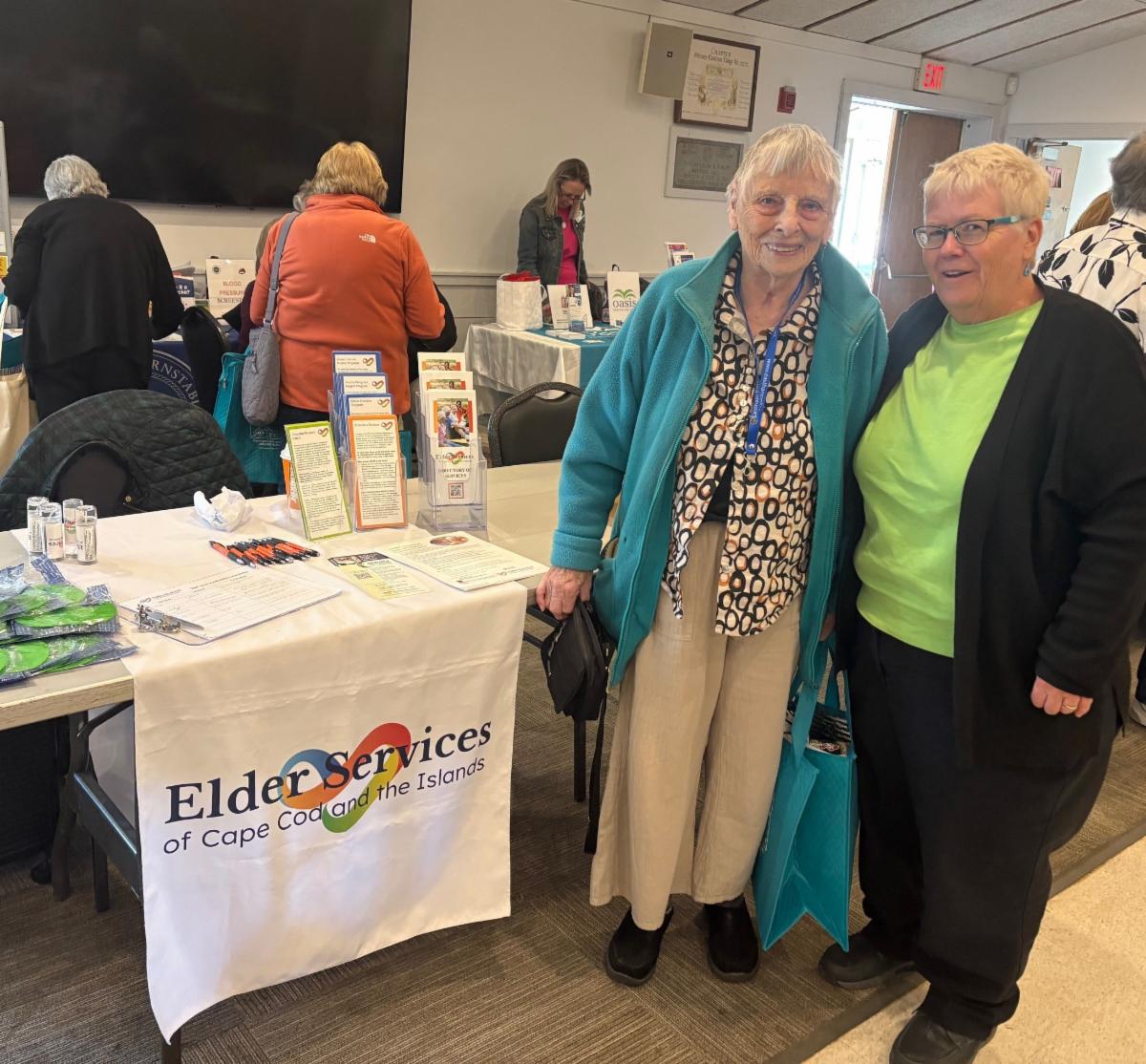
ESCCI CEO Maryanne Ryan chats with Joan Howland at the Eastham Community Health, Wellness & Safety Fair earlier this month. Eastham Council on Aging Director Dorothy Burritt reports that Joan is one of four centenarians currently residing in Eastham.

New Osteo Class Opens in Yarmouth: Enrolling Now!

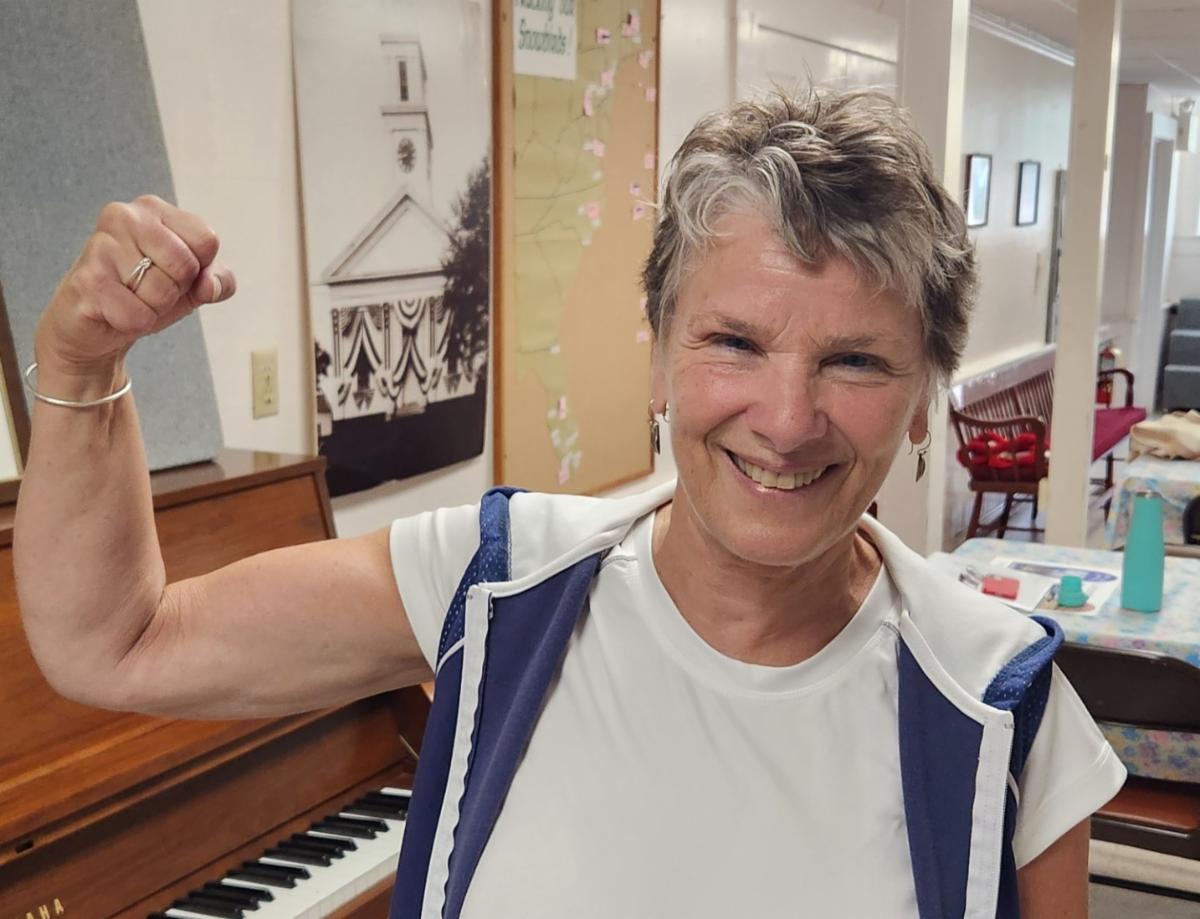
On May 11, we opened a new location for our Osteoporosis Prevention Exercise Class. Volunteer instructor Sarah Wormer is leading a class that meets on Mondays and Wednesdays at the Yarmouth Senior Center. Learn more about our Osteo classes and how to enroll here.

Cape Youth Inspire Change

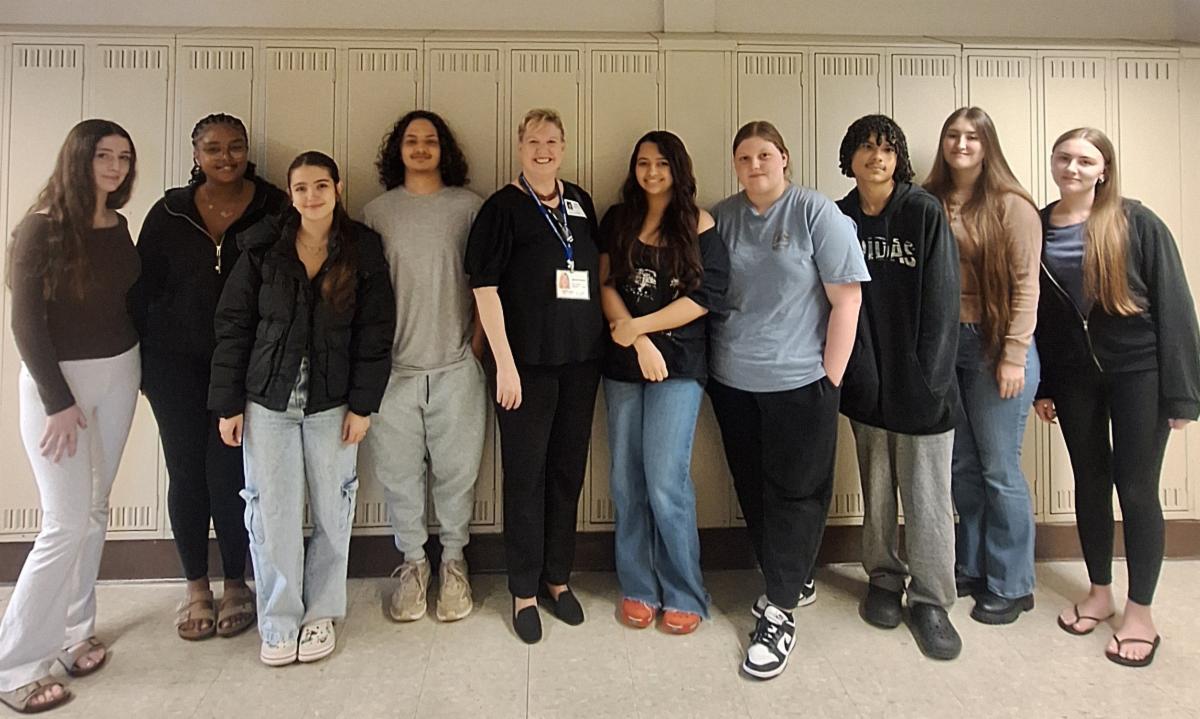
Community Services Officer Sarah Franey had a great time presenting to the Dennis-Yarmouth High School Social Assistance Class, pictured above. The students were very interested in the social and economic conditions impacting aging. "The students had some terrific questions too," Sarah reported. "They wanted to know about companion services and how to overcome some elders' resistance to receiving medical or social health assistance. Very inspiring!" 

Trying Something New

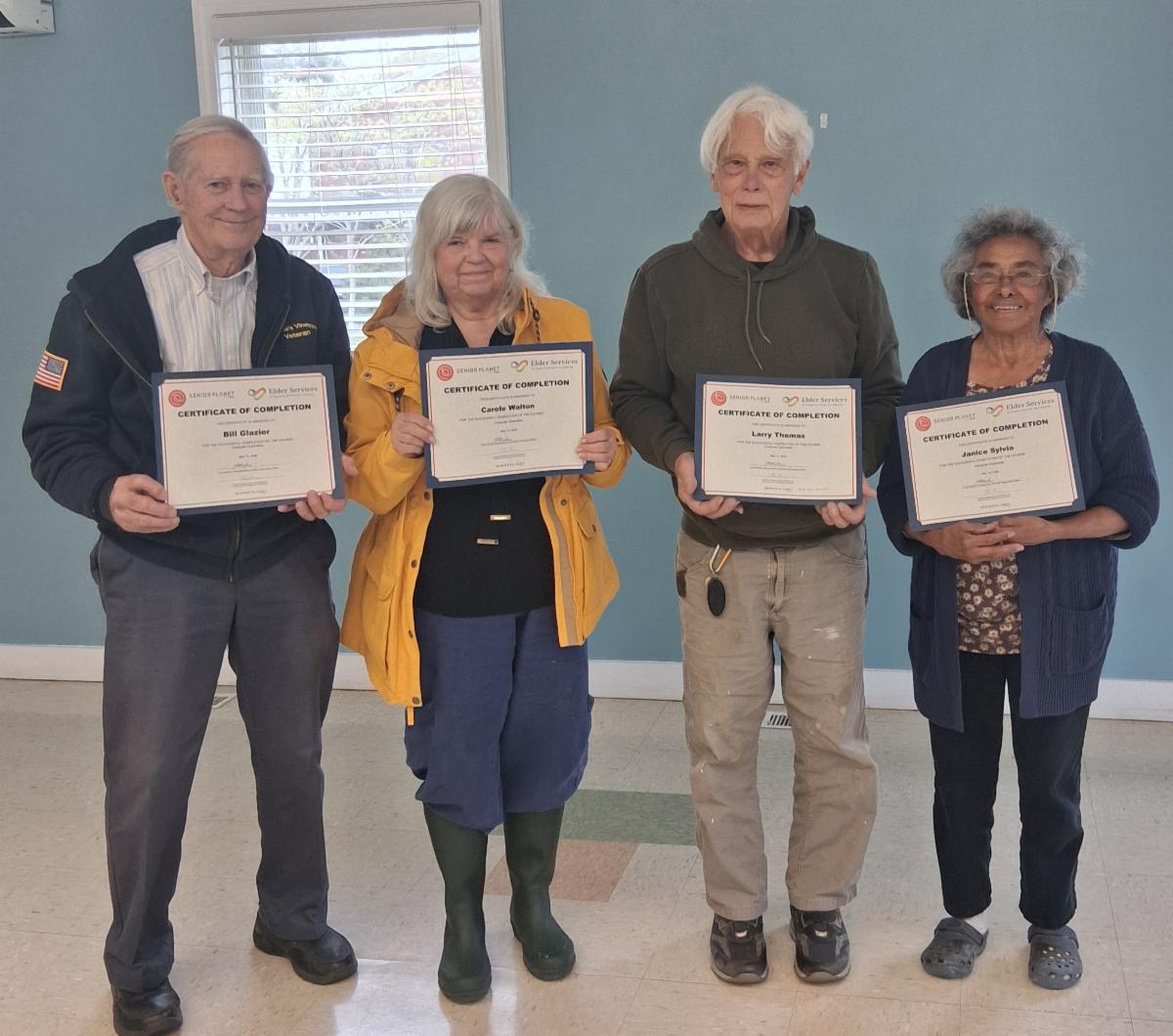
Healthy Aging Martha's Vineyard (HAMV) invited us to try offering our Senior Planet classes on the Island this spring. The Oak Bluffs Council on Aging stepped up to offer space, so trainer Denise Magnett was able to offer the Computer Essentials class to Vineyard residents. After graduation, Lauren Bagnall of HAMV wrote to us: "I wanted to share how wonderful Denise has been throughout the program. She did an excellent job, and it’s clear how deeply she cares about her students and their learning experience. We will truly miss having her here."


By Laura Roskos, Public Information Officer


May is Older Americans Month, and this year’s theme, Champion Your Health, calls on each of us to take an active role in managing our own wellbeing, accessing preventive care, and making informed choices in support of a longer, healthier life. It’s an inspiring vision, and one worth celebrating.


But as someone who works daily alongside older adults on Cape Cod and the Islands, I want to gently expand that picture. Because the truth is: we do not age alone, and we never have.


Consider what it actually takes to feel independent. When I get in my car and drive to the farmers’ market, that small act of freedom depends on roads maintained by public works crews, a vehicle inspected by a trustworthy mechanic, a paycheck that keeps the gas tank full, and a body that has benefited from decades of nutritious food and annual check-ups. Independence, in other words, is not a solo achievement. It is the seamless delivery of many interdependencies working quietly in the background.


What surrounds us shapes us — at every age.


Those of us working in aging services know this well. Health outcomes are not primarily the result of individual choices. They are shaped by what researchers call the social determinants of health: the quality of the water we drink, the food we can afford, the healthcare we can access, the communities in which we live. These are structural conditions, and they require collective solutions.


So many of us have chosen to grow older here because we want our later years shaped by the natural world: by salt air and dark night skies, by the quiet that returns each fall. That is something most of us share, whatever our politics or our views on the next road project or housing development. But it is access to healthcare, to reliable home services, even to electricity and wi-fi when the storms come through, that sustains that life. The choice to age in this place is only truly a choice when the support structure exists to make it possible.


We feel this intimately here on Cape Cod. Clean water is not a given: contamination remains a live public health concern across the region. And healthcare access is a challenge in ways that go deeper than geography. When even physicians and home health aides cannot afford to live in the communities they serve, the system strains well before the seasonal crowds arrive. The shortage of affordable workforce housing is not just an economic problem. It is a health problem.

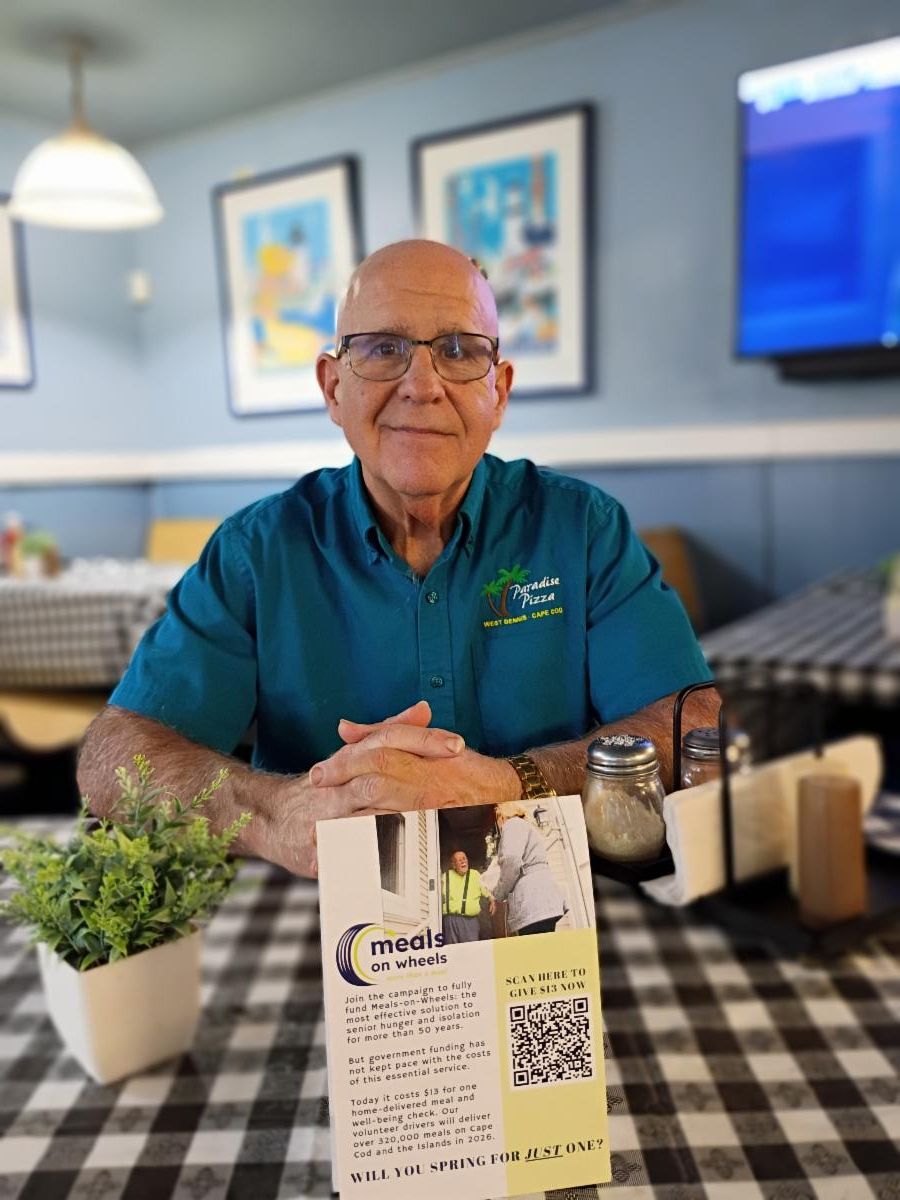
Joey at Paradise Pizza in Dennis

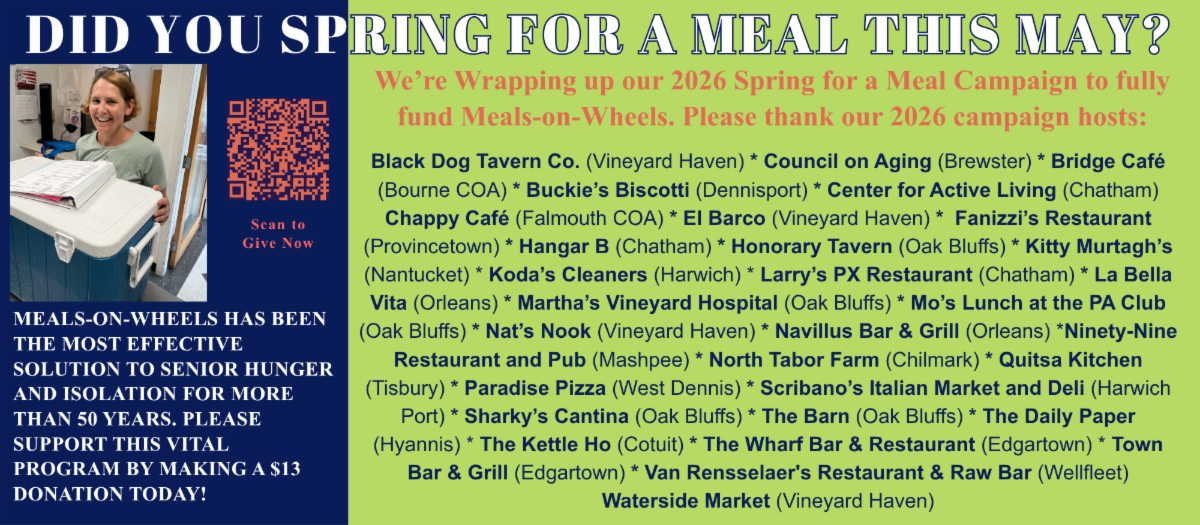
Many of our older neighbors live miles from a grocery store, cannot drive, and depend on home-delivered meals not just for nutrition, but for the daily human contact that arrives with a knock at the door.


That knock matters. For more than 50 years, Meals-on-Wheels has been one of the most effective tools we have for reducing elder hunger and isolation. Here on the Cape and Islands, Elder Services delivers more than 1,200 meals every single day, carried by volunteer drivers into the homes of older adults and people with disabilities who might otherwise go without. This year alone, we will deliver more than 320,000 meals.


And yet federal funding for this essential service has been basically flat for years, even as food and fuel costs rise and the population of older Americans grows. The systems that make independence possible are being asked to do more with less.

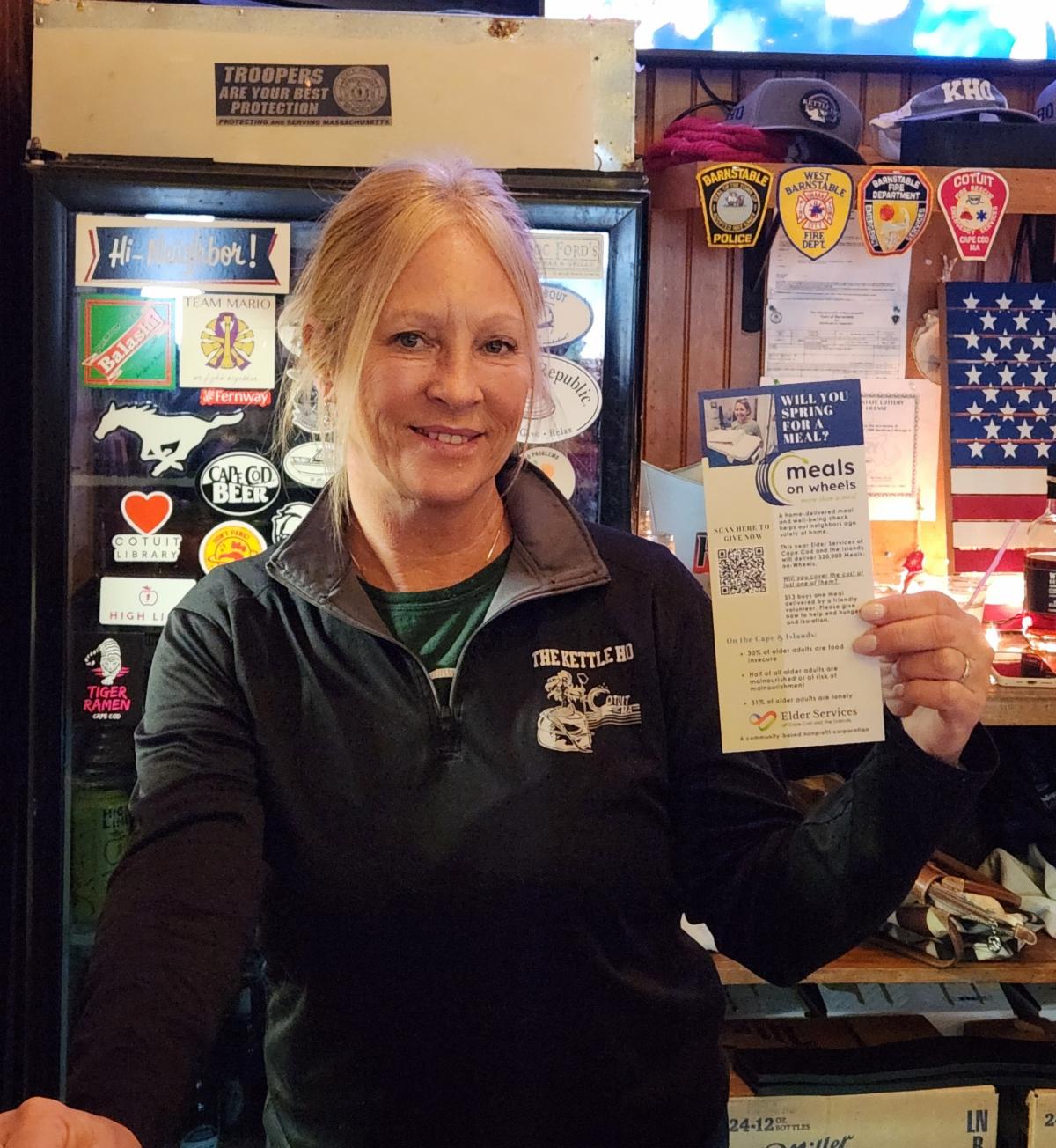
Lisa at KettleHo, a Spring for a Meal participating restaurant

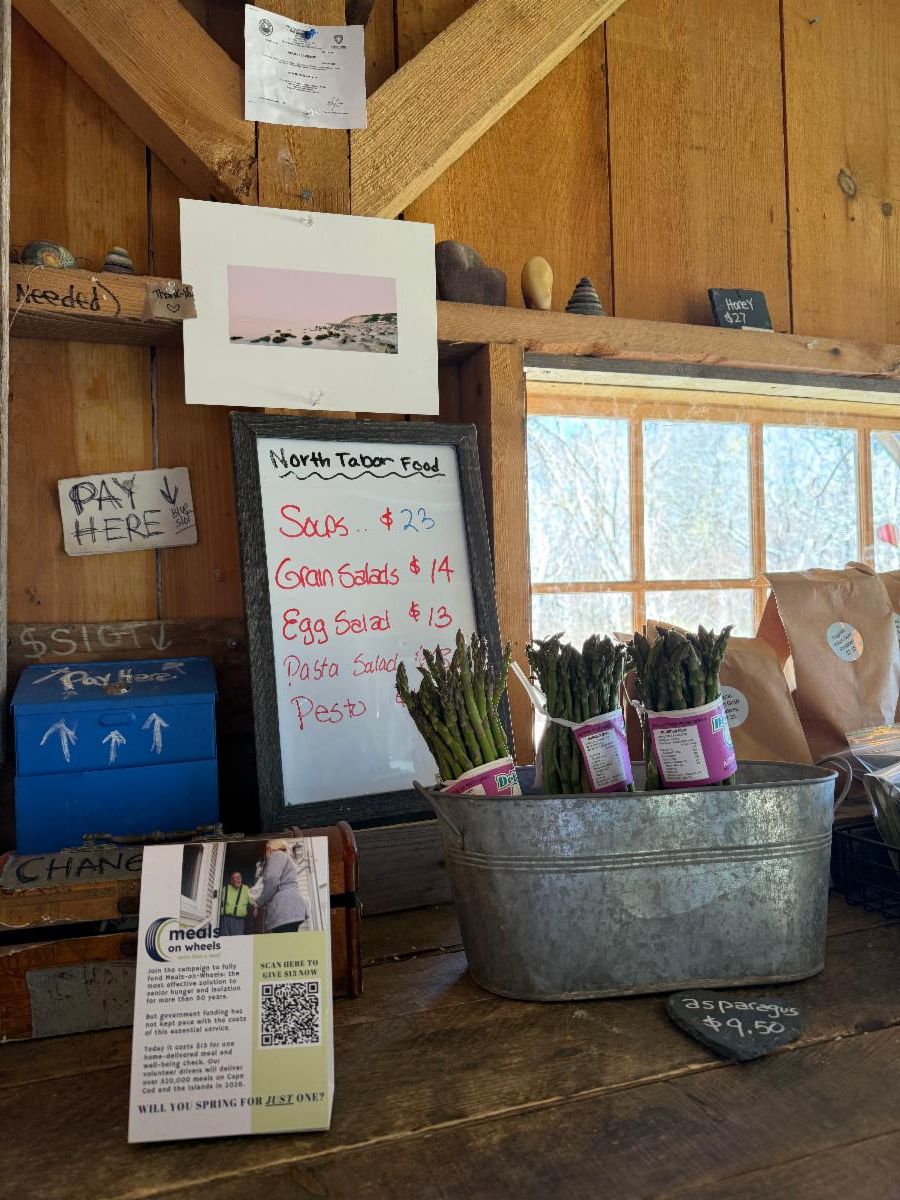
That is why we were thrilled when 32 local businesses volunteered to host Spring for a Meal campaign materials this May, 13 from the Vineyard alone. I hope you’ll consider joining our 2027 Spring for a Meal campaign. Participating restaurants across the region will invite diners to donate the cost of one home-delivered meal — just $13 — via their smartphones while they eat out. It is a simple, tangible act of community: your dinner table helping to set someone else’s.

To champion our health is to recognize that we are all, in some sense, each other’s infrastructure. The older neighbor who can age with dignity and connection does not just benefit herself — she remains available to count horseshoe crabs in June, to argue a zoning article at town meeting, to staff the visitor center when the summer crowds arrive, or to quietly reinvent herself as a fine artist. Older adults are not on the margins of life here. In most of our twenty-one towns, we are the social fabric.


This May, let’s celebrate not only the choices individuals make, but the community we are building together — one that makes those choices possible.

To learn more about the Spring for a Meal campaign email laura.roskos@escci.org or call 508-258-2317.


Massachusetts Home Modification Loan Program Could Be Right for You


By Melinda Flaherty, Program Coordinator at South Middlesex Opportunity Council


If your goal is to age in your current home, you may be thinking about the modifications that will be needed to achieve your goal, particularly if you anticipate changes in your mobility, eyesight or cognition. Although older adults who have acquired disabilities often don’t think of themselves as having a disability, more than 30% of Americans over age 65 have some sort of “physical or mental impairment that substantially limits a major life activity”—the ADA definition of disability.


The Home Modification Loan Program (HMLP) is a state-funded loan program provided by MassAbility in collaboration with Community Economic Development Assistance Corporation (CEDAC) that provides financing to homeowners and small landlords for accessibility renovations/modifications in order to allow seniors or a household member with a disability to live independently in their own home. The loan is up to $50,000 for land and dwelling properties and $30,000 for mobile homes with 0% interest and a 50-year note. Landlord guidelines are slightly different with a 3% interest, amortized loan.


To be determined eligible for the HMLP, a project must directly help someone living in the home to function on a day-to-day basis. In addition, the household must meet income and asset guidelines, and be current on tax obligations. The HMLP loan is secured by a mortgage on the property, with repayment typically required only upon property sale or transfer of deed title.

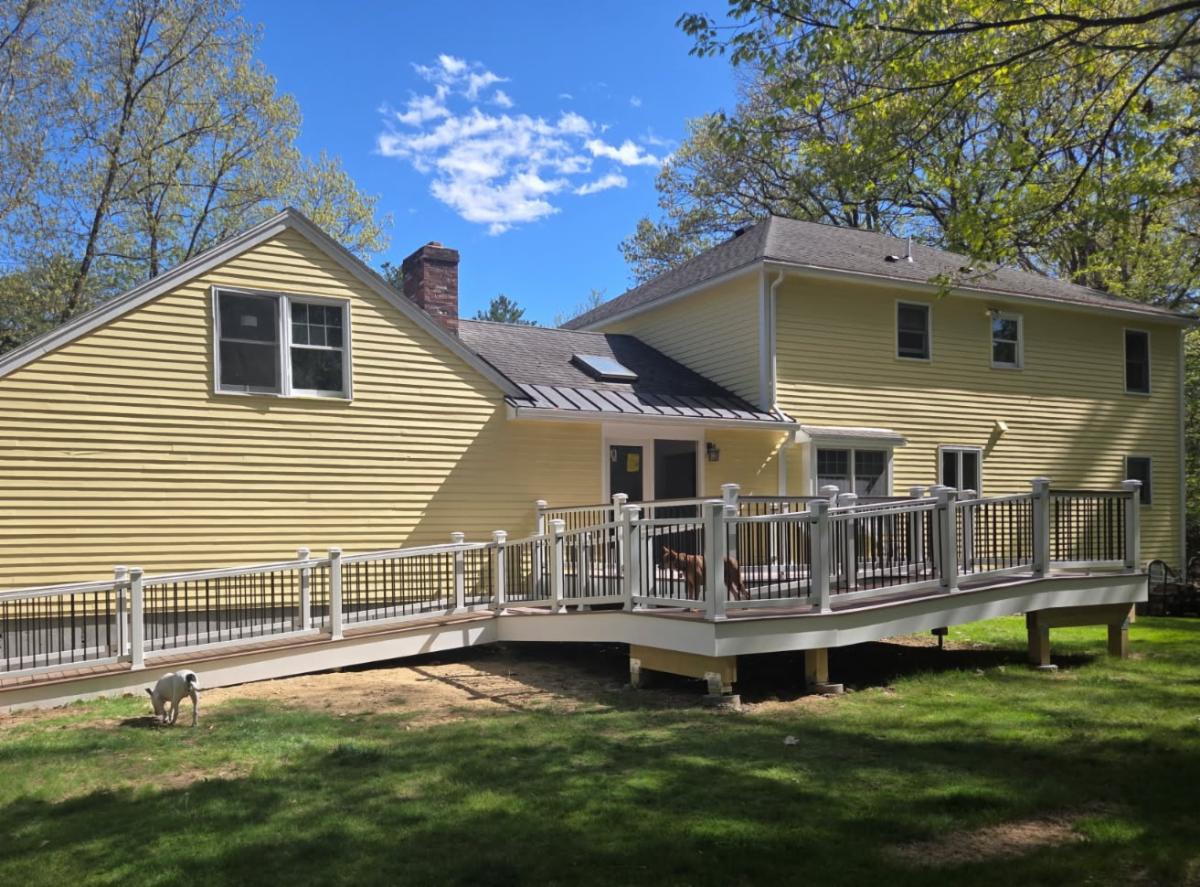
Funds can support a wide range of modifications that improve daily functioning, including wheelchair ramps, stairlifts, platform lifts, widened doorways, grab bars, walk-in showers, kitchen adaptations, hard-wired alarm systems, fencing, and sensory or therapy spaces. These changes help prevent falls, enhance mobility, and allow loved ones to stay in familiar surroundings with greater confidence and dignity.


A valuable feature of the program is its support for Accessory Dwelling Units (ADUs). Whether built as a separate unit, added to an existing structure, or created within the home, an ADU provides private, accessible living space for a family member who needs support. Many families use HMLP funding to help create these units, enabling seniors . . . . Read more here

Kindness, Integrity, Accountability & Teamwork are the Cornerstones of our Success.

Elder Services of Cape Cod and the Islands, Inc., is a registered 501c3 organization. We rely on numerous sources of income in order to accomplish our Agency’s mission and depend on the generosity of our community to help us reach our goals.


LinkedIn Share This Email
 
Facebook  LinkedIn