|
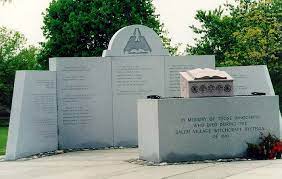
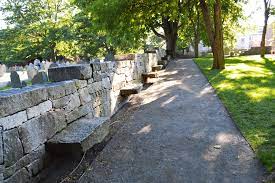
The Salem witch hysteria and accusations that culminated in the execution of 19 victims are a black mark on our history.
Five people were found guilty of witchcraft and hanged on this day in 1692: Rebecca Nurse, Susanna Martin, Sarah Good, Elizabeth Howe, and Sarah Wildes.
Two of the first accused in 1692, Sarah Good and Sarah Wildes, were hanged that day. Motives for many of the accusations were due to politics and land disputes, not just about witches.
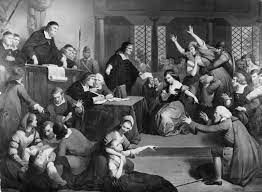
In January of 1692, Reverend Parris' daughter Elizabeth, 9, and niece Abigail Williams, 11, started having "fits." They screamed, threw things, uttered peculiar sounds and contorted themselves into strange positions. A local doctor blamed the supernatural. Ann Putnam, 11, experienced similar episodes. Under interrogation from magistrates Jonathan Corwin and John Hathorne, the girls blamed Tituba, the Parris' Caribbean slave; Sarah Good, a beggar; and Sarah Osborne, an elderly impoverished woman, for afflicting them.
A stream of accusations followed over the next few months.
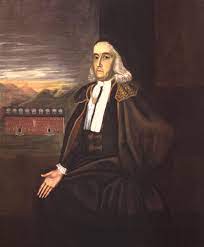
On May 27, 1692, Governor William Phipps ordered the establishment of a Court of Oyer (to hear) and Terminer (to decide) for Suffolk, Essex and Middlesex counties. The first defendant brought to the court was Bridget Bishop, owner of a Salem apple orchard. She was found guilty and, on June 10, became the first person hanged on what was later called Gallows Hill.
Governor Phipps, in response to his own wife being questioned for witchcraft, prohibited further arrests, released many accused witches and dissolved the Court of Oyer and Terminer on October 29. Phipps eventually pardoned all who were in prison on witchcraft charges by May 1693. But the damage had been done: 19 were hanged on Gallows Hill, 71-year-old Giles Corey was pressed to death with heavy stones, several people died in jail and nearly 200 people, overall, had been accused of practicing "the Devil's magic."
|