Greetings from ECE Florida.

The Department of Electrical and Computer Engineering at the University of Florida has set an ambitious goal: to become one of the top-ten ranked public ECE programs in the nation. As part of this six-year vision, we have worked diligently to strengthen performance across key areas. Just three years in, we are already seeing remarkable progress. Research expenditures have grown by 40%, reaching over $34M in FY 2024–25. On a per-faculty basis, expenditures have risen to $640K. The number of endowed faculty has expanded to 23 (41%), and PhD student retention has climbed to 94%. By these and many other measures, ECE Florida is now performing on par with—or surpassing—many higher-ranked departments.


These achievements are a testament to the dedication of our world-class faculty, students, and staff, as well as the unwavering support of our alumni and champions. While we are proud of the strides we have made, we know our journey is far from over. Together, we will continue to build on this momentum and take ECE Florida to even greater heights.


Please enjoy our newsletter featuring some of the ground-breaking work going on in our department.


Warm Regards,


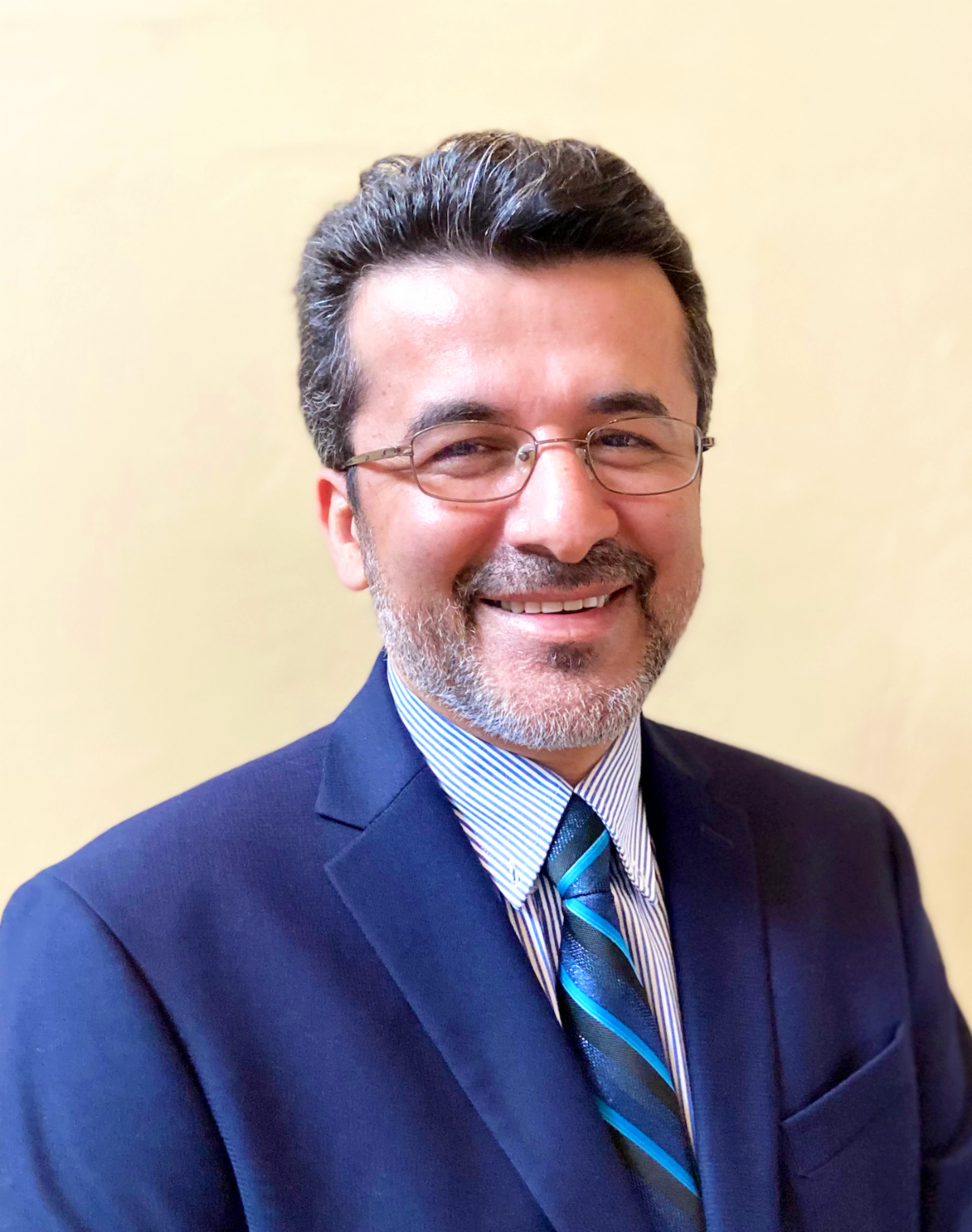
Mark Tehranipoor, PhD, Fellow of IEEE/ACM/NAI

Sachio Semmoto Chair and Distinguished Professor

Intel Charles E. Young Preeminence Endowed Chair Professor in Cybersecurity


Featured News

Four NSF CAREER Awards & Two DARPA YFA Awards in 2025


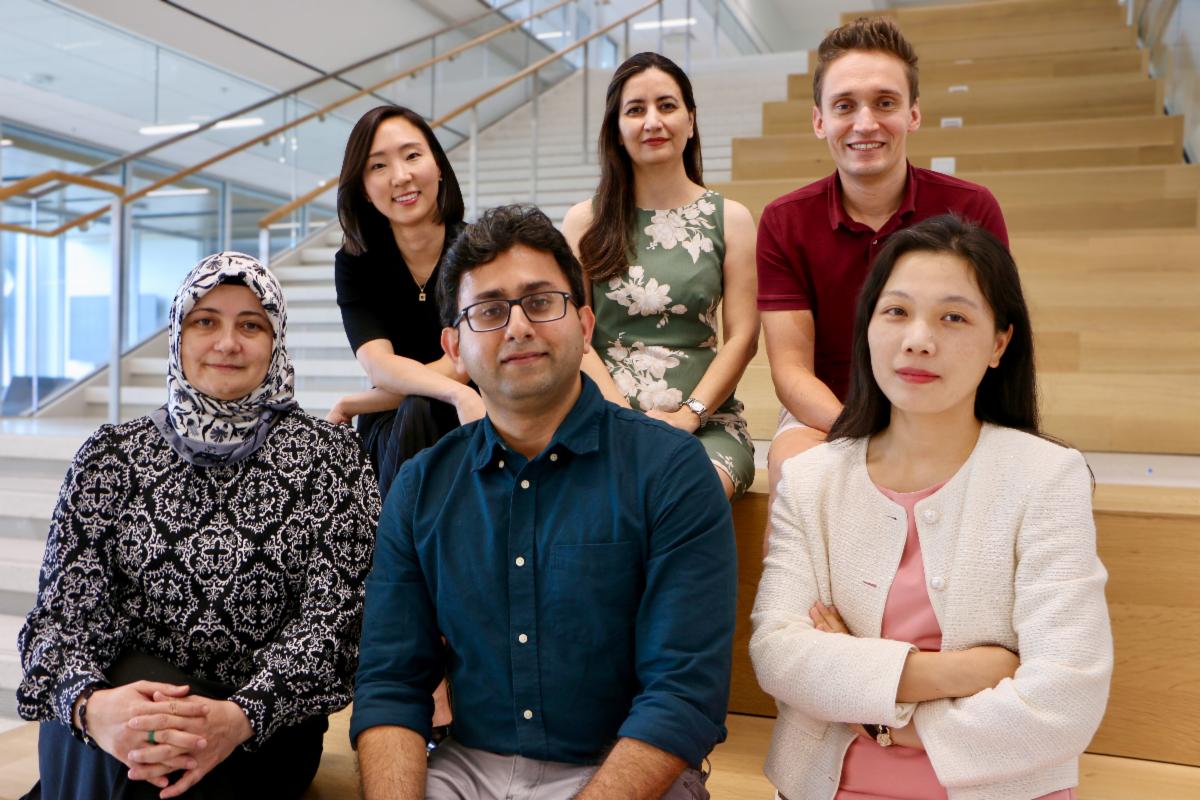
ECE’s early-career faculty members have had an unprecedented string of successes in the past year. No fewer than six early-career faculty members have earned prestigious awards from the National Science Foundation and the Defense Advanced Research Projects Agency in 2025. Their success speaks to the dedication and innovation of these remarkable researchers.


[ More ]

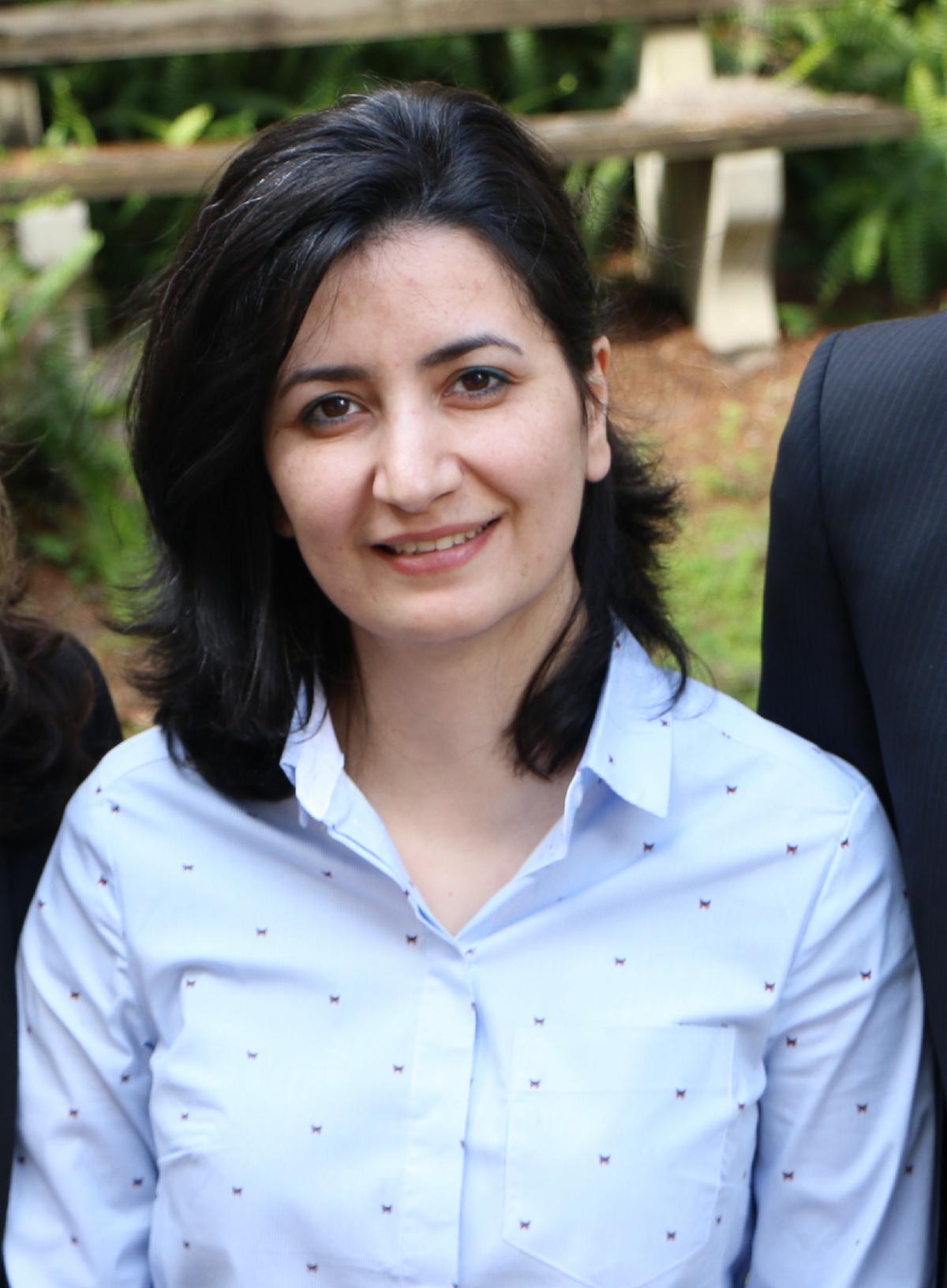
Zoleikha Biron, PhD

NSF CAREER


“Toward Resilient and Secure Cyber Physical Systems: Learn Fast from Experi­ences and Transfer the Knowledge"


Biron is applying novel machine learning techniques to address challenges facing cyber-physical systems with a case study on smart grids.

[ More ]

Baibhab Chatterjee, PhD

NSF CAREER Award


“MED-IoB: Transforming Medical Electronics using Distributed Internet of Bodies (IoB) for Powering, Sensing, Communication and Synchronization”


Chatterjee seeks to revolutionize implantable and wearable medical electronics by enabling seamless data connectivity and power in a network of devices, leveraging the conductive property of the human body.

[ More ]


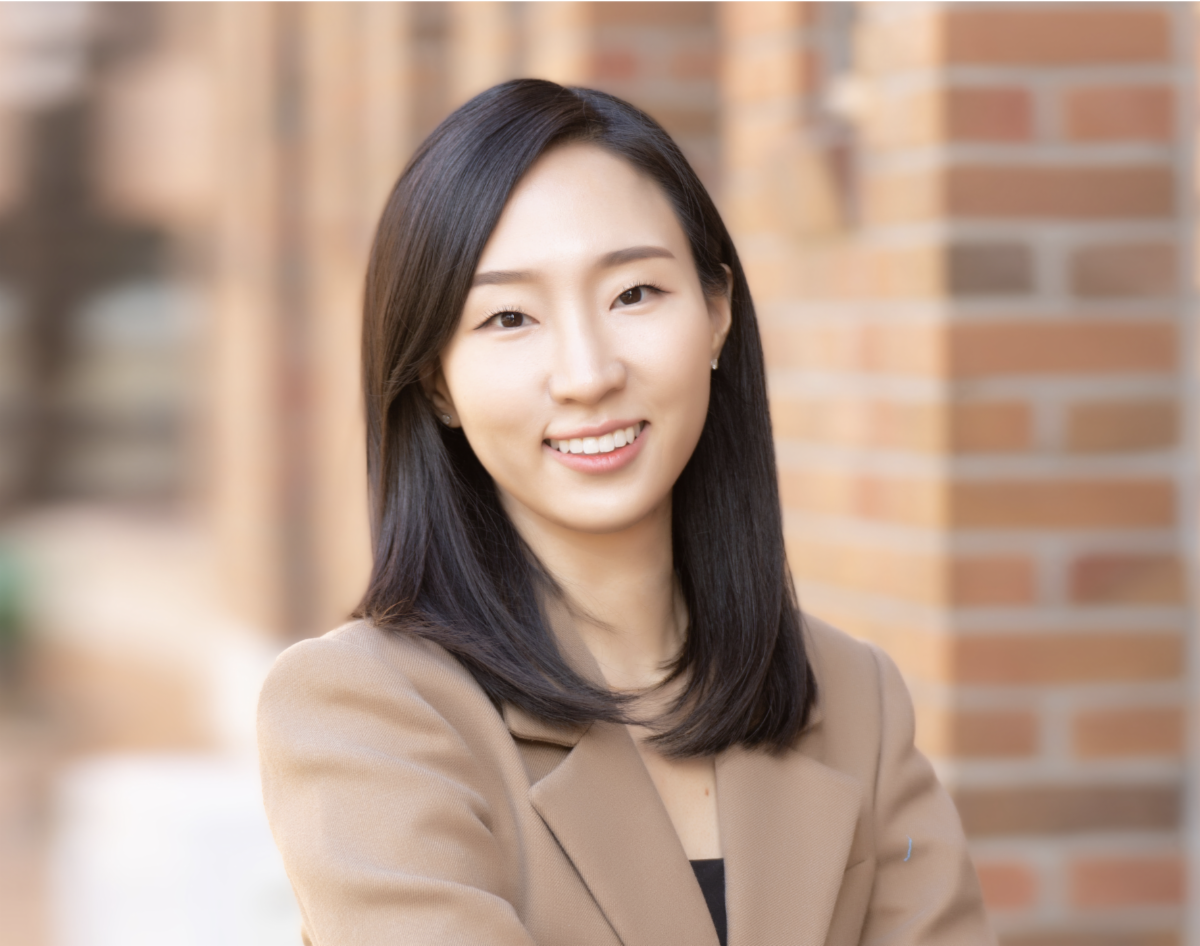
Laura Kim, PhD

DARPA YFA


“Room-Temperature Strong Coupling in Intercalated 2D Plasmonic Systems” 


Kim seeks to unlock quantum phenomena that have traditionally remained exclusive to cryogenic temperatures, bringing them into room-temperature environments by using layered nanoscale materials that confine light with extreme precision.

[ More ]

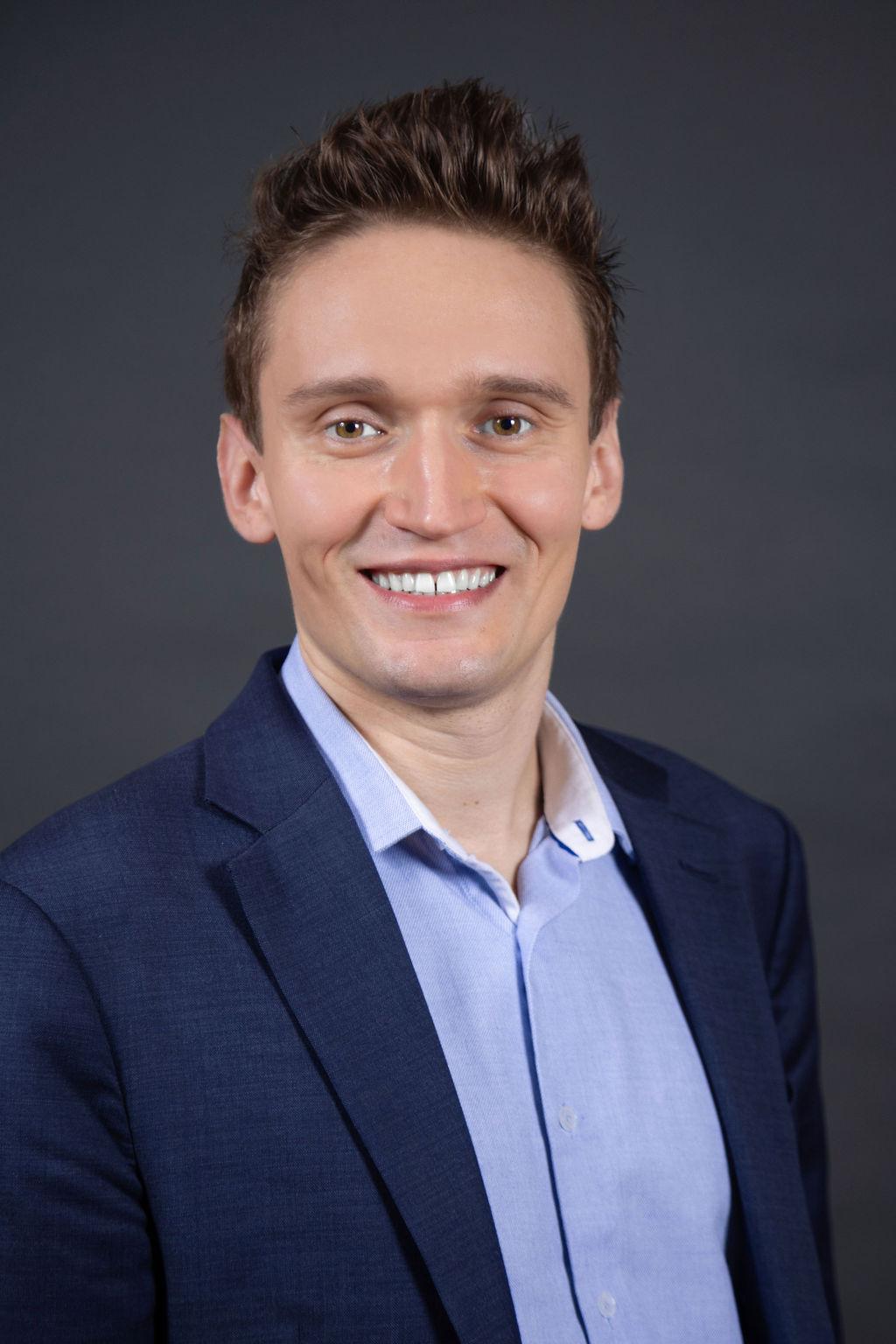
Ivan Ruchkin, PhD

NSF CAREER


“Rigorous Assumption Engineering for Learning-Enabled Cyber-Physical Systems”


Ruchkin is working toward his vision of assumption-aware CPS—ones that behave with an understanding of their own assumptions and limitations.

[ More ]

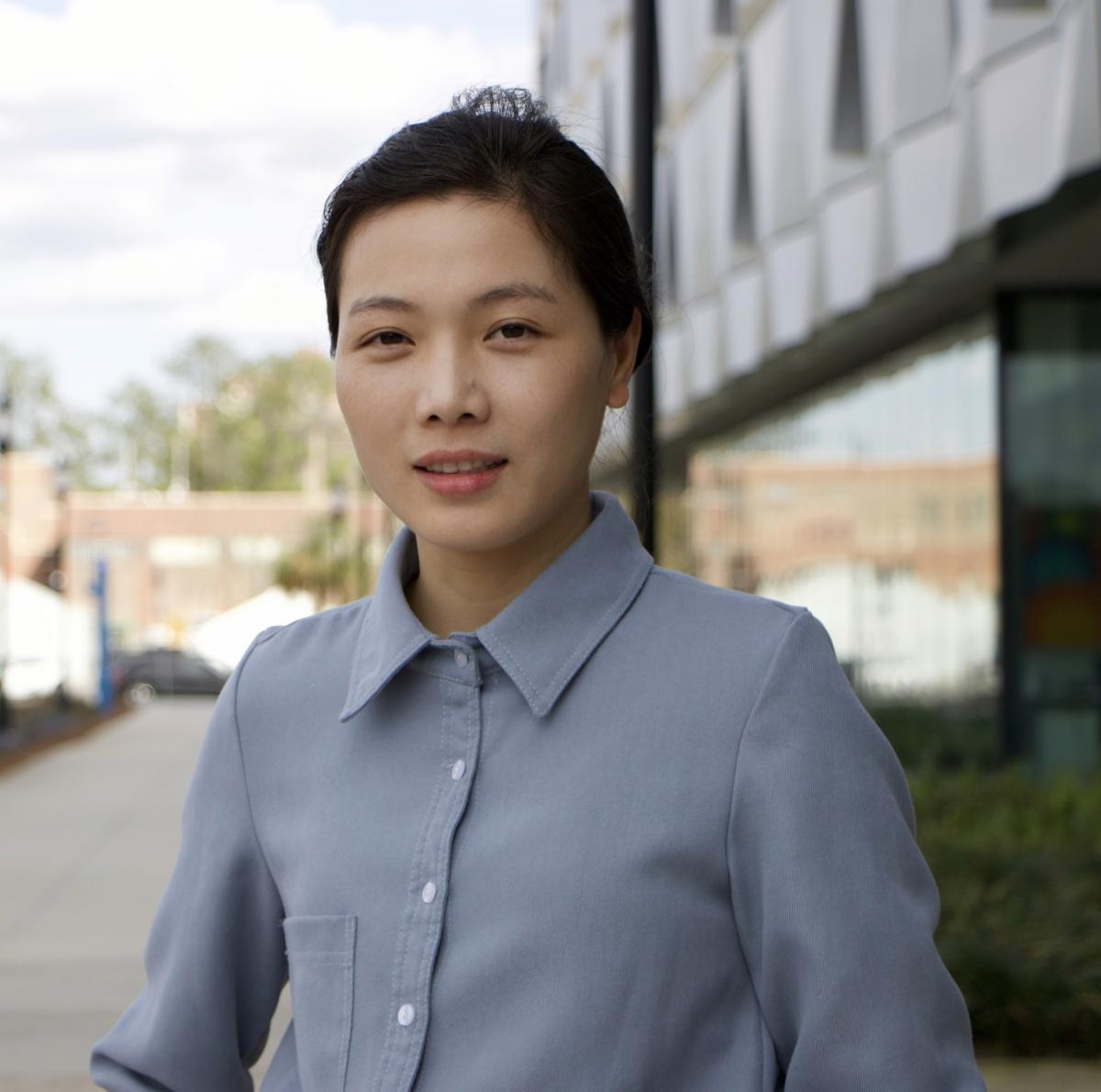
Yingying Wu, PhD

NSF CAREER


“Transforming Quantum Spintronics with Novel 2D Magnetic Transistors and Diodes.”


Wu is working towards creating new quantum hardware devices like magnetic transistors and diodes that use skyrmions.

[ More ]


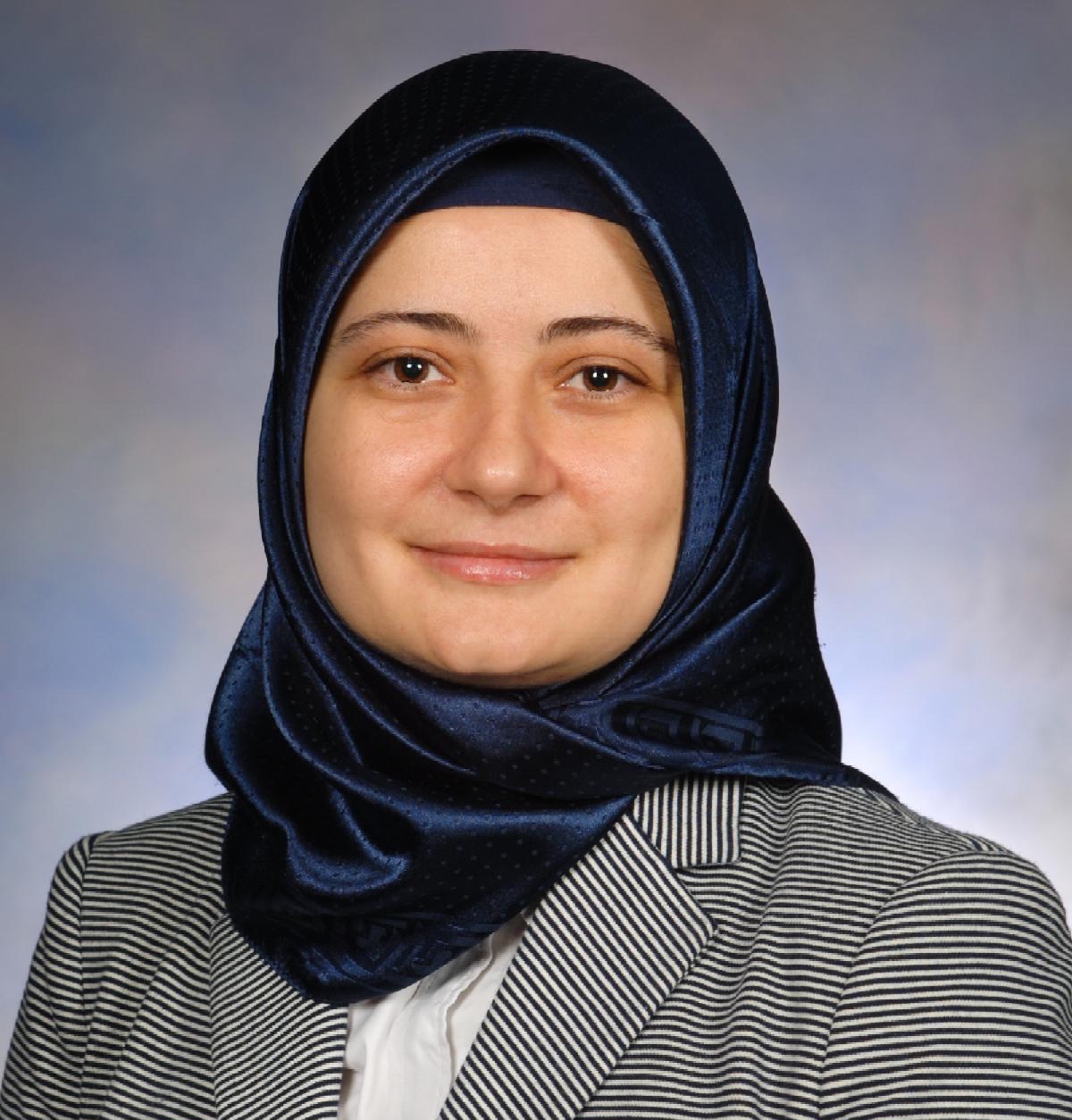
Tuba Yavuz, PhD

DARPA Young Faculty Award


“Constraint-Guided Local Fuzzing of Binaries”


Yavuz is responding to cybersecurity threats using fuzzing techniques to revolutionize malware reverse engineering.

[ More ]

Research Highlights

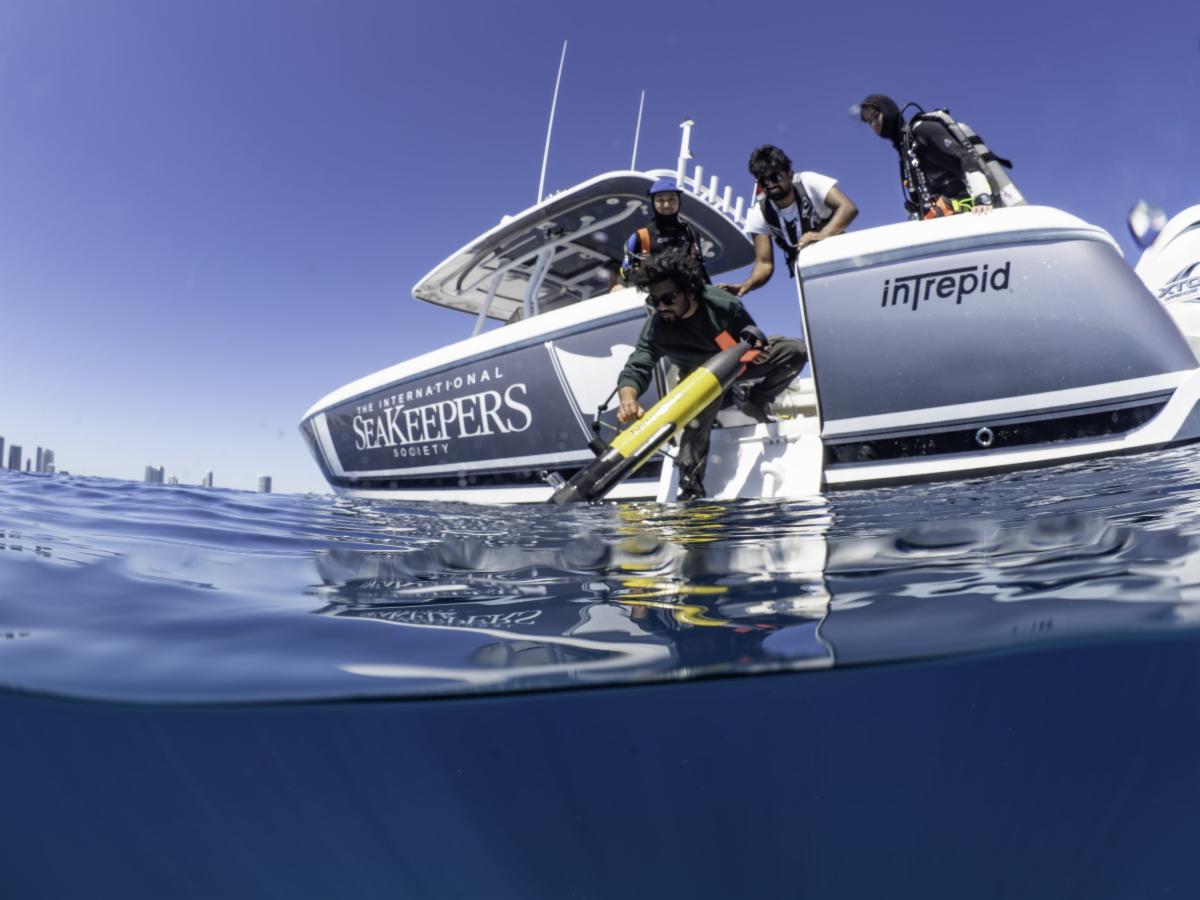
Tech Meets Tide: UF RoboPI Lab Joins Forces for Marine Ecosystem Monitoring


The RoboPI group led by Md Jahidul Islam, PhD, recently joined forces with the Ocean Rescue Alliance International and the International SeaKeepers Society to advance marine robotics for ecosystem monitoring. The collaboration focused on testing fully autonomous survey and mapping technologies designed to better understand the growth and health of remote marine habitats. 


[ More ]

Ray Works to Validate Hardware-Software Interactions with New NSF-Funded Project 


Sandip Ray, Ph.D., has received $300k in funding from the National Science Foundation in support of his research in the area of post-silicon validation. The project, “SOCRATES: Post-Silicon Validation of Hardware-Software Interactions,” is a collaboration with researchers at the University of Illinois-Chicago.


[ More ]

Ivan Ruchkin Is Building Worlds 


Ivan Ruchkin, Ph.D., builds worlds. His recent work, mostly along two major themes, concerns the way autonomous agents perceive the world and, indeed, the way in which the agents’ worlds are constructed. It’s work that verges on the philosophical, but is strongly rooted in machine learning, neural networks, and cyber-physical systems.


[ More ]

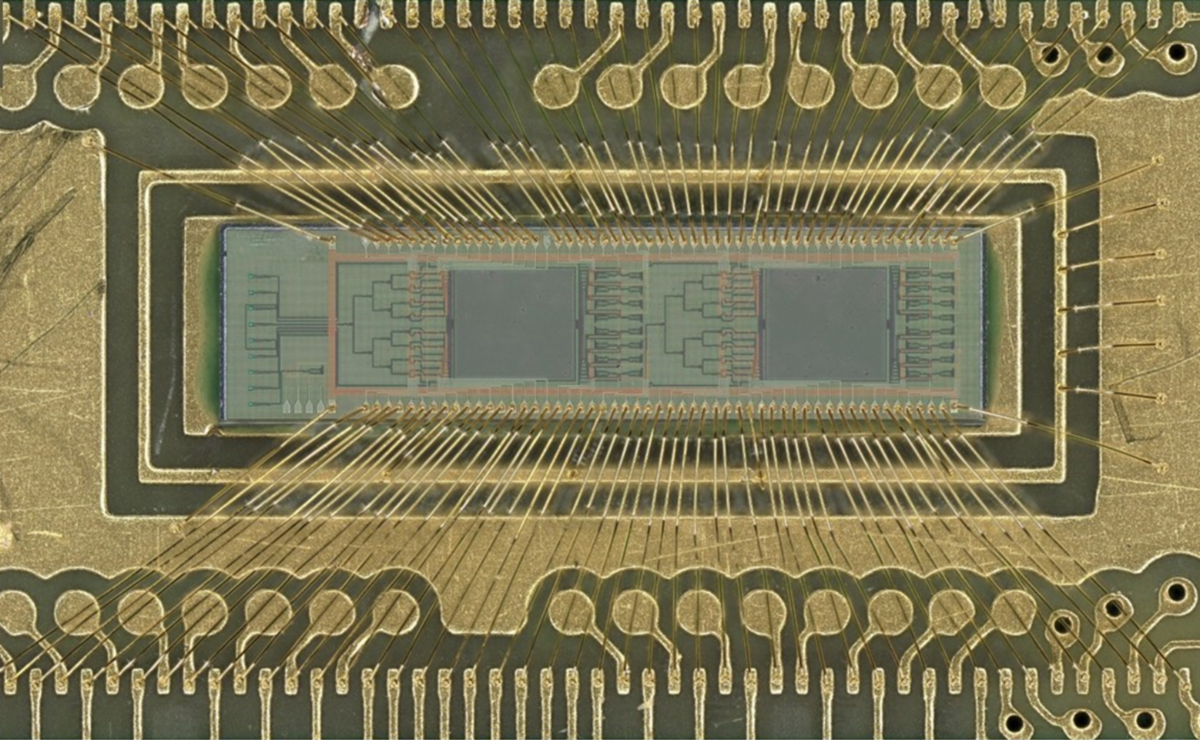
New Light-Based Chip Boosts Power Efficiency of AI Tasks 100 Fold


A team of engineers has developed a new kind of computer chip that uses light instead of electricity to perform one of the most power-intensive parts of artificial intelligence—image recognition and similar pattern-finding tasks. Using light dramatically cuts the power needed to perform these tasks, with efficiency 10 or even 100 times that of current chips performing the same calculations. Using this approach could help rein in the enormous demand for electricity that is straining power grids and enable higher performance AI models and systems.


[ More ]

Faculty News

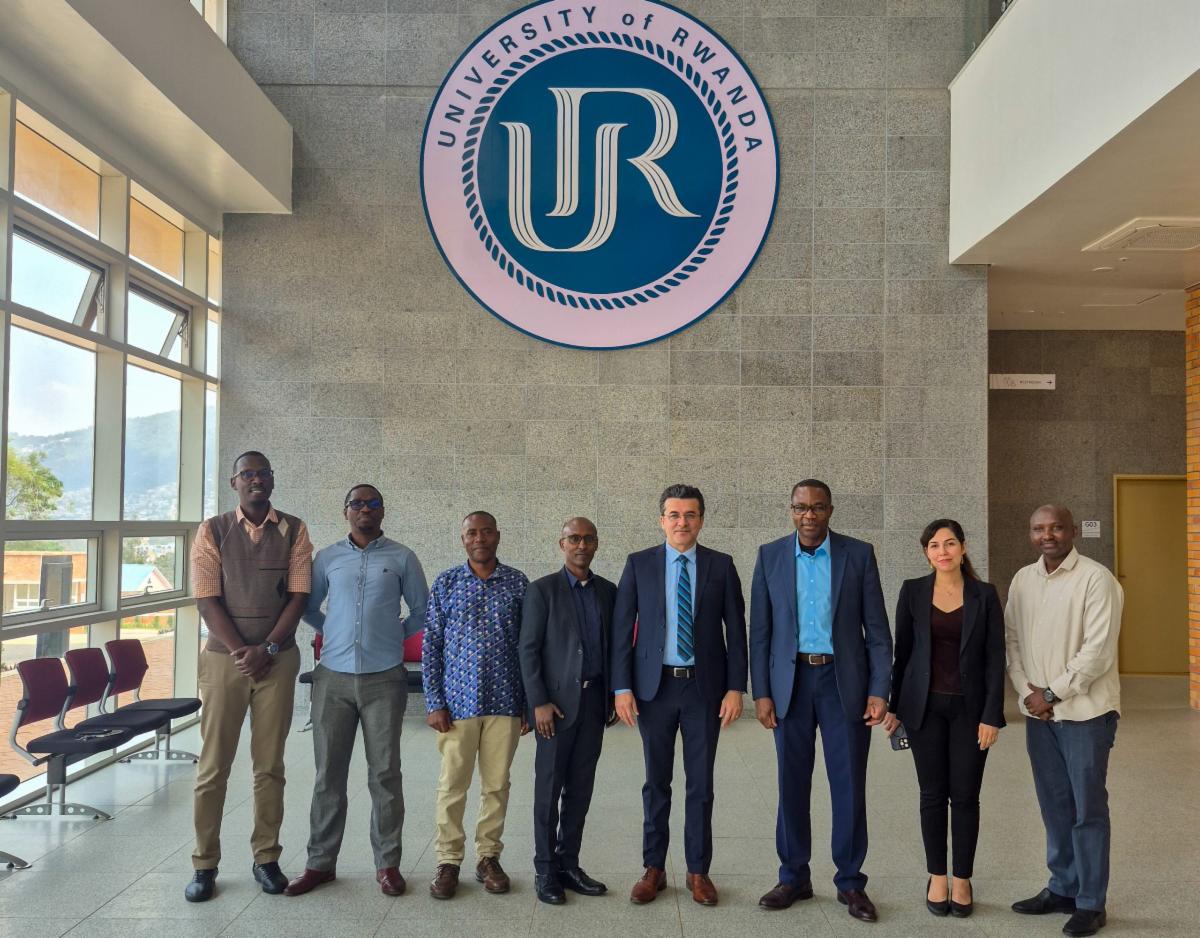
Gator Africa Promises to Bring Collaboration, Exchange with Sub-Saharan Universities


A new initiative, led by Sachio Semmoto Chair of ECE Mark Tehranipoor and ECE Associate Chair for Academics Christophe Bobda, promises to connect University of Florida (UF) students and faculty with their counterparts from ECE departments and engineering colleges across Sub-Saharan Africa. GatorAfrica aims to promote common research projects and knowledge bases while creating an international faculty mentoring program. The program will also create innovative laboratory experiences, allowing students in Rwanda and Kenya to meaningfully participate in lab experiences taking place at UF.


[ More ]

Alumni News

With $650 and Determination, UF ECE Alumnus Created the Digital Computer


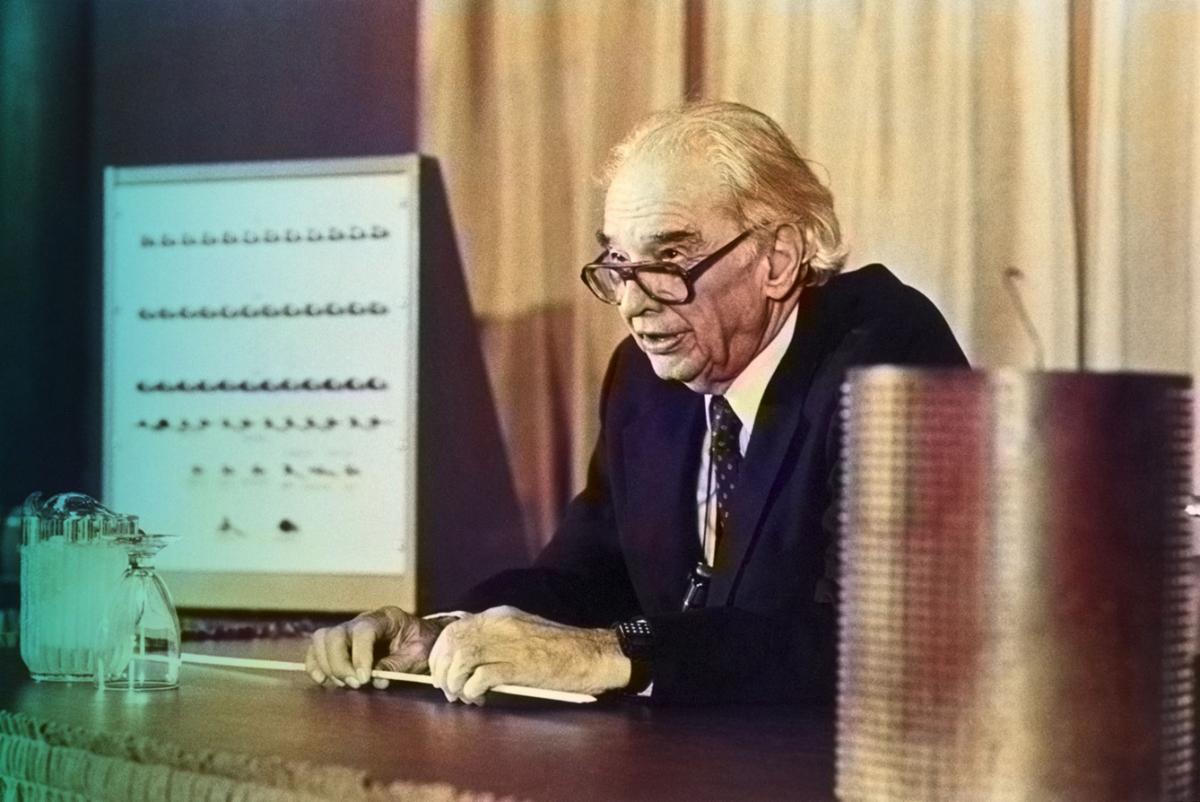
History has come to show that it was in 1937 that an alumnus of the University of Florida Electrical Engineering Department, John Vincent Atanasoff (BSEE ’25), went for a lonely drive and, in a bar, scribbled on a cocktail napkin the beginning pillars of modern computing. In doing so, he invented the digital computer.


[ More ]

Alumni Resources
Linkedin  Facebook  Instagram  X  YouTube