August 2026 Newsletter

For the Defense

Our Firm

Attorneys

Practices

News & Events

Rapid Response

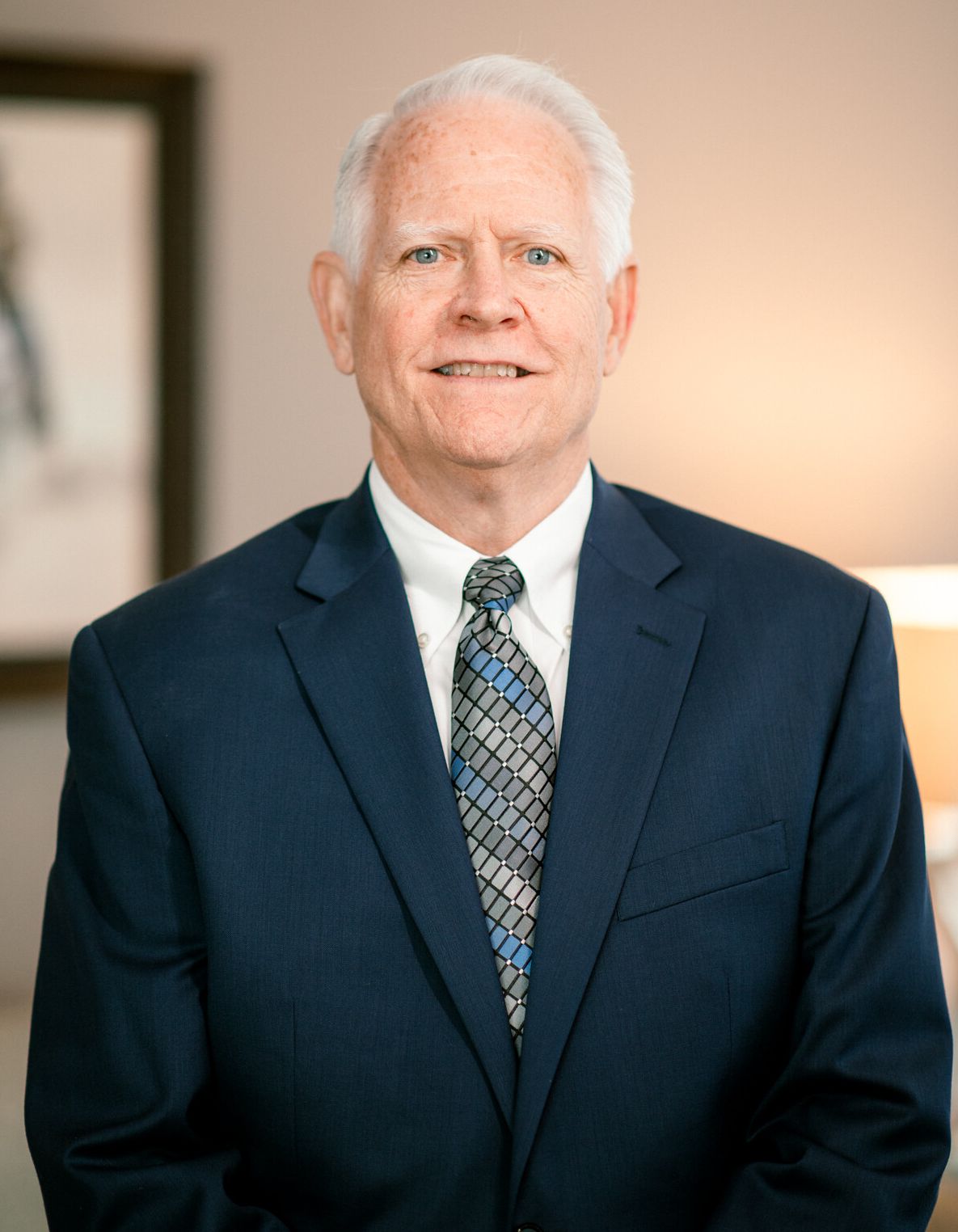
Greetings from Mike Shipman

Over the hot weekend, as I was contemplating writing this greeting for the month of August, I decided to do a little research. As of early August 2026, Dallas-Fort Worth has recorded approximately 13 to 15 days at or above 100 degrees for the year, with the first triple-digit temperature of the season having been officially logged at DFW airport on July 7, 2026. This date is slightly later than the historic average of July 1. The current forecast shows a prolonged mid-August heat wave is adding several consecutive days of 100°F+ highs to the total. Which I can now confirm to be accurate. For those of us who grew up in Texas, those numbers don’t seem to be too unusual. I also learned, which should come as no surprise, that the most triple-digit days happen in July and August. Dallas recorded 71 triple-digit days in 2011 and 55 days in 2023 (I remember that year!). Finally, a little nostalgia. The earliest occurrence of 100°F was March 9, 1911 (100°F). The latest occurrence was October 3, 1951 (106°F) and the hottest temperature ever officially recorded in Texas is 120°F, a record tied by two different locations and dates: Seymour (my hometown) on August 12, 1936, and Monahans on June 28, 1994. I hope you enjoyed the results of my research on the dog days of summer in Texas!! As we approach the last days of summer it is my hope that you spent time over the past couple of months enjoying family, friends, and vacation. School will be starting again soon, so please watch the school zones!!!


We here at Fletcher Farley are appreciative of the relationships we have developed over the years with each of you and look forward to continuing those relationships going forward.   

What Ortiz v. Nelapatla Means for

Texas Injury Cases 


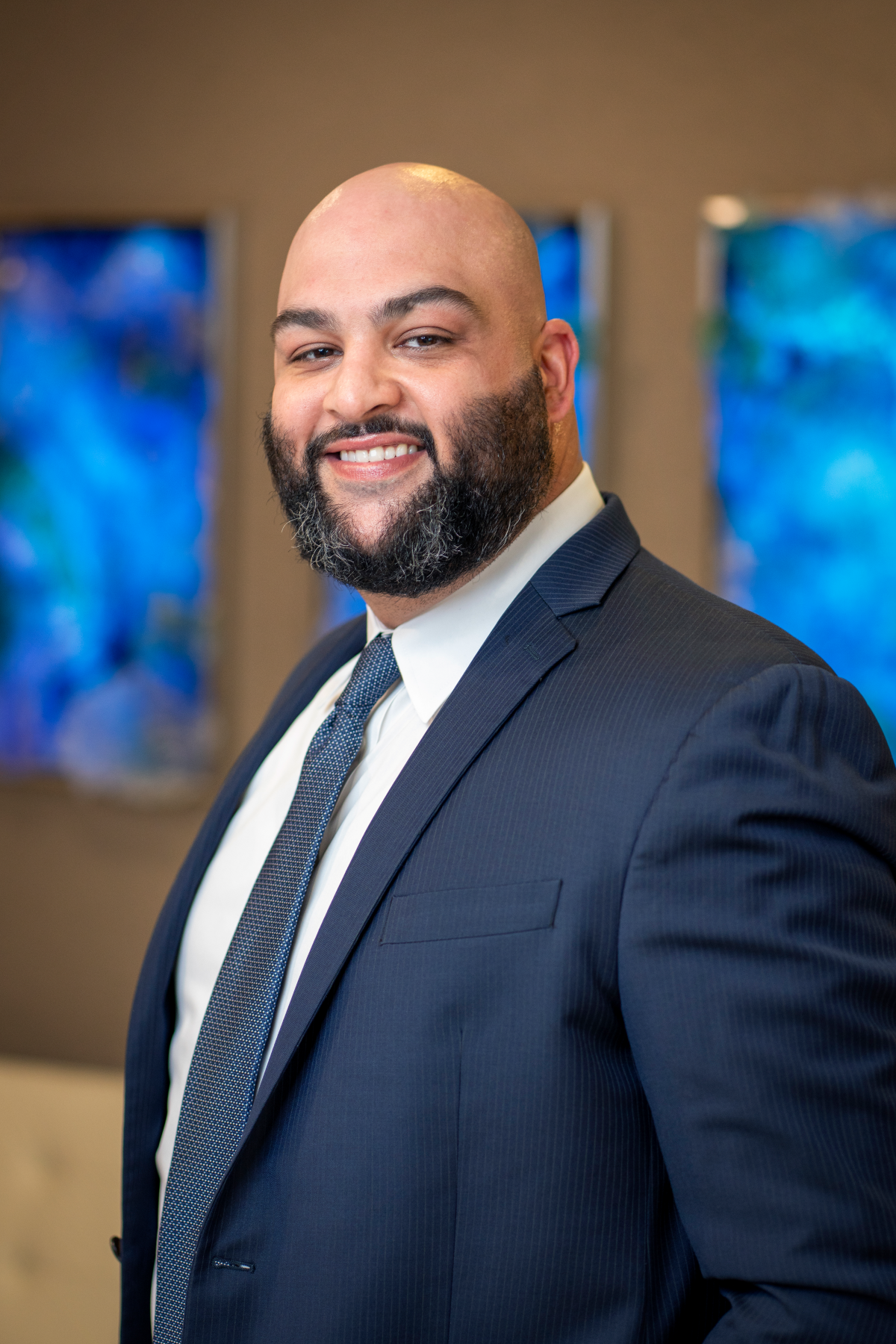
by Ameen Behbahani

When someone gets hurt in a personal injury case, whether it’s a slip and fall or a car accident, their medical bills don’t show up in court by magic – someone has to prove those bills were fair, reasonable, and necessary. In most cases, that means hiring a doctor or expert to testify about those bills – this required testimony can be very costly. Texas has a “shortcut” for this outlined in Section 18.001 of the Texas Civil Practice and Remedies Code. That shortcut now has a new wrinkle, thanks to the Texas Supreme Court’s decision in Ortiz v. Nelapatla.


What is the “shortcut?”


Under Section 18.001, an injured person (the Plaintiff) can skip hiring an expert witness by submitting a sworn affidavit from their medical provider. That affidavit simply says, “This bill was reasonable, and this treatment was necessary.” If the other side (the Defendant) does not object, that affidavit alone is enough evidence for a jury to award those costs.


But the Defendant can fight back by filing a counter-affidavit, also known as a controverting affidavit, which is essentially a sworn affidavit from the Defendant’s expert disputing some or all of the charges. Once that happens, the Plaintiff generally cannot rely on the “shortcut” anymore and instead needs to bring a live, in-person expert to testify to prove the disputed costs.


The new wrinkle from Ortiz v. Nelapatla


Here is where things get messy. In a Target parking lot fender-bender in McKinney, Texas, Plaintiff Ortiz sued Defendant Nelapatla and submitted medical bills from three providers totaling about $19,875. Defendant Nelapatla didn’t challenge all of it – his expert only disputed portions of two of the three bills. For example, one expert said certain physical therapy charges were too high but agreed the rest of the treatment was fair and reasonable.


Even so, when the case got to trial, the judge threw out all the evidence from those two partially disputed providers – not just the challenged portions, but also the parts nobody disputed. The reasoning was that once any part of a bill is challenged, the whole affidavit becomes worthless unless backed up by expert testimony. Plaintiff Ortiz ended up being able to show evidence of only one bill, limiting her recovery to $2,210 – the only bill that was never challenged at all, even though several thousand dollars of Plaintiff Ortiz’s other claimed costs were essentially unopposed.


Plaintiff Ortiz appealed, but the Court of Appeals agreed with the trial court. So, she took it to the Texas Supreme Court.


The Supreme Court decides


The Texas Supreme Court sided with Plaintiff Ortiz. The Court ruled that a counter-affidavit only cancels the shortcut for the specific charges it actually disputes – not the entire bill. If a Defendant’s expert challenges $1,000 out of a $5,000 medical bill, the Plaintiff can still use the affidavit shortcut to prove the other $4,000 is reasonable and necessary. Only the disputed $1,000 needs live expert testimony to survive.


The Supreme Court also ruled that the Defendant’s own counter-affidavit can, in some situations, actually help the Plaintiff. If the Defendant’s expert admits that part of the charge is reasonable – for instance, saying “of this $2,200 charge, $2,090 was fair and reasonable” – the Plaintiff can point to that admission as evidence supporting that portion of the bill.


Practically, this means a Plaintiff facing a partial challenge has three choices: 1) they can hire an expert to fight for the whole amount; 2) accept the challenge and claim only the undisputed part; or 3) mix and match – using the affidavit shortcut for uncontested charges while bringing in expert testimony, or pointing to the Defendant’s expert’s own admissions, for the disputed ones.


Why It Matters


The ruling narrows the effect of a partial counter-affidavit. A Defendant’s challenge to some charges does not necessarily remove the entire medical bill from consideration; instead, the disputed charges require additional proof, while any undisputed charges may still be supported through the Section 18.001 affidavit process. Ortiz also establishes a new avenue for Plaintiff to show evidence supporting medical bills: in some circumstances, admissions contained in the Defendant’s own expert affidavit may be used as evidence supporting the reasonableness of the amounts the expert does not dispute.


The Court sent the case back to the trial court, where Plaintiff Ortiz will get another shot at proving her full medical costs – this time under the corrected rules. 

SAVE THE DATE

FOR CHICAGO


The 2026 Texas Law Update will be held on Tuesday, October 27!


REGISTRATIONS AND DETAILS COMING SOON!

Conflict Resolved

Summary Judgment and Complete Dismissal of All Claims for Property Insurer


On July 28, 2026, attorneys Michael Shipman, Keith Robb, and Lorin Subar secured a win by summary judgment for their client, in the Federal Court for the Northern District of Texas. The lawsuit arose from a hail damage claim filed by the Plaintiffs against their insurer, seeking over $150,000 in damage to their roof as well as extracontractual damages associated with the insurer’s investigation and ultimate denial of the claim. While the Plaintiffs provided a detailed damage report attached to their pleadings, they failed to timely or adequately designate their experts. Those failures were made the primary basis of the insurer’s dispositive motion and the federal court agreed, finding that the Plaintiffs had failed to meet the basic requirements for proving up their damages. The full opinion of the federal court’s decision can be found at Burford v. State Farm Lloyds, No. 3:25-CV-2492-N, 2026 WL 2168732 (N.D. Tex. July 28, 2026).

Dismissal of All Claims against Appraiser after Filing Motion for Summary Judgment


On July 28, 2026, attorneys Paul Bennett and Lorin Subar secured a win by summary judgment - with the Plaintiffs conceding the victory – in the 72nd Judicial District Court of Lubbock County, Texas. The Plaintiffs, a property-investing couple from New Zealand, filed suit against the firm’s client, a real property appraiser, whom they alleged was part of an international syndicate attempting to defraud investors by manipulating property values in investment properties in West Texas. After filing a thorough motion for summary judgment, including challenging many of the Plaintiffs’ more implausible claims against the client, the Plaintiffs dismissed the appraiser while retaining their claims against the remaining Defendants. 

Summary Judgment for Manufacturer in Product Liability Action


Paul Bennett, Grace Negem, and David Colley recently obtained a full summary judgment in favor of their client, a California based manufacturer, in a product liability action. The client sold water purification equipment that was allegedly involved in a water leak that led to substantial property damage in a residence. After an investigation of the claims and an expert inspection, it was determined that the subject equipment had been sold more than fifteen years before suit was filed. Our team successfully put together a motion with evidence which argued that all of the claims were barred by the statute of repose. The court agreed, granting the motion and ordering that the Plaintiff take nothing from our client.

It's Our 34th Anniversary!


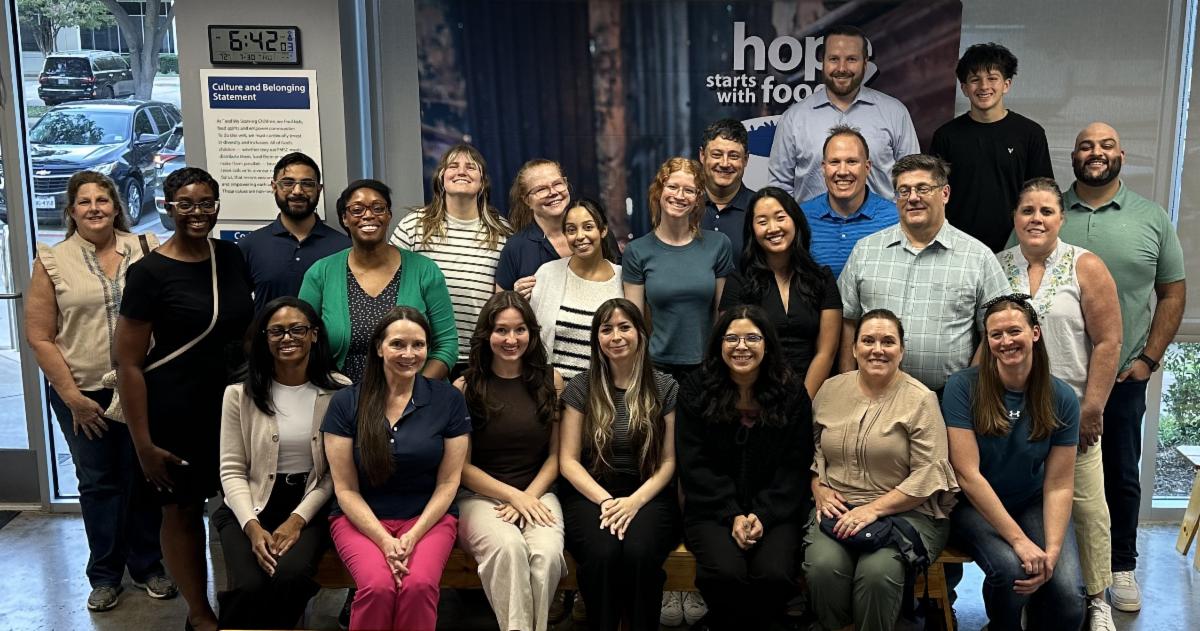
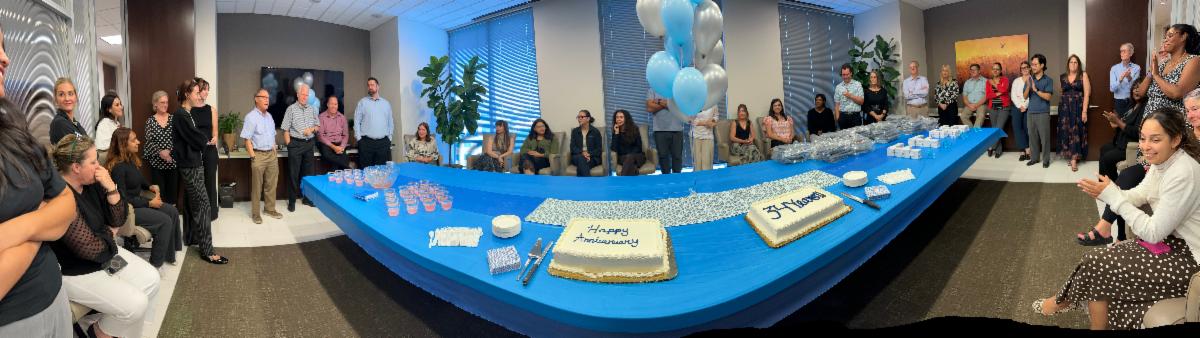
As the firm celebrated its 34th anniversary, we took the opportunity to mark the milestone by giving back to our community. We had a great time packing meals and sharing laughs at Feed My Starving Children.

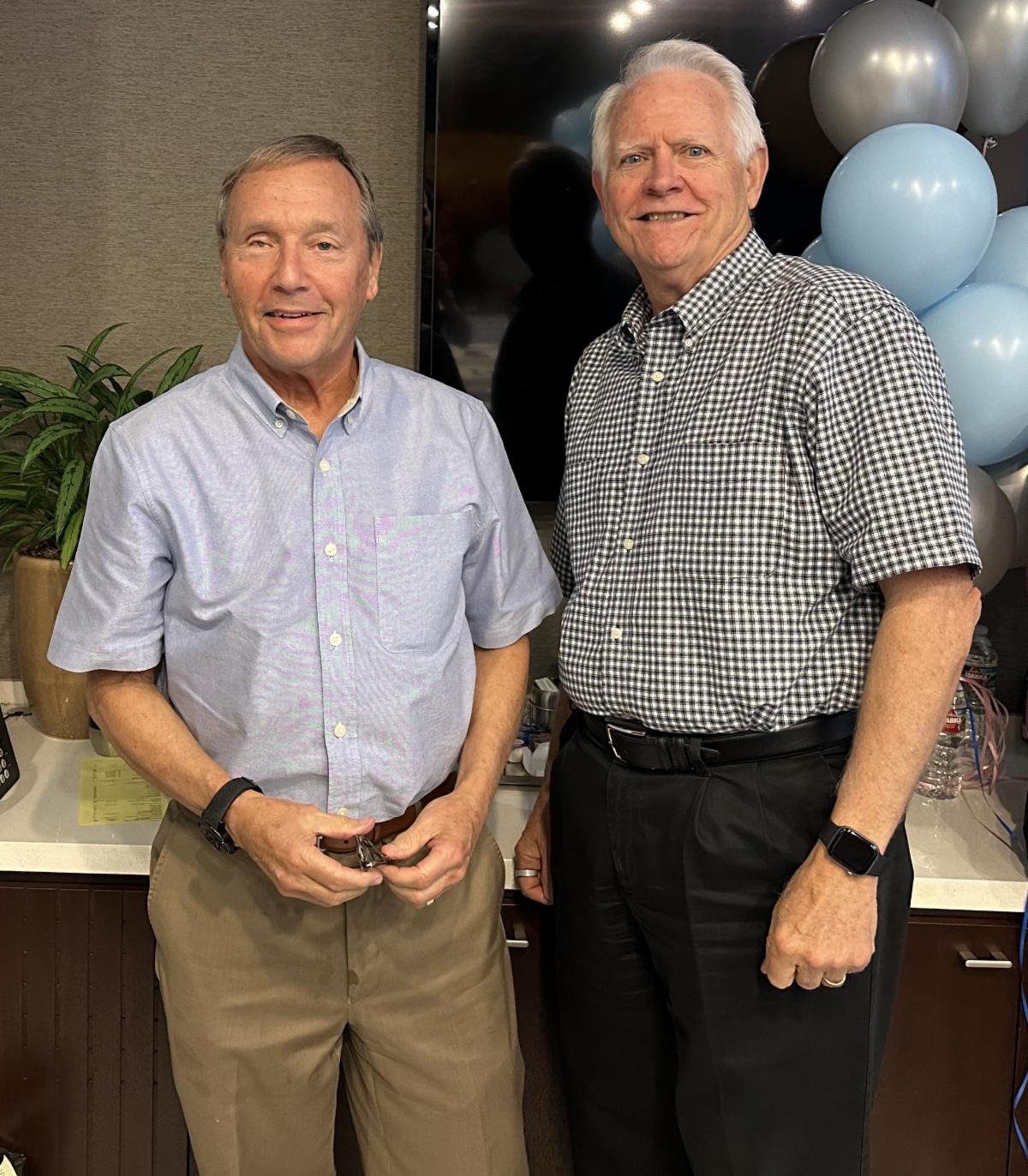
34 years is a milestone worth celebrating—and it wouldn’t have been possible without the people who have helped shape our firm along the way. We’re grateful for the vision and leadership of our founding partner Doug Fletcher, and Mike Shipman, whose dedication helped build the foundation we continue to carry forward today.

And, of course, milestones are better when they’re shared! We enjoyed coming together to reflect on where we’ve been, and look forward to what’s ahead. Here’s to the people, relationships, and community that make it all worthwhile.

Fletcher Farley Shipman & Salinas LLP

Linkedin  Instagram