|
|
Program Newsletter | 2nd Quarter, 2024
| |
|
|
Namaste, Mabuhay, Amani,
We are delighted to bring you the latest news from the HHI Resilient Communities’ projects in Nepal and the Philippines!
As we conclude the 2nd quarter of 2024, we want to share some interesting developments about our research on disaster and climate resilience in these two distinct nations that are heavily impacted by climate-related hazards.
This edition of our newsletter features key project updates, local developments in DRR, exciting fellowship and conference opportunities, and more!
| |
The Philippines Celebrates Disaster Resilience Month | |
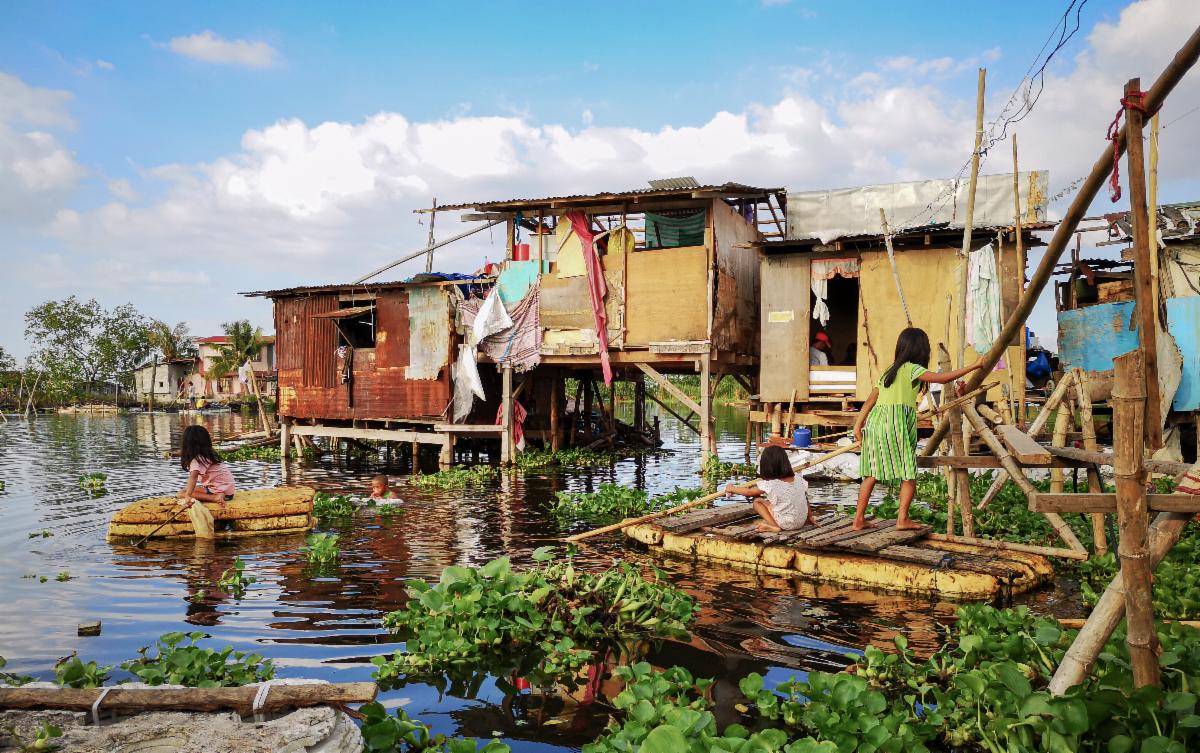
Children ride makeshift boats made of styrofoam and pieces of wood in a constantly flooded neighborhood in Valenzuela City, Metro Manila. | Photo by Mark Daza | |
HHI Resilient Communities joins the Philippines in celebrating National Disaster Resilience Month this July! As climate change intensifies extreme weather and disaster events, efforts to strengthen disaster resilience are more critical than ever.
We are delighted to share updates from our ongoing work to advance resilience in the Philippines. Our recent nationwide household survey on disaster preparedness and resilience collected data across 17 regions to understand Filipinos’ views on climate change and their experiences with disasters and future preparedness needs. We look forward to analyzing this information and generating insights to benefit disaster risk reduction actors and local communities.
Additionally, we continue engaging communities through initiatives like convening civil society leaders in the BARMM to discuss climate and environmental action in areas affected by climate and developing projects to better understand the impacts of climate change on health and wellbeing.
Moving forward, we will continue our resilience-related research, education, and convening to advance knowledge exchange and strengthen resilience against growing climate impacts in the Philippines and globally.
|  | |
Understanding Filipinos’
Disaster Preparedness & Resilience
| |
You might be excited to know the results of our 2nd Nationwide Household Survey on Disaster Preparedness and Resilience in the Philippines. Thank you for your patience through this meticulous research process.
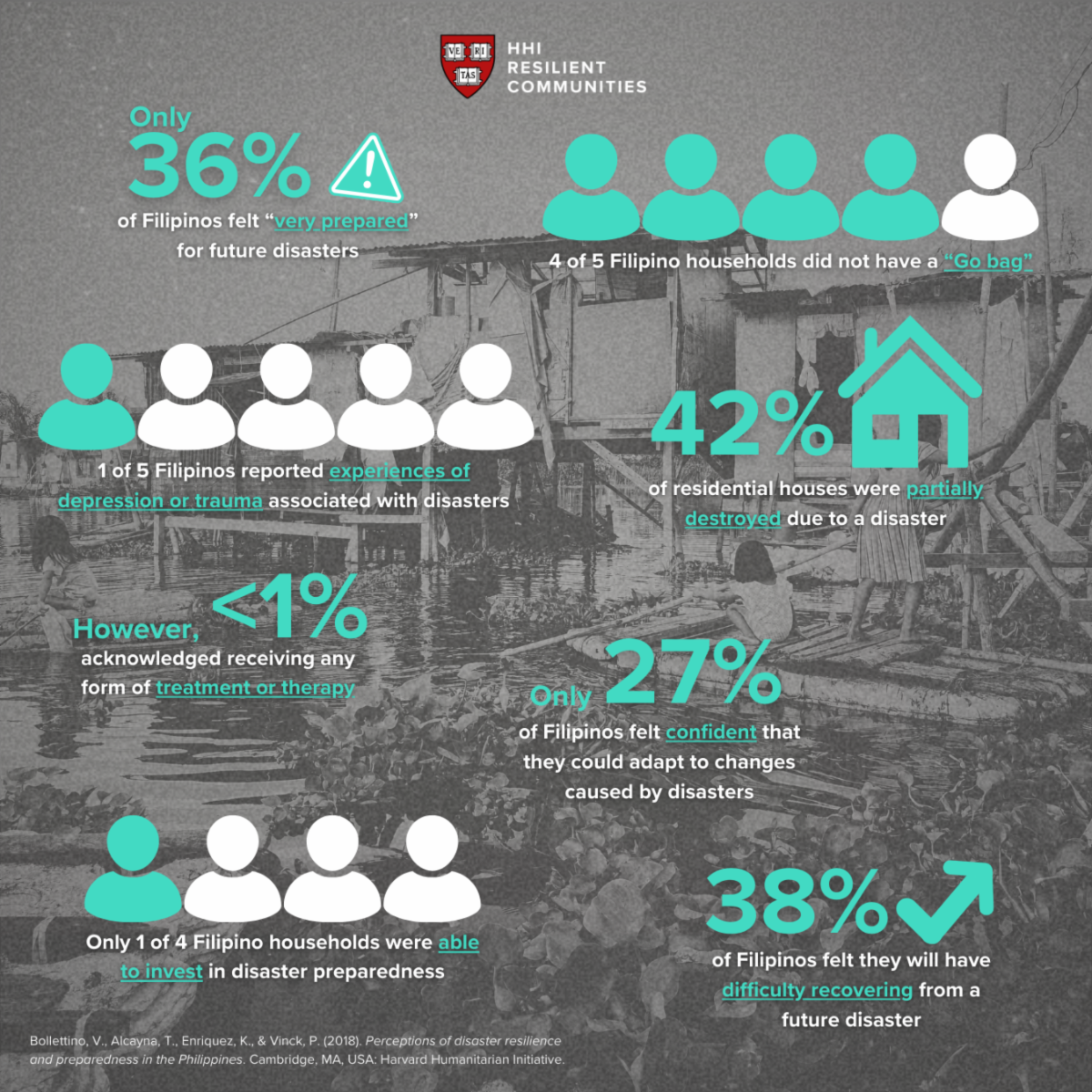
As our team analyzes the household-level data we recently collected throughout the 17 regions of the country, let us review the key issues highlighted in our 1st nationwide survey in 2017 and consider the relevance and significance of such information today.
| Graphics by Keanu Costales | As a valued stakeholder, we want to hear your thoughts! Considering the above data from our nationwide survey in 2017 and the recent socio-political developments in the country, what types of information would be valuable to you and your organization? | Your input will help us generate reports from our most recent nationwide survey that will ultimately benefit DRR actors and local communities in the Philippines. Please stay tuned for the findings in the coming months! | | |
This section features news and developments on local disaster risk reduction and climate change adaptation to boost awareness of local action. | |
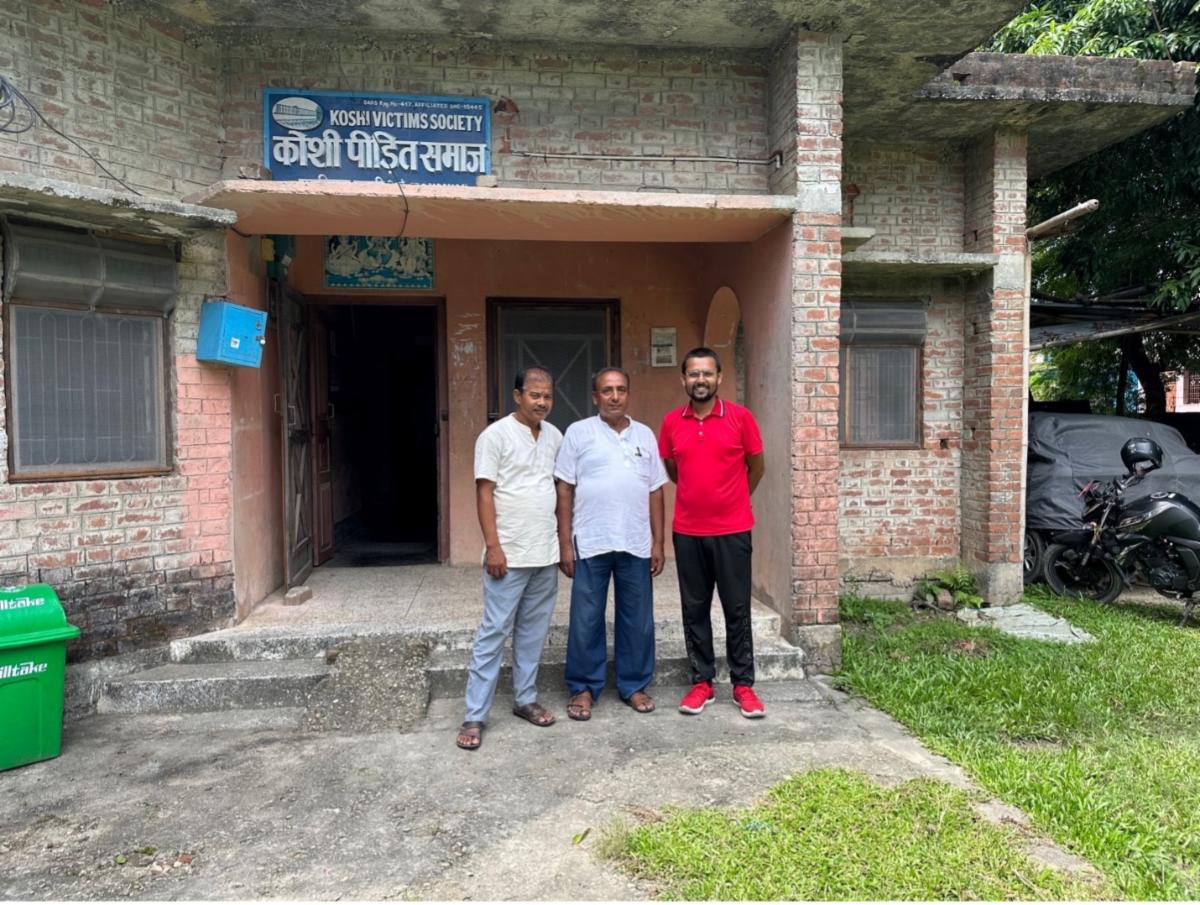
Nepal Strengthens Preparation for Monsoon Season | Our Project Lead in Nepal, Ganesh Dhungana, met with the representatives of the Koshi River Victim Society and discussed the challenges faced by communities impacted by monsoon-induced floods in the Koshi River Basin. | Photo by Ganesh Dhungana | As the monsoon season begins in Nepal, the National Disaster Risk Reduction and Management Authority (NDRRMA) has established a command post for effective preparedness and response by introducing the "Monsoon Preparedness and Response Plan 2081 BS". The plan estimates that 1.81 million people, comprising 412,000 households, will likely be affected by the monsoon this year. NDRRMA has marked the Koshi province of Nepal as one of the high-risk zones, as the province is affected by monsoon-induced disasters every year, causing significant impacts on the lives and livelihoods of vulnerable communities. | |
The value of engaging local communities in climate action | |
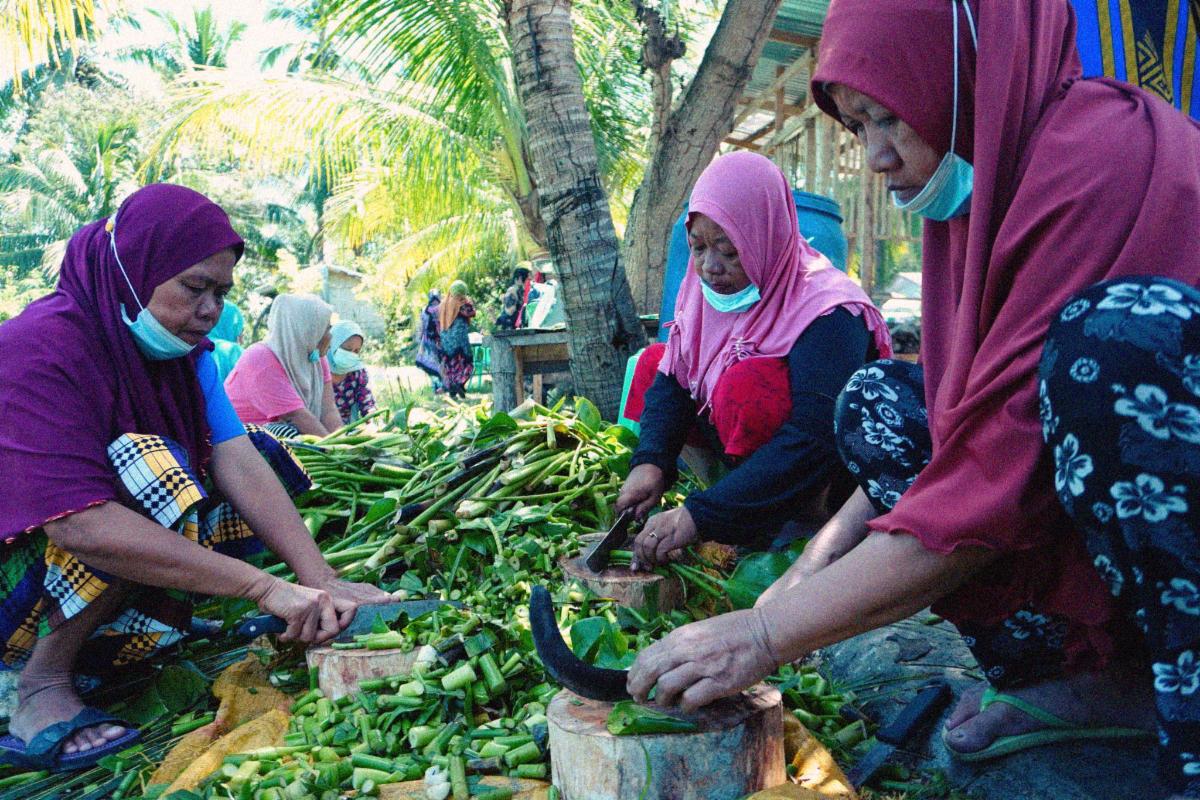
Members of a conflict-affected community in the BARMM cut water hyacinths into smaller pieces for the production of organic liquid fertilizer | Photo by UnYPhil–Women Philippines | |
|
In an effort to engage communities in climate dialogue and action in the BARMM, we convened local civil society organization leaders in a virtual focus group discussion (FGD).
One participant shared that local academic institutions conduct outreach to farming communities in the region to help farmers and fisherfolk increase their yield and improve their farm practices. They also gradually introduce climate change in their community dialogue since agriculture and fisheries are intricately linked with climate... Read more about our Grants & Communications Specialist Keanu Costales’ reflections from a dialogue with civil society leaders in the Philippines.
| |
Women’s Rights and Environmental Justice | |
|
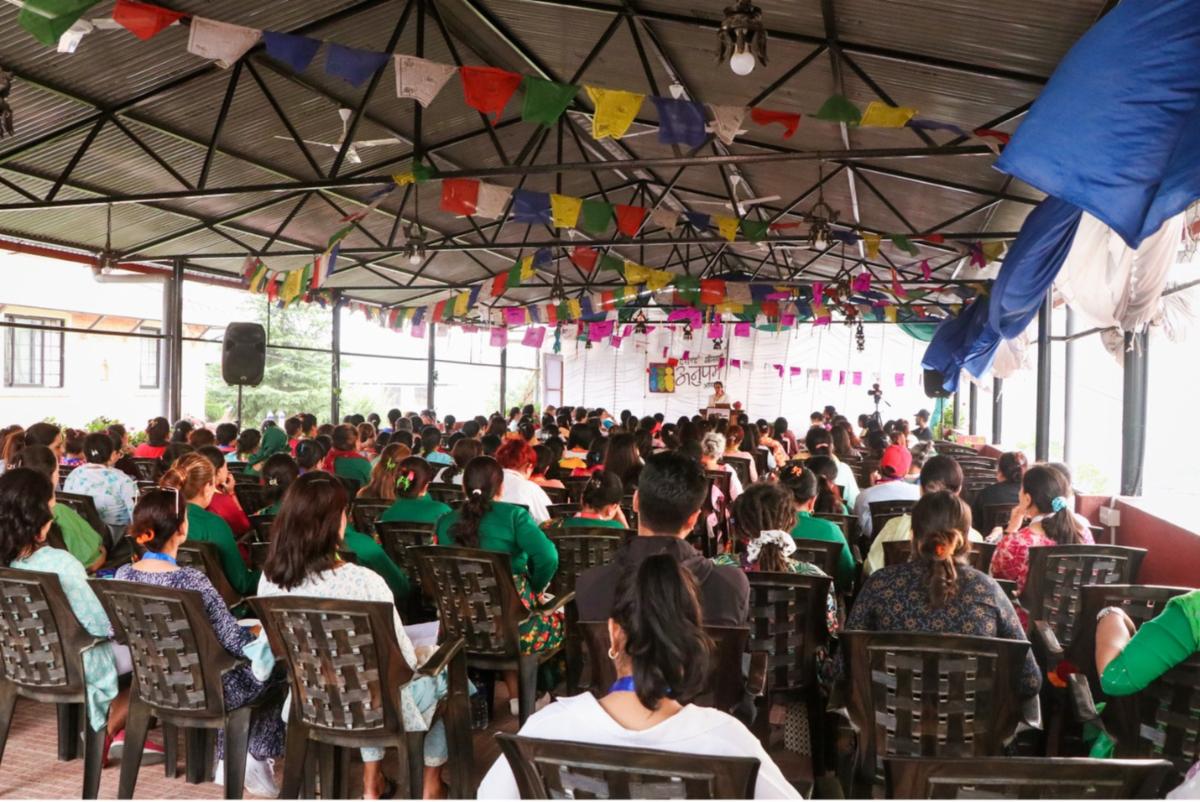
Our project lead – Nepal, Ganesh Dhungana, participated in the Bagmati Province Level Grantee Convening organized by our research partner, Tewa. The convening brought together 138 grantee-partners from the province’s 13 districts to discuss different issues, including the intersection of women's rights and environmental justice.
Our team will continue engaging with local partners in Nepal to strengthen cooperation with different humanitarian, research, and development actors and contribute to discussions and programming around disaster and climate resilience.
| |
Opportunity for Humanitarians & Researchers | |
Become a Radcliffe Fellow | |
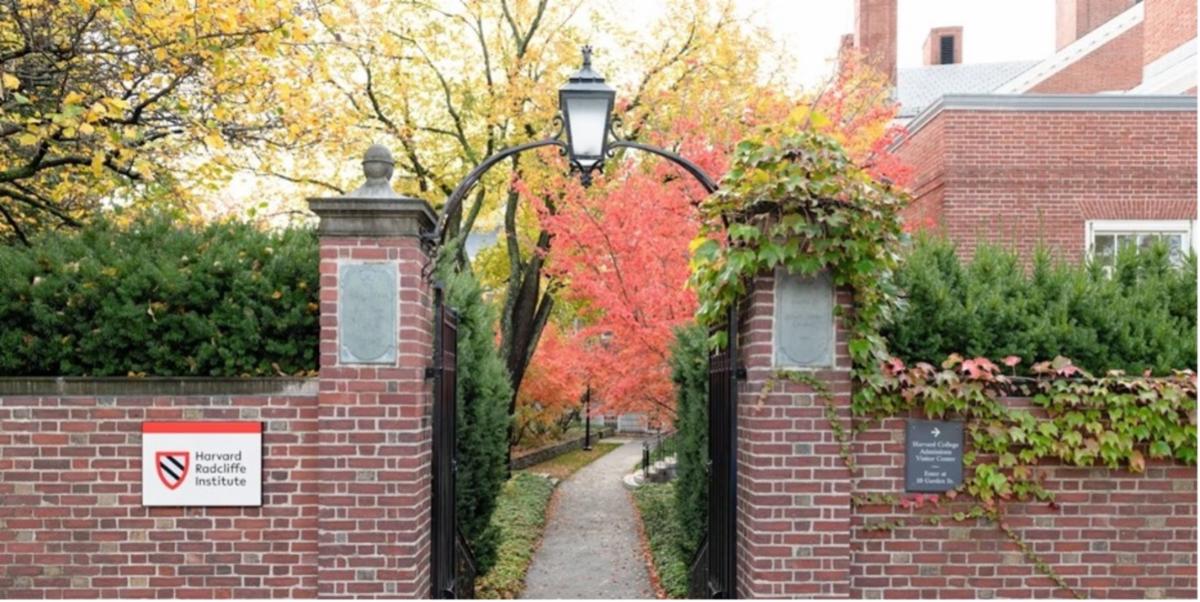
Interested in being one of the next Radcliffe fellows for 2025-2026? The Harvard Radcliffe Institute welcomes proposals from anywhere in the world relevant to its focus areas: (1) climate change and (2) academic freedom and connecting across differences.
Radcliffe fellows will spend a fellowship year at Harvard working on their innovative projects that confront pressing social and policy issues.
Applications are accepted until September 12, 2024 for humanities, social sciences, and creative arts; and until October 3, 2024 for science, engineering, and mathematics.
| |
Join the Emerging Scholars Program | | |
|
|
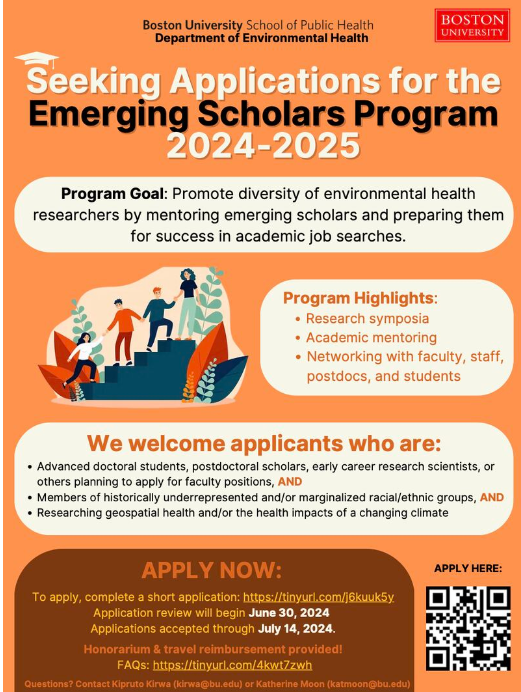
Are you an advanced doctoral student, postdoctoral scholar, early career research scientist, or someone planning to apply for an academic faculty position and a member of a historically underrepresented racial or ethnic group?
The Emerging Scholars Program (ESP) of the Boston University School of Public Health might interest you. In particular, ESP welcomes scholars engaged in research related to geospatial health and/or the health impacts of the changing climate.
Applications will close on July 14, 2024.
| |
Congratulations to Mark Daza! | |
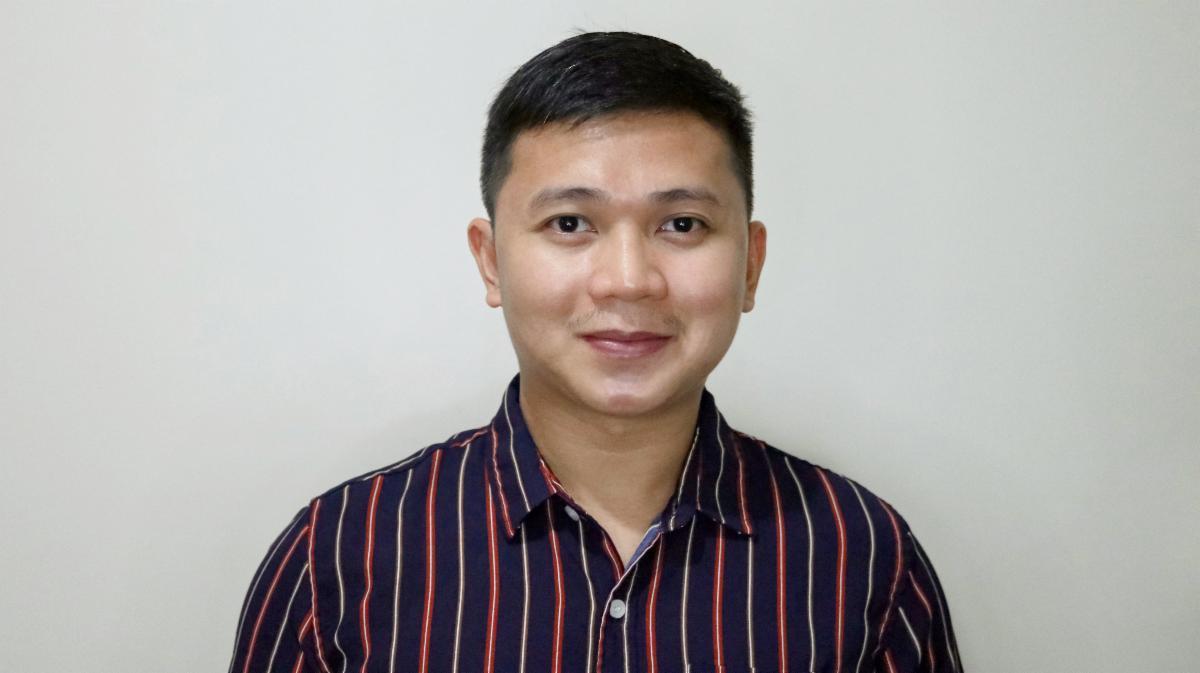
Congratulations to our Project and Communications Manager, Mark Daza, for being selected as one of the 15 global fellows of the Indo-Pacific Cooperation Network for the year 2024-2025, hosted by the Australian Institute of International Affairs and the Japan Foundation.
The Indo-Pacific Cooperation Network is a network of “next-generation professionals” focused on social and policy issues in the Indo-Pacific region. Mark will join other fellows from Australia, Brazil, Fiji, India, Japan, New Zealand, Solomon Islands, Thailand, and USA. Throughout the program, they will focus on disaster resilience issues in the region and engage in study tours, roundtable discussions with policymakers and experts, field visits, and research sessions in Japan, Australia, New Zealand, and Fiji.
| | |
|
Thank you for reading, Amani!
Let's stay connected! Follow us on social media:
| |
Share this newsletter via: | | | | |